

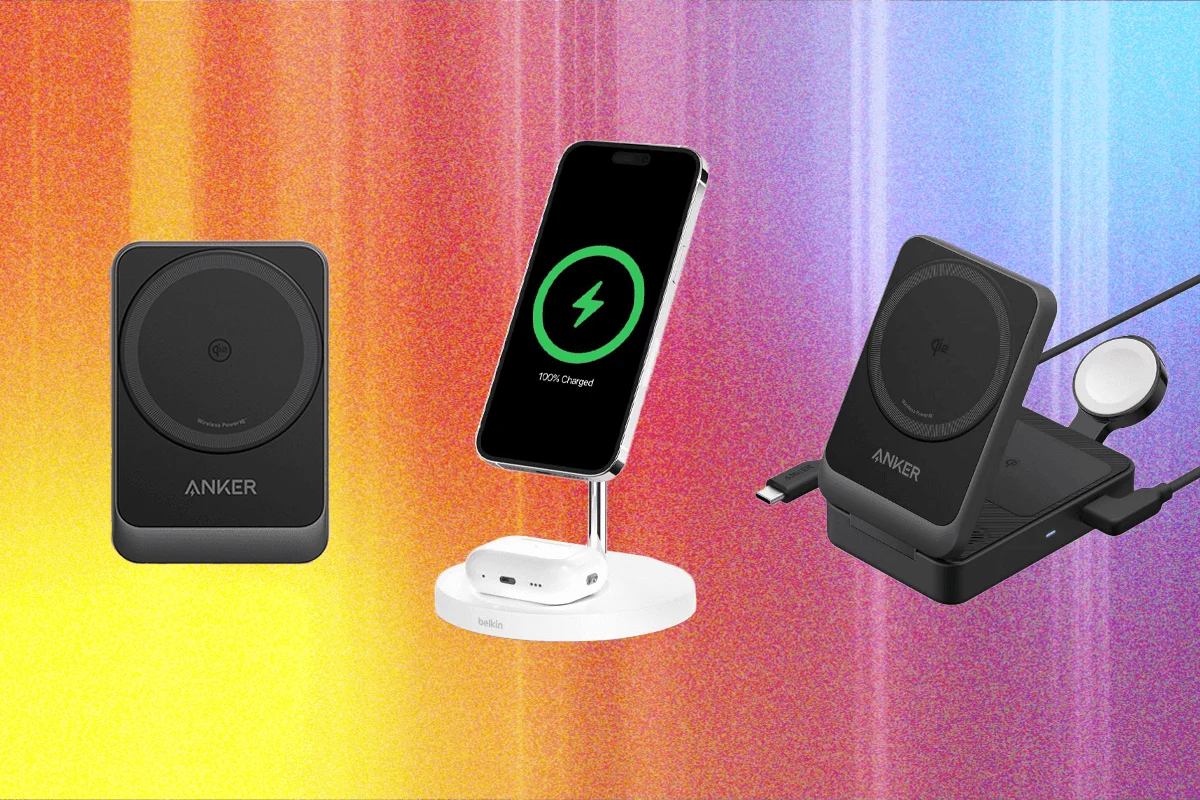
Keeping your smartphone powered has evolved from the tedious chore of hunting for cables and fighting with fraying connectors into a seamless, magnetic experience. As we move through 2026, the convergence of Apple’s proprietary MagSafe technology and the universal Qi2 standard has fundamentally changed how we interact with our devices. Whether you are using the latest iPhone 17 or a Qi2-compatible Android flagship like the Google Pixel 10, the "magnetic snap" has become the gold standard for convenience.
The State of Wireless Charging: From MagSafe to Qi2
The frustration of the "wireless sweet spot"—where a phone sits slightly off-center on a charging pad, resulting in a dead battery by morning—is now a relic of the past. MagSafe, Apple’s brilliant integration of magnets into the chassis of its phones starting with the iPhone 12, solved this by ensuring perfect alignment every time.

However, the landscape has broadened. Qi2, the next-generation wireless charging standard developed by the Wireless Power Consortium (with significant input from Apple), brings this same magnetic efficiency to the wider industry. Today, MagSafe and Qi2 are effectively interchangeable for the average consumer, allowing for faster charging rates and better energy efficiency across both iOS and Android ecosystems.
Top Recommendations at a Glance
Before diving into the technical nuances, here are the current market leaders that have passed rigorous testing for reliability, magnet strength, and thermal management:
.jpg)
- Best MagSafe Charger: Apple MagSafe Charger (2 m) – The gold standard for consistency and integration.
- Best MagSafe Stand: Nomad Stand One (4th Gen, Qi2 25W) – A premium, high-speed solution that blends industrial design with power.
- Best 3-in-1 MagSafe Stand: Belkin 3-in-1 Qi2 Charging Stand – The ultimate bedside companion for those invested in the Apple ecosystem.
- Best 3-in-1 MagSafe Pad: Nimble Podium 3-in-1 Wireless Charger – A sustainable and powerful option for desk-bound power users.
A Chronology of Magnetic Charging
To understand why these devices are significant, one must look at the rapid progression of wireless standards over the last six years:
- 2020 (The Dawn of MagSafe): With the launch of the iPhone 12, Apple reintroduced the "MagSafe" brand, transforming a defunct laptop power connector into a revolutionary mobile accessory system.
- 2023 (The Arrival of Qi2): The Wireless Power Consortium announced the Qi2 standard, designed to bring the magnetic alignment of MagSafe to all manufacturers.
- 2024–2025 (Cross-Platform Adoption): As the iPhone 15 and 16 lines matured, manufacturers like Google and Samsung began embracing the magnetic standard, either natively or through "Qi2 Ready" certified cases.
- 2026 (The 25W Milestone): With the release of the iPhone 17 series and the latest Pixel 10 Pro XL, the Qi2.2 specification now supports charging speeds up to 25 watts, significantly narrowing the gap between wired and wireless charging.
Supporting Data: Why Magnetics Matter
Wireless charging has historically been plagued by heat and inefficiency. Traditional Qi charging lost significant energy as heat due to coil misalignment. According to recent testing, MagSafe and Qi2 systems reduce this "energy leakage" by up to 25% compared to legacy wireless pads.

Furthermore, the introduction of the Qi2 25W standard is a game-changer. Previously, wireless charging was often limited to 15 watts, which felt sluggish compared to modern wired fast-charging. By pushing the ceiling to 25 watts, users can now achieve a 50% charge in roughly 30 minutes, effectively removing the "overnight-only" limitation of previous-generation chargers.
Deep Dive: The Top Contenders
1. Apple MagSafe Charger (2m)
The official Apple offering remains the benchmark for simplicity. Its 2-meter cable provides unprecedented reach, making it perfect for living room sofas or expansive office desks. Its reliability is unmatched, and its firmware updates—delivered through the iPhone—ensure it stays optimized for the latest battery health management protocols.
%2520SOURCE-Simon-Hill..jpg)
2. Nomad Stand One (4th Gen, Qi2 25W)
Nomad continues to cater to the aesthetic-conscious professional. The 4th Gen Stand One is not just a charger; it is a piece of desk decor. With its weighted metal construction and glass finish, it feels premium. Most importantly, it supports the full 25W output, making it one of the fastest ways to juice up an iPhone 17 or a compatible Android flagship.
3. Belkin 3-in-1 Qi2 Charging Stand
Belkin has long been a partner in Apple’s retail strategy, and their 3-in-1 stand remains the most convenient "all-in-one" solution. By consolidating phone, watch, and earbud charging into a single footprint, it declutters the nightstand. Its integration with Apple’s StandBy mode is seamless, allowing the phone to act as an alarm clock, photo frame, or widget display.
.jpg)
4. Nimble Podium 3-in-1 Wireless Charger
For those who prefer a flat charging pad over a vertical stand, the Nimble Podium is the top choice. Nimble’s commitment to sustainable materials is a standout feature, but the performance is what earns its place here. It provides a robust, stable platform that handles three devices simultaneously without the "crosstalk" interference that plagues cheaper multi-device chargers.
Implications: The Death of the Charging Cable?
The widespread adoption of Qi2 and magnetic charging signals a shift in consumer behavior. We are moving toward a world where cables are relegated to high-speed data transfers and emergency "top-ups" rather than daily battery maintenance.
.jpg)
However, there are implications for hardware longevity. While wireless charging is convenient, it generates more heat than wired charging. While modern phones manage this through sophisticated software that slows charging as the battery reaches 80%, users should be mindful of using high-quality, certified Qi2 chargers. Cheap, uncertified magnetic chargers can cause thermal throttling, which, over several years, may degrade lithium-ion battery health faster than standard cables.
Expert Perspective: How to Choose
When selecting a charger, consider your daily routine. If you work from a desk, a stand is superior as it allows you to view notifications without picking up the phone. If you are a traveler, the classic magnetic puck—like the official Apple one—remains the most packable option.

Always check for the "Qi2" logo on the packaging. While many "MagSafe-compatible" chargers exist, only those that are Qi2 certified guarantee the 15W or 25W speeds and safety protocols required for modern flagships.
Conclusion: Powering the Future
The integration of magnets into the mobile charging experience has turned a functional necessity into a seamless utility. As we look ahead to the remainder of 2026, we expect to see further advancements in "distance" charging and even higher wattage outputs. For now, investing in a high-quality Qi2 or MagSafe charger is one of the most practical upgrades you can make for your digital lifestyle.
-Reviewer-Photo-SOURCE-Simon-Hill.jpg)
By embracing this technology, you aren’t just buying a charger; you are investing in a more organized, efficient, and user-friendly way to keep your most important tool—your smartphone—ready for whatever the day demands.
Appendix: Definitions for the Modern User
- MagSafe: Apple’s proprietary system for iPhone 12 and later. It provides magnetic alignment and specific fast-charging protocols.
- Qi2: The universal, industry-wide standard based on Apple’s MagSafe tech. It is cross-compatible with iPhones and newer Android devices.
- Qi2 25W: The latest iteration of the standard, allowing for faster power delivery comparable to mid-tier wired chargers.
- StandBy Mode: A feature in modern iOS that transforms your phone into a smart-display when charging in landscape orientation—perfect for nightstands.











