

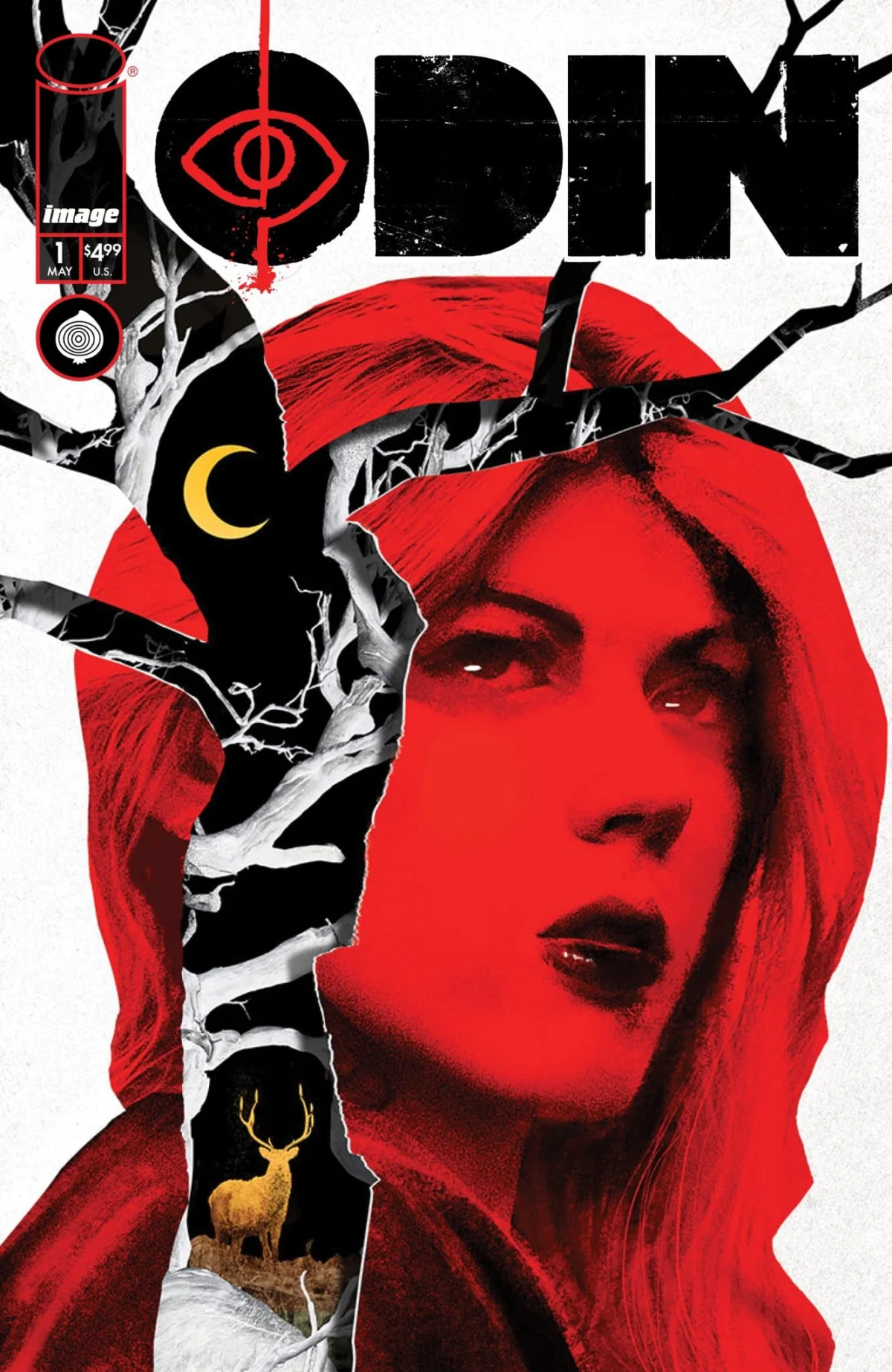
In the landscape of modern comic books, few creators have mastered the architecture of dread quite like James Tynion IV. From the claustrophobic corridors of Something is Killing the Children to the surrealist nightmares of his Tiny Onion Studios imprint, Tynion has consistently pushed the boundaries of the medium. Now, as the industry looks toward the release of Odin #1 on May 19, 2026, readers are being warned to prepare for a descent into a uniquely harrowing form of psychological and visceral horror.
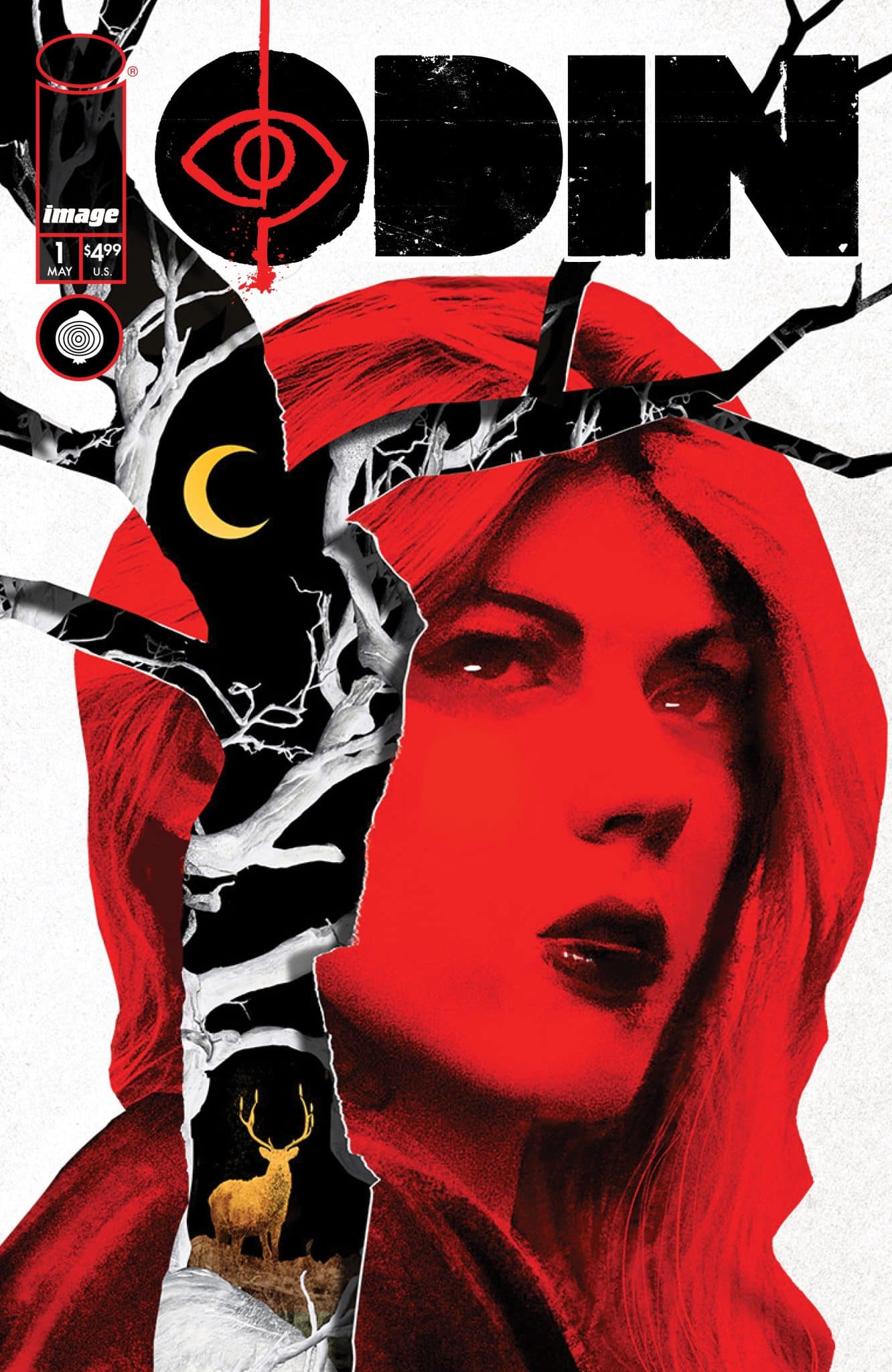
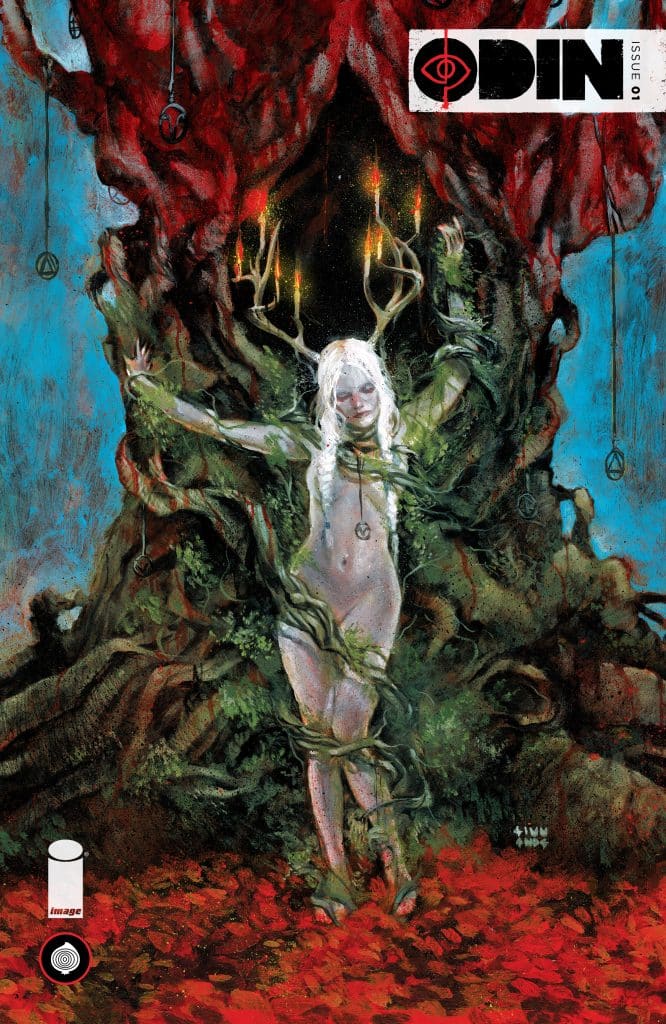
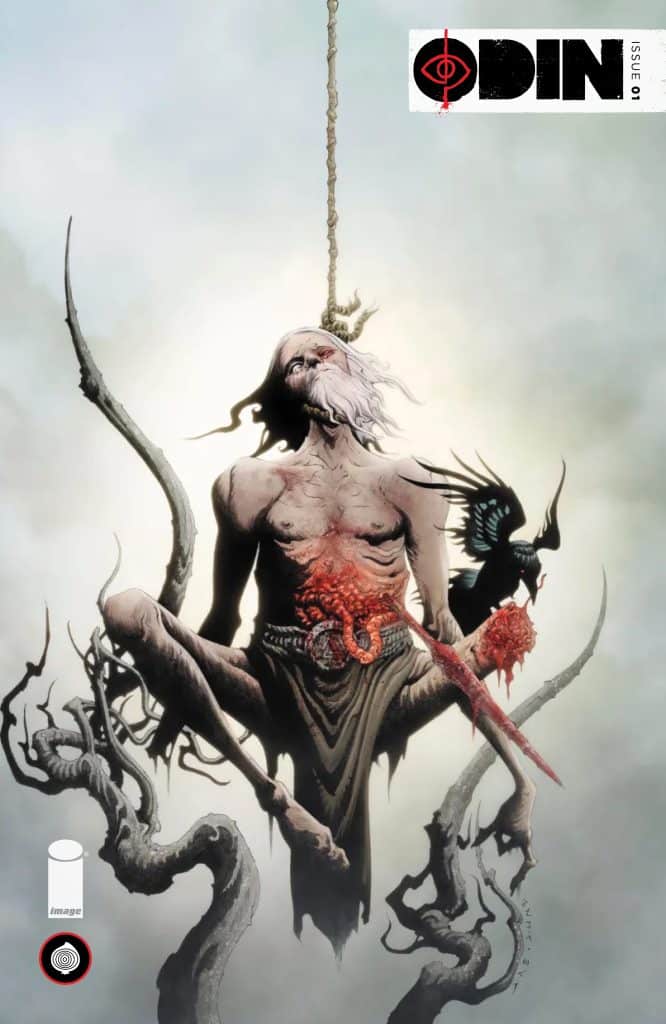
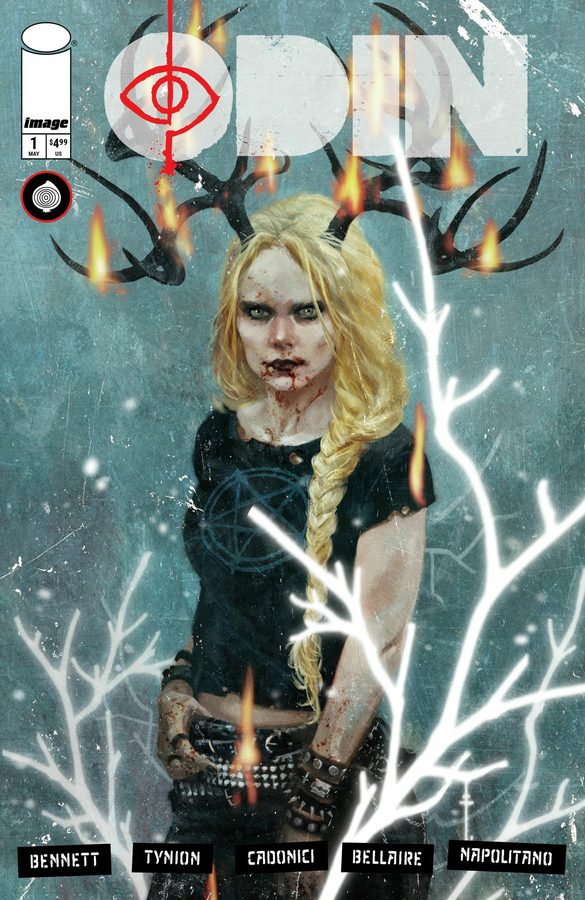
Co-written by the powerhouse Marguerite Bennett and featuring the haunting, precise linework of rising star Letizia Cadonici, Odin #1 promises to be a seminal entry in the "folk-horror" subgenre. With colors by the legendary Eisner Award-winner Jordie Bellaire, the series is poised to be as visually arresting as it is narratively disturbing.
The Core Narrative: A Descent into Madness
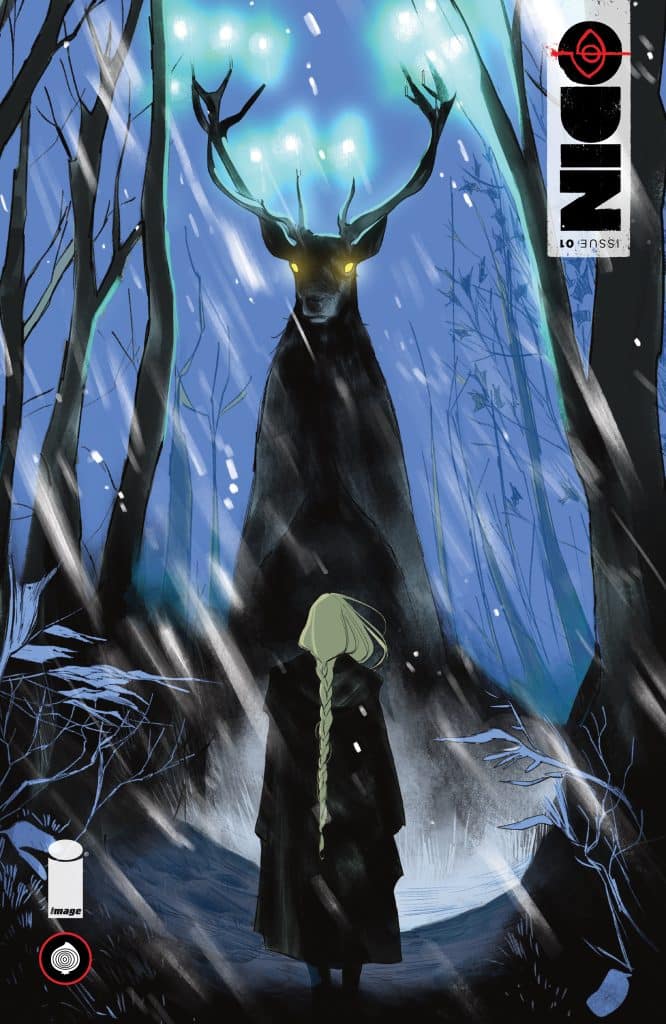
The premise of Odin #1 is deceptively simple yet laden with the potential for existential collapse. The story follows Adela, a journalist whose obsession with securing the "perfect story" leads her into the darkest corners of human ideology. Her investigative pursuit forces her to go undercover with a group of neo-Nazi punks.
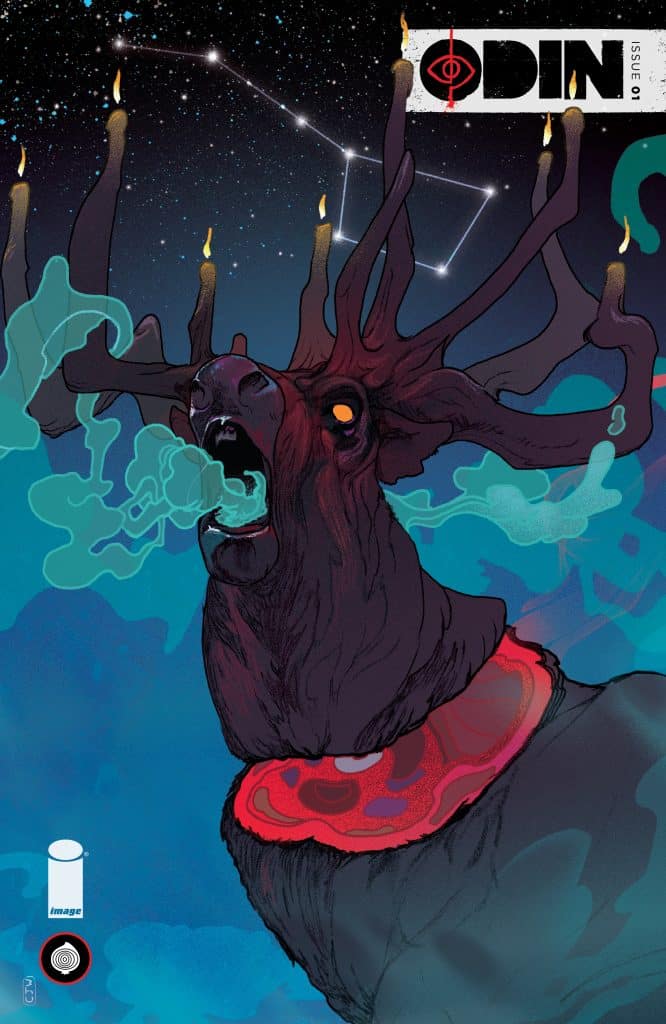
The group is traveling deep into the frozen, unforgiving forests of Norway, driven by a fanatical, misguided belief that they can summon the Norse god Odin to usher in a promised "white destiny." However, the woods hold a secret that predates human history—a force far older, stranger, and more malevolent than anything the group could have imagined. As Tynion has teased, the central horror lies in the realization that there are no gods coming to answer their prayers, only something ancient and hungry waiting in the dark.
Chronology of Development: From Concept to Publication
The path to Odin #1 began in the creative chambers of Tiny Onion Studios, where Tynion has been cultivating a suite of horror titles designed to push the medium’s limits.
- Initial Conception (Late 2025): Tynion began outlining a project that combined the visceral, high-tension atmosphere of Jeremy Saulnier’s Green Room with the cult-driven, psychological unraveling found in Ari Aster’s Midsommar.
- Team Assembly (January 2026): Marguerite Bennett was brought on board to co-write, providing the razor-sharp, no-holds-barred dialogue that has become a staple of her work on titles like Witchblade. Letizia Cadonici was selected for her ability to render intricate, uncomfortable character expressions, and Jordie Bellaire was tapped to manage a color palette that promises to be nothing short of "hallucinogenic."
- Announcement and Hype Cycle (April 2026): Image Comics released a series of cryptic teasers and cover reveals, confirming the May 19, 2026, release date.
- The Preview Release (May 19, 2026): The official debut of the first issue arrives, accompanied by a promotional push that highlights the series’ refusal to shy away from taboo subjects.
Supporting Data: The Creative Powerhouse
The anticipation surrounding Odin #1 is not merely hype; it is a reflection of the track records of the creators involved. Each member of the creative team brings a specific strength to the table that, when combined, suggests a project of significant pedigree.
The Creative Team Breakdown:
- James Tynion IV: An Eisner Award-winning writer known for his ability to weave complex, long-form horror mysteries. His work often explores how trauma and belief systems manifest in reality.
- Marguerite Bennett: A prolific writer whose works are characterized by their intensity and structural boldness. Her collaboration with Tynion is expected to amplify the narrative’s pacing and character depth.
- Letizia Cadonici: A breakout artist whose work in House of Slaughter demonstrated a keen eye for shadow and anatomical horror, making her the perfect choice for a story set in the desolate isolation of the Norwegian wilderness.
- Jordie Bellaire: Widely considered the industry’s premier colorist, Bellaire’s involvement guarantees that Odin #1 will possess a distinctive visual language. Given the "hallucinogenic" description of the book, expect bold, discordant, and experimental use of color.
Official Responses and Creative Vision
While the promotional materials for Odin #1 are intentionally guarded, the creative team has spoken about the thematic weight of the project. In various industry interviews, Tynion has emphasized that Odin #1 is a critique of how extremism blinds people to the realities of the natural world.
"The horror here isn’t just the monster in the woods," Tynion noted in a recent brief. "The horror is the arrogance of the people who think they can command the ancient world to serve their own petty, violent agendas."
Marguerite Bennett has echoed this sentiment, noting that the script was designed to make the reader feel "unmoored." "We wanted to strip away the comfort of the reader’s expectations," Bennett explained. "Every time you think you know where the danger is coming from, we shift the ground beneath your feet."
Industry analysts have noted that the "no taboos broken" marketing line is a calculated move to position Odin #1 as an adult-oriented title that will likely command a dedicated, mature readership, fitting well within the current market trend for high-concept, prestige-format horror comics.
Implications for the Horror Genre in Comics
The release of Odin #1 arrives at a pivotal moment for Image Comics and the broader independent comic book market. Several implications can be drawn from the launch:
1. The Rise of "Prestige" Horror
As comic books continue to compete with other forms of media for attention, Odin #1 represents a push toward high-production, high-concept horror that serves as a direct competitor to prestige television. By utilizing a "writer-artist-colorist" triad of top-tier talent, the series reinforces the trend of treating single-issue releases as distinct pieces of art rather than disposable serialized fiction.
2. The Intersection of Politics and Mythology
Odin #1 is not the first story to explore the co-opting of Norse mythology by extremist ideologies, but it may be one of the most direct. By positioning the protagonists as individuals seeking a "white destiny" only to be confronted by a primal, indifferent force, the book functions as a dark satire of modern radicalization. It asks a haunting question: What happens when the gods you invoke turn out to be nothing like the versions you created in your own image?
3. Visual Storytelling Evolution
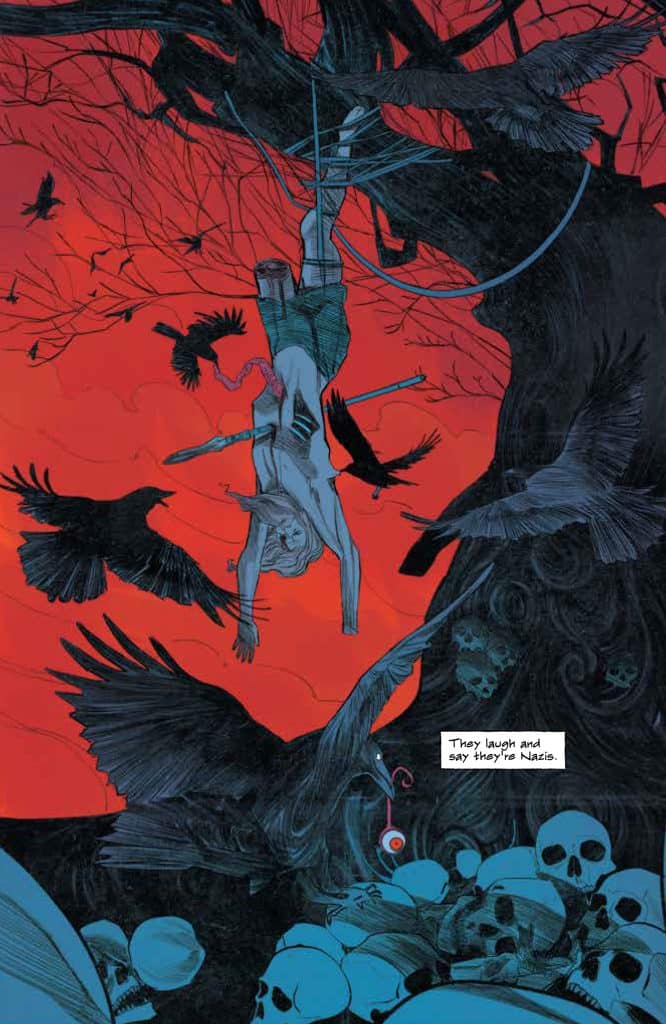
The inclusion of preview pages from the first five pages of the book reveals a focus on pacing—specifically, the use of silence and landscape. The transition from the claustrophobic, urban environments of the protagonists’ origins to the vast, cold, and indifferent landscapes of Norway is expected to be a major stylistic pillar of the series.
4. The "Tiny Onion" Effect
With Odin #1, James Tynion IV continues to expand his footprint. The success of this title will likely serve as a litmus test for the viability of his studio’s "relentless" horror model. If Odin performs as expected, it will likely lead to an influx of similar projects that prioritize atmospheric dread over traditional superhero tropes.
Final Thoughts: A Warning for the Reader
As the launch date settles, the consensus among comic book critics is that Odin #1 is not for the faint of heart. It is a dense, challenging, and intentionally uncomfortable read.
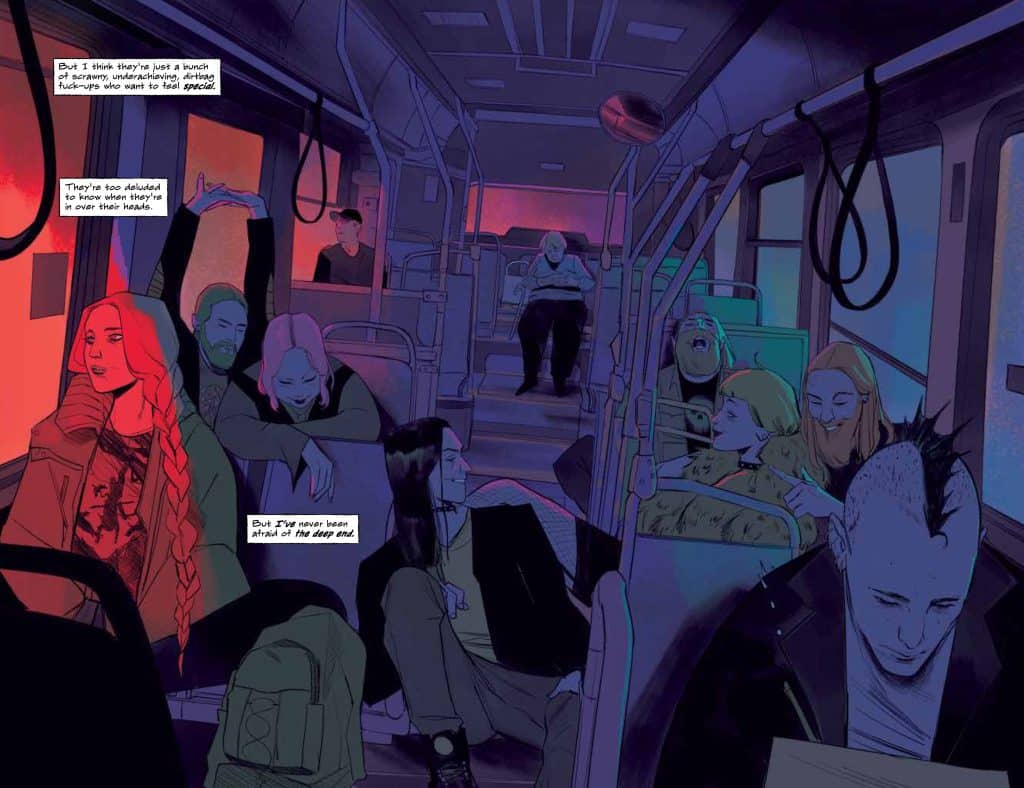
For fans of the genre, the arrival of the first issue serves as an invitation to a dark, hallucinogenic journey. Whether it succeeds in its promise to "leave no taboo unbroken" remains to be seen, but with the combined talent of Tynion, Bennett, Cadonici, and Bellaire, it is almost certain to be one of the most discussed—and most debated—comic book releases of 2026.
If you are prepared to face the cold, unfeeling truths hidden in the Norwegian woods, Odin #1 awaits. Just remember: in the world of Tynion’s latest nightmare, prayer is a language the forest does not speak.









No comments yet. Be the first to join the conversation!