

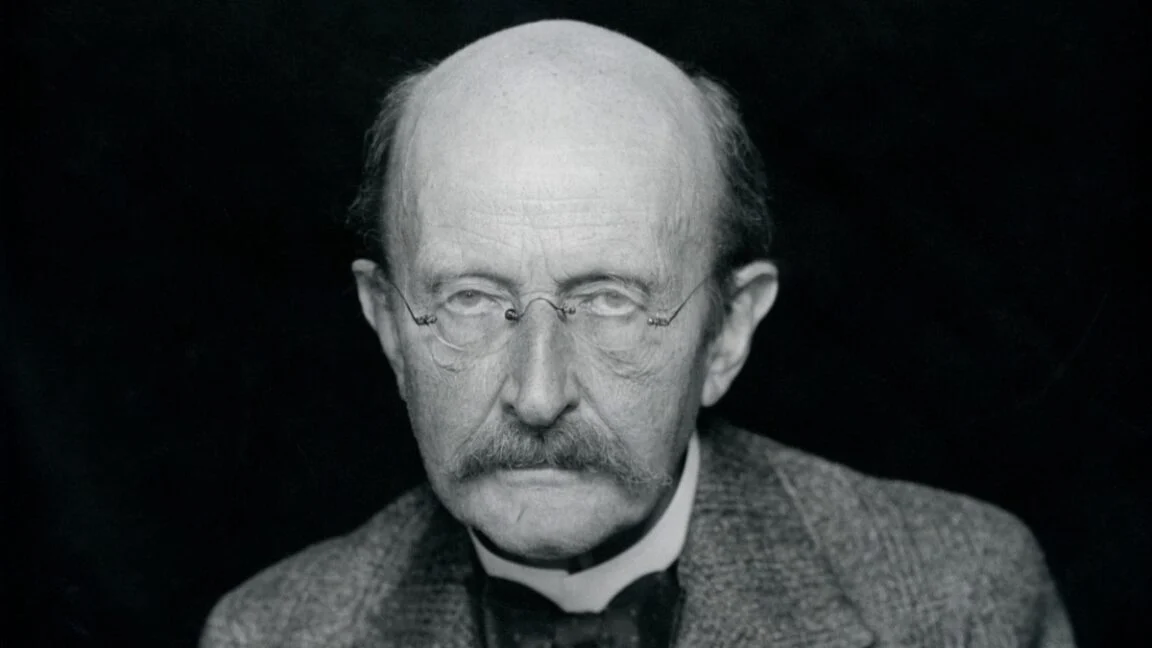
In the high-stakes world of academic publishing, a “retraction” is typically a scarlet letter—a formal acknowledgement that a paper contains flawed data, plagiarism, or insurmountable errors. It is a tool designed to preserve the integrity of the scientific record. However, when the name attached to the retracted papers is Max Planck—the father of quantum mechanics and a titan of 20th-century physics—the scientific community takes notice.
Recent investigations have revealed that two of Planck’s papers from the 1940s have been effectively erased from the archives of Naturwissenschaften (now known as The Science of Nature). Clicking the links to these historic texts now yields nothing but blank pages and empty PDFs, accompanied by a terse notification claiming the articles were “withdrawn due to article violation.” This digital scrubbing has ignited a firestorm of criticism from historians and scientists alike, who argue that the application of modern copyright and administrative algorithms to historical intellectual property is not only nonsensical but a dangerous distortion of the historical record.
The Discovery: A Historian’s Shock
The erasure came to light almost by accident. Yves Gingras, a professor of history at the University of Quebec in Montreal, was performing a routine search on the blog Retraction Watch, which maintains a comprehensive database of retractions involving Nobel laureates. Browsing the list, Gingras was struck by an anomaly: Max Planck, a man whose reputation for scientific integrity is as foundational to physics as his constants, appeared on the list.
Intrigued, Gingras enlisted his colleague, Mahdi Khelfaoui of the University of Quebec at Trois-Rivieres, to investigate. Their findings, detailed in a recent preprint posted to the physics arXiv, suggest that the removal of these papers is the result of bureaucratic inertia and an overzealous application of modern digital publishing standards to mid-century academic materials.
“Intellectually, it’s not acceptable,” Gingras remarked. The implications go beyond a simple clerical error; they suggest that the infrastructure of digital knowledge, managed by massive publishing conglomerates, is failing to distinguish between genuine scientific misconduct and the standard practices of a bygone era.
A Chronology of Confusion
To understand the absurdity of the situation, one must look at the timeline of these papers.
The first of the two papers, titled “Meaning and Limits of Exact Science,” was published in 1942. It was a reflection on the nature of scientific knowledge, derived from a lecture Planck had delivered in Berlin the previous year. In the context of 1940s publishing, such a text would naturally appear in various formats: as a lecture transcript, a published journal article, a booklet, and eventually as part of an anthology of Planck’s collected works. This was the standard, accepted way of disseminating knowledge in a fragmented, pre-digital world.
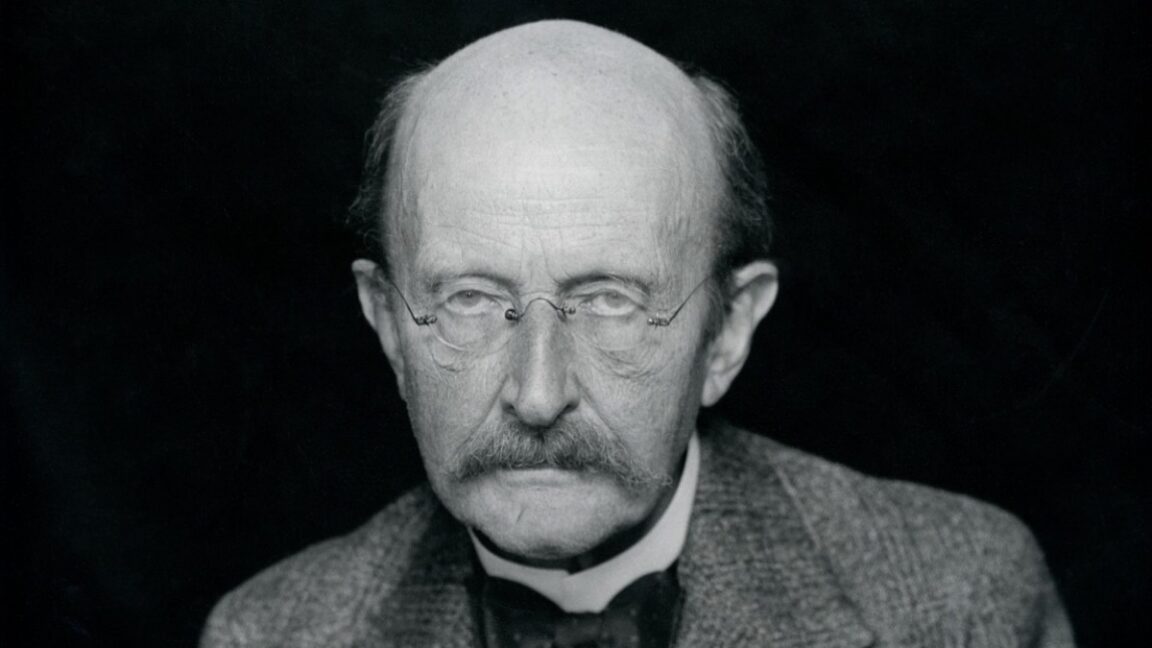
The second paper, “Natural Science and the Real External World,” appeared in 1940. Historians suspect this paper became a victim of "cataloguing ambiguity." In the same year, a scholar named Aloys Muller published a critique of an earlier Planck essay on positivism. Planck responded in the same journal using the exact same title as his original essay. It is highly likely that an automated system, designed to flag duplicate titles or suspected self-plagiarism, scanned the journal’s database and triggered a “violation” alert, leading to the summary removal of the papers without human oversight.
The metadata indicates that the DOI (Digital Object Identifier) records for these papers were created in April 2005. This date is critical: it coincides with the massive migration of historical journal archives into electronic, searchable databases. It is here that the transition from paper archives to digital, monetized repositories likely introduced the error.
Supporting Data: The Cost of Modern Algorithms
The investigation by Gingras and Khelfaoui points to a systemic issue within the publishing industry. When journals moved their historical back-catalogs into the digital age, they often employed automated tools to organize and index these papers. These tools, designed for modern journals where “self-plagiarism” is a serious concern, are fundamentally incapable of parsing the nuances of 1940s academic discourse.
The irony is palpable: while the papers have been "withdrawn," the publisher, Springer Nature, reportedly continued to offer the empty PDFs for sale at a price point of $39.95. While some observers have noted that they were able to download the empty files for free, the existence of a paywall for a non-existent, "violated" article highlights the commercialization of scientific archives.
The researchers suggest that these retractions were likely the work of legal or administrative departments at the publishing house, operating under the assumption that these papers represented "duplicate publications." In the current climate, where researchers are under immense pressure to maintain high publication metrics for funding and tenure, the rules are rigid. However, applying these rules to a deceased Nobel laureate from the 1940s is a profound category error.
Official Responses and Corporate Silence
When contacted by journalists, the current editor-in-chief of The Science of Nature, Suzanne Scarlata of the Worcester Polytechnic Institute, expressed genuine shock. She admitted that she had no prior knowledge of the retractions until they were brought to her attention.
“That’s crazy,” Scarlata told Science. “I don’t understand why they were flagged. I think it just happened with their algorithm. It’s a mistake they should probably rectify.”

Despite her stance, the response from the publisher, Springer Nature, has been a masterclass in bureaucratic opacity. When pressed for comment, the company declined to provide specific details, citing that information regarding retractions is “confidential and can only be shared with the relevant authors.” Given that Max Planck passed away in 1947, the absurdity of this policy is clear: the publisher is withholding information from the very public that the papers were intended to serve, while citing confidentiality rules that are impossible to fulfill.
Furthermore, reports indicate that Springer Nature intervened to kill an editorial that Scarlata had planned to write, which would have addressed the issue and acknowledged the mistake. This suggests a desire to bury the embarrassment rather than fix the error.
The Broader Implications: Distorting History
The core of the issue is the conflict between the modern “publishing machine” and the historical record. The early 20th century was defined by a need to circulate knowledge across borders and languages. Repetition was not a sign of plagiarism; it was a sign of effective communication. By retroactively applying current standards of copyright and intellectual property to these texts, publishers are not protecting science—they are actively damaging it.
This incident raises three major concerns for the future of digital scholarship:
- The Fragility of the Digital Record: If an algorithm can remove the work of a Nobel Prize winner without human intervention or public notification, what does that mean for less-famous researchers whose work might be silently purged by similar errors?
- The Commercialization of History: When historical documents are held behind paywalls and managed by companies that prioritize "copyright protection" over public access, the very concept of a library of human knowledge is threatened.
- The Need for Human Oversight: The reliance on automated tools for cataloging and policing scientific archives has reached a point where it is actively causing harm. The “intellectual, not acceptable” reality mentioned by Gingras is that we are allowing machines to decide what constitutes a valid contribution to science, even when the contributor is a foundational figure like Max Planck.
In conclusion, the “retraction” of Max Planck’s papers is a wake-up call. It serves as a reminder that the digital age has not just made information more accessible; it has made it more vulnerable to the whims of algorithms and the profit motives of corporate publishers. To preserve the history of science, the academic community must demand transparency from these platforms. As Gingras noted, the solution is simple: “Just put them back in the database.” Anything less is a betrayal of the scientific tradition that Planck himself worked so hard to establish.











