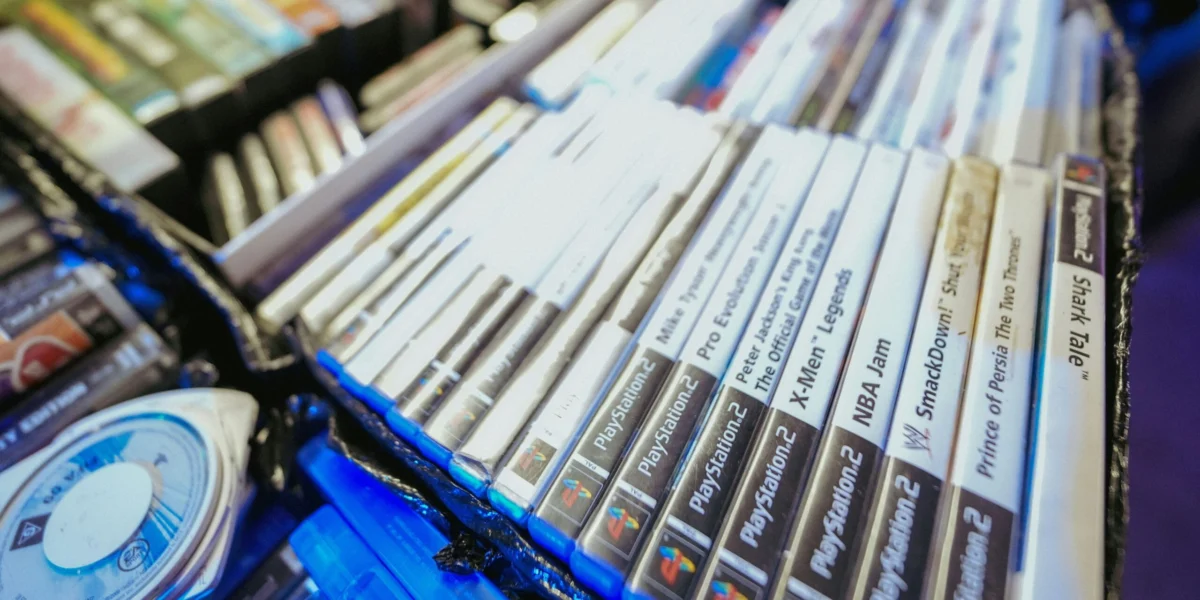
The gaming industry is currently navigating its most significant structural shift since the transition from cartridges to optical media. For decades, the ritual of visiting a local retailer, browsing shelves for box art, and the tactile satisfaction of sliding a disc into a console has been the bedrock of gaming culture. However, the industry’s trajectory has been steadily trending toward a digital-only ecosystem, a shift that recently transformed from a distant corporate strategy into an immediate, irreversible reality.
On July 4, 2026, Sony Interactive Entertainment issued a landmark announcement: starting in January 2028, the company will officially cease physical disc production for new PlayStation software. This bombshell has ignited a firestorm of debate across social media, community forums, and investor circles, forcing a reckoning regarding the future of game preservation, consumer ownership, and the evolving relationship between publishers and players.
The Chronology of a Digital Shift
The erosion of physical media did not happen overnight. It has been a calculated, decade-long migration facilitated by improvements in high-speed internet infrastructure and the convenience of digital storefronts.
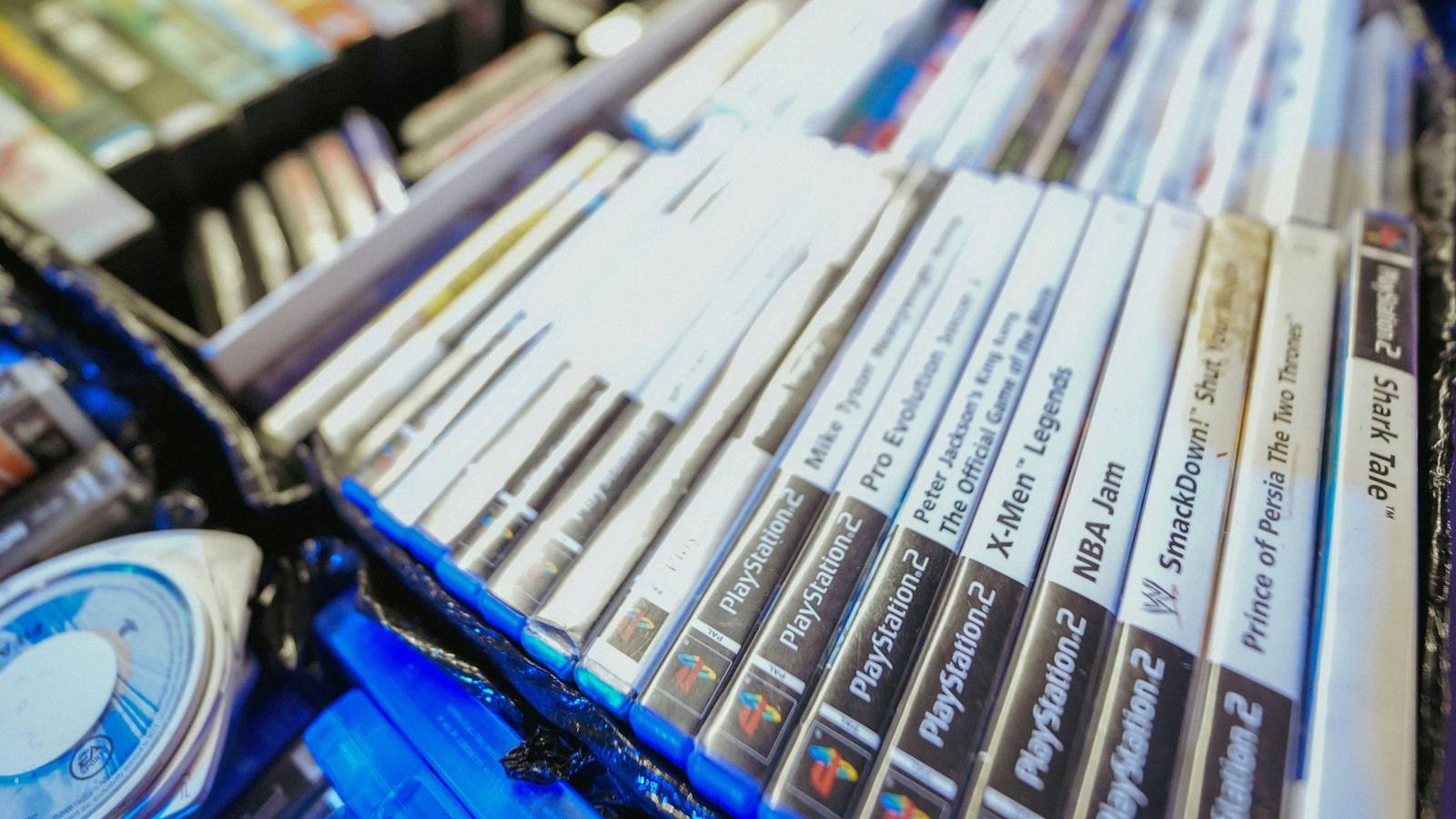
- The Early 2010s: Digital storefronts like the PlayStation Store became secondary options, largely hosting indie titles and digital-only expansions.
- The 2020 Transition: The launch of the PlayStation 5 saw the introduction of a Digital Edition console, signaling Sony’s intent to test the market’s appetite for a hardware ecosystem stripped of optical drives.
- The Mid-2020s: As subscription services like PlayStation Plus expanded and day-one digital releases became the industry standard, physical sales began to decline as a percentage of total revenue.
- The July 2026 Announcement: Sony confirmed that, beginning in 2028, the manufacturing of physical discs for new software will be discontinued, marking the end of the traditional "retail release" era.
This timeline reflects a broader corporate strategy to maximize margins. By eliminating the costs associated with manufacturing, logistics, warehousing, and retail distribution, publishers can retain a higher percentage of every sale while simultaneously maintaining total control over the software ecosystem.
Supporting Data: Why the Industry is Moving Away from Plastic
The move toward an all-digital future is not merely a whim of executives; it is driven by cold, hard data. Investors have long been pressuring major publishers to reduce their reliance on the fragmented and high-overhead physical retail market.
According to recent industry reports, digital distribution now accounts for the vast majority of software revenue for major publishers. The overhead of physical media—which includes printing discs, manufacturing high-quality plastic cases, shipping products globally, and managing inventory at brick-and-mortar stores—represents a significant "friction" point in the supply chain.

When a game is sold digitally, the profit margin is significantly higher. Furthermore, the digital model allows publishers to push patches, live-service updates, and microtransactions seamlessly, ensuring that the consumer remains tethered to the publisher’s servers. While retail analysts argue that physical media remains a vital component of the "discovery" process—where shoppers browsing physical aisles might pick up a game they hadn’t previously considered—the efficiency of targeted digital advertising has largely replaced this traditional retail discovery mechanism.
The "Legacy Loophole": Understanding the Fine Print
In the wake of the initial panic, many gamers feared that their existing collections would become obsolete or that physical distribution would stop instantly. However, a closer examination of Sony’s policy reveals a critical caveat: the "Legacy Title" exception.
Sony’s internal directive to global development and publishing partners specifies that while new software projects launching after January 2028 will not receive physical releases, the policy is not retroactive. Games that were released—or are slated to be released—prior to the 2028 cutoff remain eligible for disc production.

This means that if a developer launches a title in late 2027, they are legally permitted to continue requesting manufacturing runs for that specific game well into 2028 and beyond. This is intended to prevent the sudden "vanishing" of catalog titles from store shelves. Nevertheless, industry insiders view this as a temporary bridge rather than a long-term commitment. It ensures that the transition is a "slow burn" rather than an abrupt shuttering of factories, allowing the industry to ease into an era where the disc is eventually relegated to history.
Official Responses and Corporate Rationale
The public reaction to the announcement has been overwhelmingly polarized. Enthusiasts have decried the move as an "anti-consumer" practice that threatens the concept of digital ownership, while market analysts have praised the decision as a necessary step toward long-term profitability.
Sony’s official stance, as articulated on the PlayStation Blog, emphasizes the "streamlined, modern, and eco-friendly" benefits of the transition. By moving away from plastic, Sony aims to reduce its carbon footprint—a marketing angle that aligns with the corporate ESG (Environmental, Social, and Governance) goals that have become increasingly important to modern tech conglomerates.

However, behind closed doors, the conversation is centered on security and monetization. Digital-only platforms allow for tighter control over Digital Rights Management (DRM). By removing the disc, Sony effectively eliminates the secondary market for used games—a multi-billion dollar industry that has historically competed with the sale of new copies. While publishers argue that this allows them to reinvest more into development, critics argue that it removes the consumer’s right to trade, sell, or lend their property.
The Broader Implications: Preservation and Ownership
The most profound implication of this shift is the potential crisis of game preservation. When games exist only as digital licenses on a server, their longevity is entirely dependent on the goodwill and stability of the platform holder.
- The Fragility of Digital Licenses: If a digital storefront is closed, or if a license is revoked, the consumer often loses access to their purchase. Unlike a disc, which can be played on the original hardware indefinitely, digital content is subject to the "Terms of Service" and the lifespan of the host server.
- The Loss of Cultural History: Many classic titles have survived for decades because physical copies were distributed widely. If every game is locked behind a digital server, the risk of "lost media" increases exponentially. Historians and archivists are already voicing concerns that the shift to digital-only will make it significantly harder to preserve the artistic contributions of this generation of developers.
- The Shift in Gaming Culture: For the collector, the death of the physical disc is a loss of identity. Steelbooks, collector’s editions, and physical manuals are not just marketing materials; they are tangible symbols of a fan’s connection to a game. The transition to an intangible, all-digital library transforms gaming from a hobby of ownership into a hobby of "subscription access."
Conclusion: A Turning Point for the Industry
The decision to phase out physical discs by 2028 is a watershed moment. It signifies the end of the "tangible era" and the beginning of a future where gaming is entirely cloud-reliant and server-dependent.

As we look toward 2028, the next few years represent a critical window for collectors and preservationists alike. The industry is moving forward with a singular focus on efficiency, control, and digital-first experiences. While the "Legacy Loophole" provides a small reprieve, the writing is on the wall: the shelf space once occupied by gaming libraries is destined to disappear.
For the modern gamer, this means we must now grapple with the reality of what it means to "own" a game. Are we truly owners of our software, or are we merely leasing access to a library that can be adjusted, limited, or revoked by a centralized authority? As Sony and its competitors march toward this digital horizon, the question of consumer rights will undoubtedly become the central debate of the next decade. For now, the most tangible advice for the community is to cherish the physical copies that remain, as they are quickly becoming the final artifacts of a bygone era.