Dwi Wanna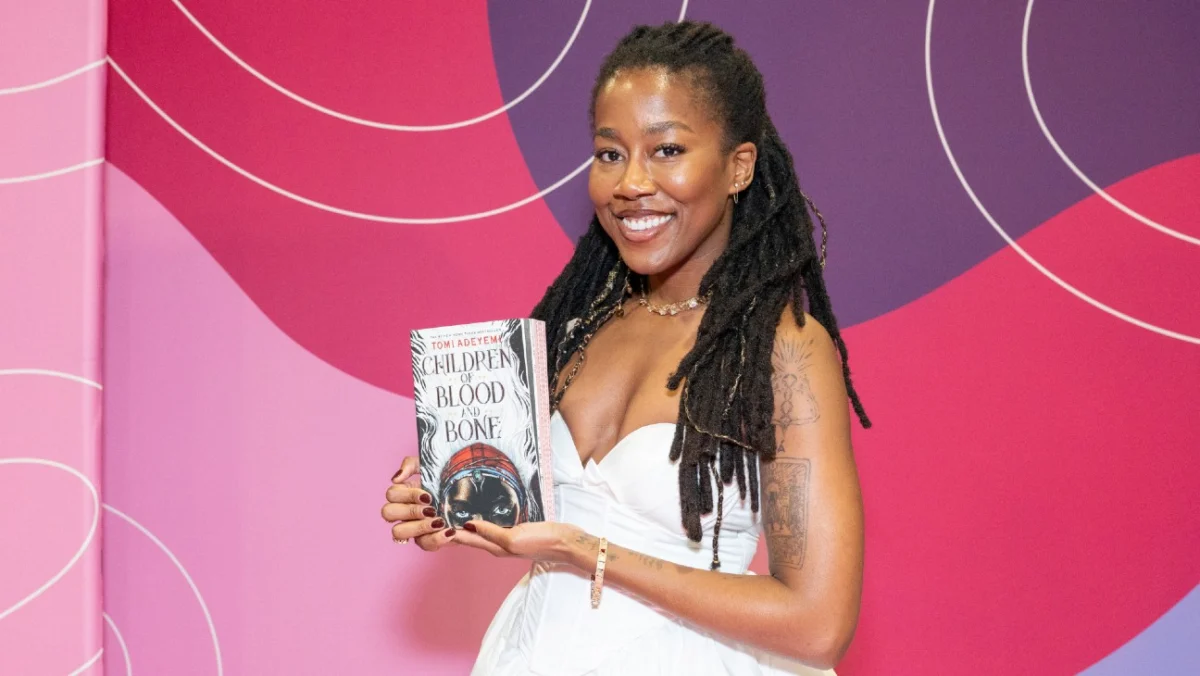
The literary and cinematic worlds were stunned this weekend when Tomi Adeyemi, the celebrated author of the blockbuster young adult fantasy novel Children of Blood and Bone, publicly distanced herself from the long-awaited Paramount Pictures film adaptation of her work. In a series of candid and emotionally charged messages shared via TikTok, Adeyemi signaled a definitive break from the project, which is currently slated for a January 15, 2027, theatrical release.
The revelation has sent shockwaves through the industry, casting a shadow over what was once considered one of the most promising adaptations in modern fantasy. The film, directed by the acclaimed Gina Prince-Bythewood and boasting a star-studded ensemble cast, has now become the epicenter of a complex, behind-the-scenes conflict involving its creator, its stars, and the creative stewardship of the beloved Legacy of Orïsha series.
The Core Conflict: A Public Severing of Ties
Adeyemi’s decision to break her silence came in response to persistent fan queries regarding her conspicuous absence from the film’s promotional cycle. For months, the author had remained quiet, a silence that many interpreted as professional distance. However, on Saturday, the author made it clear that her absence was a deliberate act of self-preservation.
"There is a reason I will not post anything about the adaptation of my work. That’s all," Adeyemi stated in a blunt message included in her video.
Perhaps most striking was the revelation of a direct, hostile communication sent by the author to actress Amandla Stenberg, who portrays Princess Amari in the film. The screenshot shared by Adeyemi read: "Do not ever use my name in an interview or video again. Do not text me. Do not call me." The post indicated that the author had subsequently blocked Stenberg, marking a total breakdown in communication between the creator of the source material and one of the film’s central stars.
Chronology of the Disconnect
To understand the severity of this rift, one must look at the timeline of events that led to this public declaration. The friction appears to have reached a boiling point in early 2025, specifically around the time of the aforementioned interaction between Adeyemi and Stenberg.
- February 2025: Stenberg, facing significant online discourse regarding colorism and the casting process for the film, posted a TikTok video in which she addressed the backlash. In that video, she cited support from Adeyemi regarding her casting. This post, which was intended to quell the controversy, seemingly triggered an intense, negative reaction from the author.
- The Post-2025 Silence: Following the February incident, the relationship between the author and the production team appears to have effectively collapsed. While the film continued its post-production phase, Adeyemi reportedly disengaged from all collaborative efforts.
- CinemaCon 2026 (Ref): Earlier this year, the project had presented a united front at CinemaCon, where director Gina Prince-Bythewood, alongside cast members including Stenberg, Thuso Mbedu, Damson Idris, Chiwetel Ejiofor, and Regina King, debuted the first footage of the film. At the time, the sentiment on stage was one of mutual respect and creative harmony, with Prince-Bythewood stating, "I’m honored to bring this incredible best-selling fantasy book to life."
- October 2026: Adeyemi’s Saturday post confirmed that she has not seen the finished film and has no intention of doing so. "It’s been painful holding this back from you all," she wrote.
Supporting Data: The Magnitude of the Adaptation
The stakes for Children of Blood and Bone were never small. Upon its 2018 release, the novel became a cultural phenomenon, topping The New York Times Best Seller list and earning critical acclaim for its world-building, which is rooted in West African Yoruba mythology. The kingdom of Orïsha, where magic was brutally suppressed by a tyrannical king, provided a powerful allegory for contemporary social justice movements, a theme that Adeyemi herself has championed throughout her career.
The film adaptation, which entered development with a seven-figure book deal, was positioned as a cornerstone of Paramount’s prestige fantasy slate. With a cast that includes heavyweights such as Viola Davis, Idris Elba, and Cynthia Erivo, the production was touted as a historic milestone for Black representation in big-budget fantasy cinema.
Adeyemi’s role was initially substantial; she is credited as an executive producer and co-screenwriter, working alongside Prince-Bythewood to translate her prose into a visual medium. This makes her sudden, vocal withdrawal even more jarring for stakeholders and fans who saw the author’s direct involvement as a guarantee of narrative integrity.
Official Responses and Industry Silence
As of this writing, neither Paramount Pictures nor representatives for Gina Prince-Bythewood or Amandla Stenberg have issued a formal response to the TikTok post. The industry is currently in a state of quiet observation, as PR teams navigate the delicate balance of promoting a massive, high-budget film while acknowledging the creator’s explicit condemnation of the production environment.
Adeyemi’s own tone has been one of resignation rather than antagonism toward the audience. When a fan expressed sadness at the rift, the author replied, "I do not mind anyone going to watch the film. I wrote this for us. I fought for us. I’m just laying down my sword and officially separating my name because I can’t keep being hurt and attacked behind the scenes."
This language—"laying down my sword" and "attacked behind the scenes"—suggests that the conflict is not merely a creative disagreement over the adaptation’s direction, but a deeply personal, systemic issue that occurred during the production process.
Implications for the Project and the Author
The implications of this fallout are manifold. First, for the film itself, the lack of support from the author creates a marketing challenge. Typically, YA adaptations rely heavily on the endorsement of the original novelist to energize the fanbase. With Adeyemi explicitly stating that she will not support or watch the film, the studio may struggle to maintain the "official" blessing that fans often crave.
Second, for the genre of YA adaptations, this incident highlights the volatility of the author-filmmaker relationship. When an author is deeply involved in the screenwriting process, the blurring of lines between creative ownership and studio authority can lead to friction. If the creator feels their vision is being undermined or their professional boundaries violated, the resulting conflict can be explosive.
Finally, for Adeyemi, this represents a pivot in her career. By "separating her name," she is attempting to reclaim her agency, even at the cost of the massive publicity machine that surrounds a project of this scale. Her message, "I will always care about US. More than any glitter," serves as a declaration that her commitment remains to her readers and the community she built, rather than the Hollywood apparatus.
As the release date for Children of Blood and Bone approaches, the film will be viewed through an entirely different lens. What was meant to be a celebration of Black fantasy and collaborative storytelling has become a testament to the fragility of creative partnerships. Whether the film can transcend this controversy remains to be seen, but one thing is certain: the legacy of Orïsha will now be defined by both the magic on the screen and the real-world heartbreak that occurred behind the scenes.


 Nana Wu
 Evan Lee Salim