

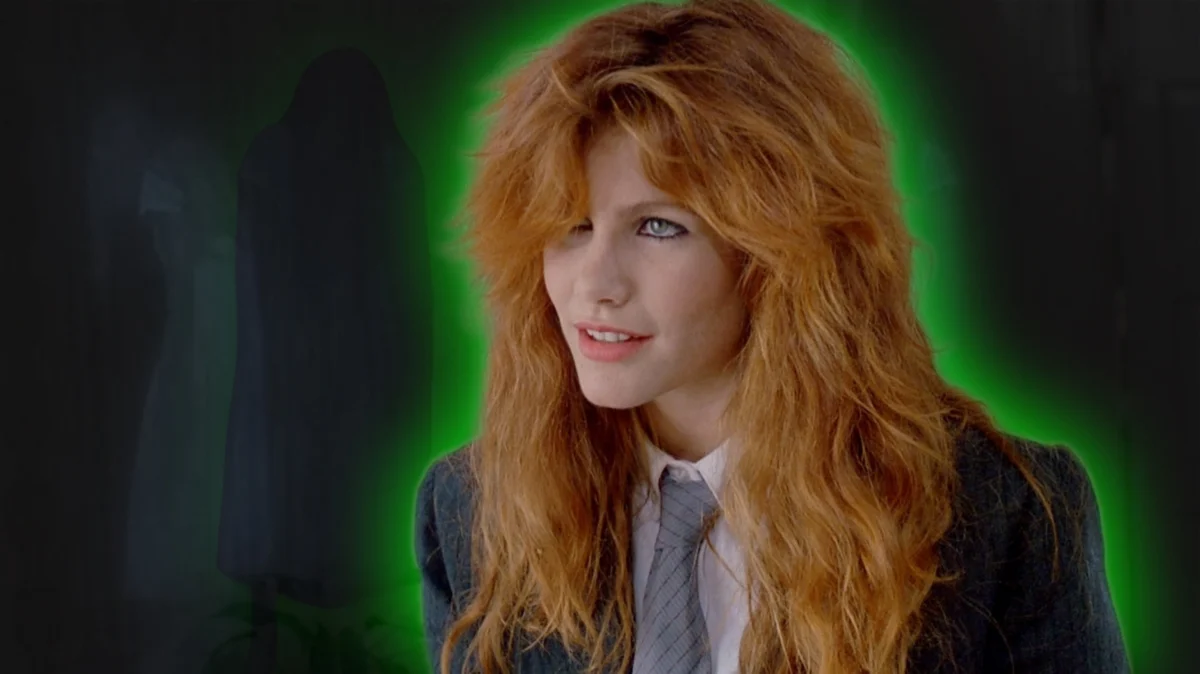
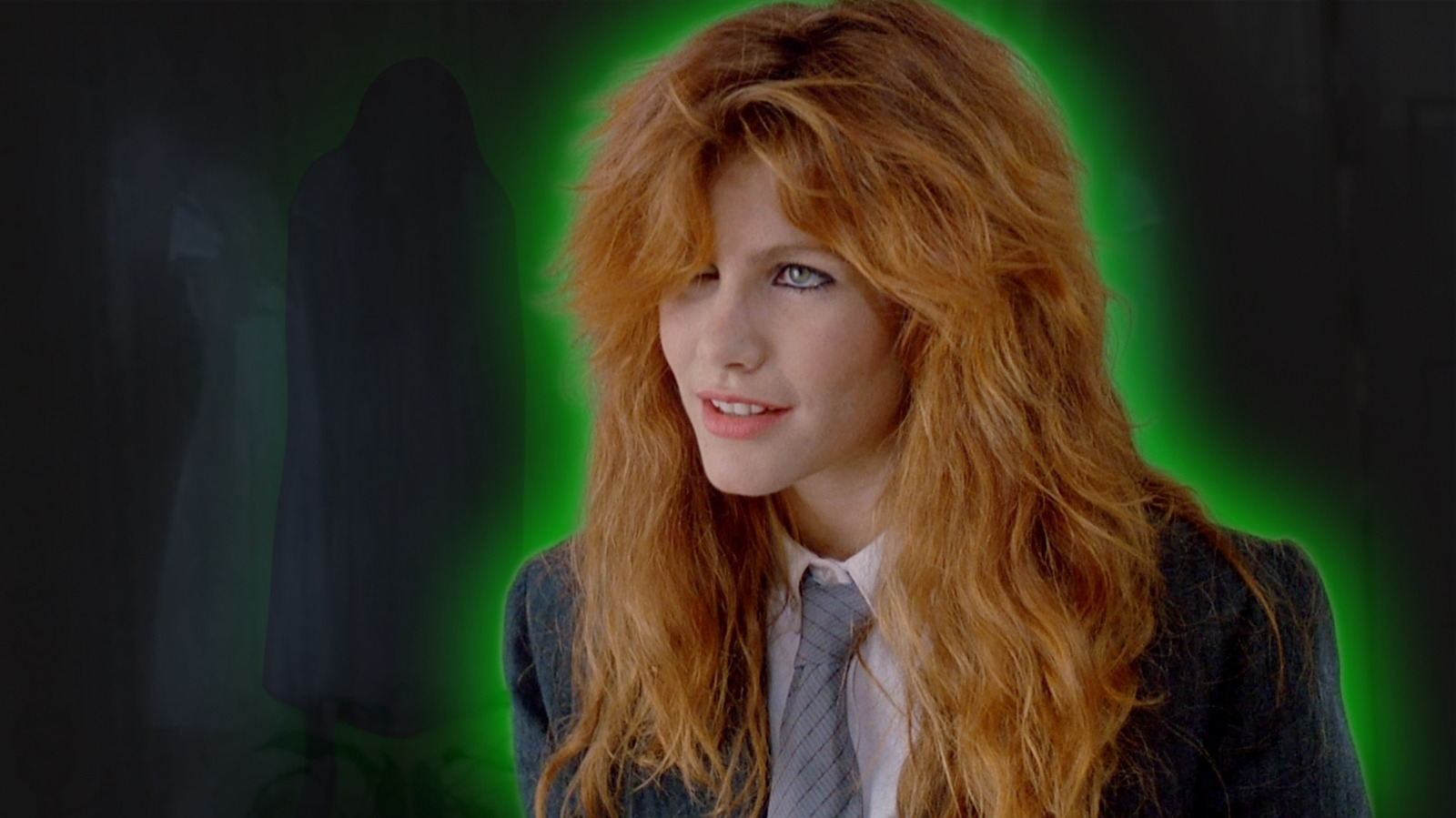
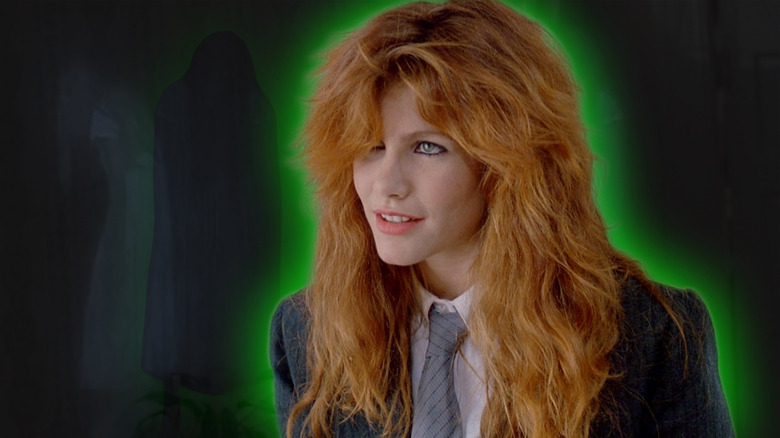
The human fascination with the spectral—the "other side"—is perhaps the most enduring theme in cinema. From the Victorian gothic ghost stories of the early 20th century to the modern, minimalist dread of films like Backrooms, our appetite for the paranormal remains insatiable. Ghosts serve as the ultimate narrative mirror: they are the physical manifestations of our regrets, our mortality, and the nagging suspicion that the spaces we inhabit are never truly empty.
While the cultural consciousness is currently dominated by high-budget franchises like The Conjuring or the classic jumpscares of the Insidious series, the history of ghost cinema is littered with brilliant, forgotten gems. These films, ranging from silent-era morality plays to quirky 90s supernatural comedies, offer more than just a cheap thrill. They invite us to confront the "transient nature of life." If we fail to honor the dead, will they demand our attention? Can spirits fall in love, or are they forever bound by their unfinished mortal business?
Here is an exploration of five overlooked cinematic experiences that demand a place on your watchlist.
The Phantom Carriage (1921): The Silent Foundation of Spectral Dread
The Premise of Eternal Penance
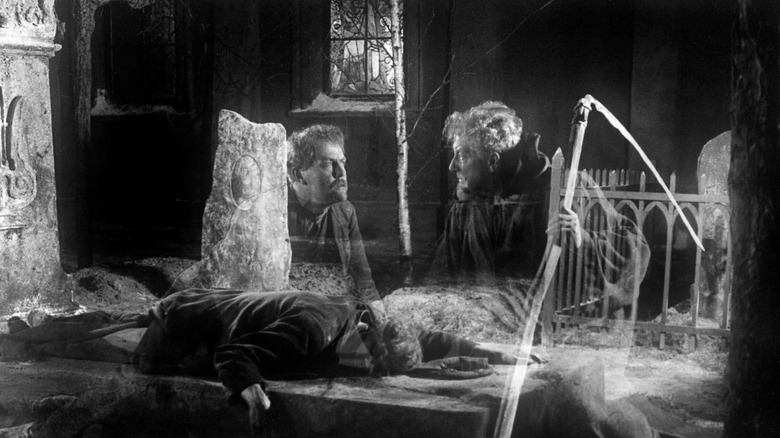
Long before modern jump-scares were invented, Swedish master Victor Sjöström crafted a haunting, poetic exploration of guilt with The Phantom Carriage (Körkarlen). Based on Selma Lagerlöf’s 1912 novel, the film introduces a grim piece of folklore: the last person to die in a calendar year is doomed to drive the titular carriage, acting as the collector of souls for the Grim Reaper throughout the following twelve months.
Narrative Chronology and Impact
The film centers on David (played by Sjöström himself), an irredeemable alcoholic spending a desolate New Year’s Eve in a cemetery. Upon his death in a drunken brawl, he encounters his predecessor, Georges (Tore Svennberg), who serves as a chilling, ghostly guide. Through a series of intricate, layered flashbacks—revolutionary for 1921—the audience witnesses David’s descent into misery, his destruction of his wife Anna’s life, and his ultimate refusal of redemption.
Legacy and Implications
It is impossible to overstate the influence of The Phantom Carriage. Ingmar Bergman, arguably the greatest director in the history of Swedish cinema, famously cited this film as a primary inspiration, watching it annually. Its sophisticated use of double exposure to create "ghostly" figures remains a masterclass in visual storytelling. Beyond its technical prowess, the film serves as a somber meditation on the futility of life and the moral weight we carry beyond the grave.
Kuroneko (1968): Vengeance in the Feudal Shadows
A Tale of Two Spirits
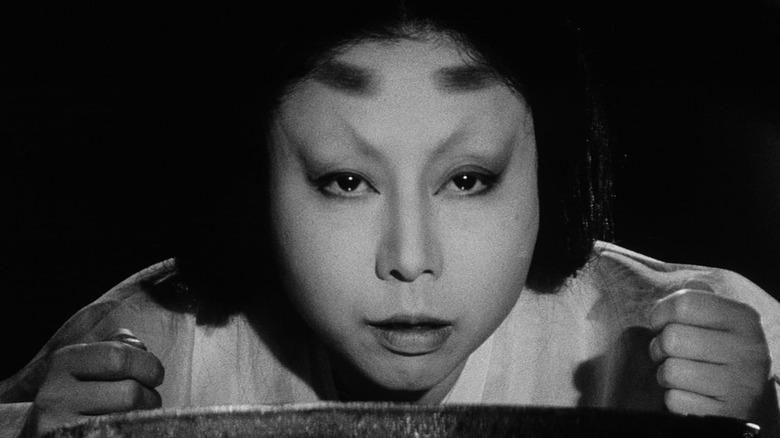
If Onibaba is the most famous work of Japanese director Kaneto Shindo, Kuroneko is its haunting, ethereal sister film. Set in a war-torn feudal Japan, the narrative follows Yone and her daughter-in-law, Shige, who are brutally assaulted and murdered by a group of wandering, lawless samurai.
The Supernatural Mechanism
A black cat appears over their corpses, seemingly acting as a conduit for their return to the mortal coil. Transformed into vengeful spirits, the women lure samurai into their isolated home, only to exact a gruesome, poetic justice. The tension peaks when Shige’s husband, Gintoki, returns from the wars as a decorated samurai—the very profession the ghosts have sworn to eradicate.
Why It Remains Relevant
Kuroneko operates with the precision of a dark fable. Shindo manages to balance the horror of the supernatural with a profound sense of tragic inevitability. The film is whisper-quiet, favoring eerie atmospheres and shadow play over the chaotic gore often found in contemporary horror. It is a vital piece of the Japanese New Wave, showcasing a director who understood that the most effective hauntings are those rooted in human suffering and social injustice.
Witchboard (1986): The Ouija Board as a Catalyst for Fear
Defining the 80s Horror Aesthetic
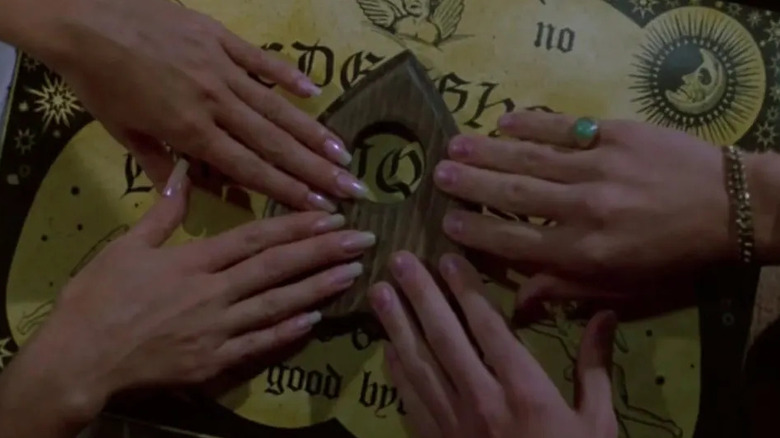
For many who grew up in the 1980s, Kevin Tenney’s Witchboard held a reputation as the "scariest movie ever made." While modern viewers may find it less terrifying than The Exorcist, it remains a highly effective, atmospheric piece of supernatural suspense that perfectly captures the paranoia surrounding occult dabbling.
The Plot and Conflict
The story follows a group of young adults who find a Ouija board and, despite the warnings of a skeptical friend, decide to contact a "dead child" named David. The protagonist, Linda, becomes increasingly obsessed with the spirit, unaware that "David" is a malevolent entity using her as a vessel to return to the world of the living. As the body count rises and the supernatural accidents become fatal, the film descends into a frantic struggle for survival.
Why It Still Holds Up
Witchboard is a textbook example of solid pacing. It treats its premise with a sincerity that many slashers of the era lacked. By focusing on the psychological erosion of its characters rather than just the supernatural threat, it creates a palpable sense of dread. It serves as a reminder that the most dangerous ghosts are those we invite into our homes, convinced that we are in control.
Slaughterhouse Rock (1988): When Heavy Metal Meets the Macabre
The Subgenre of "Heavy Metal Horror"
The 1980s was a decade of moral panic, with heavy metal music frequently targeted by politicians and activists as a corrupting influence. Filmmakers, sensing an opportunity, created a niche subgenre that took these fears literally. Slaughterhouse Rock, directed by Dmitri Logothetis, stands out as the most whimsical, bizarre, and memorable entry in this strange pantheon.
The Narrative Hook
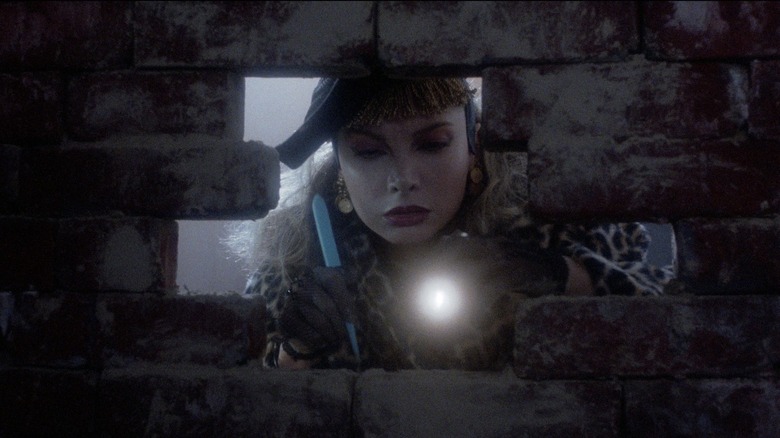
The plot is pure 80s gold: Alex (Nicholas Celozzi) suffers from recurring nightmares involving a serial killer once held at Alcatraz. Alongside his friends, he travels to the infamous prison to uncover the truth, only to find himself dealing with a ghost possessing his brother.
The "Toni Basil" Factor
The film’s secret weapon is pop-icon-turned-actress Toni Basil, who plays a ghostly former rock star named Sally. She is, quite simply, the soul of the movie. Her performance is eccentric, punctuated by a surreal dance number that defies logic but perfectly encapsulates the film’s wild energy. With a score by Mark Mothersbaugh and Jerry Casale of DEVO, Slaughterhouse Rock is an essential cult artifact that bridges the gap between horror, camp, and rock-and-roll rebellion.
Heart and Souls (1993): The Emotional Complexity of the Afterlife
A Masterclass in Character Performance
While most ghost movies focus on terror, Ron Underwood’s Heart and Souls approaches the supernatural with profound emotional intelligence. The film follows four people who die in a bus accident in 1959, only to become "guardian ghosts" to a newborn child named Thomas.
The Evolution of the Story
Decades later, when Thomas (Robert Downey Jr.) is an adult, the ghosts reappear with a mission: they have one final chance to settle their earthly affairs before moving on. The film’s high-concept hook—the ghosts taking turns possessing Thomas—allows Downey Jr. to deliver a tour-de-force performance. He seamlessly shifts between the personas of the four spirits (played by Tom Sizemore, Kyra Sedgwick, Alfre Woodard, and Charles Grodin), capturing their distinct voices, mannerisms, and emotional baggage.
The Philosophical Implication
Heart and Souls is arguably one of the most underrated films in Robert Downey Jr.’s career. It tackles the concept of "unfinished business" with genuine warmth rather than horror. It asks the audience to consider what they would leave behind if their time were cut short. By balancing whimsy with raw, human honesty, the film succeeds where many others fail: it makes the audience care as much about the ghosts as they do about the living.
Conclusion: The Persistence of the Past
Whether through the lens of moral judgment in The Phantom Carriage, the cycle of vengeance in Kuroneko, the chilling curiosity of Witchboard, the campy excess of Slaughterhouse Rock, or the emotional catharsis of Heart and Souls, these five films prove that the ghost story is a versatile vehicle for storytelling. They remind us that while the living may attempt to move forward, the past is never truly dead—it is only waiting for the right moment to make its presence known.
In a modern era obsessed with jump-scares and CGI, these forgotten classics remind us that true fear and genuine wonder are found in the stories we tell about the ones who have gone before us.










