Neng Nana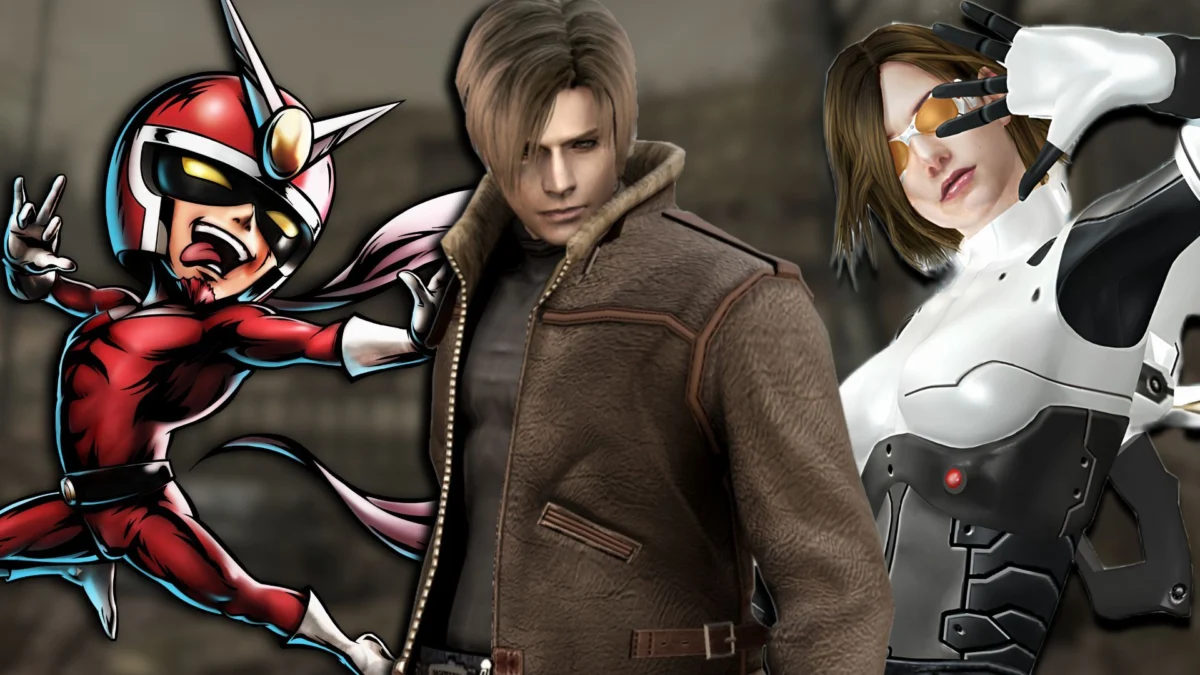
In the volatile landscape of the video game industry, the relationship between hardware manufacturers and third-party software developers is often the difference between a market leader and a forgotten relic. While Nintendo, Sony, and Microsoft have all navigated the treacherous waters of third-party support with varying degrees of success, few partnerships have been as symbiotic or as tumultuous as the one between Nintendo and Capcom.
For decades, Capcom served as a reliable pillar of support for Nintendo’s hardware, even during the company’s most vulnerable periods. Yet, it was during the early 2000s—a time when Nintendo’s dominance was being severely challenged by the rising tide of the Sony PlayStation 2 and the arrival of Microsoft’s Xbox—that this relationship reached its most ambitious and ultimately tragic peak: the "Capcom Five."
An Era of Technological Limitations
To understand the desperation that birthed the Capcom Five, one must look back at the technological divide of the 1990s. For the better part of two decades, video game consoles were tethered to the constraints of cartridge-based media. While cartridges offered near-instant load times and durability, they were prohibitively expensive to manufacture and significantly limited by storage capacity compared to the emerging CD-ROM technology.
As the industry transitioned into the mid-90s, developers began to crave the vast storage capacity of CDs to facilitate high-quality pre-rendered cinematics, orchestral soundtracks, and sprawling, cinematic experiences. While the PC Engine and various add-ons attempted to bridge this gap, the Sony PlayStation and Sega Saturn cemented the CD as the industry standard.

Nintendo, however, doubled down on its commitment to cartridges for the Nintendo 64. While the N64 was technically superior in terms of raw polygons, the storage limitations meant Nintendo missed out on landmark third-party epics like Final Fantasy VII and Metal Gear Solid. These titles migrated to the PlayStation, fundamentally shifting the cultural zeitgeist of gaming away from the "N-word" and toward Sony’s "Cool" aesthetic. Throughout this exodus of third-party support, Capcom remained an outlier, displaying profound loyalty by bringing ports like Resident Evil 2 to the N64—a technical marvel that remains a testament to the talent of the developers involved.
The GameCube and the Sixth-Generation Crisis
By the time the GameCube launched in 2001, the industry had moved into the sixth generation. Sony was firmly entrenched with the PlayStation 2, and Microsoft had entered the fray with the Xbox. Nintendo’s decision to utilize a proprietary MiniDVD format was a compromise that ultimately failed to alleviate the hardware’s struggle for relevance.

The GameCube was a powerful, charming, and user-friendly machine, yet it suffered from a perception problem. It was viewed as "kiddie" in comparison to the mature offerings on the PS2 and Xbox. As third-party support began to wane, Nintendo found itself in a precarious position. The company was losing the hardware war, and the loss of momentum threatened to push them out of the console race entirely.
It was during this period of existential dread that Nintendo and Capcom engaged in high-level discussions. The result was a radical strategy designed to prove that the GameCube was a home for serious, mature, and cutting-edge gaming: an exclusive partnership that would become known as the "Capcom Five."
The Grand Plan: The Capcom Five
At a surprise press event in Japan in 2002, the gaming world was stunned by the announcement of five exclusive titles destined for the GameCube. This move was a desperate, bold swing intended to drive hardware sales and showcase the GameCube’s power to the hardcore gaming demographic. The lineup was eclectic and promised a new direction for the console:
- Viewtiful Joe: A stylish, cel-shaded side-scrolling beat-’em-up that utilized the GameCube’s unique aesthetics to create something visually timeless.
- P.N.03: A futuristic third-person shooter directed by the legendary Shinji Mikami, focusing on fluid, rhythmic combat.
- Dead Phoenix: An ambitious aerial combat game that promised high-octane action.
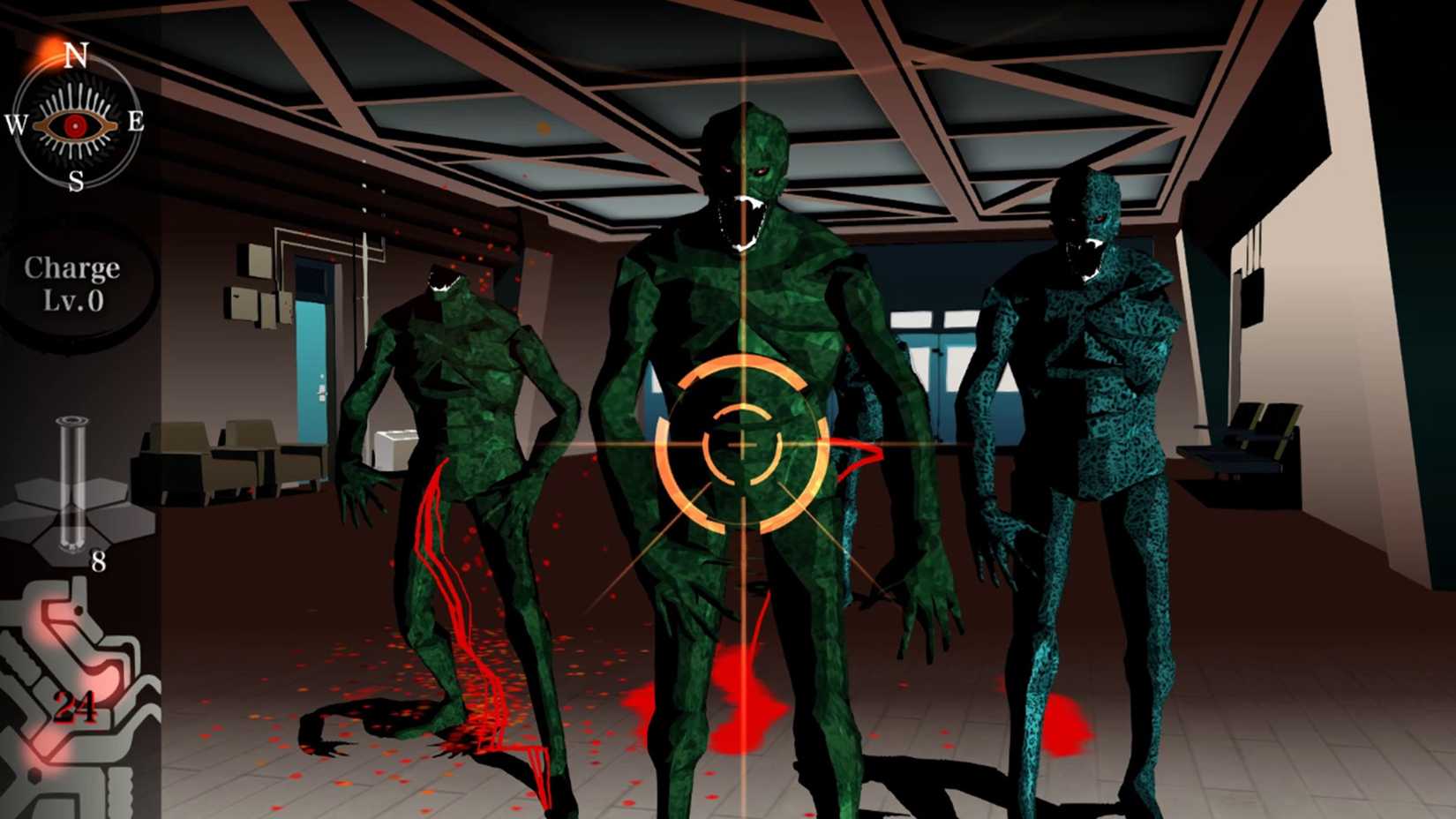
- Killer7: A surreal, stylized on-rails shooter from the mind of Goichi Suda (Suda51), which pushed the boundaries of narrative and visual art in games.
- Resident Evil 4: The crowning jewel of the project, a game that would reinvent the survival horror genre from the ground up.
Chronology of a Failed Launch
The "Capcom Five" initiative was meant to be the savior of the GameCube, but the reality of the market proved far harsher than the boardroom projections.
- 2002: The announcement generates immense hype, briefly revitalizing interest in the GameCube.
- 2003: P.N.03 is released to lackluster critical reception and abysmal sales, signaling that the "exclusive" strategy might not be a silver bullet.
- 2004: Viewtiful Joe receives critical acclaim but fails to move hardware units in significant numbers. Dead Phoenix is quietly canceled, signaling the collapse of the project’s original scope.
- 2005: Resident Evil 4 is released to universal acclaim, becoming a cultural phenomenon. However, it arrives late in the GameCube’s life cycle, and Capcom eventually announces ports to the PlayStation 2, breaking the "exclusive" promise and stripping the GameCube of its main selling point.
- 2005: Killer7 sees a multiplatform release, further cementing the end of the Capcom Five as a cohesive exclusive strategy.
The Implications: Why It Failed
The failure of the Capcom Five is one of the most studied case studies in video game publishing. While the games themselves were, by and large, high-quality (with the exception of the panned P.N.03), the initiative failed for three primary reasons:
1. The Hardware Gap: By 2005, the install base of the PlayStation 2 was so massive that third-party developers could not justify locking a game to a console with a smaller market share. When Capcom decided to port Resident Evil 4 to the PS2, it was a business decision born of necessity, but it effectively signaled that the GameCube had lost the battle for third-party commitment.
2. The "Kiddie" Perception: Despite titles like Killer7 and Resident Evil, the broader market perception of the GameCube as a platform for Nintendo’s first-party family titles proved too difficult to overcome. One or two "mature" games were not enough to shift the momentum of the entire platform.
3. The Lack of Strategic Synergy: The games were not a unified brand; they were five distinct projects that happened to be released on the same console. They lacked a shared marketing narrative that could convince the average consumer to go out and buy a GameCube specifically for this software.
The Legacy and the Modern Nintendo
While the Capcom Five failed to save the GameCube’s market share, it had a profound impact on the future of both companies. For Capcom, it was a hard lesson in the realities of exclusivity. For Nintendo, the failure of this project acted as a catalyst for a fundamental identity shift.
Nintendo realized that trying to compete directly with Sony and Microsoft on hardware power and third-party-heavy portfolios was a losing game. The "failure" of the Capcom Five helped guide Nintendo toward the philosophy that would eventually define the Wii, the Nintendo DS, and the Nintendo Switch: hardware as a vehicle for unique, platform-exclusive experiences that cannot be replicated elsewhere.
The Nintendo of today—a company that prioritizes innovation and its own internal library of high-quality, genre-defining titles—was born from the ashes of the GameCube’s struggles. The Capcom Five remains a fascinating, bittersweet chapter in gaming history—a bold, failed experiment that taught the industry that in the world of consoles, identity is often more valuable than raw power.

 Reynand Wu
 Iffa Jayyana