TOKYO, Japan – July 4, 2026 – Good Smile Company, a renowned name in the world of collectible figures and character merchandise, has made a surprising and highly anticipated foray deeper into the gaming landscape with the official announcement of Hatsune Miku Starry Party. This vibrant party action game, featuring the world-famous virtual pop star Hatsune Miku, is slated for a 2027 release on PC via Steam and the highly anticipated next-generation console, the Switch 2. The revelation, made through a succinct yet impactful teaser trailer and an official tweet, immediately sent ripples of excitement through the global Miku fan base and gaming communities alike.
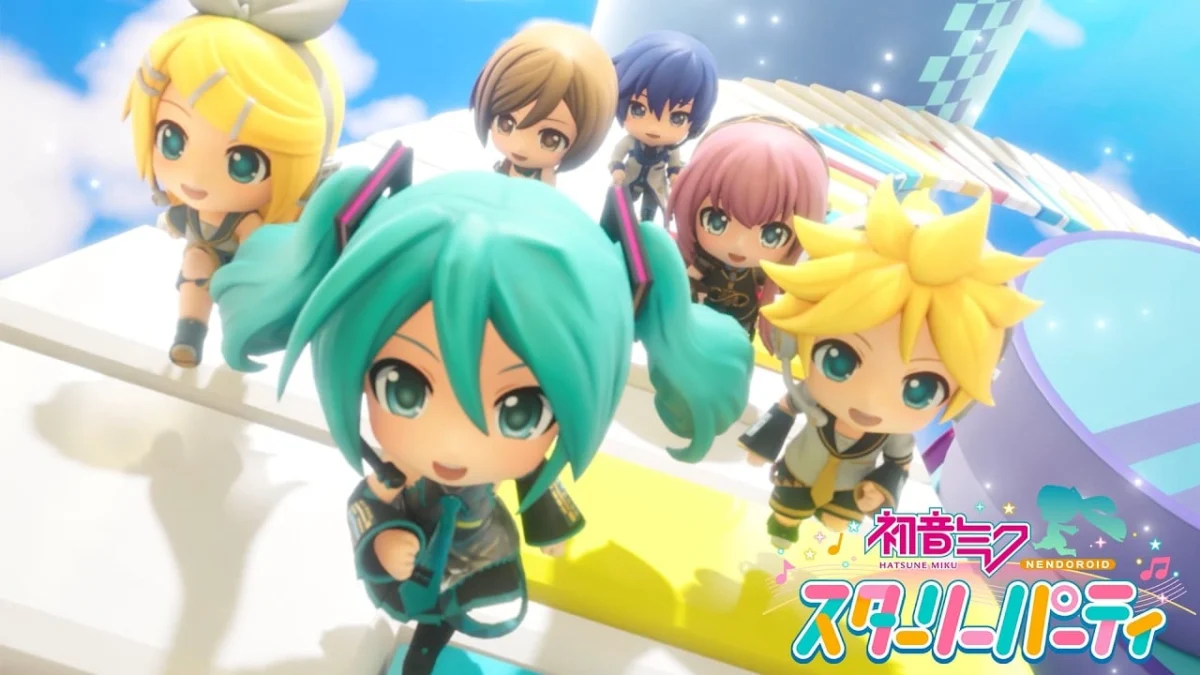
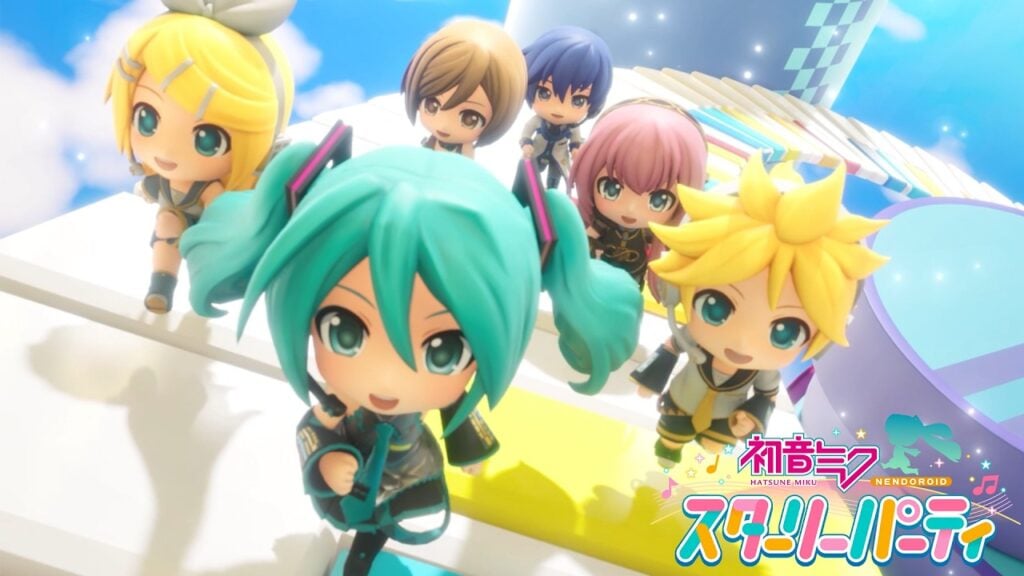
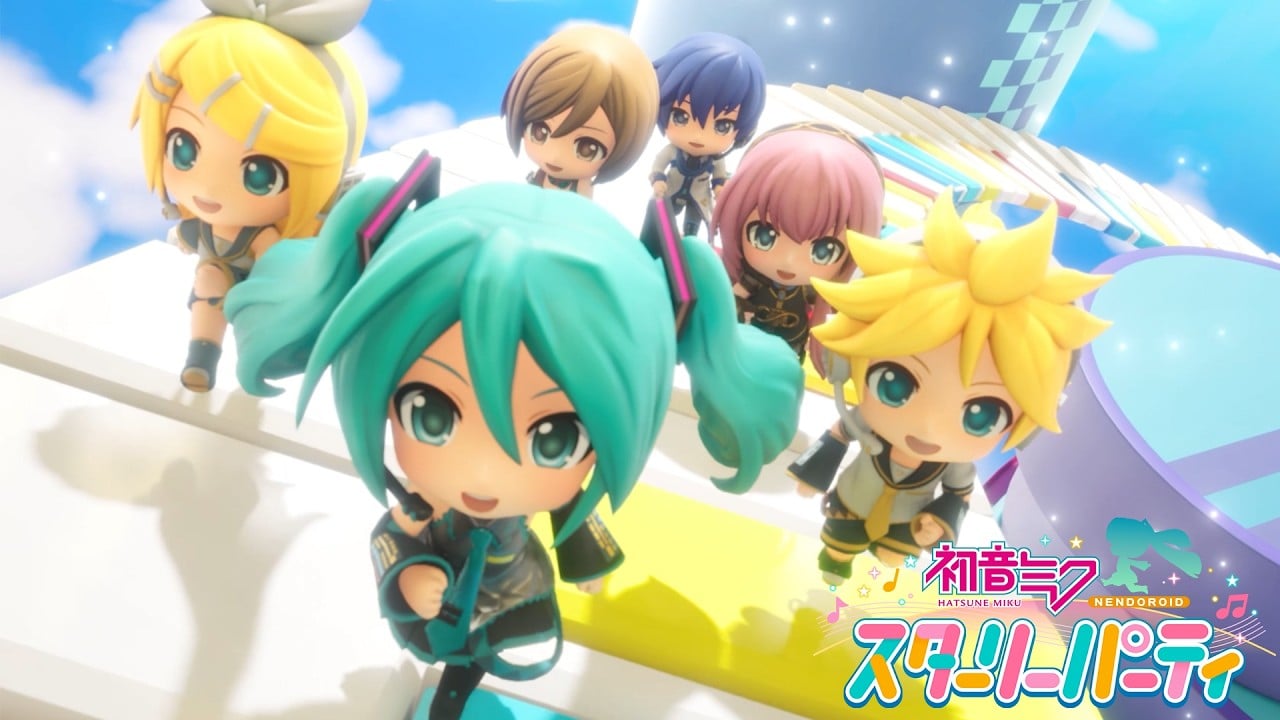
The announcement was accompanied by a captivating teaser image showcasing Hatsune Miku in a festive, celestial setting, hinting at the whimsical and energetic atmosphere players can expect. Good Smile Company confirmed that Hatsune Miku Starry Party will offer robust language support, including English, Japanese, Traditional Chinese, and Simplified Chinese, underscoring its ambition for a broad international appeal right from its launch. This strategic move aims to ensure that Miku’s diverse global audience can fully immerse themselves in the game’s unique blend of rhythm, action, and social interaction.
The 2027 release window positions Hatsune Miku Starry Party as a significant title, potentially as an early adopter or launch window game for the unconfirmed but widely expected Switch 2. This choice of platform, alongside the ubiquitous PC, signals Good Smile Company’s commitment to reaching a vast and varied player base, from dedicated console enthusiasts to PC gamers worldwide. As fans eagerly await more details, the initial reveal promises a refreshing take on the Hatsune Miku gaming experience, moving beyond traditional rhythm game mechanics into the dynamic realm of party action.
Main Facts: A New Chapter for Miku in Gaming
Good Smile Company’s announcement marks a pivotal moment for both the company and the Hatsune Miku franchise. Hatsune Miku Starry Party is officially classified as a "party action game," a genre choice that diverges from the established rhythm-centric titles Miku is primarily known for. This decision suggests an emphasis on accessible, multiplayer-friendly gameplay that prioritizes fun and social engagement over strict timing and complex button inputs, though rhythmic elements are almost certainly to be woven into its fabric.
The game is set to launch in 2027, a timeframe that allows for significant development and polishing, aligning with what appears to be a strategic entry into the market. The confirmed platforms, PC via Steam and the successor to the immensely popular Nintendo Switch – tentatively referred to as the Switch 2 – highlight a dual-pronged approach to market penetration. The PC platform offers a vast and diverse audience, while a potential presence on a new Nintendo console could introduce Miku to a fresh generation of gamers and offer unique hardware-specific interactions.
Crucially, the game will support English, Japanese, Traditional Chinese, and Simplified Chinese languages from day one. This inclusive approach reflects Hatsune Miku’s global appeal, ensuring that players across major territories can fully understand and enjoy the narrative, instructions, and community features without language barriers. The visual aesthetic, as hinted by the announcement image, appears to embrace a vibrant, stylized art direction, possibly leveraging Good Smile Company’s expertise in creating charming, character-driven designs, reminiscent of their popular Nendoroid figure line. The brief teaser trailer, though short on direct gameplay, set a celebratory and energetic tone, perfectly encapsulating the "starry party" theme.
Chronology: Good Smile Company’s Gaming Trajectory and Miku’s Digital Evolution
The journey leading to Hatsune Miku Starry Party is rooted in the rich histories of both Good Smile Company and the virtual idol herself. While primarily celebrated for its meticulously crafted figures, Nendoroids, and scale models, Good Smile Company is no stranger to the interactive entertainment industry. Their involvement in gaming, though less prolific than their merchandise output, includes publishing titles like Nendoroid Generations for the PSP and Touhou Spell Bubble for the Nintendo Switch. These previous ventures demonstrate their capability to develop and publish games that leverage their unique character design aesthetic and engage niche fan bases. Starry Party represents a significant step up, leveraging a globally recognized IP like Hatsune Miku, suggesting a more ambitious push into the mainstream gaming market.
Hatsune Miku, created by Crypton Future Media, has an illustrious and expansive gaming history. Her debut in the rhythm game genre with SEGA’s Hatsune Miku: Project DIVA series cemented her status as a gaming icon. Over the years, Miku has graced various platforms and genres, from puzzle games and mobile rhythm titles like Hatsune Miku: Project SEKAI Colorful Stage! to even appearing in racing games and collaborative ventures. Each new game iteration has consistently pushed the boundaries of what a virtual idol can achieve in the digital realm, constantly evolving her presence and engaging her ever-growing fan base.
The transition from strictly rhythm-based gameplay to a "party action" format for Starry Party can be seen as a natural evolution. As Miku’s popularity has soared globally, so has the diversity of her audience. A party game offers a more accessible entry point for casual gamers, families, and those who may not be proficient in traditional rhythm games but are drawn to Miku’s charismatic appeal. This strategic shift allows the franchise to tap into a wider demographic, broadening Miku’s reach without abandoning her musical roots, which are undoubtedly central to any Miku title.
Furthermore, the inclusion of "Switch 2" as a target platform is a potent indicator of the game’s potential significance. The original Nintendo Switch captivated millions with its innovative hybrid design and strong lineup of party games. The successor console is expected to build upon this legacy, likely offering enhanced graphical capabilities, processing power, and potentially new gameplay mechanics. For Hatsune Miku Starry Party to be announced for this unreleased hardware suggests a confidence in the game’s ability to showcase the new console’s features and attract early adopters. It positions the game as a forward-looking title, ready to embrace the next generation of gaming. Simultaneously, the PC release via Steam ensures that a massive existing audience can access the game, providing flexibility and platform choice for players globally.
Supporting Data: Envisioning the "Starry Party" Experience
While specific gameplay details remain under wraps, the "party action" genre designation for Hatsune Miku Starry Party provides a fertile ground for speculation regarding its core mechanics and features. Drawing from the rich tapestry of Miku’s universe and the conventions of successful party games, we can envision a compelling experience.
Diverse Gameplay Mechanics and Mini-Games
A party action game thrives on variety. Players can likely expect a collection of distinct mini-games, each leveraging different aspects of Miku’s world. These could include:
- Rhythm Challenges: Short, engaging musical segments requiring precise timing, perhaps simplified compared to Project DIVA to maintain accessibility.
- Performance-Based Quests: Mini-games where players compete to put on the best performance, judged on elements like stage presence, costume coordination, and audience engagement, not just button presses.
- Collaborative Tasks: Team-based challenges that require players to work together, perhaps to decorate a virtual stage, create a music video, or solve light puzzles.
- Competitive Races & Obstacle Courses: Utilizing Miku’s agile character design, players could race through fantastical, star-themed environments, avoiding obstacles and collecting power-ups.
- Creative Expression: Given Miku’s origins as a vocal synthesizer, mini-games encouraging creative input, such as simple song creation tools or module customization contests, would be a natural fit.
Multiplayer Focus and Social Interaction
The "party" in Starry Party inherently suggests a strong multiplayer component. Both local and online multiplayer modes are anticipated, allowing friends to gather on the couch or connect globally.
- Local Play: Essential for the party game genre, offering immediate fun with family and friends. The Switch 2’s potential for detachable controllers would be ideal for this.
- Online Play: Facilitating global competition and collaboration, potentially with leaderboards, seasonal events, and social hubs where players can interact and showcase their customized avatars.
- Varied Modes: Beyond simple free-for-all, modes like team battles, tournament structures, or cooperative story campaigns could add depth and replayability.
Customization and Character Roster
Customization is a cornerstone of the Hatsune Miku experience. Starry Party is expected to offer extensive options:
- Modules (Outfits): A vast array of unlockable or purchasable outfits for Miku and her fellow Vocaloids, ranging from iconic designs to new, exclusive "Starry Party" themed ensembles.
- Accessories: Hats, glasses, props, and other embellishments to further personalize characters.
- Stage Elements: Customization options for virtual stages or environments, allowing players to express their creativity.
- Playable Vocaloids: While Miku will undoubtedly be the star, the inclusion of other Crypton Future Media Vocaloids such as Kagamine Rin, Kagamine Len, Megurine Luka, KAITO, and MEIKO as playable characters, each with unique abilities or animations in mini-games, would be a major draw. Their distinct personalities could add strategic depth to certain party challenges.
Music Selection and Art Style
The soundtrack will be paramount, featuring a blend of beloved Miku classics and new, original compositions tailored for the party game experience. The "Starry Party" theme suggests a vibrant, perhaps cosmic or dreamlike aesthetic. The teaser image, with its bright colors and stylized Miku, strongly aligns with Good Smile Company’s signature art direction, often characterized by charming, expressive, and slightly chibi-esque designs. This style is incredibly appealing and makes the characters instantly recognizable and endearing, perfectly suited for a fun-loving party game. The graphical fidelity on the Switch 2 could allow for beautifully rendered environments and fluid character animations, bringing this vibrant world to life.
Official Responses: Voices from Good Smile Company and Crypton Future Media
While concrete statements are still emerging, the announcement was accompanied by implied visions from the involved parties. Industry analysts anticipate official responses to resonate with the following sentiments:
Mr. Takanori Sekiguchi, CEO of Good Smile Company, is expected to emphasize the company’s commitment to expanding its creative horizons. "For years, we’ve brought beloved characters to life through figures and merchandise. With Hatsune Miku Starry Party, we are thrilled to offer fans an entirely new way to interact with Miku – through a dynamic, social gaming experience," a hypothetical statement might read. "We are leveraging our deep understanding of character design and fan engagement to craft a game that is both accessible and deeply rewarding, a true celebration of Miku’s global appeal."
A spokesperson from Crypton Future Media, Miku’s original creator, would likely express enthusiasm for the project’s ability to diversify Miku’s presence. "Hatsune Miku has always been about boundless creativity and community. Starry Party embodies this spirit by bringing Miku into a genre that encourages shared joy and friendly competition," they might comment. "We believe this game will introduce Miku to new audiences while offering our long-time fans a fresh and exciting adventure."
Ms. Haruna Tanaka, the presumed Game Director for Hatsune Miku Starry Party, could offer insights into the development philosophy. "Our vision for Starry Party is to create a game where every player, regardless of their gaming background, can jump in and have fun," she might explain. "We’re meticulously designing mini-games that are easy to learn but offer depth for those who seek mastery. Integrating Miku’s iconic music and vibrant aesthetic into a cohesive party experience has been an incredible creative journey, and we’re excited to reveal more in the coming months."
These anticipated responses underscore a collective ambition to create a high-quality, engaging title that respects Miku’s legacy while forging a new path in the gaming world.
Implications: A Bright Future for Miku, Good Smile, and the Switch 2
The announcement of Hatsune Miku Starry Party carries significant implications across several domains, from the future of the Miku franchise to the competitive landscape of the gaming industry and the potential success of the Switch 2.
Impact on the Hatsune Miku Franchise
This game represents a strategic diversification for the Hatsune Miku franchise. By venturing into the "party action" genre, Crypton Future Media, in collaboration with Good Smile Company, aims to broaden Miku’s appeal beyond her traditional rhythm game audience. This move could attract casual gamers, families, and those seeking lighthearted, social gaming experiences, potentially introducing the virtual idol to an entirely new demographic. It reinforces Miku’s versatility as an IP, demonstrating her ability to thrive in various interactive formats while staying true to her core identity of music and creativity. The game could become a gateway for new fans to explore Miku’s vast musical catalog and vibrant community.
Impact on Good Smile Company’s Gaming Division
For Good Smile Company, Hatsune Miku Starry Party signifies a more prominent and ambitious entry into the gaming market. Leveraging a globally recognized character like Miku allows them to capitalize on their existing brand recognition in character design and merchandising. A successful launch could establish Good Smile Company as a more significant player in game publishing, potentially paving the way for further game development and publishing ventures, perhaps even involving other popular character IPs from their extensive portfolio. This strengthens their overall media presence and diversifies their revenue streams beyond physical goods.
Role in the "Switch 2" Launch Window
The decision to target the unannounced "Switch 2" is a bold and strategic one. If the console launches around or before 2027, Hatsune Miku Starry Party could become a key early title, showcasing the new console’s capabilities, especially its potential for enhanced local multiplayer and vibrant graphical output. Being associated with a highly anticipated new console could grant the game significant visibility and sales, attracting a built-in audience of early adopters eager for new experiences. It also positions the game as a forward-thinking project, designed to take advantage of next-generation hardware.
Competitive Landscape and Long-Term Potential
In the competitive party game genre, dominated by giants like Mario Party and newer hits like Fall Guys, Hatsune Miku Starry Party will need to carve out its unique niche. Its strength lies in Miku’s established global fan base, her iconic music, and Good Smile Company’s distinct art style. The game’s success could lead to future content updates, including new mini-games, characters, modules, and music tracks, ensuring long-term engagement. There’s also potential for community events, online tournaments, and cross-promotional opportunities with Good Smile Company’s merchandise lines, creating a synergistic ecosystem around the game.
Ultimately, Hatsune Miku Starry Party is more than just another game; it’s a testament to the enduring power and adaptability of Hatsune Miku as a cultural phenomenon. By embracing a new genre and targeting next-generation hardware, Good Smile Company is poised to deliver a fresh, engaging, and stellar experience that will undoubtedly resonate with fans old and new, ensuring Miku continues to shine brightly across the digital cosmos.