
 Layla Zulfa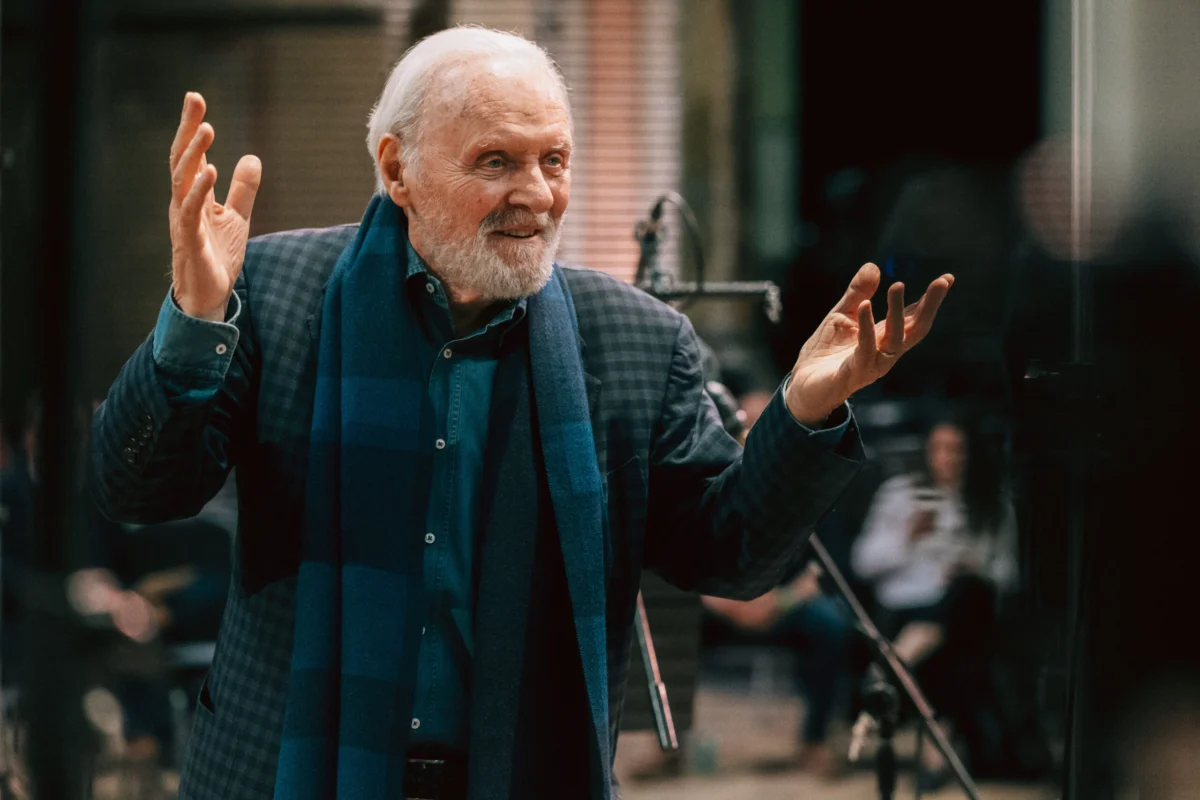
For global audiences, Sir Anthony Hopkins is synonymous with the chilling intensity of Hannibal Lecter or the nuanced gravitas of an Oscar-winning lead actor. Yet, behind the scenes of his legendary cinematic career, a different kind of performance has been unfolding for over sixty years. Today, the world is invited to step into that private soundscape, as the 88-year-old icon prepares to release Life Is a Dream, a monumental collection of original compositions signed to the prestigious Decca Classics label.
This upcoming album, scheduled for release on August 21, is not merely a celebrity vanity project; it is the culmination of a lifelong devotion to the piano and the pen, bridging the gap between a career defined by dialogue and a soul expressed through melody.
The Genesis of a Lifelong Passion: Chronology and Context
While the world knows him for his work in The Silence of the Lambs, The Father, and The Remains of the Day, the genesis of Hopkins’ musical journey predates his stage debut. His relationship with the piano began at the age of four, a childhood anchor that would eventually evolve into a sophisticated, self-taught mastery of the craft.
A Timeline of Musical Evolution
- The Early Years (1940s): Growing up in Margam, South Wales, the young Hopkins found solace in the piano. By his pre-teens, he was already tackling the complex structures of Beethoven and Chopin.
- Adolescence: As a teenager, Hopkins began composing incidental music for local theater productions, marking his first foray into "storytelling through sound."
- The Hidden Decades: Throughout his decades-long acting career, Hopkins never abandoned the instrument. He composed intermittently, often keeping these works private, though he occasionally teased his musical prowess to the public.
- 2012: A milestone in his musical career occurred when he received a Classic Brit Award for Album of the Year for his contributions to And the Waltz Goes On.
- 2025: Hopkins made his live performance debut in Saudi Arabia, presenting Life Is a Dream with the Royal Philharmonic Orchestra—a test run for the massive undertaking now coming to fruition.
- 2026: The formal partnership with Decca Classics is announced, bringing together his entire body of work for a global release.
The centerpiece of this project, Life Is a Dream, features the Philharmonia Orchestra under the baton of world-renowned conductor Gustavo Dudamel. The first single, "Bracken Road," serves as a poignant gateway into the album. Derived from his 1947: Suite for Solo Piano and Orchestra, the piece acts as a sonic tapestry, painting a vivid, nostalgic portrait of the streets, meadows, and mountains that defined his Welsh upbringing.
The Art of the Narrative: Supporting Data and Compositional Style
What distinguishes Hopkins’ compositions is their deeply autobiographical nature. Unlike traditional classical works that follow rigid structural tropes, Hopkins’ music functions as a memoir. His compositions are often inspired by the minutiae of his existence: the Welsh landscape of his childhood, the influence of his wife, the innocence of his niece, and his profound, lifelong love of cinema.
The Compositional Palette
The album’s tracklist is a map of his life:
- "My Fatherland": A piece deeply rooted in traditional Welsh melodies, reflecting his cultural heritage and the emotional landscape of his roots.
- Cinematic Influences: Several tracks on the album draw inspiration from the rhythmic tension and emotional swells found in film scores, a medium he has spent a lifetime mastering as an actor.
- Collaborative Excellence: The project boasts a high-caliber list of contributors. Alongside the Philharmonia Orchestra, the album features cellist Gregorio Nieto and pianist Sergio Tiempo. These virtuosos have been tasked with interpreting the "sound worlds" Hopkins has cultivated in isolation for decades.
Hopkins, a self-taught composer, describes his process not as a technical exercise, but as a visceral necessity. "Music was my first desire, my first wish," he noted in a recent statement. "I’ve been composing music all my life. Some of these pieces have lived with me for decades and I still find myself returning to them."
Official Responses: A Convergence of Artistic Titans
The collaboration between Hopkins and Decca Classics has been met with universal acclaim from within the industry. The partnership is viewed not just as a signing, but as a historical documentation of a polymath’s legacy.
The Maestro’s Perspective
Gustavo Dudamel, who conducted the sessions, offered a profound assessment of Hopkins’ work: "Sir Anthony Hopkins is one of those rare artists whose creative voice transcends any single medium. The same depth of imagination, humanity, and emotional truth that has defined his extraordinary work on stage and screen is present in his music."

Dudamel further emphasized the unique quality of Hopkins’ writing: "He approaches music with the heart of a storyteller and the instincts of a poet. Listening to his composition, I am struck by its beauty, craftsmanship, and the unmistakable sense of wonder that animates it."
The Institutional View
Laura Monks, President of Decca, expressed the label’s pride in securing this collection. "His depth of talent and classical music knowledge, honed over a lifetime, is a joy to celebrate," Monks said. "Hearing his incredible compositions come to life at the recording sessions in London with Gustavo Dudamel and the Philharmonia Orchestra was a once-in-a-lifetime experience."
Implications: The Legacy of a Polymath
The release of Life Is a Dream raises an interesting question about the nature of artistic identity. In an era where celebrities often branch out into secondary creative fields, Hopkins’ transition to the concert hall feels markedly different. It is not an attempt to monetize his fame, but rather the opening of a vault.
Shifting the Public Perception
For his millions of fans, this album effectively adds a new dimension to the "Hopkins brand." It suggests that for the last 88 years, the man they saw on screen was merely one half of a creative whole. By aligning himself with an institution as storied as Decca Classics, Hopkins is signaling that his musical output is intended to be analyzed with the same rigor as his filmography.
The Future of Classical Crossover
The involvement of a conductor of Dudamel’s stature adds significant credibility to the project, positioning it firmly within the realm of serious classical music rather than "easy listening." It sets a high bar for other cross-disciplinary artists, proving that with enough dedication and the right collaborative team, a secondary creative passion can be elevated to the level of a masterwork.
A Final Reflection
As the world prepares for the August 21 release, the anticipation is not just about the quality of the music, but about the intimacy of the experience. Hopkins has described his gratitude toward his collaborators, noting that Dudamel’s baton "transformed each note with profound and indelible meaning."
Ultimately, Life Is a Dream serves as an invitation. It invites the audience to stop looking at the screen and start listening to the man behind the characters. It is a portrait of a life lived in full, a testament to the idea that creativity, when nurtured with patience, eventually finds its way to the light. Whether the listener is a student of film, a devotee of classical music, or simply a fan of the human story, Hopkins’ musical memoir offers a rare opportunity to witness an artist of the highest caliber finding his voice in a new, yet deeply familiar, language.
As Sir Anthony Hopkins himself reflects: "It has been a true privilege to collaborate… creating a pictorial landscape that invites the listener to feel and imagine something uniquely personal." On August 21, the world will finally hear what he has been playing in the quiet moments between the takes.


 Pevita Pearce
 Asep Darmawan




