

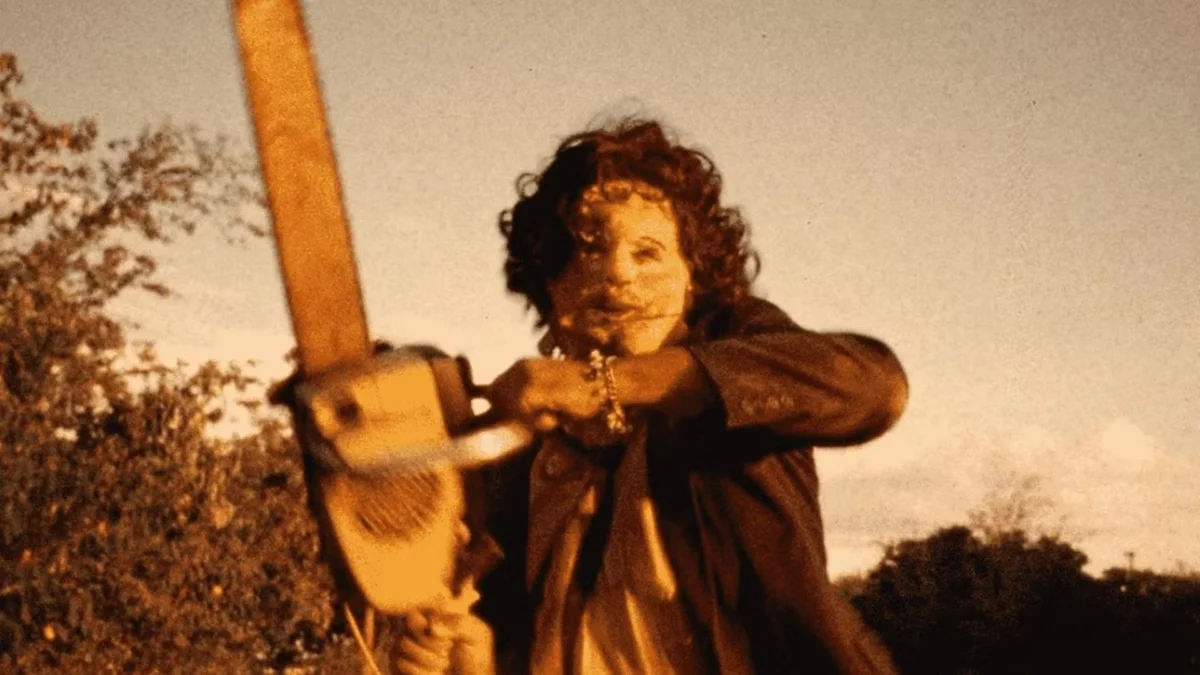
The horror landscape has been forever altered by Tobe Hooper’s 1974 masterpiece, The Texas Chain Saw Massacre. A low-budget, sweat-soaked descent into madness, the film didn’t just introduce a new slasher icon in Leatherface; it redefined the visceral potential of cinema. Yet, for all its cultural significance, the franchise has spent the last half-century adrift, suffering through fragmented sequels, disjointed reboots, and a loss of the original’s gritty, documentary-style dread.
Now, a new chapter is beginning. Following years of complex legal negotiations, the indie powerhouse A24 has officially acquired the rights to the Texas Chainsaw Massacre intellectual property. With plans for both a feature film and a television series currently in development, the studio faces a monumental challenge: how to breathe new life into a franchise that has, for all intents and purposes, lost its edge.
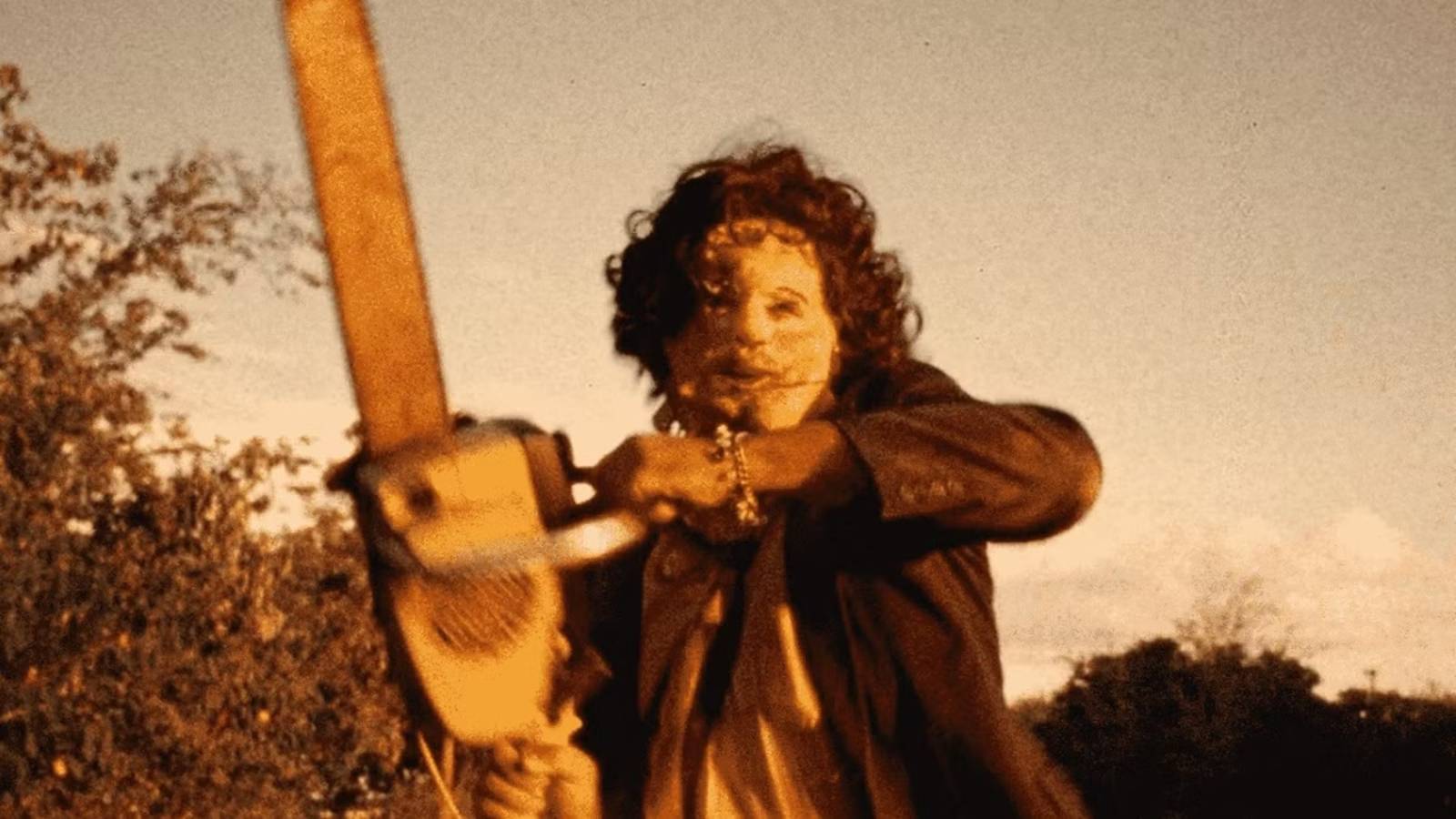
The State of the Franchise: A Legacy of Missteps
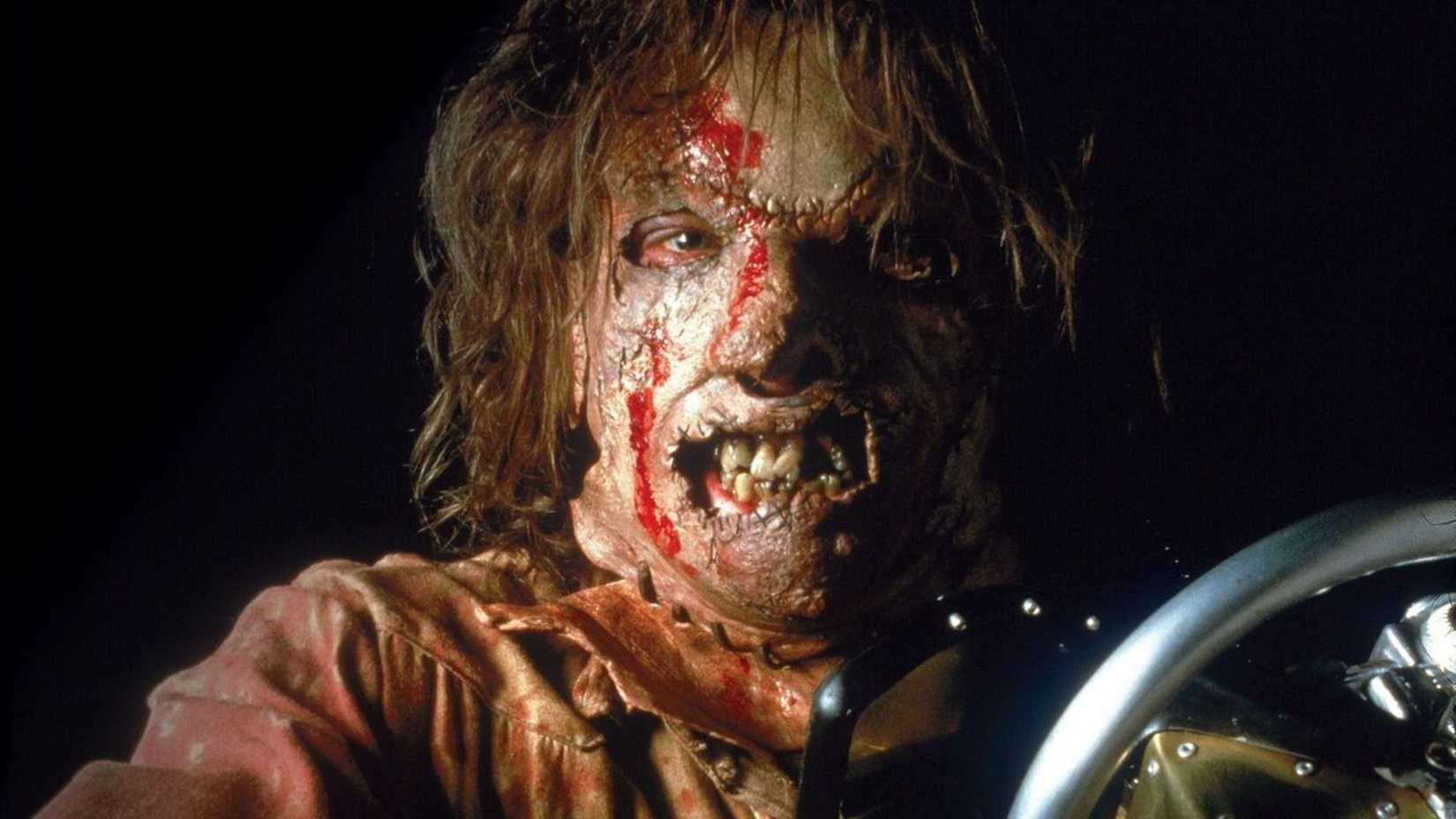
Since the original film’s release, the series has struggled to maintain a consistent identity. While franchises like Halloween and Friday the 13th leaned into the "slasher-as-superhero" trope, Texas Chainsaw was always an odd fit for that mold. The sequels—ranging from the satirical, neon-drenched Texas Chainsaw Massacre 2 to the ill-fated 2022 Netflix revival—often failed to understand what made the 1974 original so effective.
The franchise has been plagued by a "hodgepodge" approach to continuity, where each sequel essentially ignores the previous installments, creating a confusing timeline that alienates casual viewers and frustrates hardcore fans. By shifting between tonal extremes—from campy horror-comedy to hyper-violent modern slasher—the series has diluted the mystery of the Sawyer family. A24’s entry into this space represents a potential pivot point. Known for "elevated" horror hits like Hereditary, The Witch, and Talk to Me, A24 has the unique pedigree required to strip away the accumulated baggage and return the property to its roots.

Chronology of a Beaten Path
To understand the gravity of the task ahead for A24, one must look at the fractured history of the franchise:
- 1974: Tobe Hooper’s original The Texas Chain Saw Massacre is released, shocking the world with its realism and lack of on-screen gore, relying instead on psychological terror.
- 1986: The Texas Chainsaw Massacre 2 pivots to dark comedy, establishing a recurring pattern of tonal instability.
- 1990–2022: A series of sequels, prequels, and remakes—including Leatherface: The Texas Chainsaw Massacre III, The Next Generation, the 2003 remake, and the 2022 Netflix sequel—attempted to modernize the brand. None managed to capture the critical acclaim or cultural impact of the original.
Strategic Pillars for A24’s Survival
For A24 to succeed where others have failed, they must adhere to a strict set of creative guidelines that prioritize quality over the "franchise-building" impulses that have ruined so many other horror properties.
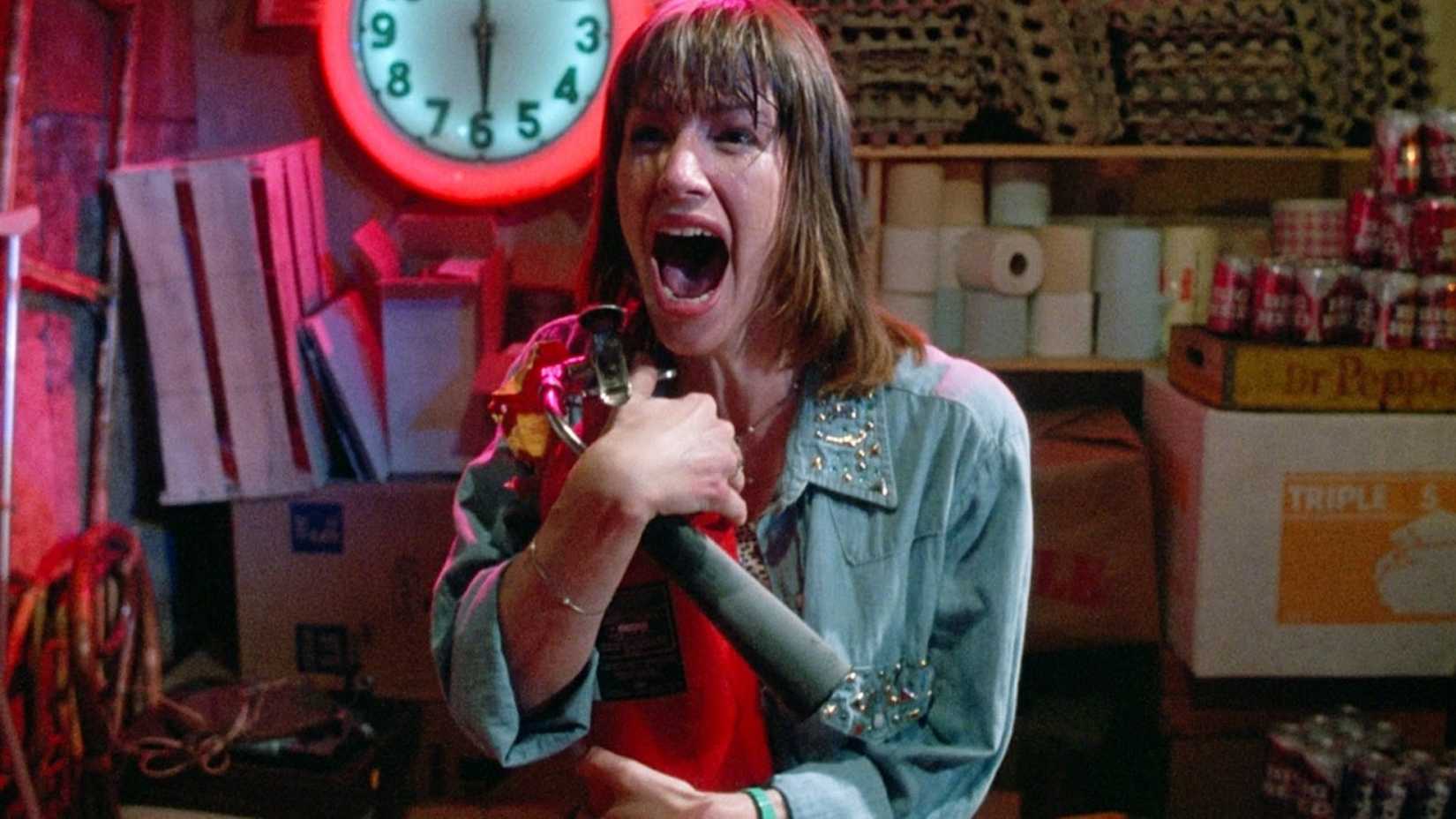
1. Reject the Sequels, Honor the Original
The most vital step for A24 is to treat the 1974 original as the sole canonical text. Trying to synthesize decades of conflicting lore is a fool’s errand. By isolating the original film, the studio can build a fresh vision that isn’t beholden to the failures of the past. The sequels, while interesting artifacts of their respective decades, do not provide a roadmap for success; they provide a list of mistakes to avoid.
2. A Return to Gritty Realism
The "elevated" aesthetic of modern A24 films—characterized by impeccable cinematography, naturalistic performances, and a focus on atmosphere over jump scares—is a perfect fit for the Texas Chainsaw world. The original film felt like a documentary of a nightmare. It was dirty, hot, and claustrophobic. If the new studio can replicate that feeling of raw, unpolished reality, they will have already achieved more than the last several entries in the franchise.
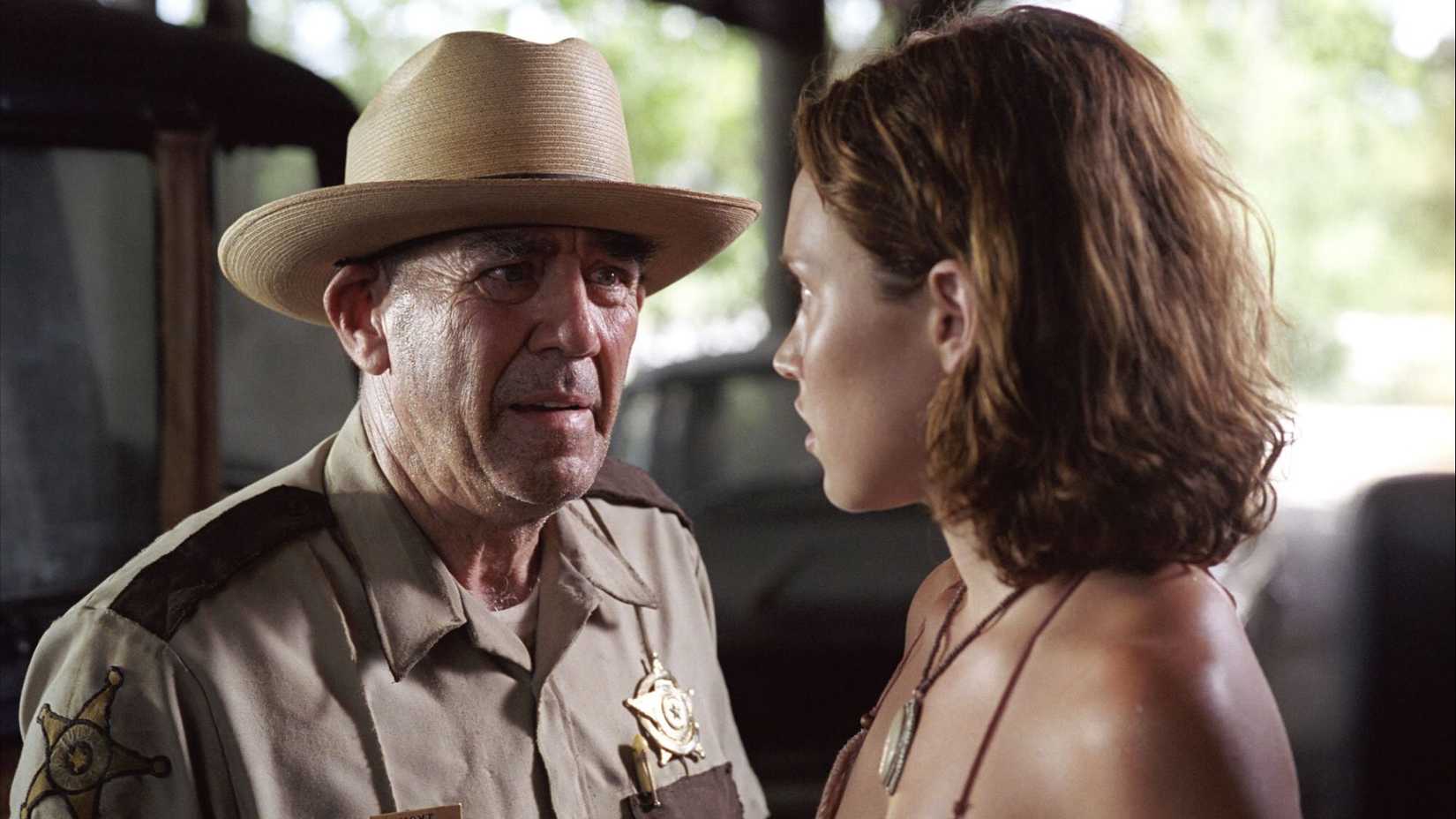
3. The "Less is More" Approach to Leatherface
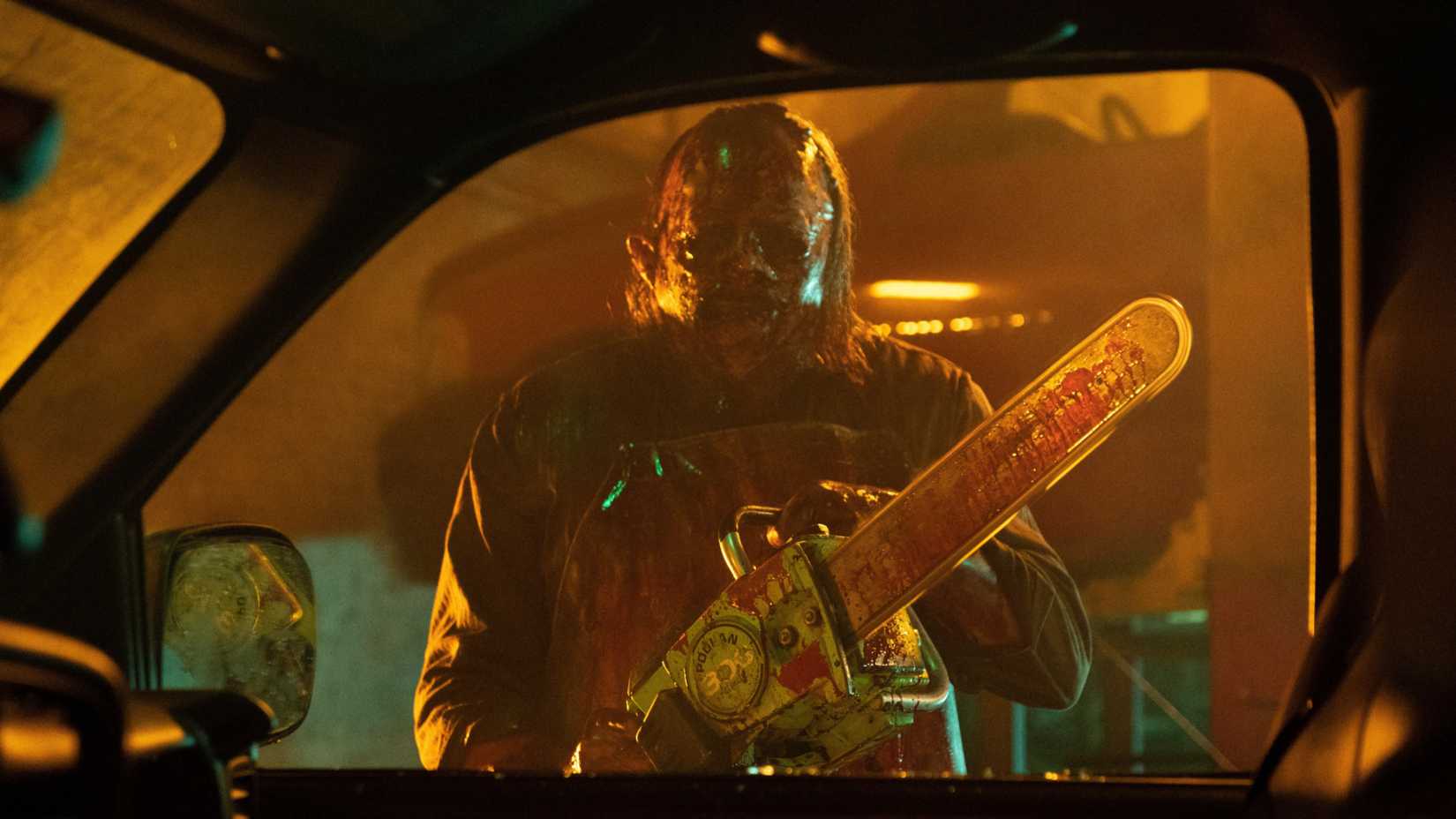
Leatherface has suffered from over-exposure. In later films, he became a "monster of the week," a predictable force of nature that audiences grew accustomed to. To make him terrifying again, he must be treated as a supporting element rather than a main character. The mystery of the Sawyer family—who they are, why they do what they do, and the strange, twisted domesticity of their lives—is far more frightening than the chainsaw itself. By keeping Leatherface in the shadows and focusing on the human toll of his family’s madness, A24 can restore his status as a cinematic boogeyman.
4. Avoiding the "Legacy Sequel" Trap
In recent years, horror has been dominated by the "legacy sequel" trend—films that bring back old characters to pass the torch to a new generation. This often leads to rehashing the same iconic scenes, such as the infamous "dinner scene." A24 must resist the urge to indulge in fan service. They should not try to recreate the dinner scene; they should create something new that is just as disturbing.
The Shift in Horror Paradigm
The horror genre has changed significantly since the 1970s. Modern audiences are more sophisticated, and the "slasher" subgenre has seen a resurgence in interest regarding the psychological motivations of its killers. A24’s strength lies in its ability to ground horror in the human condition.
By connecting the Texas Chainsaw narrative to contemporary societal anxieties—much like how the original reflected the cynicism of the post-Vietnam era—the studio can transform a relic of the 70s into a relevant, biting piece of modern social commentary. This does not mean the film must be overtly political; rather, it should reflect the current atmosphere of alienation and dread that pervades modern life.
Official Responses and Industry Outlook
While details regarding the upcoming film and television projects remain sparse, the industry reaction to A24’s acquisition has been overwhelmingly positive. Critics and fans alike have noted that if any studio can handle a legacy franchise with the necessary nuance, it is the one responsible for the current renaissance of indie horror.
There is an inherent danger, of course, in "elevating" a franchise that was built on the foundation of pure, sleazy grindhouse exploitation. However, the best films in the Texas Chainsaw series were those that treated the subject matter with a degree of artistic integrity. Tobe Hooper was an artist, and A24 has demonstrated time and again that they are willing to invest in the vision of their directors.
The Road Ahead: Why This Matters
The acquisition of The Texas Chainsaw Massacre by A24 is more than just a business deal; it is a signal that the franchise is being taken seriously again. For too long, the property has been treated as a cash cow, with low-effort sequels churned out to keep the trademark alive.
If A24 can avoid the pitfalls of sequel-baiting, keep the lore mysterious, and prioritize filmmaking over franchise-building, they have the potential to turn Texas Chainsaw into the gold standard of horror once more. The goal should not be to make a "better" version of the original, but to make a film that stands alongside it as a legitimate, frightening piece of cinema.

The saw is, metaphorically speaking, still in the garage. Whether it remains a rusty relic of the past or becomes a sharp, cutting-edge tool of modern horror depends entirely on how the studio chooses to handle the legacy of the Sawyer family. If they treat the source material with the respect it deserves—and the artistic ambition for which they are known—they might just find that the most frightening thing about the Texas Chainsaw Massacre is that it still has so much more to say.
The fans are waiting. The legacy is established. Now, the real work of restoring the terror begins. A24 has the vision, the resources, and the reputation; all that remains is to see if they have the stomach to go back to the heart of the heartland and find the fear that started it all.











No comments yet. Be the first to join the conversation!