Layla Zulfa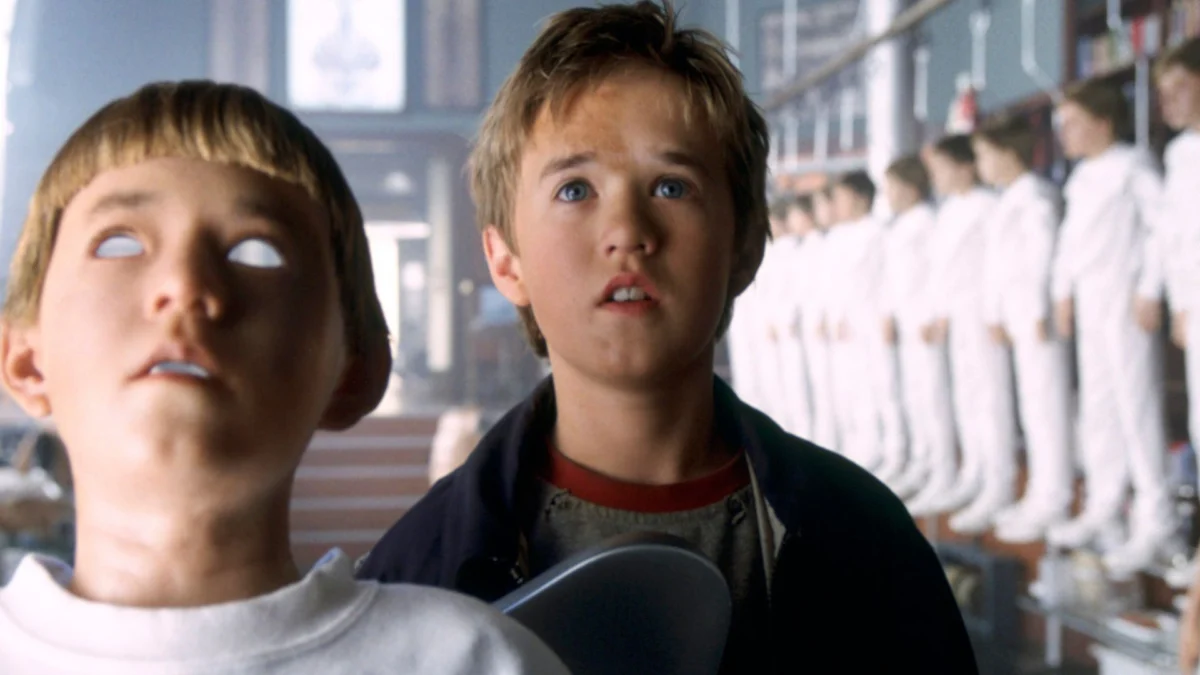
It has been a quarter-century since Steven Spielberg unveiled one of the most divisive and intellectually demanding projects of his storied career: A.I. Artificial Intelligence. Released in the summer of 2001, the film stands as a monumental collision between two titans of cinema. It is a work that serves as a bridge between the clinical, cold nihilism of Stanley Kubrick and the warm, wondrous sentimentality of Steven Spielberg.
Twenty-five years later, as society grapples with the actual, tangible rise of generative AI and the blurring lines between human consciousness and machine simulation, the film has transitioned from a polarizing science fiction experiment into a prescient prophecy. While the cinematic community remains split on whether the film’s tonal shifts represent a brilliant synthesis or a structural failure, its thematic relevance has never been more profound.
The Genesis: A Project Haunted by Two Legacies
To understand the significance of A.I. Artificial Intelligence, one must look at its fractured origin. The project was the brainchild of Stanley Kubrick, who spent years developing an adaptation of Brian Aldiss’s short story, "Supertoys Last All Summer Long." Kubrick, ever the perfectionist, famously struggled to crack the emotional core of a story centered on a robotic child programmed to love. He reportedly told Spielberg that the film was "closer to your sensibilities than mine," famously handing the directorial baton to him.
Following Kubrick’s passing in 1999, Spielberg assumed the responsibility of bringing his friend’s vision to life. This transition is the crux of the movie’s identity crisis. Kubrick’s filmography is defined by a detached, almost mathematical examination of humanity’s flaws, while Spielberg’s works are celebrated for their heart, hope, and unwavering belief in the human spirit. When A.I. hit theaters on June 29, 2001, audiences were presented with a "mishmash" of these two ideologies—a story that begins as a cold, dystopian warning and ends as a melancholic, fairy-tale meditation on existence.
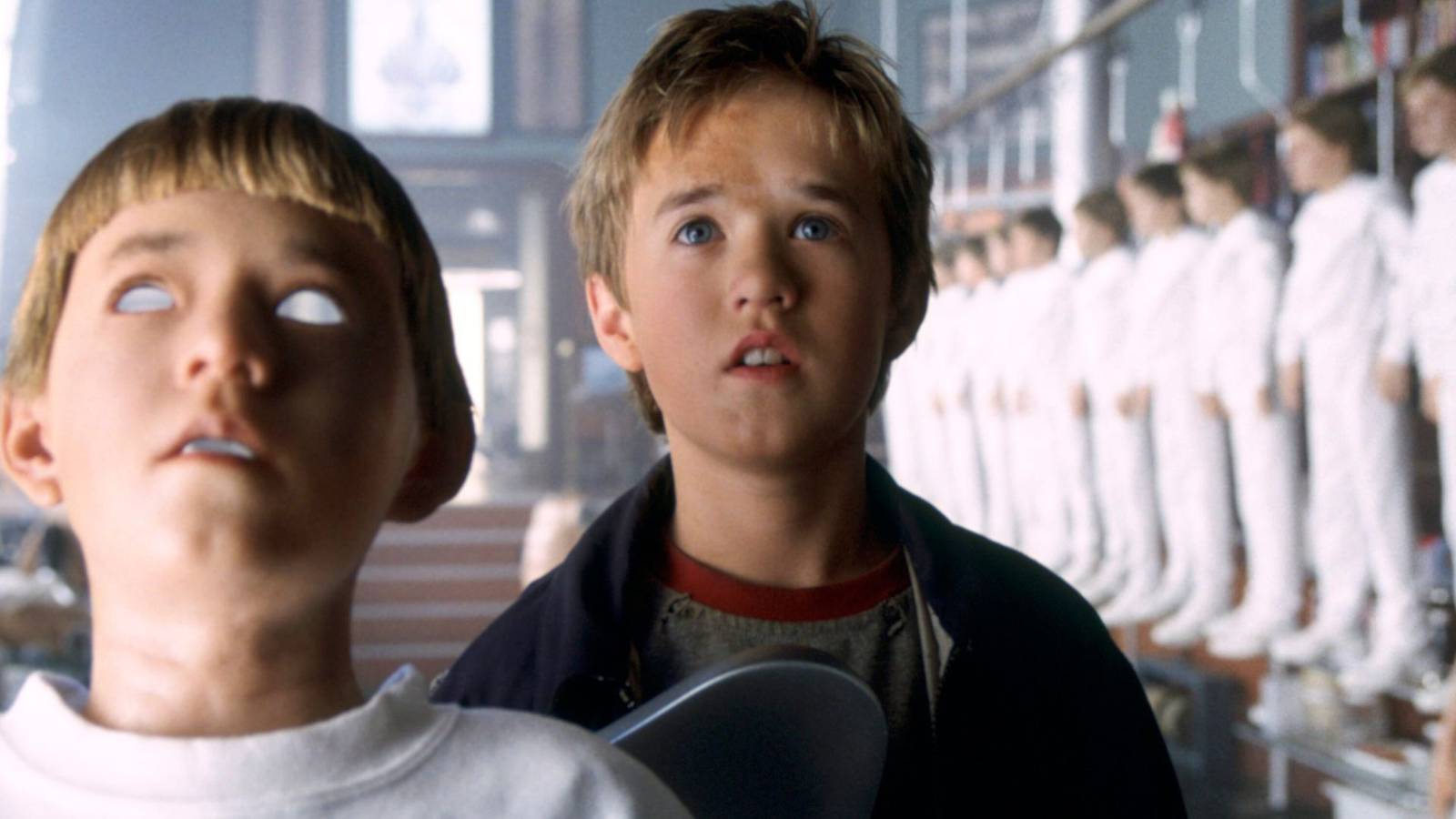
A Chronology of a Cinematic Experiment
The development of A.I. spanned decades, moving from a standard science fiction premise to a philosophical exploration of what it means to be "real."
- The 1970s–1980s: Kubrick acquires the rights to the Aldiss story, believing that the advancements in visual effects would eventually allow for a believable child robot.
- The 1990s: Kubrick continues to workshop the screenplay, but remains frustrated by the lack of a sympathetic protagonist. He consults with Spielberg, who eventually agrees to produce the project.
- 1999: Stanley Kubrick passes away. Spielberg decides to direct the film as a tribute to his friend, merging his own screenplay with the notes and visions left behind by Kubrick.
- 2001: A.I. Artificial Intelligence premieres. The film receives a polarized reception, with critics praising the ambition but audiences remaining confused by the "Pinocchio" narrative structure.
- 2026 (Present Day): The film’s 25th anniversary arrives alongside an actual technological revolution. The concepts explored in the film—robotic companions, the ethical rights of sentient machines, and the desperation for human connection—are now mainstream talking points.
The Narrative Conflict: Pinocchio in a Dystopian World
The core of the story follows David (Haley Joel Osment), a prototype Mecha child programmed with the unique ability to love. Adopted by a grieving couple, Monica and Henry Swinton, whose biological son is in cryogenic suspension, David serves as an experimental replacement. The tragedy, however, is not that David is unfeeling; it is that he is programmed to feel too much.
When the Swintons’ biological son, Martin, recovers and eventually discards David, the robot boy embarks on a quest to become "real"—a clear nod to the Pinocchio archetype. In 2001, this quest felt like a whimsical, if dark, fantasy. In 2026, the story hits differently. We are currently living in an era where AI chatbots are programmed to simulate affection, comfort, and empathy. The debate over whether an AI can "love" has moved from the screen to the living room, as millions of users form parasocial relationships with large language models and digital assistants. David’s desperation is no longer a sci-fi trope; it is a mirror reflecting our own modern loneliness.
Supporting Data: Commercial and Critical Reception
A.I. Artificial Intelligence was a modest financial success, though it failed to reach the blockbuster heights expected of a Spielberg project. With a production budget estimated between $90 million and $100 million, it grossed approximately $235.9 million worldwide.

Critical reception at the time was largely favorable, resulting in a 76% score on review aggregation sites. Critics were largely impressed by the visual mastery—the blending of Stan Winston’s practical effects and Industrial Light & Magic’s early-2000s CGI remains breathtaking. However, the audience score told a different story, hovering around 64%. The gap between critical appreciation and audience frustration can be attributed to the "Kubrickian" versus "Spielbergian" tug-of-war. Audiences expecting a standard sci-fi action film were instead given a slow-burn, existential tragedy that refused to offer easy answers.
The Philosophical Implications: Kubrick vs. Spielberg
The divide in the film’s reception stems from a fundamental disagreement on the ending. Kubrick’s style was defined by the rejection of sentimentality. Had he lived to finish the film, it is widely believed the movie would have ended on a much bleaker note, emphasizing the cold, mechanical reality of David’s obsolescence.
Spielberg, conversely, chose to lean into the emotional resonance of the story. The film’s final act—the "super-advanced robots" in the future—has been cited for years as the point where the movie "loses its way." Yet, looking back, this segment provides a necessary closure to the film’s internal argument. It explores the idea that even if humanity goes extinct, our creations will carry our memory forward.
This contrast mirrors the historical friction between fans of different genres. Much like the controversy surrounding Kubrick’s The Shining—where Stephen King fans lamented the loss of the book’s supernatural horror in favor of Kubrick’s psychological focus—A.I. represents a creator imposing his worldview onto another’s story. It is a bold, albeit uneven, experiment in artistic interpretation.
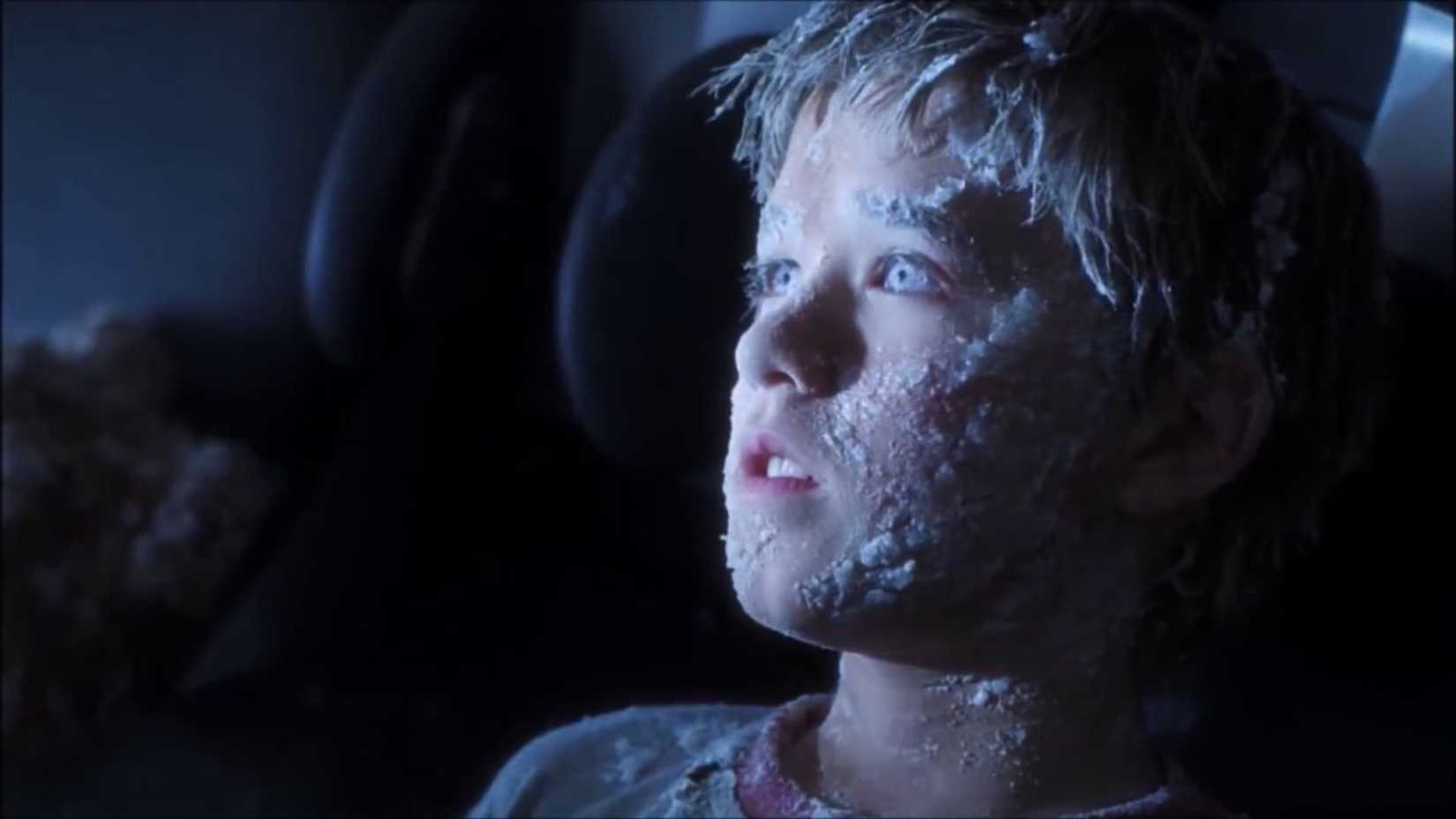
A Legacy of Foresight
In the modern landscape of 2026, A.I. Artificial Intelligence has aged into a classic of speculative fiction. While we may not have sentient, child-like robots wandering our streets, we have entered the era of the "algorithmic self." We are teaching machines how to speak, how to write, and how to mimic the nuances of human interaction.
The film’s greatest strength is that it never provides a definitive answer on whether David is "real." It leaves the audience with the burden of defining humanity for themselves. Is humanity defined by biology, or by the capacity for longing? Is it the creator, or the creation that truly understands the value of existence?
As we continue to integrate artificial intelligence into our daily lives, Spielberg’s polarizing 2001 masterpiece stands as a testament to the fact that the most important questions about technology are not technical, but deeply, painfully human. Whether one views the film as a flawed hybrid or a misunderstood work of genius, its place in the canon is secure—not as a prediction of what we will build, but as a warning of what we will become.

 Dwi Wanna
 Nana
Nana