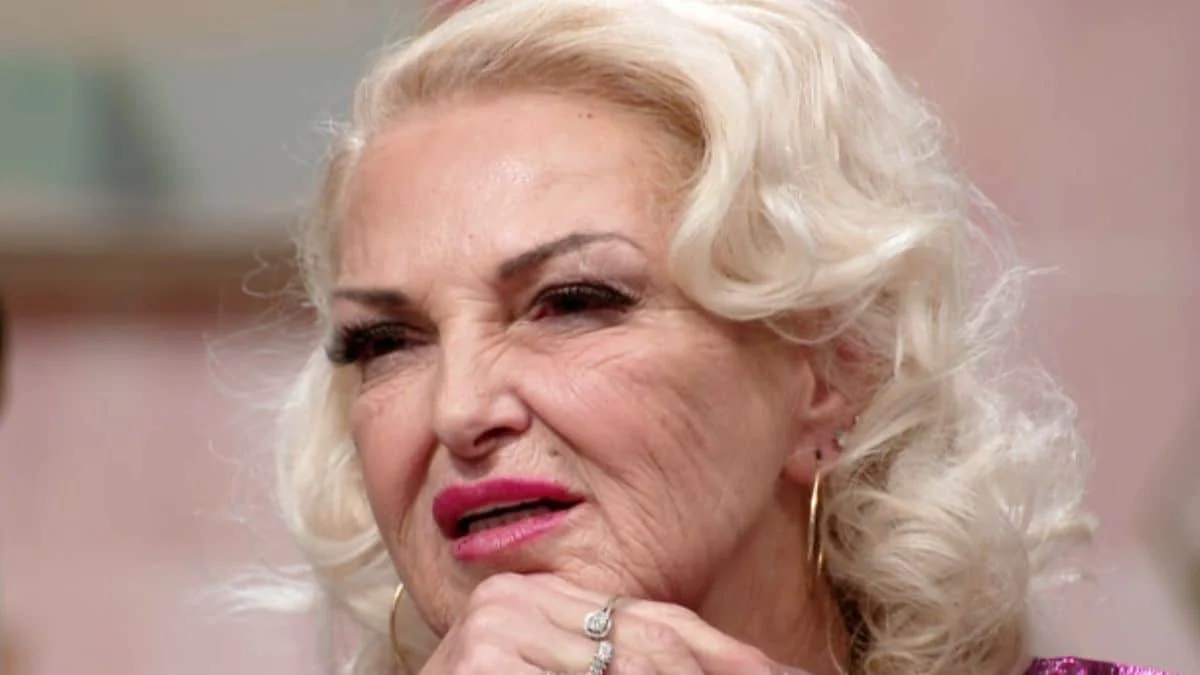
In the high-stakes, often turbulent world of reality television, few figures command as much attention—or court as much controversy—as Angela Deem. A staple of the TLC franchise 90 Day Fiancé, Deem has built a brand on her unfiltered personality, explosive confrontations, and a "tell-it-like-it-is" Southern matriarch persona. However, a recent social media firestorm has shifted the focus from Deem’s own antics to a much more sensitive subject: the online treatment of her nine-year-old granddaughter, Ariah Kaye.
The incident has sparked a broader conversation regarding the ethics of digital fandom, the boundaries of reality TV fame, and the psychological impact of cyberbullying on the children of public figures. When trolls targeted the young girl’s physical appearance, Deem discarded her usual "villain" edit to step into the role of a fierce family protector, revealing a private health struggle that adds a layer of gravity to the situation.
The Incident: From Viral Performance to Public Shaming
The conflict began when Angela Deem shared a moment of family levity on her social media platforms. Deem, who frequently documents her life in Georgia beyond the cameras of TLC, uploaded a video of her granddaughter, Ariah Kaye, to TikTok. The video was subsequently reshared to her Instagram account, where Deem boasts a massive following of fans and "hate-watchers" alike.
In the footage, nine-year-old Ariah is seen enthusiastically lip-syncing to "Die With A Smile," the hit duet by Lady Gaga and Bruno Mars. Captioned by Deem as her "TWINZY" and a "#FUTUREQUEEN," the video captured a child engaging in a common contemporary pastime—performing for a digital audience. Ariah’s performance was noted by many for its confidence; she used a microphone prop and expressive gestures, mirroring the stage presence her grandmother has displayed for nearly a decade on national television.
While the majority of the feedback was positive, praising the child’s spirit and talent, a vocal minority of "trolls" began posting derogatory comments. These remarks moved past critiques of the performance and targeted the child’s physical appearance. One specific comment, which suggested the family "all need to eat healthier," became the catalyst for Deem’s public retaliation. The implication of body-shaming a pre-adolescent child triggered an immediate and forceful response from the reality star.
A Chronology of the Social Media Conflict
To understand the weight of Deem’s response, one must look at the timeline of the escalation:
- The Upload: In early April 2025, Angela posted the video of Ariah on TikTok, celebrating her granddaughter’s personality.
- The Cross-Platform Migration: The video was moved to Instagram, a platform known for having a more direct and often more critical engagement style between cast members and viewers.
- The Trolling: Within hours, the comment section of the Instagram Reel became a battleground. While fans defended the child, several users posted comments regarding Ariah’s weight and the family’s lifestyle.
- The Rebuttal: Rather than simply deleting the comments or ignoring the vitriol, Angela Deem recorded a direct-to-camera address. In this video, she didn’t just demand respect; she provided medical context that turned the trolls’ "health advice" on its head.
- The Revelation: Deem revealed that Ariah suffers from a chronic kidney condition, a detail previously kept relatively private, to explain that the child’s physical appearance is linked to medical issues rather than lifestyle choices.
Supporting Data: The Reality of the Deem Family Dynamics
Angela Deem’s family has been a peripheral part of the 90 Day Fiancé universe since her debut in Before the 90 Days Season 2. While the show primarily focused on her tumultuous relationship with her now-estranged husband, Michael Ilesanmi, her daughter Scottie and her six grandchildren have frequently appeared in "home life" segments.
Ariah Kaye is one of three children belonging to Angela’s daughter, Scottie. The family dynamic in Hazlehurst, Georgia, is tight-knit, with Angela often identifying herself primarily as a "Meemaw." This role is central to her identity, often clashing with her more aggressive "reality star" persona.
The revelation of kidney disease in the family is a significant piece of supporting data. Angela noted in her response that Ariah "has kidney disease like her mom." Scottie Deem’s health struggles have been hinted at in the past, but the confirmation that this is a hereditary or shared condition within the family highlights the vulnerability of the children involved. Chronic kidney disease (CKD) in children can lead to various physical symptoms, including edema (swelling), which can often be mistaken by the uneducated observer as weight gain. This medical reality renders the "eat healthier" comments not only cruel but scientifically ignorant.
Official Responses: Angela Deem’s "Do Better" Campaign
In her response video, captioned "DO BETTER GOD BLESS YOU," Deem adopted a tone that was uncharacteristically measured yet stern. She addressed her "queens and kings" (her loyal followers) before pivoting to the "Instagrammers" who frequent her page to "cut [her] down."

"I can take that," Deem stated, referring to the years of personal attacks she has endured regarding her looks, her age, and her behavior on TLC. "When you come after my granddaughter and talk about her belly, um, you should be ashamed of yourself."
Deem’s response functioned as both a defense of her grandchild and a public service announcement on the ethics of internet engagement. She challenged the character of individuals who find it acceptable to bully a nine-year-old, stating, "What kind of person goes around cutting down kids anyway? Crown of thought. Do better. That kid hasn’t done nothing to you."
The response resonated with a large segment of the 90 Day Fiancé fanbase. Even those who have historically been critical of Angela’s actions on the show rallied behind her, agreeing that children should be "off-limits" in the sphere of reality TV commentary.
Implications: The Ethics of Reality TV Fame for Children
This incident brings to the forefront several critical implications regarding the intersection of reality television and social media:
1. The "Kid-Glove" Rule in Digital Fandom
There has long been an unwritten rule in entertainment journalism and fan communities that the children of celebrities—especially those who did not choose to be in the spotlight—should be shielded from public criticism. However, as the line between "celebrity" and "reality star" blurs, and as social media provides direct access to these families, that rule is frequently broken. The attacks on Ariah Kaye represent a breakdown of these social boundaries, where the "sins" or "annoyances" of the adult cast member are unfairly visited upon their offspring.
2. The Health and Body Image Crisis
By revealing Ariah’s kidney disease, Angela Deem highlighted a dangerous trend: the impulse of social media users to provide unsolicited "health" or "lifestyle" advice based on a few seconds of video. For children, especially those dealing with chronic illness, this type of public scrutiny can be psychologically devastating, potentially leading to body dysmorphia or increased stress that exacerbates their physical conditions.
3. Platform Responsibility and Moderation
The incident raises questions about the responsibility of platforms like Instagram and TikTok to protect minors. While Deem chose to share the video, the failure of algorithmic moderation to catch or hide body-shaming comments directed at a child remains a point of contention. Critics argue that platforms should have stricter filters for accounts belonging to public figures when children are featured in the content.
4. The Paradox of the "Reality Villain"
Angela Deem is often cast as the "villain" in the 90 Day Fiancé narrative due to her volatile outbursts. However, the defense of her granddaughter provides a "redemption" arc that the show’s editing rarely allows. It reminds the audience that these "characters" are real people with real familial stakes. The public’s willingness to attack a child may stem from a "dehumanization" of reality stars, where viewers forget that the people on their screens are not fictional entities but members of a functioning, albeit public, family unit.
Conclusion: A Line in the Sand
The backlash against the trolls targeting Ariah Kaye serves as a stark reminder of the toxic potential of the digital age. While Angela Deem remains one of the most polarizing figures in reality television history, her stance against the bullying of her granddaughter has drawn a clear line in the sand.
As 90 Day Fiancé continues into its eleventh season and beyond, the "Deem-Ilesanmi" saga may continue to dominate headlines, but for now, the focus remains on a grandmother’s plea for basic human decency. The message "Do Better" is not just a caption on an Instagram Reel; it is a challenge to a digital culture that often forgets the human cost of a "click" or a "comment." For Ariah Kaye, the hope is that the shield provided by her grandmother—and the revelation of her medical journey—will foster a more empathetic environment as she grows up in the shadow of the reality TV spotlight.