

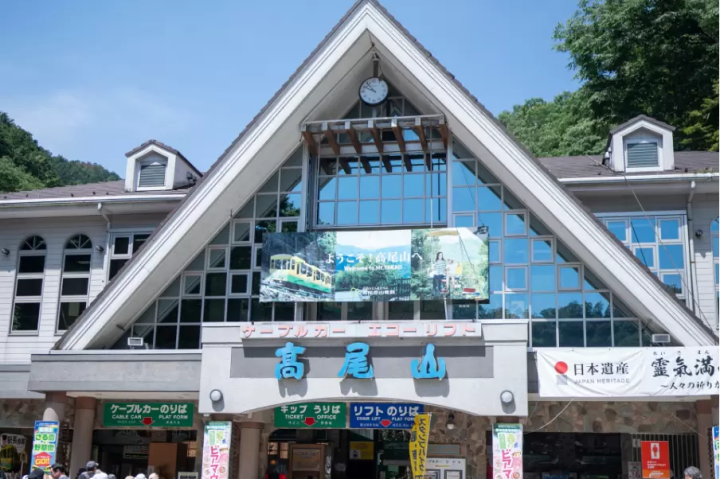
Located just an hour west of central Tokyo in Hachioji, Mount Takao stands as a remarkable paradox. While it is one of the most frequented mountains in the world—attracting approximately three million visitors annually—it remains a sanctuary of profound ecological and spiritual depth. For the millions who arrive at Takaosanguchi Station, the transition from the frantic pace of Japan’s capital to a landscape of ancient cedars and quiet devotion is jarring, yet transformative.
To bridge the gap between casual sightseeing and a meaningful cultural encounter, the ON THE TRIP audio guide has emerged as an essential tool. By treating the mountain as an open-air museum, this digital companion invites hikers to look beyond the surface, uncovering the layers of history, faith, and biodiversity that have kept Mount Takao unchanged in spirit for centuries.

Main Facts: The Intersection of Nature and Prayer
Mount Takao is defined by the coexistence of two seemingly disparate forces: the raw, untamed power of the natural world and the disciplined, human tradition of Shugendo (mountain asceticism).

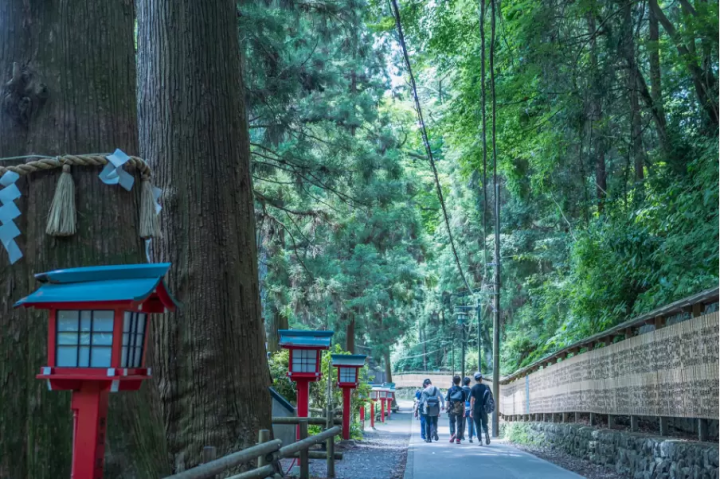
The mountain’s preservation is not a modern accident but a historical legacy. Throughout the Sengoku period, the local lords of Hachioji Castle established strict edicts protecting the mountain’s flora and fauna, viewing the entire peak as an extension of the sacred Yakuoin Temple. These regulations were so severe that even minor ecological disturbances were punishable by death. This reverence was later formalized during the Meiji era, eventually leading to its designation as a national park. Today, this "mountain of prayer" serves as a rare pocket of primary forest within the sprawling Tokyo metropolitan area.
A Chronological Journey: From Ancient Roots to Modern Pilgrimage
The history of Mount Takao is a timeline of spiritual devotion that predates the modern urban development of Tokyo.
- Nara Period (710–794): The foundation of Takaosan Yakuoin Yukiji Temple marked the beginning of the mountain’s status as a spiritual stronghold.
- Sengoku Period (1467–1615): The mountain was designated a protected sacred site. The strict stewardship of the Hachioji castle lords ensured the forest remained untouched, creating a legacy of conservation that persists today.
- Meiji Period (1868–1912): The mountain’s transition into Imperial property and later a national park solidified its role as a preserved natural treasure.
- Modern Era (2015–Present): The opening of the TAKAO 599 MUSEUM signaled a new approach to tourism, emphasizing education and environmental awareness for the modern hiker. The subsequent introduction of digital audio guides like ON THE TRIP has further revolutionized how visitors interact with the mountain’s history.
Supporting Data: Navigating the Mountain
For those planning an ascent, the mountain offers a variety of experiences tailored to different fitness levels. The most popular route, Trail 1 (Omotesando Course), spans 3.8 kilometers and serves as the primary artery for both pilgrims and tourists.

| Feature | Details |
|---|---|
| Total Length | 3.8 km |
| Ascent (Walking) | Approx. 1 hour 40 minutes |
| Descent (Walking) | Approx. 1 hour 20 minutes |
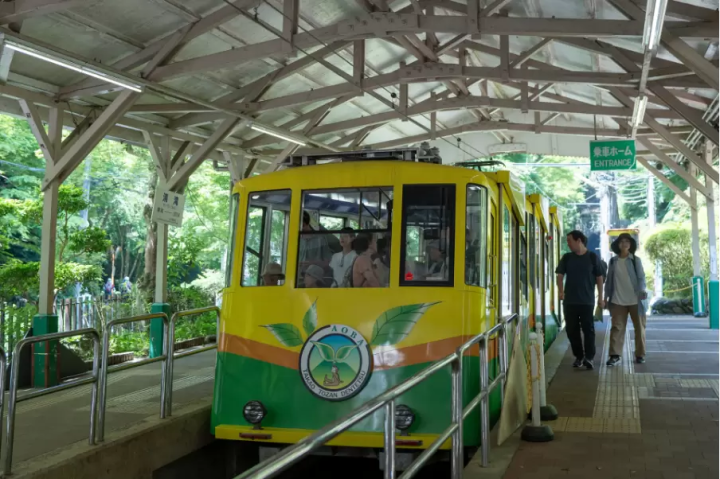
| Cable Car Gradient | Max 31 degrees 18 minutes (Steepest in Japan) |
| Annual Visitors | Approx. 3,000,000 |
The mountain is also home to over 40 varieties of violets and ancient beech trees, some of which are over 200 years old. These biological markers serve as a reminder of the fragility of the ecosystem, as climate shifts threaten to alter this flora in the coming century.
Official Perspectives: The Philosophy of ON THE TRIP
The developers of the ON THE TRIP app argue that travel should be an act of curation. By providing high-quality audio narratives, they allow visitors to bypass the superficiality of modern tourism. According to the guide’s developers, the goal is to "turn every destination into a museum."
The guide is divided into specialized segments, including:
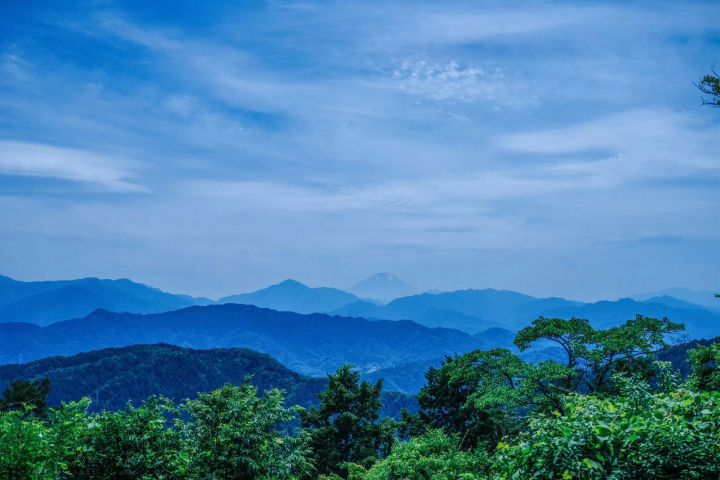
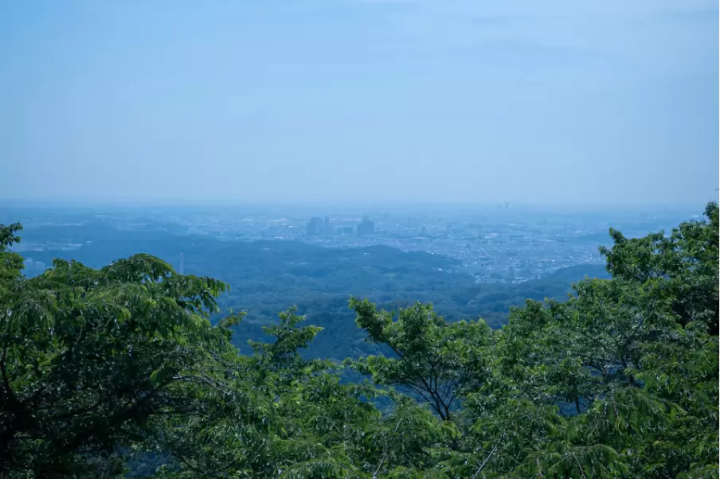
- The Ascent: Explaining the history of the cable car and the "hazy" views of the Kasumidai observation deck.
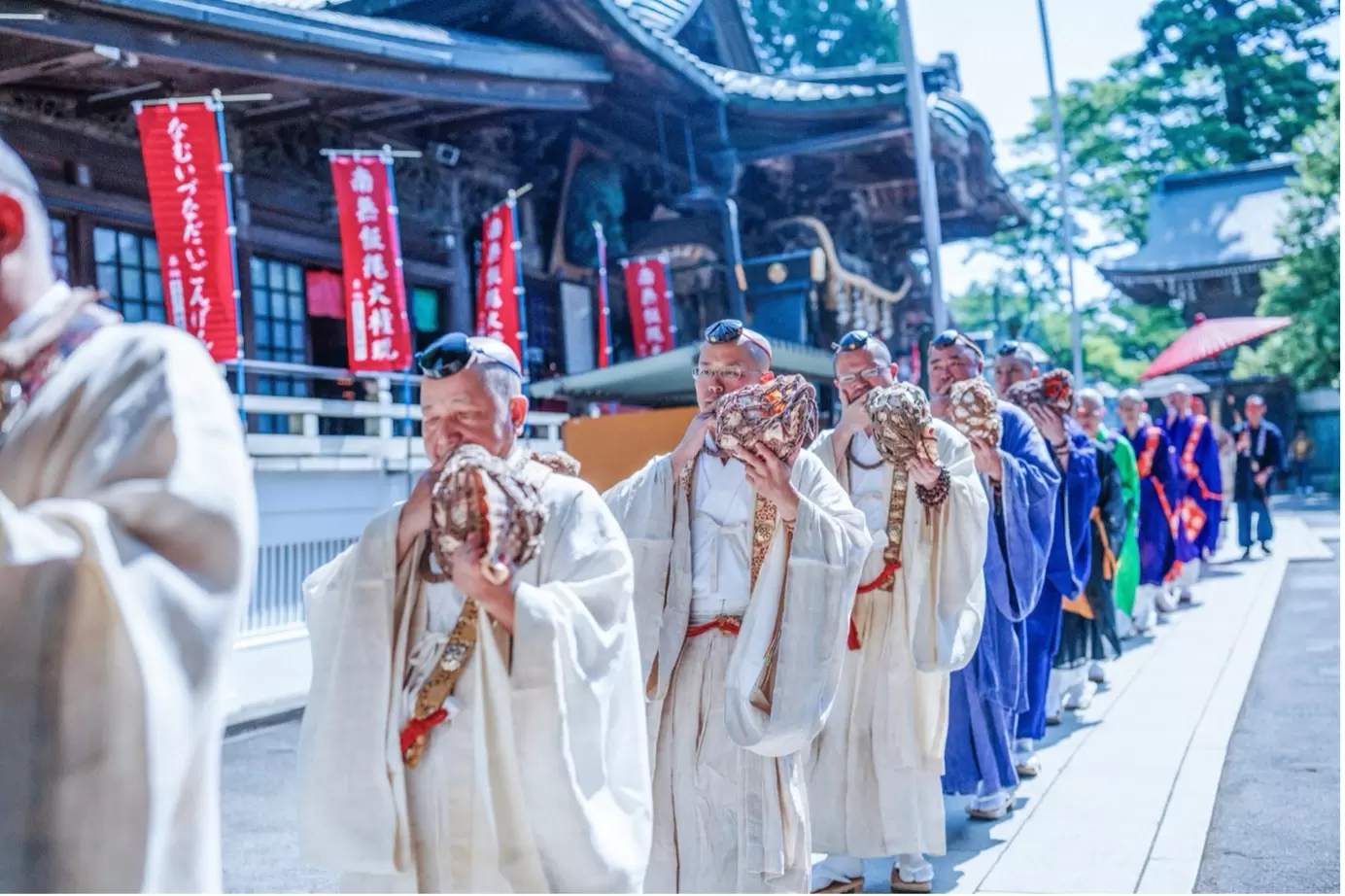
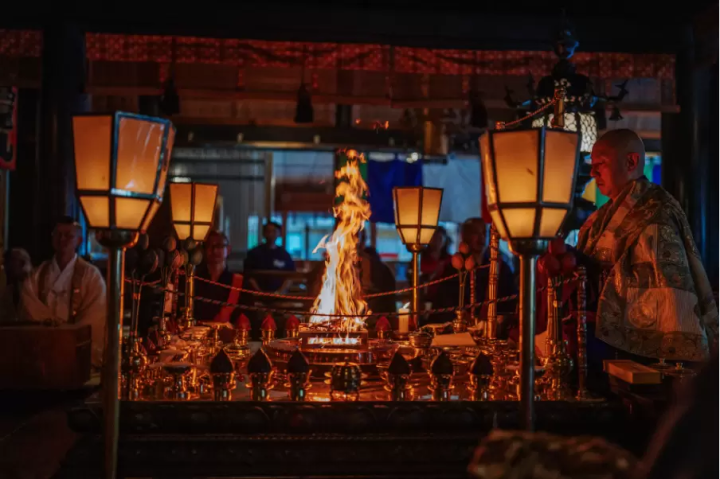
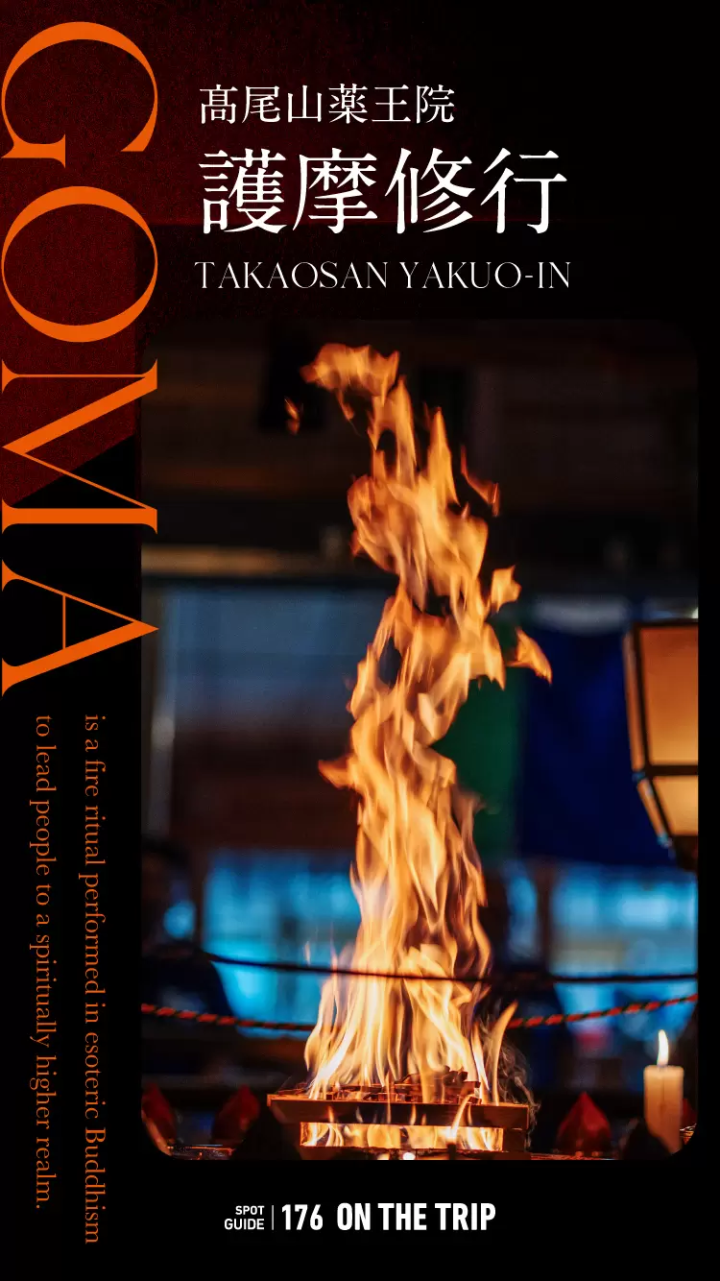
- The Goma Ritual: A guide to the fire-purification ceremony at Yakuoin Temple, including the significance of the conch shell and sutra chanting.
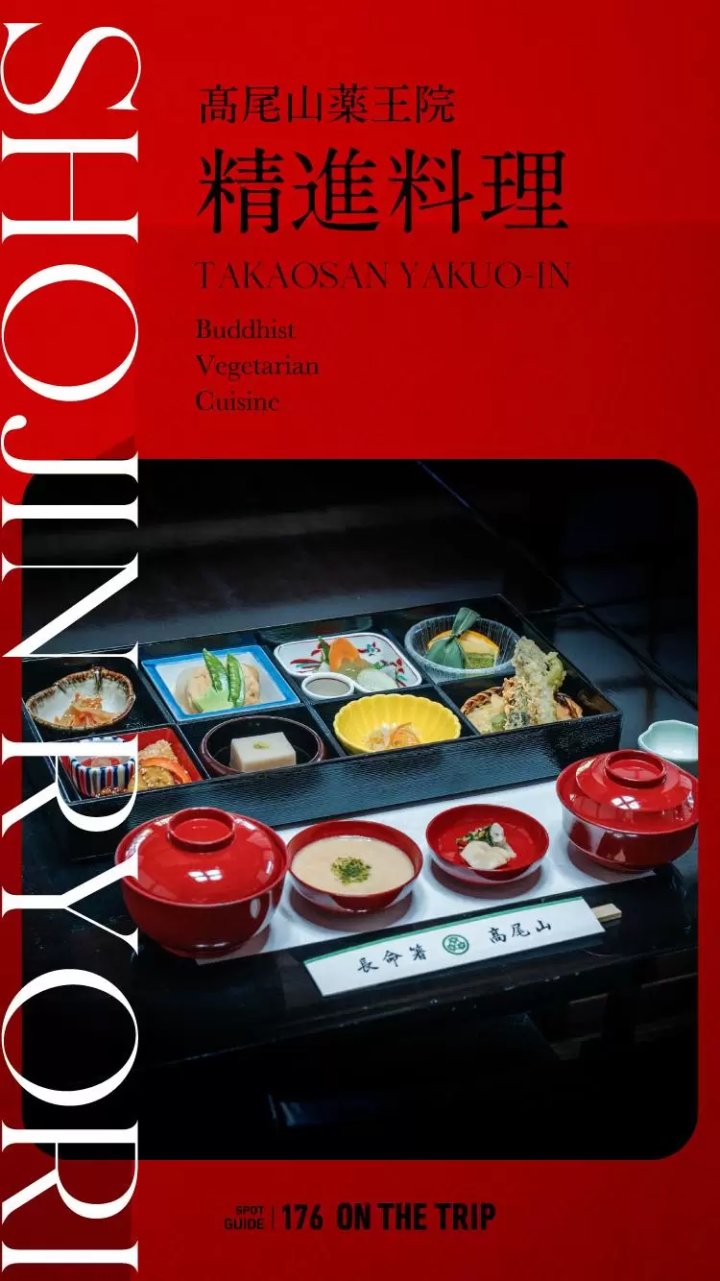
- Shojin Ryori: An exploration of the Buddhist vegetarian tradition, emphasizing how the meal is a form of gratitude for the mountain’s bounty.
The Goma Ritual: Burning Away Delusions
At the heart of the Yakuoin Temple experience is the Goma ritual. This practice, involving the burning of wood in a consecrated fire, symbolizes the wisdom of the Buddha and the incineration of human earthly desires.
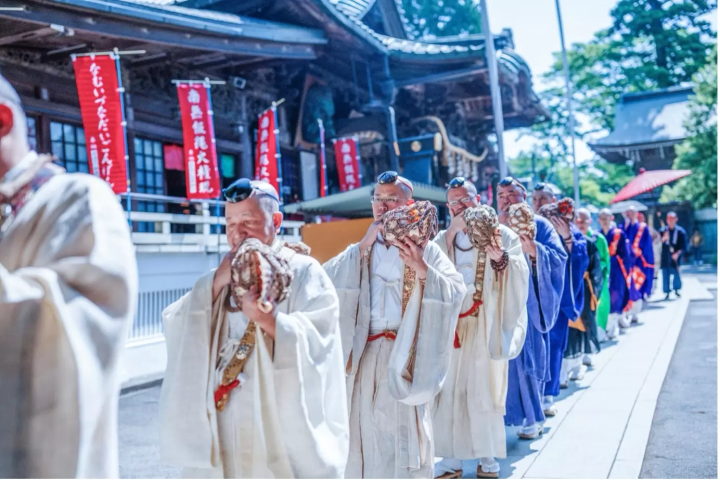
The ritual is conducted daily, and for the uninitiated, the atmosphere—filled with the rhythmic beating of drums and the piercing sound of conch shells—can be overwhelming. The ON THE TRIP audio guide serves as a bridge, offering context to the etiquette and spiritual intent behind the ceremony. Participants are invited to apply for the ritual at the Goma Reception Desk, turning a casual hike into a profound personal vow.

Shojin Ryori: A Culinary Connection to the Mountain
Perhaps the most unique aspect of the Takao experience is Shojin Ryori (Buddhist vegetarian cuisine). Unlike standard temple food, the cuisine at Yakuoin is rooted in the philosophy that "everything is a Buddha," including the plants and the wind itself.
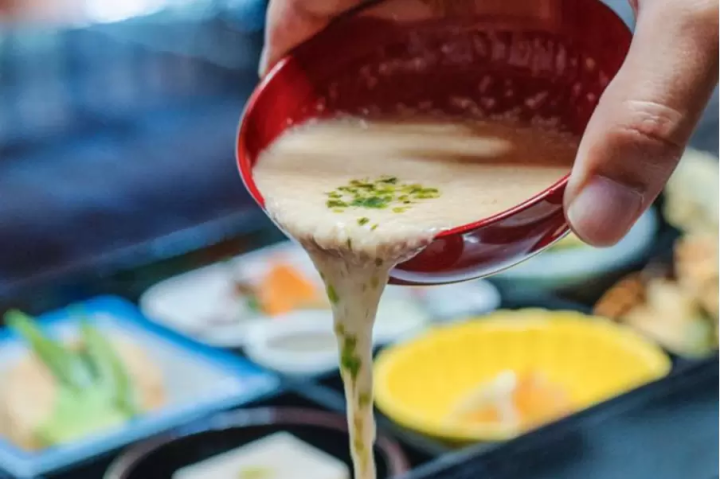
The food relies on seasonal, locally sourced vegetables, excluding all animal products to allow the natural flavor of the ingredients to emerge. By consuming these meals while listening to the audio guide, guests are encouraged to move beyond mere sustenance and engage in an act of reflection.
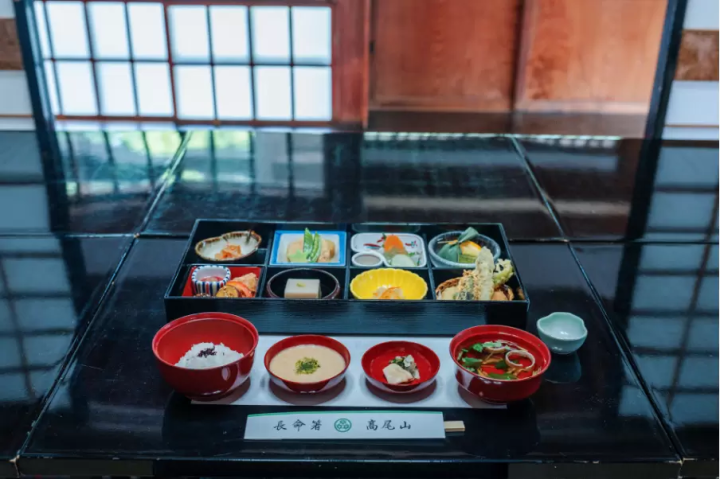
Note: Shojin Ryori is available by reservation only. Groups of two or more can book meals, typically served between 11:00 AM and 2:00 PM, with prices ranging from 3,300 to 4,400 yen.
Implications: Why Mount Takao Matters
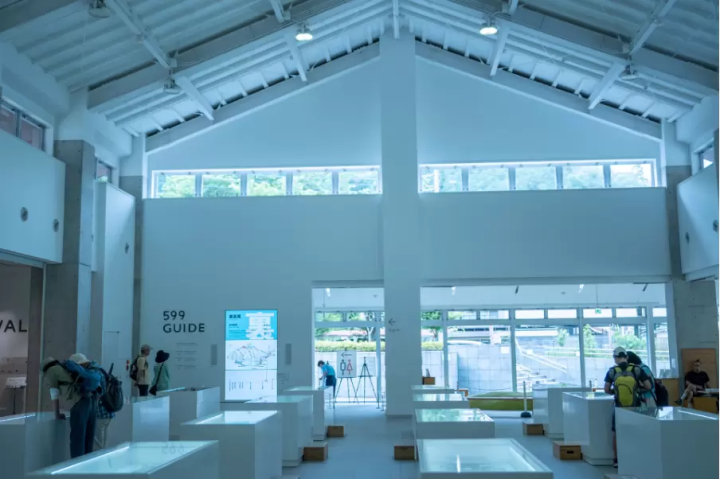
The significance of Mount Takao lies in its accessibility and its persistence. In an era where urban centers are expanding at an unprecedented rate, the mountain serves as a "green lung" and a moral anchor. The TAKAO 599 MUSEUM, located at the base of the mountain, plays a critical role in this, serving as a gateway for visitors to "focus their eyes" on the biodiversity before they even begin their ascent.
By integrating technology with ancient tradition, Mount Takao provides a blueprint for sustainable tourism. It demonstrates that when visitors are given the tools to understand the why behind a landscape—why a tree is protected, why a ritual is performed, and why a view is sacred—the experience shifts from consumption to stewardship.
Final Recommendations for the First-Time Visitor
- Download Before You Arrive: Ensure the ON THE TRIP app is installed and the specific Mount Takao guide is downloaded before reaching the station, as mobile connectivity can be intermittent on the trails.
- Mix Your Transport: Take the cable car on the way up to enjoy the steep, mechanical thrill, and descend on foot to appreciate the forest’s silence.
- Prioritize the 599 Museum: Dedicate time at the base to understand the local ecology; your appreciation for the small details on the trail will increase tenfold.
- Respect the Rituals: If participating in the Goma ritual or enjoying a meal at Yakuoin, approach the experience with the patience it requires. These are not fast-paced attractions, but opportunities for quiet contemplation.
Mount Takao remains a mountain of depth. Whether you are seeking a rigorous hike or a moment of zen, the stories embedded in its soil, its temples, and its winds are waiting to be heard. All you need to do is put on your headphones, step onto the trail, and let the mountain reveal its secrets.












No comments yet. Be the first to join the conversation!