Rifan Muazin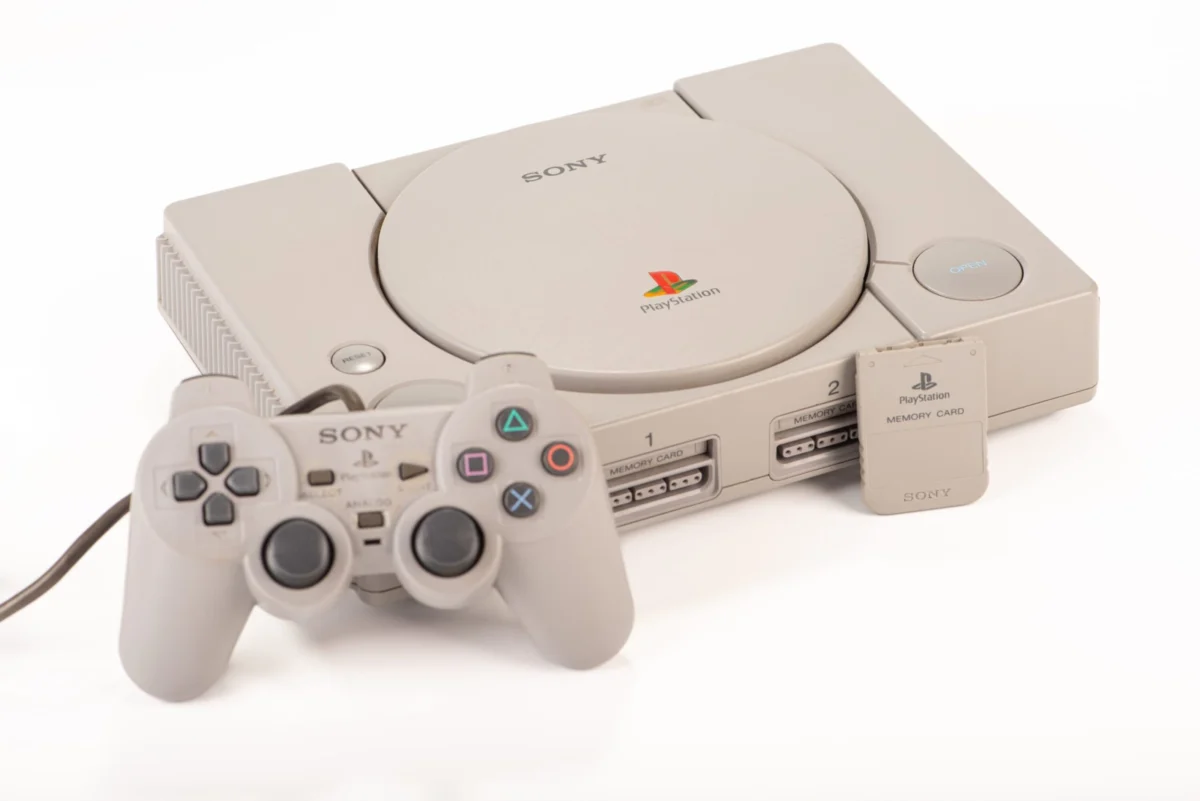
Just when the gaming community thought the zenith of PlayStation nostalgia had been reached—following the recent release of Anicorn’s premium, limited-edition PlayStation-inspired timepiece—Sony has pivoted toward a more utilitarian, yet equally evocative, celebration of its heritage. This July, the tech giant is bridging the gap between retro-gaming affection and modern productivity by releasing an officially licensed laptop and tablet sleeve modeled directly after the legendary 1994 PlayStation (SCPH-1000).
In a move that feels quintessentially Japanese, this high-fidelity accessory will be available not just through specialized tech boutiques, but through the ubiquitous aisles of 7-Eleven. For those who grew up in the era of 32-bit polygonal graphics and memory cards, the sleeve represents more than just a functional case; it is a portable, tangible piece of a cultural revolution.
The Design: A Miniature Masterpiece
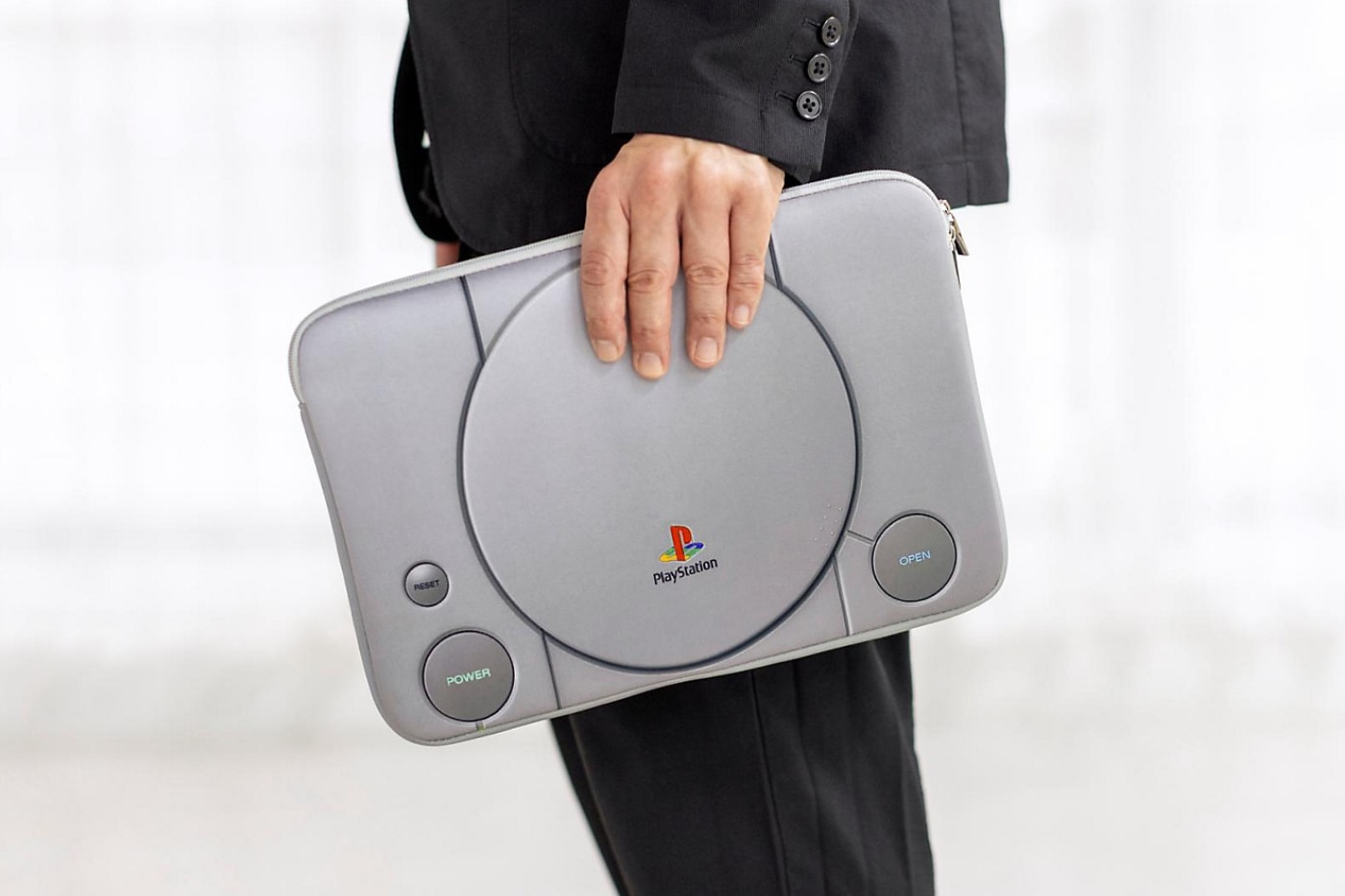
Rather than merely slapping a logo onto a generic nylon bag, the design team at Sony has opted for a faithful, almost architectural, homage to the original console. The sleeve is crafted to replicate the signature "PlayStation Gray"—a specific, muted tone that triggers instant recognition among millions.
The exterior features a meticulous recreation of the console’s industrial design, including the circular disc lid and the precise, familiar button placement of the original power and reset switches. At a glance, the sleeve creates an optical illusion; to the casual observer, it appears as though the user has successfully shrunk an original 1994 console and tucked it under their arm.
Technical Specifications
Despite its heavy aesthetic focus, the sleeve remains a highly practical piece of equipment.
- Dimensions: 23 x 33 centimeters.
- Weight: 177 grams.
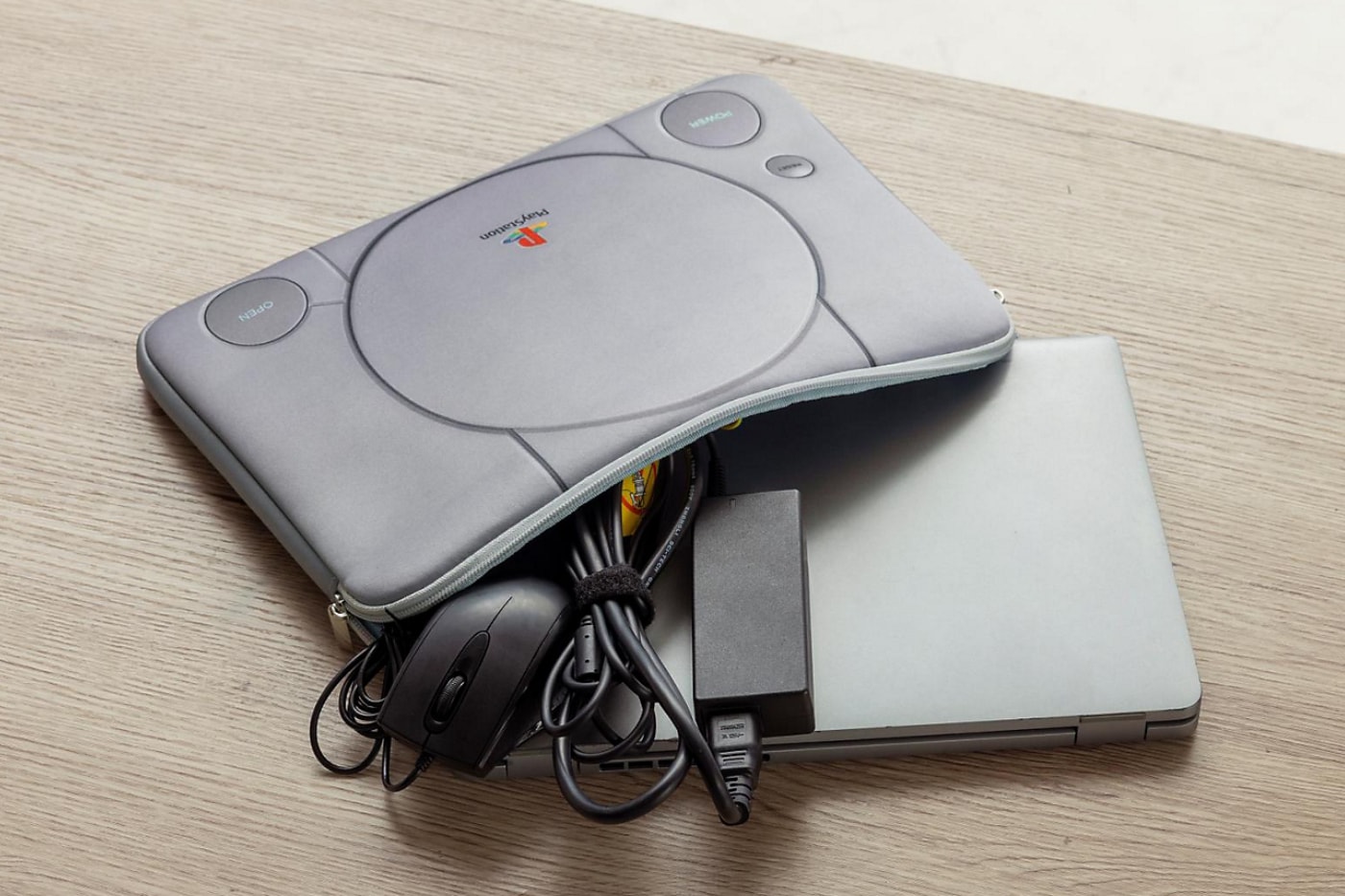
- Capacity: Designed to accommodate standard tablets and modern slim-profile laptops, alongside essential peripheral cables and small accessories.
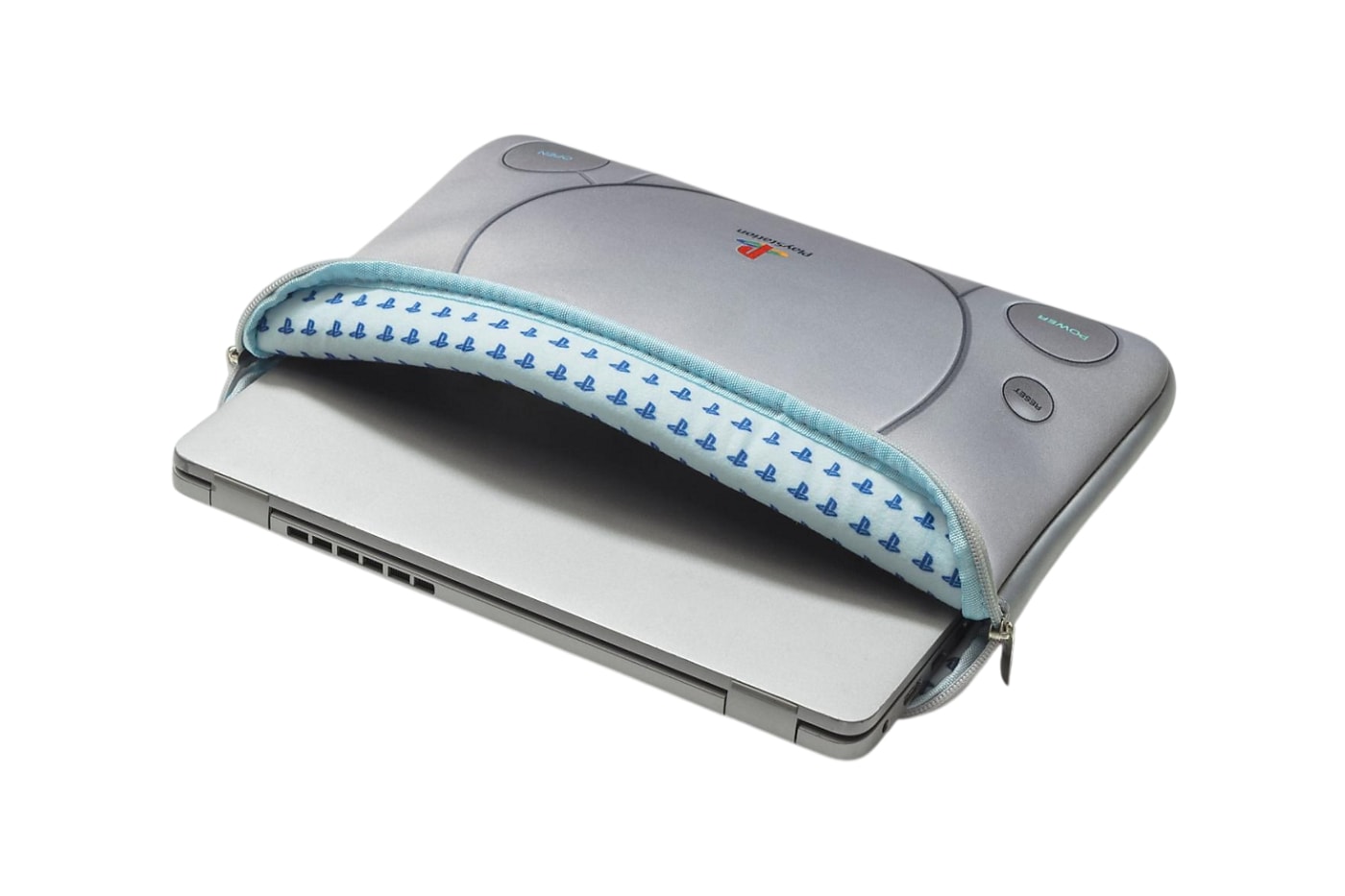
- Interior Aesthetic: The interior lining provides a subtle contrast to the austere exterior, featuring a repeating blue pattern composed of dozens of miniature, stylized PlayStation family icons.
At a price point of ¥3,630 (approximately $24 USD), the sleeve positions itself as an accessible collectible. It is, perhaps, one of the few pieces of modern office equipment capable of acting as an immediate social catalyst, sparking instant recognition and nostalgia among the millennial demographic that defines the current gaming market.
Chronology: The Evolution of a Cultural Titan
To understand why a laptop sleeve modeled after a thirty-year-old console commands such attention, one must look back at the trajectory of the PlayStation brand.
1994: The Disruption of the Industry
Released in Japan on December 3, 1994, the PlayStation did not merely enter the market; it disrupted the existing hegemony. At the time, the gaming landscape was dominated by cartridge-based systems like the Nintendo 64 and the aging Super Famicom. Sony’s decision to utilize CD-ROM technology was a massive gamble that paid off in dividends.
The increased storage capacity of CDs allowed developers to move beyond simple sprite-based games, ushering in the era of cinematic storytelling, high-fidelity pre-rendered backgrounds, and orchestral-quality soundtracks. This shift fundamentally altered the perception of video games from "toys for children" to a sophisticated medium of interactive entertainment.
1995–2000: The Golden Age of Poly-Art
Following its success in Japan, the console’s global rollout triggered a pop-culture explosion. The late 90s were defined by titles that pushed the hardware to its absolute limit:
- Final Fantasy VII (1997): Proved that complex, narrative-driven RPGs could find massive commercial success on home consoles.
- Metal Gear Solid (1998): Pioneered the stealth genre and cinematic "filmic" gaming.
- Resident Evil (1996): Defined the survival horror genre, turning a niche concept into a mainstream phenomenon.
- Crash Bandicoot (1996): Provided a mascot that could stand toe-to-toe with Mario, proving Sony had the creative ecosystem to support a console for years to come.
2024–2026: The Age of the Heritage Brand
In the modern era, Sony has leaned heavily into its history. The 30th-anniversary celebrations have included various hardware variants and limited-edition peripherals. The decision to release a laptop sleeve via 7-Eleven highlights the transition of the PlayStation from a piece of consumer electronics into a "lifestyle brand." The console is no longer just a gaming device; it is a symbol of a formative era for millions of adults currently in the workforce.
Supporting Data: Why Retro Remains Relevant
The market for retro-gaming merchandise is not a fad; it is a multi-billion-dollar engine driven by psychological attachment and design nostalgia.
Market research into the "nostalgia economy" suggests that consumers born between 1980 and 1995 represent the largest spending power in the gaming sector. For this demographic, the "gray brick" of the original PlayStation represents a bridge to their youth. Unlike modern, sleek, black-and-white consoles, the 1994 model had a distinct tactile identity—the clicking of the disc tray, the hum of the internal motor, and the glow of the green power light.
By manufacturing a product that mimics the look and feel of that specific era, Sony is tapping into what psychologists call "sensory branding." The sleeve serves as a tactile trigger for the memories of long summer nights spent with a controller in hand, the anxiety of limited memory card slots, and the awe of seeing 3D environments for the first time.
Official Responses and Strategic Positioning
While Sony Interactive Entertainment (SIE) has remained relatively quiet regarding the specifics of the design process, representatives have hinted that the "PlayStation Heritage" line is designed to bridge the gap between "the player of 1994 and the professional of 2024."
By partnering with 7-Eleven in Japan, Sony is also leaning into the "convenience culture" that defines the brand’s home market. Placing high-quality, officially licensed goods in a place where consumers buy their morning coffee or lunch creates an effortless, low-friction purchase path that encourages impulsive, joy-driven buying.
"We wanted to ensure that the sleeve wasn’t just a gimmick," noted a representative for the distribution side of the project. "It had to be durable enough to protect a laptop, yet nostalgic enough to elicit a smile during a boardroom meeting."
Implications: The Future of Gaming Merchandising
The success of this product—which is expected to sell out almost immediately upon its July release—signals a shift in how gaming companies view their intellectual property. We are moving away from an era where merchandise was limited to shirts and figurines, into an era where "gaming lifestyle" products occupy high-utility spaces.
The Professional-Gamer Divide
The implication here is clear: the generation that grew up playing Metal Gear Solid is now in the C-suite and middle management. They are looking for ways to express their identity in the workplace without sacrificing professionalism. A sleek, grey laptop sleeve that looks like a piece of minimalist art to the uninitiated, but functions as a secret handshake to other gamers, is the perfect middle ground.
Cultural Preservation
Furthermore, this initiative serves as a form of cultural preservation. By keeping the design of the original console alive in the physical space, Sony is ensuring that the "PlayStation identity" remains a constant in the consumer’s daily life. It cements the console’s status as an iconic piece of industrial design, placing it on the same level of cultural ubiquity as the Polaroid camera or the Walkman.
Conclusion: A Capsule for the Modern World
Thirty years after its debut, the original PlayStation remains more than a retired piece of hardware. It is a cultural time capsule. As we look toward a future of cloud gaming, VR, and hyper-realistic graphics, there is a profound comfort in returning to the simple, gray, geometric lines of the machine that started it all.
Whether you are a collector who intends to keep it in mint condition or a professional looking to carry your MacBook in style, the PlayStation laptop sleeve is a testament to the enduring power of the brand. It proves that the most effective way to reach the modern consumer is not always through the latest technology, but through the memories that define us.
For those eager to secure a piece of this legacy, pre-orders are currently being managed through Seven Net Shopping. Given the limited nature of the release and the fervor of the Japanese collector market, immediate action is recommended for those who wish to ensure they can carry their digital lives inside the heart of 1994.


 Neng Nana
 Asro
Asro