The landscape of modern gaming has been permanently altered by the "Open-World Era." It is a genre that has transcended mere exploration, evolving into a philosophy of design that prioritizes immersion and player agency. While the industry has been chasing the gold standard set by titles like The Legend of Zelda: Breath of the Wild and Elden Ring for years, 2026 feels like the year the genre finally hits a crescendo. As we move past the halfway point of the year, the release calendar is teeming with massive, living worlds that demand hundreds of hours of our time.
But with great scale comes great responsibility—both for the developers crafting these experiences and the players trying to manage their backlogs. From high-seas adventures to post-apocalyptic survival, here is an in-depth look at the most significant open-world titles currently defining the latter half of 2026.
The Chronology of Exploration: A 2026 Roadmap
The gaming industry often operates in waves, and this year is no exception. July through November represents a tidal wave of content, with developers timing their releases to capture the attention of players before the year-end awards cycle.
- July 9: Assassin’s Creed: Black Flag Resynced
- August 4: Big Walk
- September 3: The Blood of Dawnwalker
- September 9: Valheim (1.0 Official Launch)
- September 15: RuneScape: Dragonwilds
- September 24: Hot Wheels: Infinite Rush
- Late September: Aion 2 (Global Release)
- November 19: Grand Theft Auto VI
- Q3 2026 (Window): Aniimo
- TBD 2026: Mortal Shell II
Supporting Data and Analysis of Key Titles
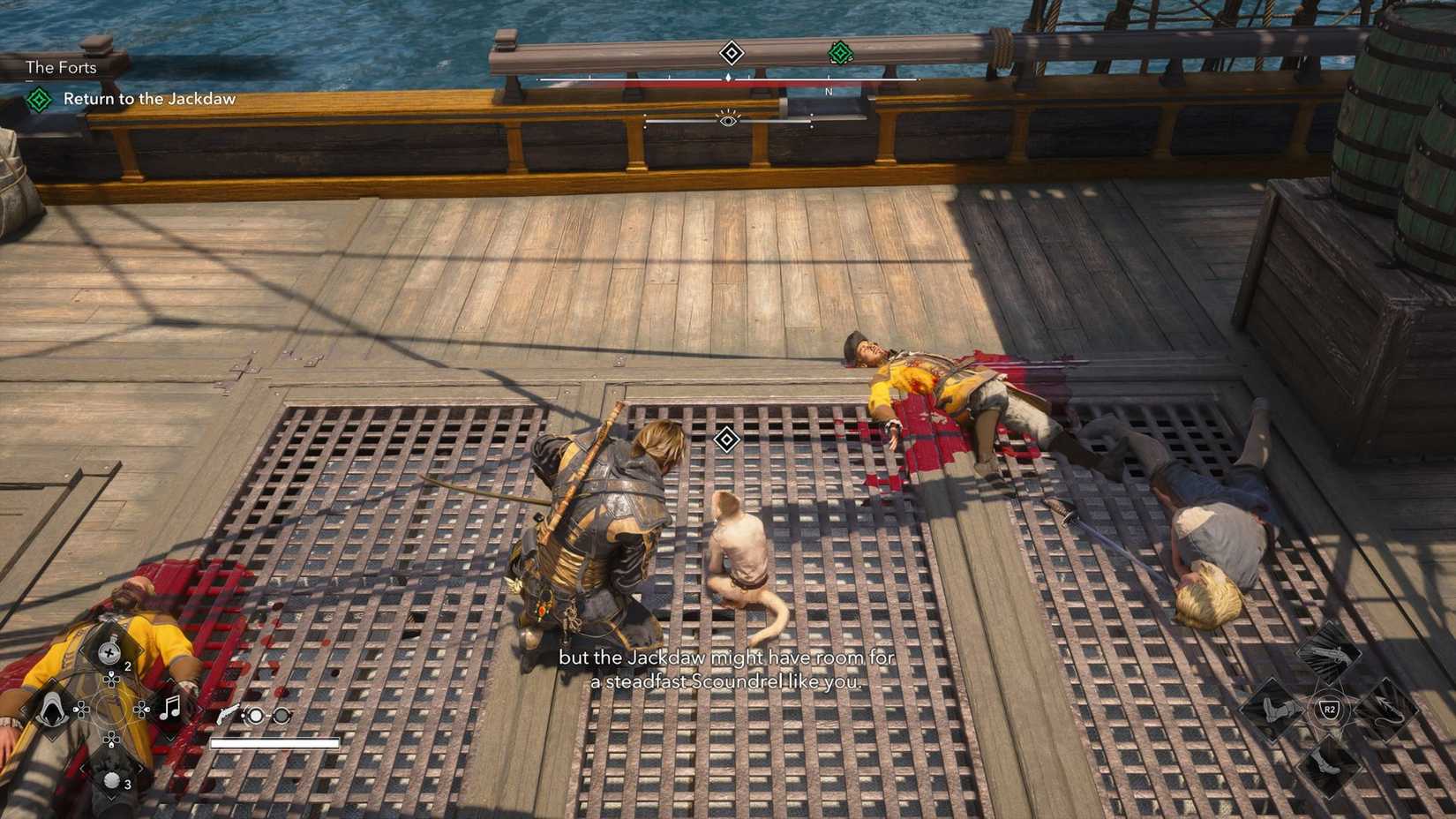
1. Assassin’s Creed: Black Flag Resynced (July 9)
Thirteen years after the original Black Flag redefined the naval combat and exploration elements of the Assassin’s Creed franchise, Ubisoft is returning to the Caribbean. Resynced is not just a visual overhaul; it is a mechanical modernization. By integrating modern physics and AI-driven weather patterns, Ubisoft aims to recapture the sense of freedom that made the 2013 original a fan favorite. The stakes here are high: if Resynced succeeds, it establishes a blueprint for revitalizing the entire "Golden Age" of the Assassin’s Creed series.

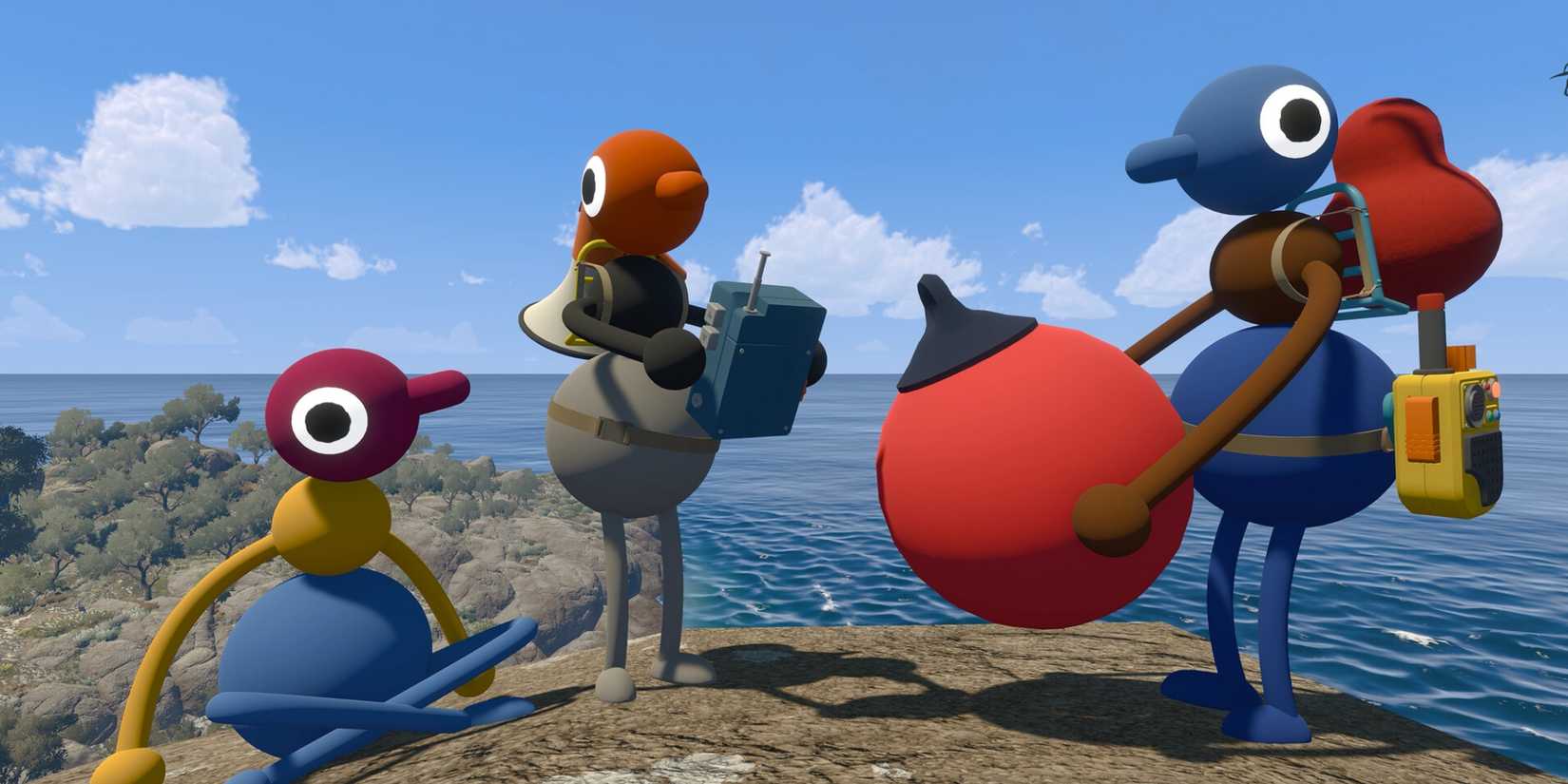
2. Big Walk (August 4)
From the creative minds at House House (the team behind the breakout hit Untitled Goose Game), Big Walk takes a more contemplative approach to the open-world genre. Rather than focusing on combat or conquest, it is a multiplayer-centric exploration game designed to facilitate communication and collaborative discovery. It represents a shift toward "soft-spoken" open worlds—environments where the primary objective is to learn the landscape and interact with friends in a low-pressure setting.
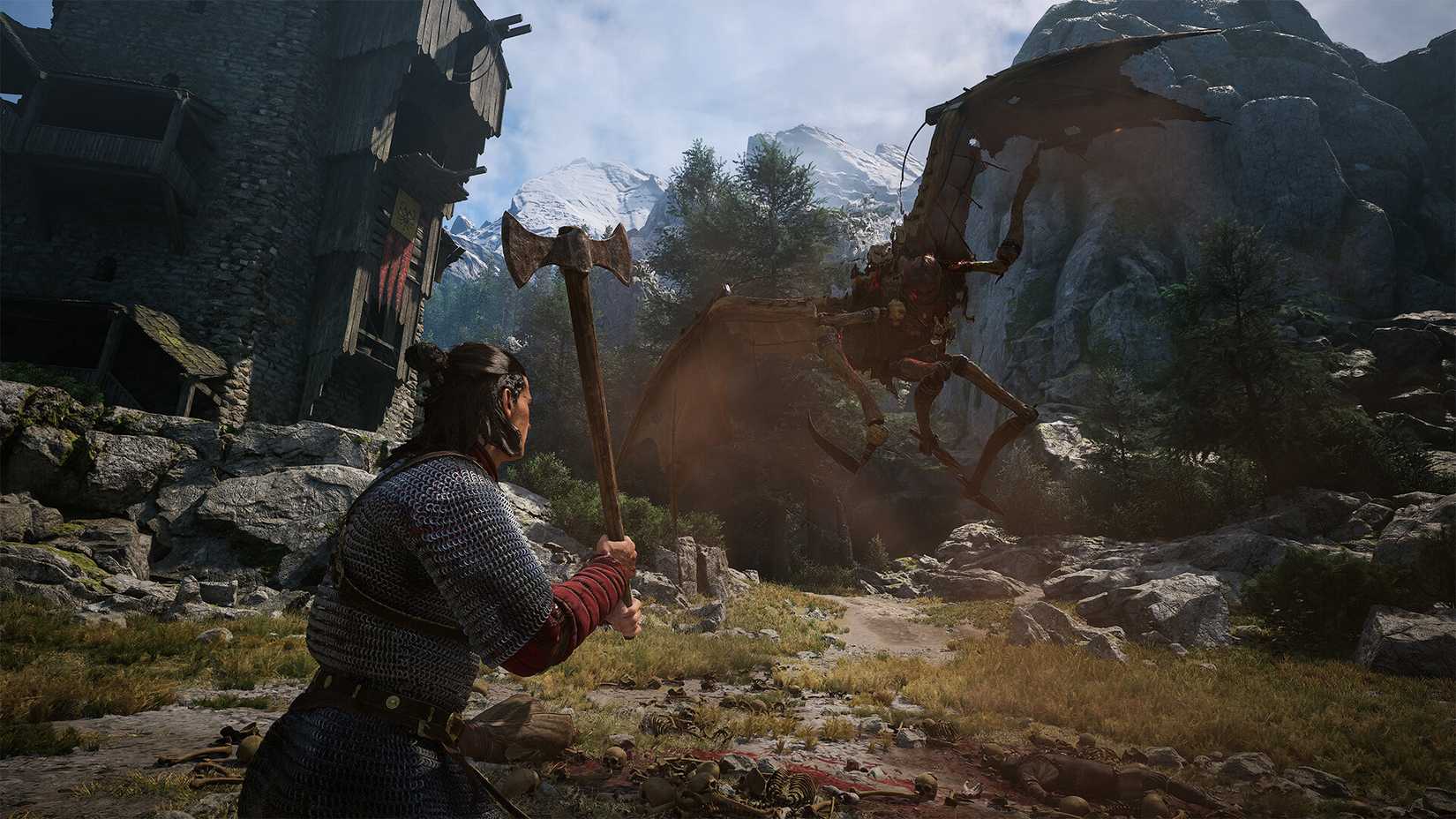
3. The Blood of Dawnwalker (September 3)
Developed by Rebel Wolves—a studio comprised of industry veterans, including former Witcher developers like Konrad Tomaszkiewicz—this title is perhaps the most narrative-dense project of the year. The core mechanic involves a dual-state protagonist: a human by day and a vampire by night. This cycle isn’t just cosmetic; it dictates the entire control scheme and traversal capabilities, with night-time gameplay emphasizing supernatural parkour. The industry is watching this one closely, as it aims to provide the depth of a classic RPG within a fluid, systemic open world.
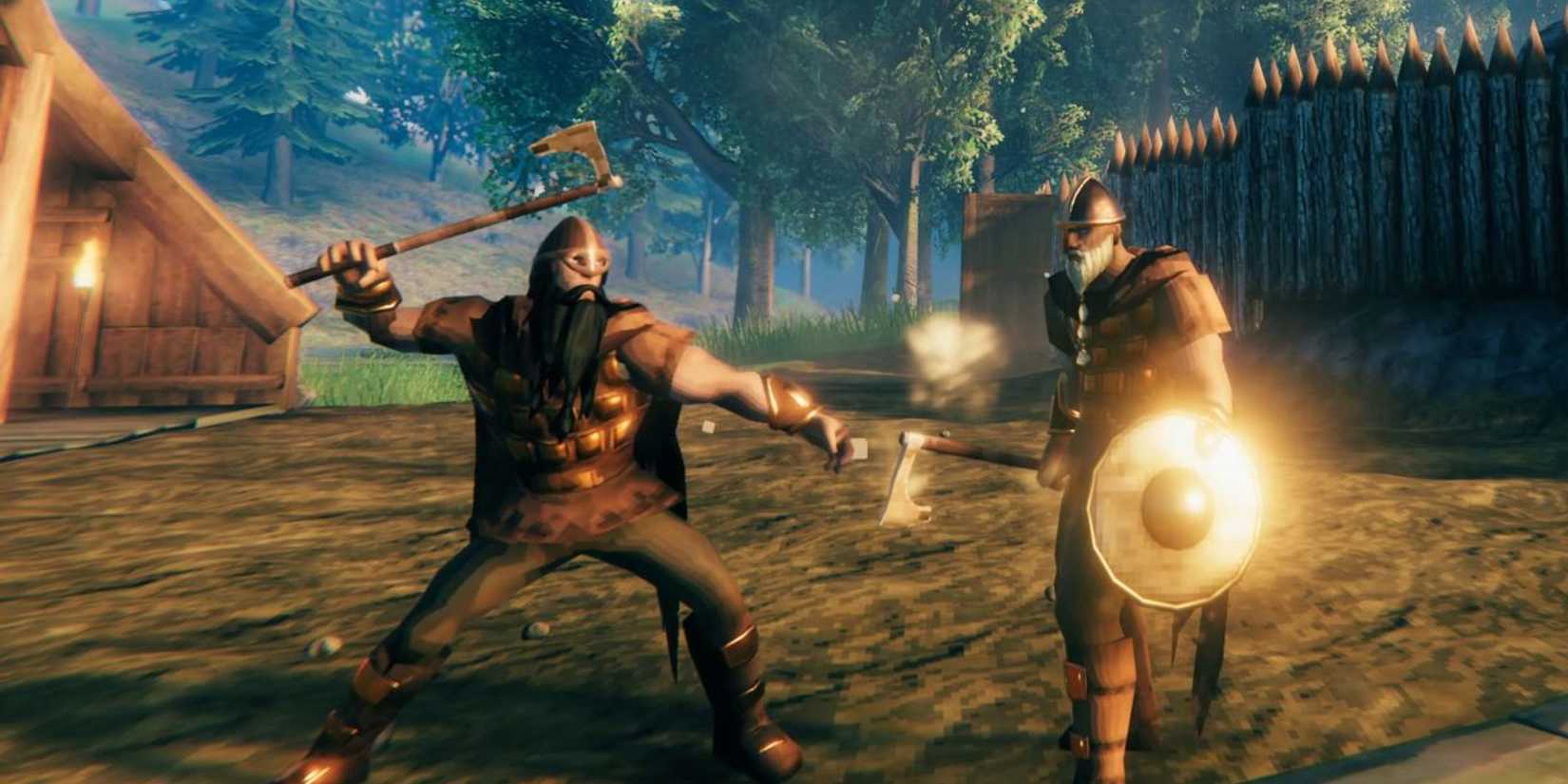
4. Valheim: The 1.0 Milestone (September 9)
Valheim has been a staple of the survival genre since its early access debut in 2021. Its departure from early access is a landmark moment for the survival community. With the inclusion of the "Deep North" biome, developer Iron Gate AB is looking to finalize the procedural loops that have kept players engaged for years. Its success serves as a case study in how to sustain a player base through iterative updates without succumbing to the pitfalls of predatory live-service models.
5. Grand Theft Auto VI (November 19)
The titan of the industry returns. Grand Theft Auto VI is not merely a game; it is a cultural event. With an release date set for mid-November, Rockstar Games is positioning this title to dominate the holiday season. The narrative focuses on the duo of Jason Duval and Lucia Caminos, navigating the dangerous criminal underbelly of a modernized Vice City. The massive density of the map and the promise of a more reactive world have caused a noticeable shift in the industry, with many other publishers avoiding a November release window entirely to avoid being overshadowed by this juggernaut.
6. Aniimo (Q3 2026)
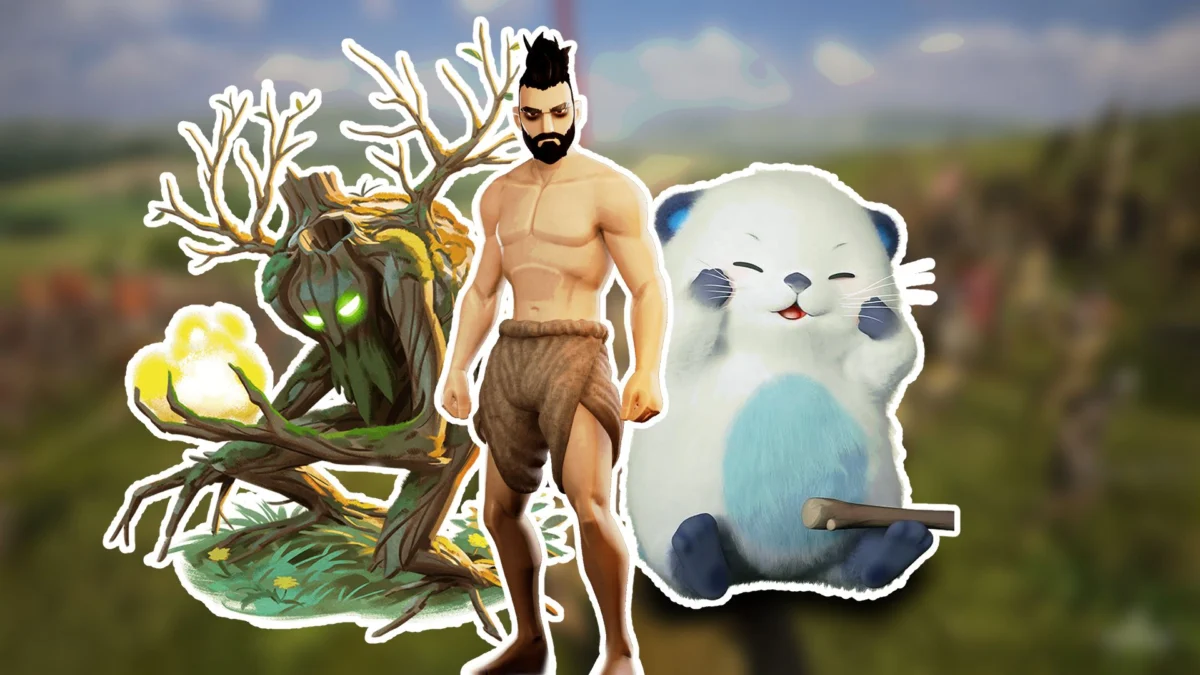
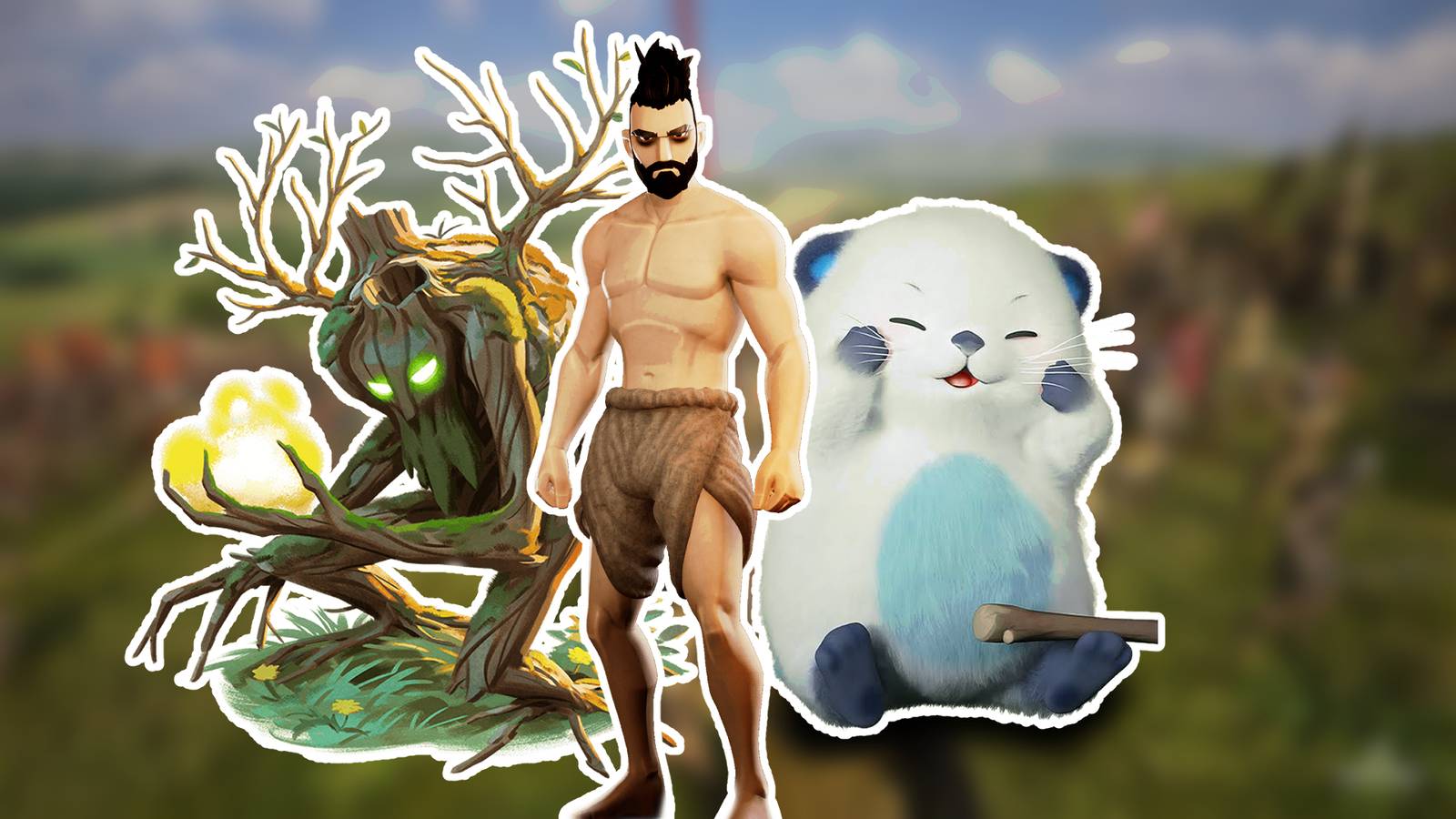
Aniimo is the industry’s latest attempt to capture the lightning-in-a-bottle success of creature-collection RPGs. While visually stunning, it has invited skepticism due to its free-to-play model. By positioning itself in a market currently dominated by Palworld and Pokémon, Aniimo must prove that its monetization strategy doesn’t compromise its gameplay loop. If the quality of its creature design matches its graphical fidelity, it could become the new standard for the genre.
7. Mortal Shell II (2026)
The Soulslike genre is notoriously difficult to master, and Mortal Shell II is aiming to refine the niche systems of its predecessor. The original game was praised for its "shell" mechanic, which allowed players to swap between different character classes on the fly. The sequel intends to expand this into a more robust open-world format, moving away from the more constrained levels of the first title. Whether the developer can maintain the tense, atmospheric combat while increasing the map scale remains the primary point of contention among fans.
Official Perspectives and Industry Implications
The trend toward larger, more connected worlds is not without its critics. During a recent industry panel, several developers noted that "scope creep" is the biggest threat to the modern open-world game.
"We are seeing a move away from ‘feature-bloat’ and toward ‘meaningful density,’" says lead designer Marcus Thorne. "Players are no longer impressed by map size alone. They are impressed by how the world reacts to their presence."
This sentiment is reflected in the cautious reception of Aion 2. While the game promises a return to the series’ iconic flight-based exploration, early feedback from soft-launch participants suggests that the integration of generative AI assets and a restrictive, story-bound progression system has stifled the freedom players expect from a modern MMO. The developers have responded by promising future updates to expand exploration freedom, highlighting the volatility of relying on AI-generated content in a genre that thrives on intentional, human-led world design.
Implications for the Future of Gaming
The sheer volume of open-world games releasing in late 2026 suggests that the genre is approaching a saturation point. As players become more selective with their time, the games that succeed will be those that provide high-quality "emergent gameplay"—moments that occur naturally within the game’s systems rather than being explicitly scripted by the developers.
Furthermore, the shift toward multiplayer-integrated open worlds, as seen in Big Walk and the continued evolution of Valheim, suggests that the "lone wolf" experience of games like Breath of the Wild is being challenged by a desire for shared experiences. The industry is currently experimenting with how to keep these worlds "alive" for months or years, moving away from static releases toward living, breathing ecosystems that change based on player collective action.
As we head into the final months of 2026, the question remains: will the market collapse under the weight of its own ambition, or are we witnessing the maturation of the most immersive genre in gaming history? With titles as diverse as the high-speed Hot Wheels: Infinite Rush and the gritty Grand Theft Auto VI, the only certainty is that players will be occupied for a long time to come. It is, quite literally, an open world—and we are just lucky to be living in it.