

The landscape of the American telecommunications industry has shifted dramatically over the past 24 months. For years, the "Big Three"—Verizon, AT&T, and T-Mobile—operated in a predictable rhythm of price hikes, bundled streaming services, and aggressive phone financing. However, halfway through 2026, the consumer experience has hit a strange inflection point.
If you had polled industry analysts two years ago, few would have predicted that Verizon—the long-standing "premium" carrier known for its high price tags—would be the most recommended postpaid service in the current market. Yet, as AT&T and T-Mobile pivot toward strategies that prioritize corporate revenue over consumer value, Verizon has adopted a surprisingly "un-carrier-like" posture, attempting to capture market share with a leaner, more transparent approach.
Main Facts: The Shift in Market Strategy
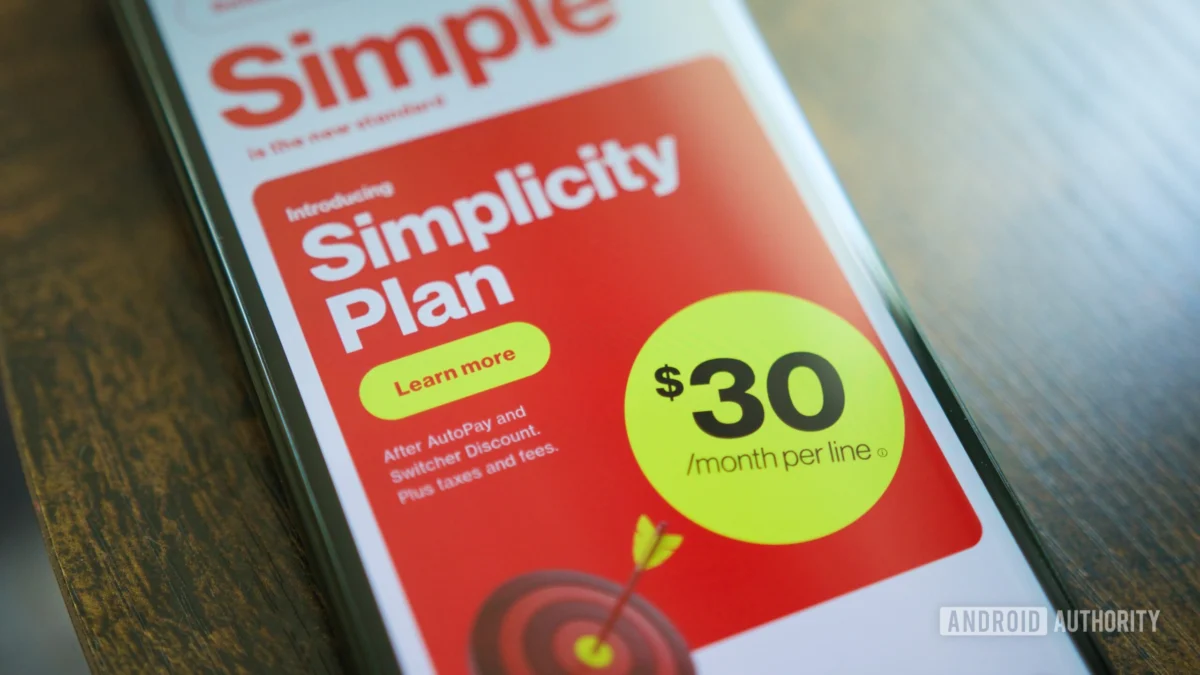
The primary driver of this shift is the introduction of the "Verizon Simplicity" plan. In an industry defined by convoluted tiers and hidden surcharges, Simplicity attempts to strip away the noise. The plan offers unlimited talk, text, and prioritized high-speed data for a base rate as low as $30 per month per line.
While the headline rate is aggressive, the strategy is a double-edged sword. Verizon has effectively separated its cellular service from the hardware subsidies that historically defined the postpaid experience. This is a fundamental change: users are no longer paying "hidden" phone costs in their monthly service bill. Instead, they are paying for connectivity, with hardware upgrades treated as modular add-ons.
For the average consumer, this means the end of the "free phone" era that kept many locked into three-year contracts. While some may view this as a loss of value, others see it as the long-overdue commoditization of cellular service.
Chronology: The Road to 2026
The current state of the market is the result of a series of strategic maneuvers executed over the last two years:
- Late 2024: AT&T began its aggressive push into bundling home broadband with mobile plans, signaling a shift in focus toward "converged" households rather than individual mobile users.
- Early 2025: T-Mobile, once the champion of "Un-carrier" disruption, began phasing out its most affordable legacy plans, forcing long-time customers onto newer, more expensive tiers. This move, combined with the reduction of retail storefronts, alienated a segment of its base.
- Mid-2025: Verizon observed the growing consumer resentment toward the other two carriers and initiated a "clean slate" approach to its plan architecture.
- Early 2026: AT&T released a new suite of core cellular plans. Rather than delighting customers, the market responded to these as "sidegrades"—plans that offered little improvement for the price, cementing the perception that the carrier was stagnating.
- Mid-2026: Verizon launched the "Simplicity" plan, directly targeting the frustration surrounding price transparency.
Supporting Data: The Case Against the Competition
To understand why Verizon is currently the recommendation of choice, one must look at the declining value propositions of its primary competitors.
The AT&T Stagnation
AT&T’s current strategy is heavily tethered to its broadband infrastructure. While this is beneficial for users looking to bundle, it offers zero incentive for mobile-only users. The "Value" and "Extra" tiers introduced earlier this year have been criticized for offering less value than previous iterations. By failing to innovate on the mobile front, AT&T has essentially become a utility-first provider, leaving little room for price-conscious consumers to find a "win."
The T-Mobile Paradox
T-Mobile presents a more complex narrative. On one hand, the introduction of the "Better Value Plan" and specific loyalty-based tiers shows that the company understands its retention problem. However, these positive moves are overshadowed by the company’s aggressive migration of legacy customers to more expensive plans. By weakening its historical price guarantees and removing inclusive taxes and fees, T-Mobile has effectively walked back the very policies that helped it grow into a major player.
Official Responses and Corporate Positioning
While the carriers rarely comment on the "why" behind their pricing shifts, their quarterly investor reports tell the story. Verizon has focused heavily on "efficiency" and "reducing churn." By creating a plan that is easy to understand, they are gambling that customers will stay for the reliability of the network rather than being lured away by a "free" iPhone that comes with a 36-month commitment.
In contrast, T-Mobile’s leadership has publicly defended the retirement of legacy plans as a necessary step to "streamline network operations" and move the entire user base to 5G-optimized infrastructure. However, for the consumer, these corporate justifications often feel like a justification for increased Average Revenue Per User (ARPU).
Implications: The "Prepaid Plus" Reality
The most significant implication of the 2026 market is that the line between "postpaid" and "prepaid" is blurring. Verizon’s Simplicity plan is, for all intents and purposes, a "prepaid-plus" experience. It removes the traditional perks—like bundled streaming services or device subsidies—and replaces them with pure connectivity.
For the vast majority of users, this is a positive development. We are entering an era where the consumer is finally beginning to decouple the cost of their phone from the cost of their data. This shift, however, brings several implications:
- The End of the "Free" Phone: Consumers must now be prepared to pay for their devices upfront or through third-party financing. The era of the $0 down, $0 monthly fee smartphone is rapidly coming to a close.
- Increased Transparency: Because the service cost is separated from the hardware, it is now much easier for consumers to compare "apples to apples" when looking at monthly bills.
- The Rise of MVNOs: With the "Big Three" raising prices and reducing legacy benefits, independent carriers (like US Mobile or Verizon’s own Visible) are becoming increasingly attractive. The "Big Three" are now competing not just with each other, but with their own sub-brands.
The Verdict: Why Verizon, and Why Now?
Ultimately, declaring a "winner" in the current wireless market is like choosing the best seat on a sinking ship. None of the major carriers are currently offering the level of value seen five years ago. However, in the context of 2026, Verizon stands out as the most pragmatic choice for those who still require a postpaid account.
The "Simplicity" plan succeeds because it treats the customer like an adult. It doesn’t promise a free subscription to a service you don’t use, and it doesn’t bury the price under layers of complex surcharges. It offers a straightforward, prioritized data experience.
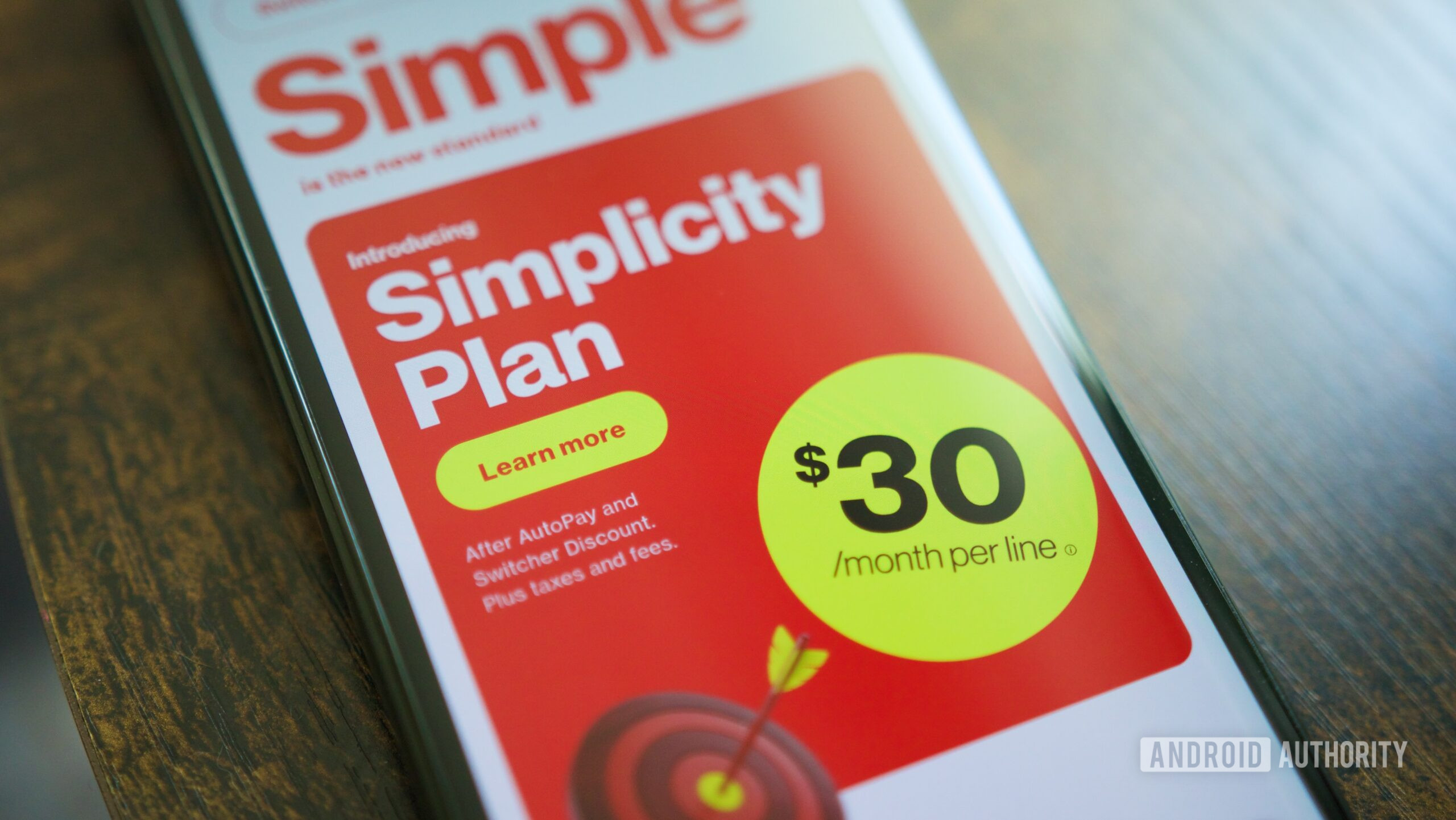
However, a word of caution: the $30/month entry point is contingent upon switching from another carrier. Existing customers, or those who require device financing, will find that the "Simplicity" of the plan evaporates quickly.
Final Recommendations for the Consumer:
- Evaluate your needs: If you do not require a new device every year, move away from postpaid entirely. Look toward prepaid options like Visible or US Mobile. The performance on the same networks is often indistinguishable, and the price is consistently lower.
- The "Switching" Advantage: If you are determined to stay with a major carrier, use your status as a "new customer" to secure the lowest possible rates. In 2026, loyalty is rarely rewarded by the carrier; switching is the only way to reset your pricing.
- Read the Fine Print: Even with "Simple" plans, watch for how taxes and fees are handled. Verizon’s transparency is better than the competition, but it is not absolute.
As we look toward the remainder of 2026, the question is whether AT&T or T-Mobile will respond to Verizon’s pivot. If they don’t, we may see a further migration of customers to the prepaid sector, effectively hollowing out the postpaid model that has defined the US wireless industry for decades. For now, Verizon has managed to read the room better than its rivals, and in the current climate, that is enough to earn the recommendation.











