Nana Muazin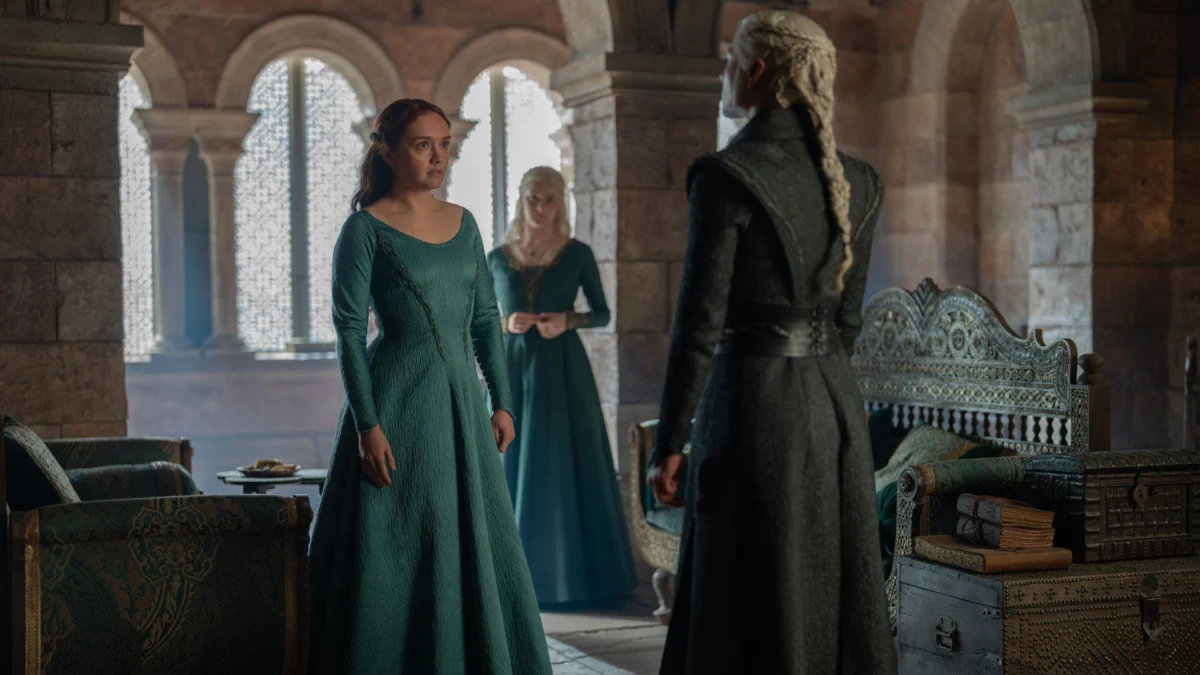
King’s Landing, Westeros – July 5, 2026 – The third episode of House of the Dragon season 3 plunged viewers deeper into the brutal realities of the Dance of the Dragons, revealing the devastating personal toll of the civil war on its central figures, Queen Alicent Hightower and Queen Rhaenyra Targaryen. Following a failed escape attempt and a bloody execution, the former childhood friends find their relationship irrevocably shattered, marked by a profound sense of betrayal, grief, and an unyielding struggle for power. As Westeros braces for further conflict, the queens’ intertwined fates underscore the series’ grim exploration of ambition, duty, and the corrosive nature of conflict.
Main Facts: A Kingdom in Turmoil
- Queen Alicent Hightower (Olivia Cooke) finds herself a prisoner in the Red Keep, her attempt to flee King’s Landing with her daughter Helaena thwarted after her son, King Aegon II (Tom Glynn-Carney), secretly abandoned the city.
- Queen Rhaenyra Targaryen (Emma D’Arcy) now occupies the Iron Throne but faces immediate challenges in governing a city plagued by shortages, a rat infestation, and the lingering shadow of war.
- Rhaenyra, still reeling from the death of her son Jace in the Battle of the Gullet, demonstrates a newfound ruthlessness, executing Alicent’s father, Otto Hightower, for his conspiracies against her claim.
- Actors Olivia Cooke and Emma D’Arcy both emphasize the irreparable damage to their characters’ once-close bond, highlighting the impossibility of a return to a "simple relationship" due to accumulated betrayals and deaths.
- The episode lays bare the heavy burden of leadership on Rhaenyra, echoing Alicent’s past experiences ruling alongside King Viserys, creating a complex dynamic of empathy and animosity between the two queens.
Chronology of Betrayal and Burden
The events of House of the Dragon season 3, episode 3, unfold against a backdrop of escalating conflict and profound personal loss, directly stemming from the climax of season 2. In a desperate bid to avert further bloodshed, Queen Alicent Hightower had brokered a fragile deal with her childhood confidante-turned-nemesis, Queen Rhaenyra Targaryen. The agreement stipulated that Rhaenyra would claim King’s Landing, thereby taking her rightful seat on the Iron Throne, but in exchange, Alicent’s children – King Aegon II, Princess Helaena, and Prince Aemond – would be granted clemency and protection. This precarious pact represented a fleeting hope for a resolution, a final echo of the understanding that once bound the two women.
However, the delicate truce quickly unraveled. King Aegon II, never one to passively accept his fate, secretly fled the capital, shattering the terms of the agreement and leaving his family vulnerable. In the ensuing chaos, Alicent and her daughter Helaena attempted their own escape, only to be apprehended. This betrayal, whether perceived as Aegon’s or Alicent’s, provided Rhaenyra with a fresh wound, a confirmation that trust was a luxury neither queen could afford in this war.
The third episode of the new season picks up directly in the aftermath of these pivotal moments. Alicent, once the queen regent and a figure of authority within the Red Keep, now finds herself its prisoner. Her former chambers, once a symbol of her power and influence, become her gilded cage, a stark reminder of her diminished status and the catastrophic failure of her diplomatic efforts. The humiliation of her capture, combined with the existential threat to her remaining children, paints a grim picture of her predicament.
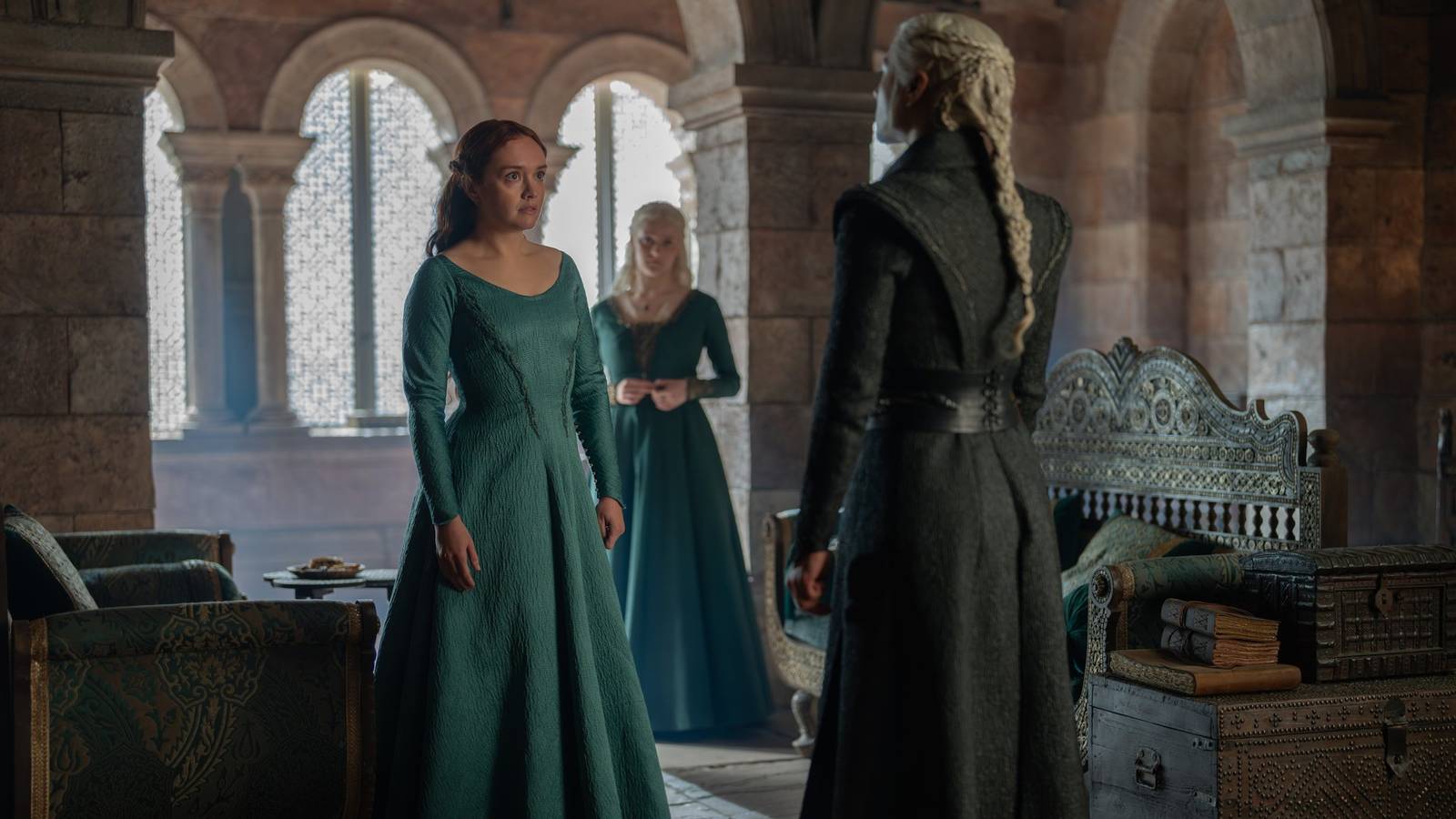
Simultaneously, Rhaenyra, having finally achieved her long-sought throne, discovers that the crown brings not solace, but a new set of formidable challenges. King’s Landing, a city already weary from war and political instability, greets its new queen with practical crises. The episode meticulously details the mundane yet crippling issues she faces: dwindling food supplies, a scarcity of candles plunging parts of the castle into darkness, and the unsanitary omnipresence of rats. These logistical nightmares serve to ground Rhaenyra’s reign in a stark reality, contrasting sharply with the grand aspirations of monarchy.
Moreover, Rhaenyra carries an immense personal burden. The recent death of her son, Prince Jacaerys Velaryon, in the devastating Battle of the Gullet, casts a long, dark shadow over her ascension. Her grief is palpable, intertwining with her newfound responsibilities and undoubtedly fueling a hardened resolve. This period marks a profound transformation for Rhaenyra, from a claimant to a ruler, forcing her to confront the brutal necessities of maintaining power in a realm torn by civil strife. The execution of Otto Hightower, Alicent’s father and a lifelong architect of opposition to Rhaenyra’s claim, serves as a brutal punctuation mark to this transition, signaling Rhaenyra’s willingness to shed blood to solidify her rule and avenge her perceived injustices.
Supporting Data: Voices from the Heart of the Conflict
The actors at the core of this narrative provide invaluable insights into their characters’ motivations and the deteriorating state of their relationship. Olivia Cooke, who portrays Queen Alicent Hightower, articulated the complex dynamic between the two queens in a virtual interview with Polygon. "They’re sort of at opposite ends of a seesaw or scales," Cooke observed, highlighting the inherent zero-sum nature of their power struggle. "Both of them can’t have power at the same time."
However, Cooke also touched upon a deeper, almost symbiotic connection that persists despite their animosity. "But I think when Rhaenyra sneezes, Alicent catches a cold," she elaborated. "No matter where they are, they can’t help but feel the ripple effects of each other’s actions and also recognize and see what each other are going through because they’ve been in these positions themselves." This statement underscores a tragic irony: their shared experiences of ruling Westeros – Alicent as queen regent during Viserys’s decline, and Rhaenyra now on the Iron Throne – create a unique, albeit painful, understanding between them. Alicent, having navigated the treacherous waters of court politics and the burdens of governance, can intimately grasp the challenges Rhaenyra now confronts, even as she despises her rival.

Emma D’Arcy, portraying Queen Rhaenyra Targaryen, shed light on the emotional landscape driving Rhaenyra’s actions, particularly in the wake of her son Jace’s death. "Her journey to the throne comes so in the shadow of her son’s death that I feel like she’s sort of acting on his behalf," D’Arcy explained. This profound grief transforms her ambition, imbuing her pursuit of the crown with a sense of duty to her fallen child. The political becomes deeply personal; for Rhaenyra, securing her place in history is a way to grant her son a form of immortality. "This is a political family whose personal relationships are so fundamentally enmeshed with this political ambition. If Rhaenyra’s name enters the history books, her son gains a kind of immortality," D’Arcy concluded, emphasizing the Targaryen dynasty’s unique conflation of family legacy and political power.
The execution of Otto Hightower, a pivotal moment in the episode, serves as a brutal turning point for Alicent. Cooke vividly described her character’s reaction to witnessing her father’s decapitated body, citing "white-hot anger." This visceral response stems not only from filial grief but also from a profound sense of betrayal regarding the failed bargain with Rhaenyra. "Alicent doesn’t know if Otto has been Rhaenyra’s prisoner this whole time, and this is the first thing that she’s done as the ruler of the Seven Kingdoms, this big showy political act," Cooke elaborated. The execution shatters any remaining illusions Alicent might have harbored about Rhaenyra’s adherence to their agreement or her capacity for mercy. "She doesn’t know if the bargain she’s made with Rhaenyra has been fulfilled on her side either. Has she just been another pawn in someone else’s game? I think she’s just like, OK, well fuck you. It’s on." This powerful declaration signifies Alicent’s shift from a position of cautious negotiation to one of hardened defiance, even in her imprisonment.
Despite the intensity of this animosity, Cooke acknowledged a lingering, almost wistful remnant of their past. "There’s an element of her love for Rhaenyra that is preserved from when they were girls and from their best friendship, but I think there’s too much water under the bridge and I think [their relationship] is beyond saving," she stated. The sentiment is clear: while the echoes of their shared youth and affection may still resonate, the sheer weight of betrayals, deaths, and the passage of time has rendered any true reconciliation impossible. "They can never go back to who they were. They can never have a simple relationship again. It’s marred by betrayal and death and too much time having passed." This poignant assessment encapsulates the tragedy of their story, a bond irrevocably broken by the very forces they sought to control.
Official Responses: The Actors’ Interpretations
The interviews with Olivia Cooke and Emma D’Arcy serve as the primary "official responses," offering direct insight into the creative intent behind the characters’ portrayal and the narrative direction. Their comments confirm that the dramatic tension between Alicent and Rhaenyra is not merely external conflict but deeply rooted in their complex personal history and individual psychological journeys.
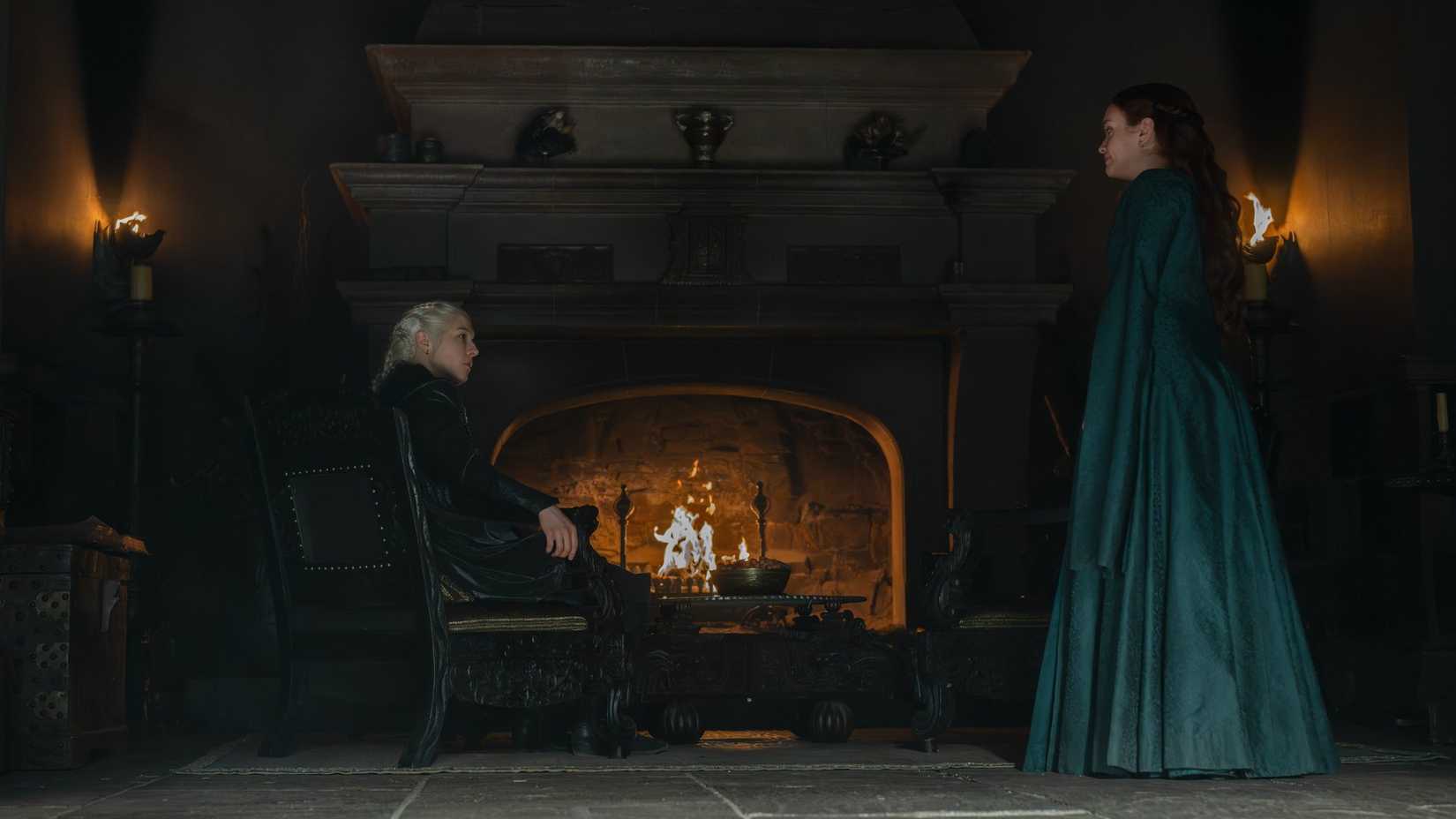
Cooke’s emphasis on the "seesaw" dynamic and the "ripple effects" highlights the profound interconnectedness of their destinies. Even when physically separated or politically opposed, their actions and emotions remain inextricably linked. This suggests a narrative where neither queen can truly escape the influence of the other, an internal as well as external struggle. Her articulation of Alicent’s "white-hot anger" after Otto’s death is crucial, as it validates the character’s profound sense of personal and political violation, setting the stage for future acts of defiance or retaliation, even from behind bars. It also reinforces the idea that Alicent views Rhaenyra’s act as a direct breach of their fragile understanding, escalating the conflict from a political struggle to a personal vendetta.
D’Arcy’s explanation of Rhaenyra’s grief for Jace as a driving force for her rule underscores the emotional core beneath the queen’s hardened exterior. This interpretation moves Rhaenyra beyond a simple power-hungry monarch, presenting her as a mother fighting for her son’s legacy, imbuing her actions with a tragic nobility. It suggests that her ruthlessness is not born purely of ambition but also of profound loss and a desperate need to honor her children’s sacrifices. This personal dimension makes her reign, and her conflict with Alicent, all the more compelling and tragic.
Both actors’ shared sentiment that the relationship is "beyond saving" and that "they can never have a simple relationship again" serves as a definitive statement on the future of their bond. It dispels any lingering hope for a peaceful resolution between them, cementing their roles as adversaries. This "official response" from the performers themselves signals to the audience that the emotional core of the Dance of the Dragons will continue to be a deeply personal, tragic rivalry, rather than a purely strategic war. It prepares viewers for a narrative where reconciliation is no longer an option, only further conflict and heartbreak.
Implications: The Dance Intensifies
The events of House of the Dragon season 3, episode 3, carry profound implications for the remainder of the season and the larger trajectory of the Dance of the Dragons.
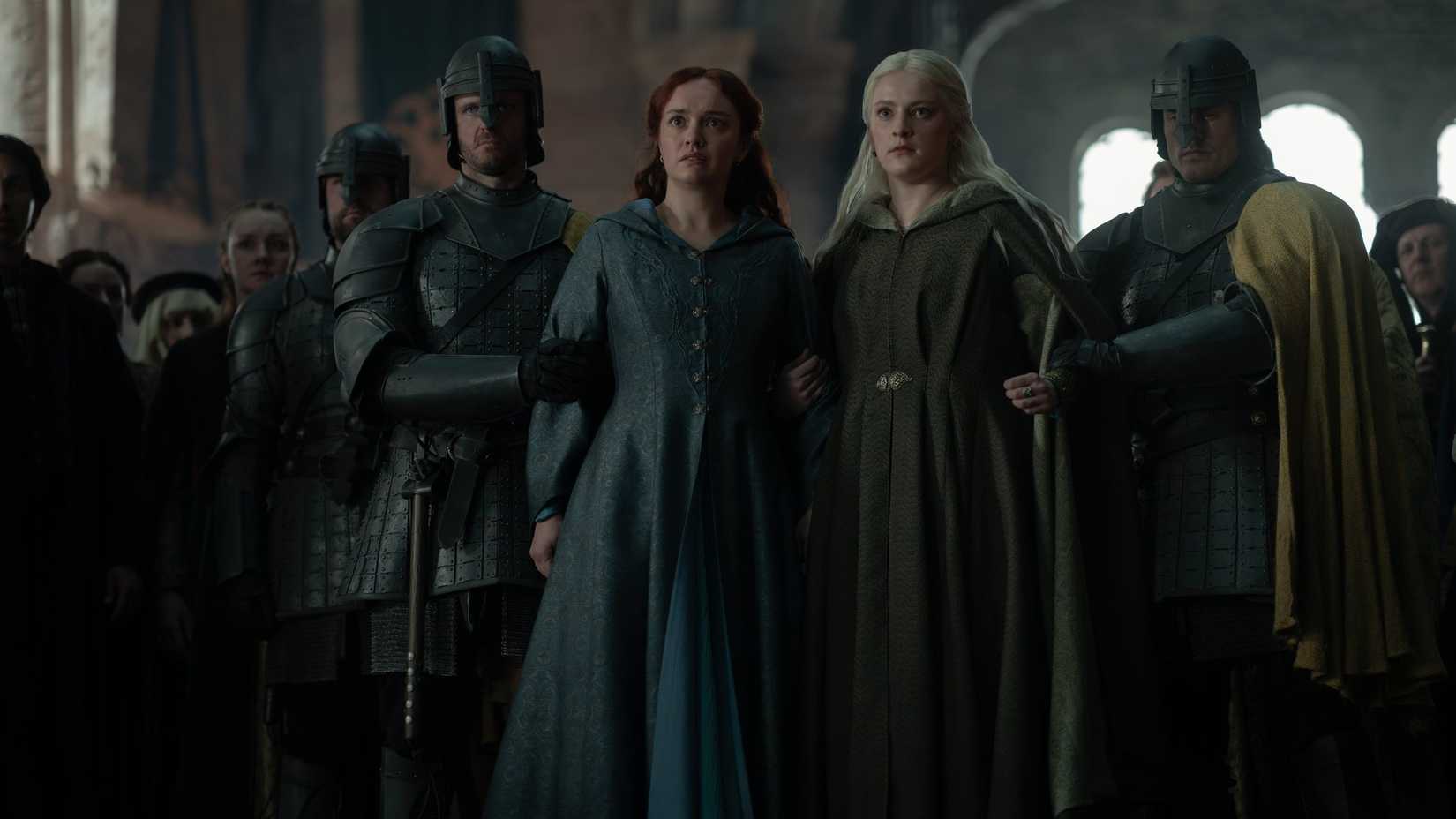
For Alicent Hightower: Her imprisonment is a stark reversal of fortune, stripping her of political agency but potentially sharpening her resolve. Confined within the Red Keep, she is now a symbol of the Greens’ defeat in the capital, yet her presence remains a thorn in Rhaenyra’s side. Her "white-hot anger" at Otto’s execution suggests she will not remain a passive prisoner. Alicent’s strategic mind, honed over years as queen consort and regent, might still find ways to influence events, perhaps through clandestine communications with loyalists or by subtly undermining Rhaenyra’s authority from within. Her primary motivation will undoubtedly shift to the protection of her remaining children, Aegon, Helaena, and Aemond, wherever they may be. This could lead her to make desperate alliances or even attempt further, more cunning escapes. Her psychological state, grappling with grief for her father and the perceived betrayal by Rhaenyra, will be a critical element to watch, potentially driving her to increasingly extreme measures.
For Rhaenyra Targaryen: Her ascension to the Iron Throne is a victory, but one immediately tempered by the harsh realities of governance and personal grief. The challenges of food shortages, disease, and public discontent in King’s Landing underscore the difficulty of ruling in wartime. This period will test her capacity for leadership, forcing her to make difficult, often unpopular, decisions. Her execution of Otto Hightower, while a definitive political statement, also reveals a new, more ruthless facet of her character, a willingness to shed blood to secure her position. This act might alienate potential allies who value mercy or further entrench the animosity of the Hightower loyalists. D’Arcy’s portrayal of Rhaenyra’s grief for Jace suggests that her reign will be marked by a grim determination, fueled by a desire for vengeance and legacy. The weight of the crown, combined with her personal losses, could lead her down a path of increasing authoritarianism, mirroring some of the less benevolent rulers in Targaryen history. Her political ambition is now inextricably linked with honoring her fallen son, making her a formidable and potentially unforgiving opponent.
The Future of the Dance of the Dragons: The complete breakdown of trust between Alicent and Rhaenyra signals an end to any hope of a negotiated peace. The conflict will undoubtedly escalate, becoming even more brutal and personal. Otto Hightower’s execution removes a key strategic mind from the Greens but also galvanizes their remaining forces, transforming the war from a struggle for succession into a blood feud. Aegon II’s escape means the war will continue outside King’s Landing, likely with dragon battles and widespread devastation across Westeros. The shifting dynamics – Rhaenyra as the queen on the Iron Throne, Alicent as a captive – will force both sides to adapt their strategies. The series is clearly moving towards a more intense, devastating phase of the civil war, where loyalty will be tested, and sacrifices will be immense. The themes of power’s corrupting influence, the cyclical nature of violence, and the tragic consequences of familial discord are poised to be explored with even greater depth. The personal vendetta between the two queens will continue to mirror and fuel the larger conflict, ensuring that the Dance of the Dragons lives up to its name, a fiery and destructive spectacle of ambition and grief.
The words of Olivia Cooke — "They can never have a simple relationship again. It’s marred by betrayal and death and too much time having passed" — serve as a poignant epitaph for what was once a deep friendship. As season 3 progresses, audiences can expect to witness the full, devastating impact of this irreparable fracture on the queens, their families, and the entirety of the Seven Kingdoms, as the Dance of the Dragons spirals into an even more tragic and unforgiving war.


 Lina Irawan
 Sagoh
Sagoh