SHANGHAI, CHINA – In an era where the digital landscape increasingly mirrors the comforting rhythms of life simulation, a new contender has emerged from the prolific studios of HoYoverse. "Petit Planet," currently undergoing its second beta test, offers a visually appealing sci-fantasy interpretation of the beloved desert island social sim genre. While its charming aesthetic and polished presentation are undeniable, the early impressions suggest a game that, for all its cosmic grandeur, largely re-treads well-worn paths established by pioneers like Animal Crossing, leaving critics and players alike questioning its unique contribution to an already saturated market.
The Reign of the Cozy Sim: A Genre Defined by Familiarity
The gaming world of the 2020s has been significantly shaped by the enduring appeal of life and social simulation games. It’s a phenomenon that has led many to observe, perhaps humorously, that nearly every new title released feels like a variation on Nintendo’s genre-defining Animal Crossing. From Heartopia to Pokopia, and even the more established Tomodachi Life, the influence of Animal Crossing‘s serene escapism is palpable. This trend reached an undeniable peak with Animal Crossing: New Horizons, a game that, for many, provided a much-needed digital sanctuary during the global lockdowns, cementing its blueprint as a gold standard for digital comfort and community building.
It’s hardly surprising, then, that game developers worldwide have taken notice. With the decade now past its midpoint, numerous studios have either crafted their own interpretations of the Animal Crossing formula or integrated similar elements into existing IPs. This industry-wide embrace of the cozy sim reflects a clear demand from players seeking relaxed, creative, and community-focused gaming experiences. However, it also raises a crucial question: how does a new entrant distinguish itself amidst a sea of charming, yet increasingly similar, virtual havens?
Petit Planet’s Cosmic Debut: HoYoverse’s Latest Venture
"Petit Planet" steps into this bustling genre as HoYoverse’s explicit foray into the Animal Crossing space. The comparison was instantaneous when the concept first surfaced a couple of years ago through leaks, and HoYoverse, true to its typical modus operandi, has done little to actively distance itself from these inevitable parallels. This approach is not unfamiliar territory for the Chinese developer, renowned globally for its flagship title, Genshin Impact. In its early days, Genshin Impact faced widespread comparisons to Nintendo’s The Legend of Zelda: Breath of the Wild, a parallel that, rather than hindering its success, arguably fueled its initial curiosity and player acquisition.
However, a critical distinction arises when examining HoYoverse’s past successes. While Genshin Impact undeniably drew inspiration from Breath of the Wild‘s expansive open-world exploration and aesthetic, it quickly carved out its own identity through a robust party-based action RPG combat system, intricate gacha monetization, and a distinct narrative style. To reduce Genshin Impact to a mere BOTW clone in 2026 would be to overlook years of evolution and diversification that have solidified its unique position in the gaming pantheon. With Petit Planet, the challenge for HoYoverse is to achieve a similar level of differentiation, to transcend the label of "cosmic Animal Crossing" and offer something genuinely novel. Based on the current beta, this crucial element of innovation remains elusive.
A Familiar Tune in a New Galaxy: Gameplay and Core Mechanics
The core gameplay loop of "Petit Planet" during its second beta test feels strikingly familiar to anyone who has spent significant time cultivating their virtual paradise. Players engage in quintessential social sim activities: shaking trees for "faintly apple-looking plums," reminiscent of the fruit-gathering in Animal Crossing; catching fish and insects to deliver to a "kindly and cultured anthropomorphic animal" curator who displays them in a vivarium, a clear echo of Blathers and the museum; and assisting an "energetic little monkey" with organizing the settlement’s resources, tasks that immediately bring to mind helper NPCs like Niko.
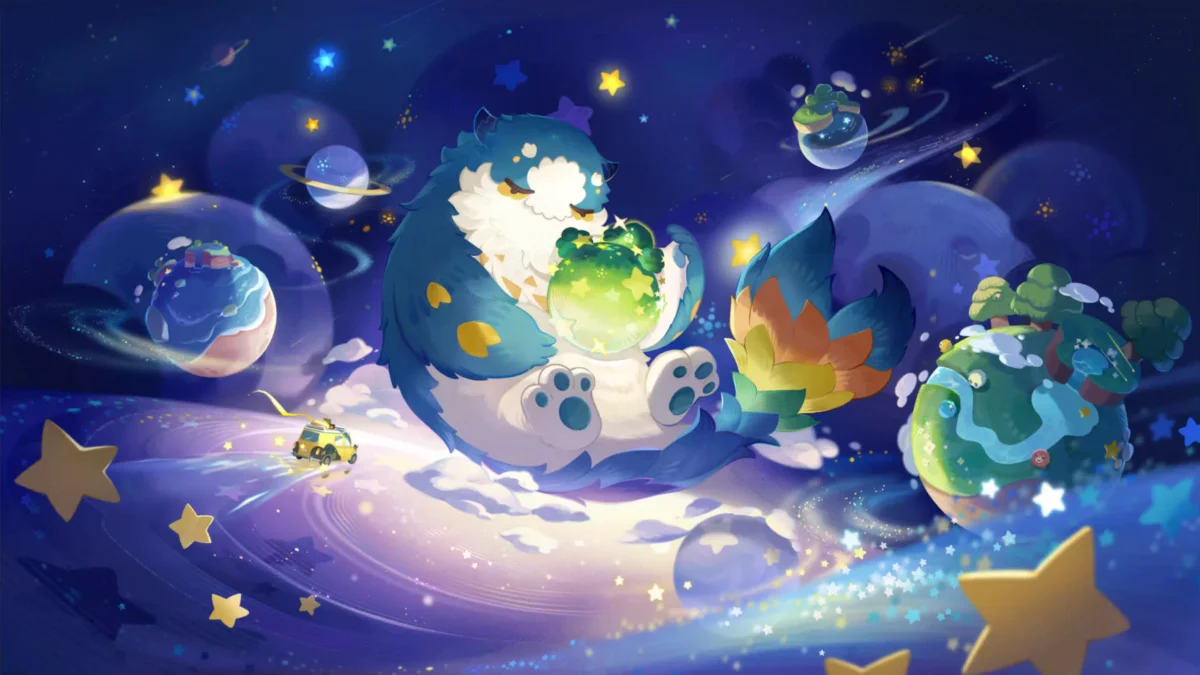
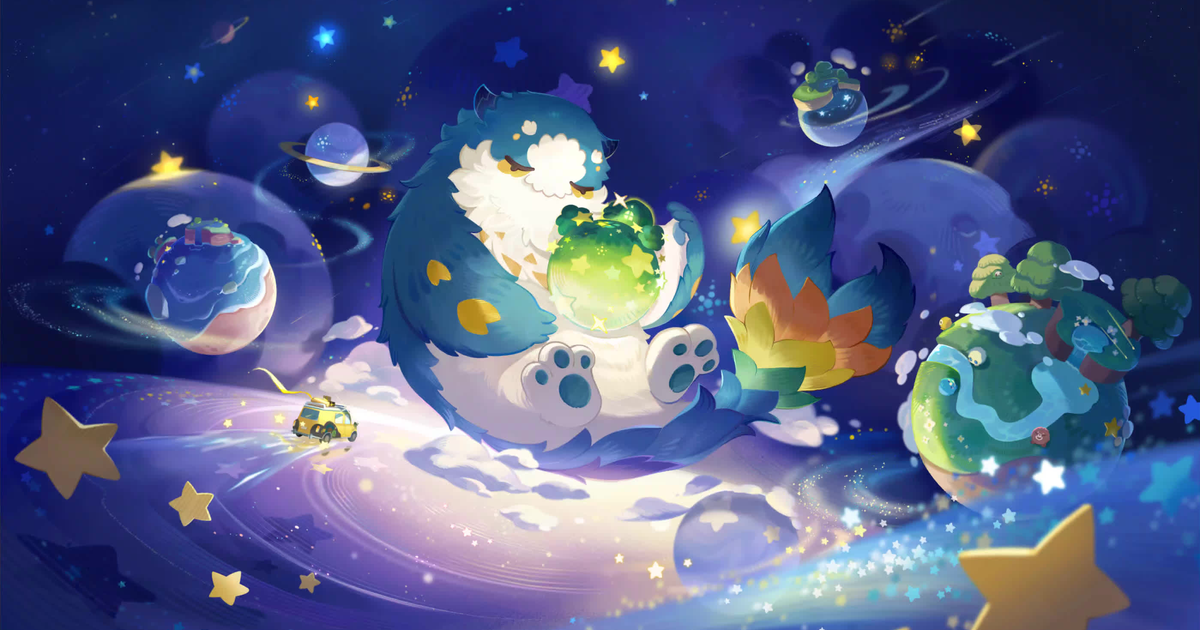
The game’s primary distinguishing feature is its aesthetic. Instead of a quaint desert island, "Petit Planet" transports players to a "desert planet IN SPACE." This sci-fantasy paint job is undeniably appealing – the chibi human avatars and fluffy animal neighbors inhabit small, curving planets visible against a backdrop of stars and other celestial bodies. It’s cute, it’s relaxing, and it leverages HoYoverse’s proven ability to craft visually engaging worlds. The image of a large fluffy blue-and-white creature cradling a green planet on the splash screen, surrounded by a galaxy, perfectly encapsulates this charm. Another image shows a player’s avatar discussing tomato growing with a small red panda girl named Yunguo in a cliffside field, reinforcing the pastoral-meets-cosmic vibe.
Yet, beyond this superficial, albeit charming, thematic shift, the minute-to-minute experience of "Petit Planet" offers little that veteran players haven’t encountered before. For a lifelong connoisseur of the life/social/farming sim trifecta, the game is immediately enjoyable because it adheres so closely to established genre conventions. Players know what’s expected, can "vibe on through it all with their eyes closed," as the reviewer notes. But this comfort comes at a cost: a distinct lack of compelling reasons to keep playing when alternatives, often with hundreds of hours already invested, offer virtually identical experiences. The question looms: in a world where players might already be actively managing half a dozen other meticulously built virtual settlements, does "Petit Planet" offer enough to justify starting anew?

The Search for a Unique Selling Proposition
The challenge for "Petit Planet" is further highlighted when compared to other contemporary titles in the genre. Take Heartopia, for example, a "charming playdough-y gacha social sim" that also draws from the same classic inspirations and targets similar demographics. Heartopia currently boasts a significant advantage: it launched globally in January, while HoYoverse remains tight-lipped about a firm release window for "Petit Planet." More importantly, Heartopia presents a clear and easily defined Unique Selling Proposition (USP): all neighbors in its town are controlled by other players, fostering a truly dynamic and player-driven social environment.
In contrast, "Petit Planet"’s USP, beyond its "desert planet IN SPACE" aesthetic, remains elusive. While the visual change is appealing, it doesn’t fundamentally alter the gameplay loop or introduce new mechanics that compel players to choose it over established favorites. The current beta, despite its polished facade and HoYoverse’s reputation for high production values, struggles to articulate why players should commit their precious time and emotional investment to this particular cosmic playground when a 900-hour Animal Crossing: New Horizons island already exists, ready to scratch the same itch with proven satisfaction. The game is competent, relaxing, and undoubtedly cute, but in a crowded market, "competent" alone may not be enough to stand out.
The Elephant in the Room: HoYoverse and Generative AI
Beyond the gameplay and aesthetic, "Petit Planet" introduces another, more contentious, element: HoYoverse’s visible commitment to integrating generative AI into its game development. The beta does not shy away from this, with disclosures indicating the use of GenAI content. While the reviewer expresses a preference for such transparency if AI is to be used, a "frustrating opacity" persists regarding the specifics. It’s unclear whether the AI implementation is limited to less egregious examples, such as an SLM (Small Language Model) trained on HoYoverse’s proprietary in-house data, or if it involves broader, more ethically questionable applications.
The most striking, and arguably "offensive," manifestation of this AI integration in the beta lies in the NPC dialogue. Despite the "fuss and fanfare" surrounding HoYoverse’s embrace of generative AI, the "real-time" conversations with NPCs exhibit a level of naturalism comparable to Façade, an experimental indie game released two decades ago. While Façade was undeniably ahead of its time for its dynamic dialogue system, touting AI advancements that yield similar results in 2026, especially after public declarations about going "all-in" on generative AI, seems less like innovation and more like reinventing a twenty-year-old wheel.

This raises significant ethical concerns. Publicly declaring a strong commitment to generative AI without adequate transparency or, seemingly, without demonstrably superior results, can be perceived as tone-deaf. The broader implications of widespread GenAI adoption in creative industries — potential harms to human workers, product quality, audience trust, environmental impact, and economic stability — are serious and warrant careful consideration. For a studio of HoYoverse’s stature to champion this technology while presenting seemingly rudimentary results in a beta test could be viewed as a misstep, detracting from the otherwise polished experience.
The Missing Gacha and a New Demographic: Targeting Families
A final, intriguing curiosity of the "Petit Planet" beta is the conspicuous absence of a gacha monetization system. This is a radical departure from HoYoverse’s established business model, as all five of their current live titles are heavily reliant on gacha mechanics for revenue. The absence of a gacha-shaped hole in the beta, while a seasonal pass subscription model seems likely for the full release, prompts speculation.
One plausible explanation is a strategic move to make "Petit Planet" more palatable to parents, who are typically the wallet-holders for younger players. "Petit Planet" marks HoYoverse’s first explicit attempt to target a "family" audience. While HoYoverse games like Genshin Impact are already played by younger demographics, often under parental supervision, Petit Planet‘s design seems tailored for a broader, potentially younger, and more casual player base. The adorable aesthetic, relaxing gameplay, and emphasis on community building align perfectly with what parents might seek in a child-friendly game.
However, this shift also triggers alarm bells. HoYoverse is a specialist in live-service games, and its monetization tactics, even when aimed at "fully-informed adults," are often scrutinized for their aggressive nature. The prospect of such a studio turning its attention to games for children, even without an overt gacha system, raises concerns about other potential monetization strategies, psychological hooks, and long-term engagement tactics designed to maximize revenue from a more vulnerable demographic. The thought that "kids born circa 2020" are now old enough to play video games, and might experience Petit Planet as their first "Animal Crossing"-like title, never having known the "halcyon days" of New Horizons, adds a layer of bittersweet contemplation to this demographic shift.

Conclusion: A Competent, Yet Undifferentiated, Step
Ultimately, "Petit Planet" stands as a testament to HoYoverse’s versatility. It will soon join Tears of Themis as evidence that the developers are capable of venturing beyond their celebrated RPG strongholds and delivering polished experiences in diverse genres. Calling "Petit Planet" a "perfectly competent social sim" might sound like a backhanded compliment, but it is, in itself, an achievement for a studio to successfully pivot into a new gaming space with a product that is presentable and mechanically sound.
The game’s primary challenge, however, remains its struggle for differentiation. While it offers a visually appealing sci-fantasy twist on a beloved formula, it doesn’t bring many genuinely new ideas to the table. In a genre brimming with established classics and innovative newcomers like Heartopia, "Petit Planet" needs more than just a fresh coat of cosmic paint to carve out a significant niche.
It may not be poised to "set the world on fire" with revolutionary gameplay or groundbreaking innovation. However, for life sim fans eager for a shiny new, yet still comfortingly familiar, playground, Petit Planet offers a polished and relaxing escape. Its modest, yet achievable, goal might be to find its place among those seeking a new virtual home, even if that home feels remarkably similar to ones they’ve already built elsewhere. The question for HoYoverse, and for players, is whether familiarity, even with a cosmic twist, is enough to foster lasting engagement in an ever-expanding universe of cozy simulations.