Evan Lee Salim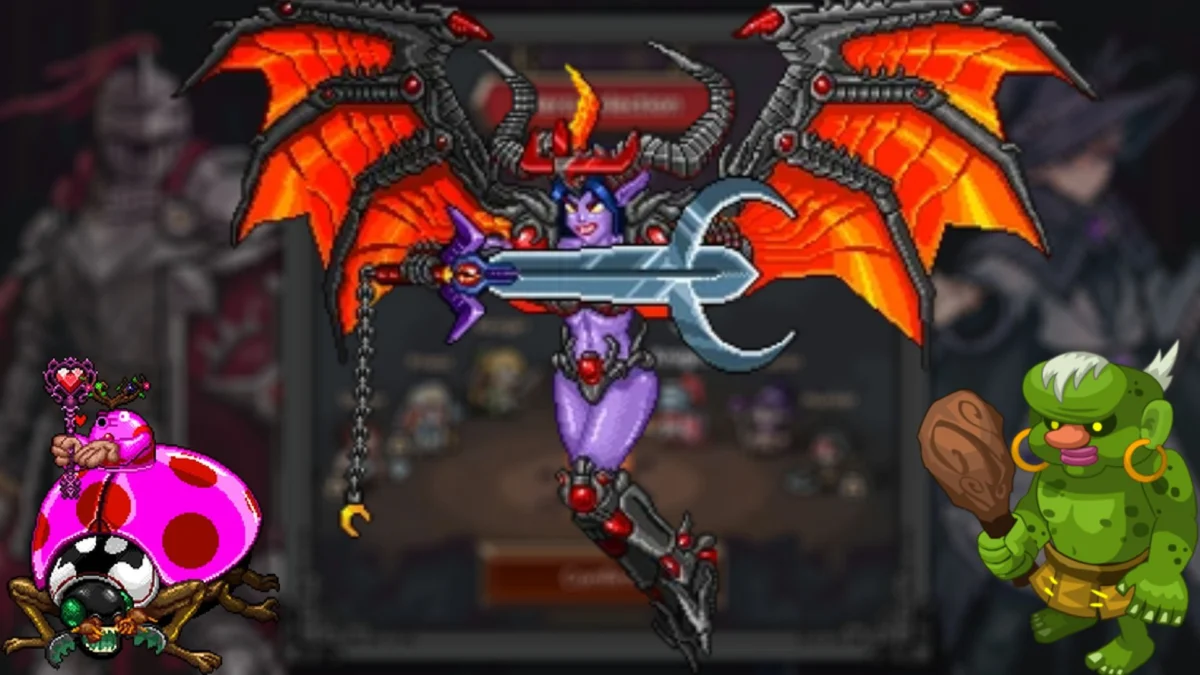
In the modern gaming landscape, the definition of an "RPG" has evolved far beyond sprawling open worlds and hundred-hour narratives. A new wave of titles—often dubbed "desktop idlers" or "taskbar RPGs"—has emerged, proving that deep, addictive gameplay mechanics can thrive in the margins of our workday. Leading this charge is TBH: Task Bar Hero, a game that masterfully distills the quintessential RPG experience—combat, class customization, and crafting—into a format designed to run discreetly on your taskbar.
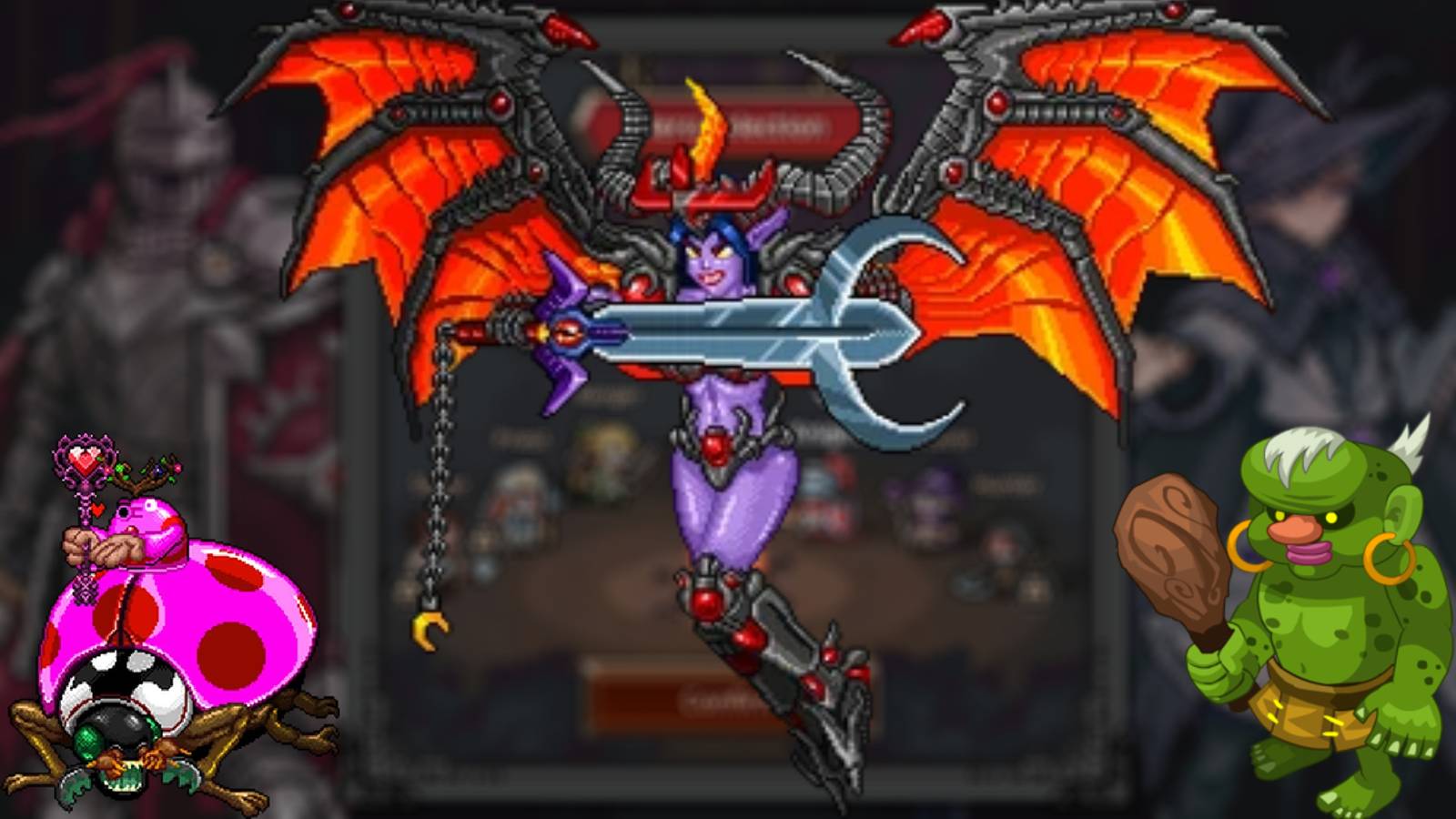
With over 500 items to collect and a persistent progression system that continues to grind while you are away, TBH: Task Bar Hero represents the gold standard of "set-and-forget" gaming. However, for players who have exhausted the depths of that specific adventure, the genre offers a treasure trove of alternatives. Whether you are looking to manage a bustling fantasy shop, explore a procedural galaxy, or automate a wizard’s tower, these titles offer a blend of strategy and convenience that fits perfectly into a productive lifestyle.

The Evolution of the Idle RPG: A Chronological Overview
The rise of the "idler" genre can be traced back to the early 2010s, but it wasn’t until the mid-2010s that developers began blending these mechanics with complex RPG systems.
- 2015 (The Clicker Boom): Clicker Heroes hit the scene, effectively popularizing the "ascension" mechanic. This allowed players to reset their progress for permanent, meaningful boosts, a design philosophy that remains central to the genre today.
- 2017–2018 (The Simulation Shift): Developers began moving away from simple clicking and toward management. Weapon Shop Fantasy (2017) and Dragon Cliff (2018) introduced inventory management, party composition, and crafting loops that required more strategic foresight than simple reaction times.
- 2019–2024 (The Refinement Phase): Idle Wizard (2019) and Soda Dungeon 2 (2020) demonstrated that idle games could handle complex spell-casting and turn-based tactical combat. Rusty’s Retirement (2024) further revolutionized the space by optimizing the UI for a vertical, taskbar-friendly experience, paving the way for the current generation of titles like TBH: Task Bar Hero.
Analyzing the Mechanics: What Makes a Great Idler?
What separates a forgettable clicker from a long-term addiction? The core data points generally include three pillars: Persistence, Customization, and Scalability.
1. Persistence
An effective idler must respect the user’s time. If the game halts when you minimize the window, it fails as a desktop companion. Games like Vanguard Galaxy and Book of Fei excel because they allow the simulation to run in the background, ensuring that every minute of your workday contributes to your character’s power level.
2. Customization
The "RPG" element is defined by choice. In Dragon Cliff, the player manages 25 unique adventurer classes. This depth ensures that as the player progresses, they aren’t just watching numbers go up; they are curating a team, balancing stats, and refining their build to overcome specific "wall" levels that define late-game difficulty.
3. Scalability
The "prestige" or "ascension" systems—such as those found in Clicker Heroes and Orb of Creation—provide the necessary feedback loop. By resetting progress to gain meta-currencies, players experience a sense of exponential growth that keeps the gameplay loop feeling fresh even after dozens of hours.
The Top 10 Idle RPG Experiences
If you are looking to expand your library of desktop-friendly adventures, the following titles have been selected based on their gameplay depth, community reputation, and their ability to function alongside other productivity tasks.
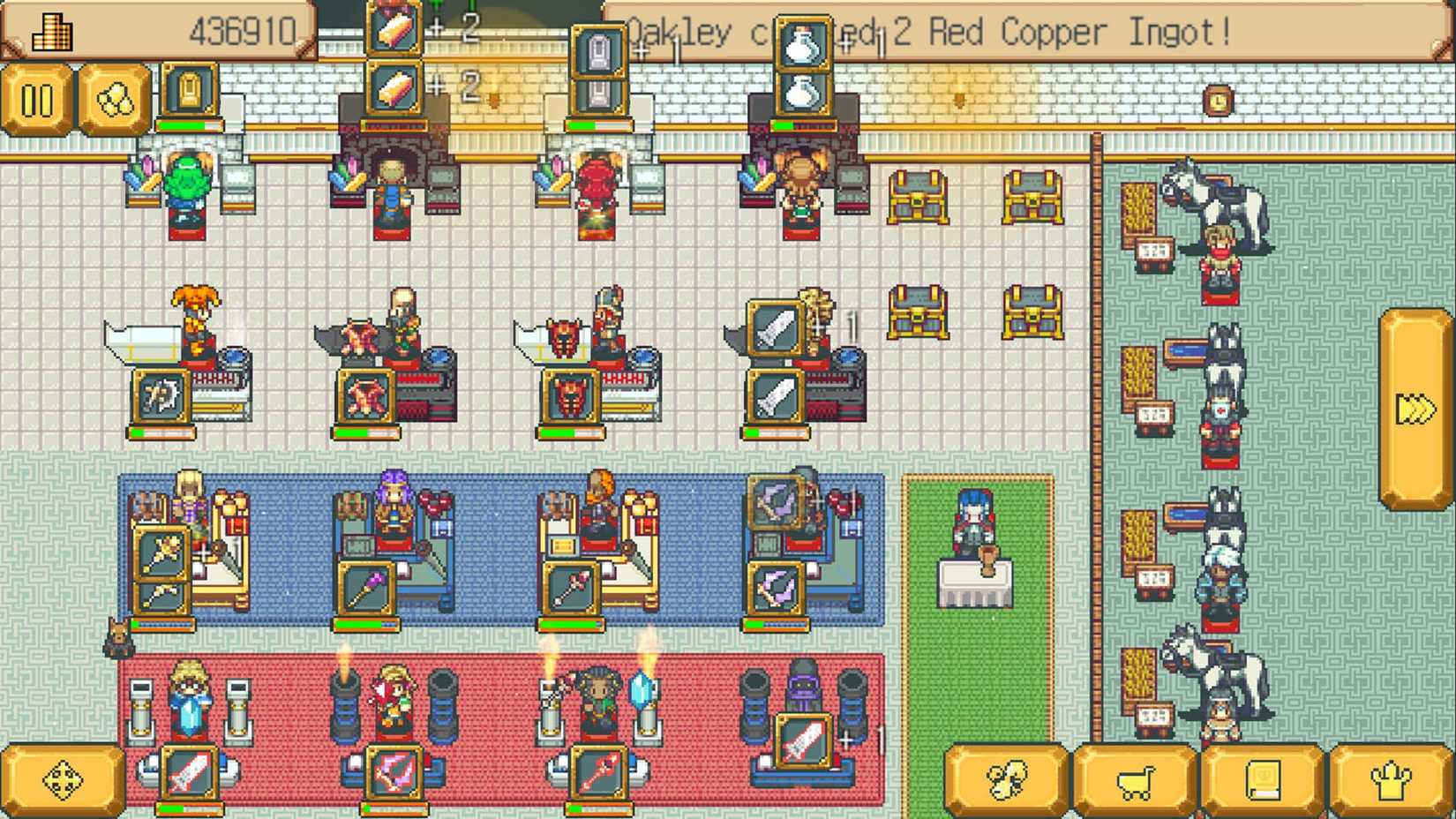
10. Weapon Shop Fantasy (2017)
- Concept: Part-time shop owner, part-time monster slayer.
- Why it works: You aren’t just fighting; you are arming the heroes who fight for you. Balancing the economy of your shop with the combat needs of your staff creates a dual-layer strategy experience. With 200+ pieces of equipment and 70+ monsters, the sheer volume of content is staggering.
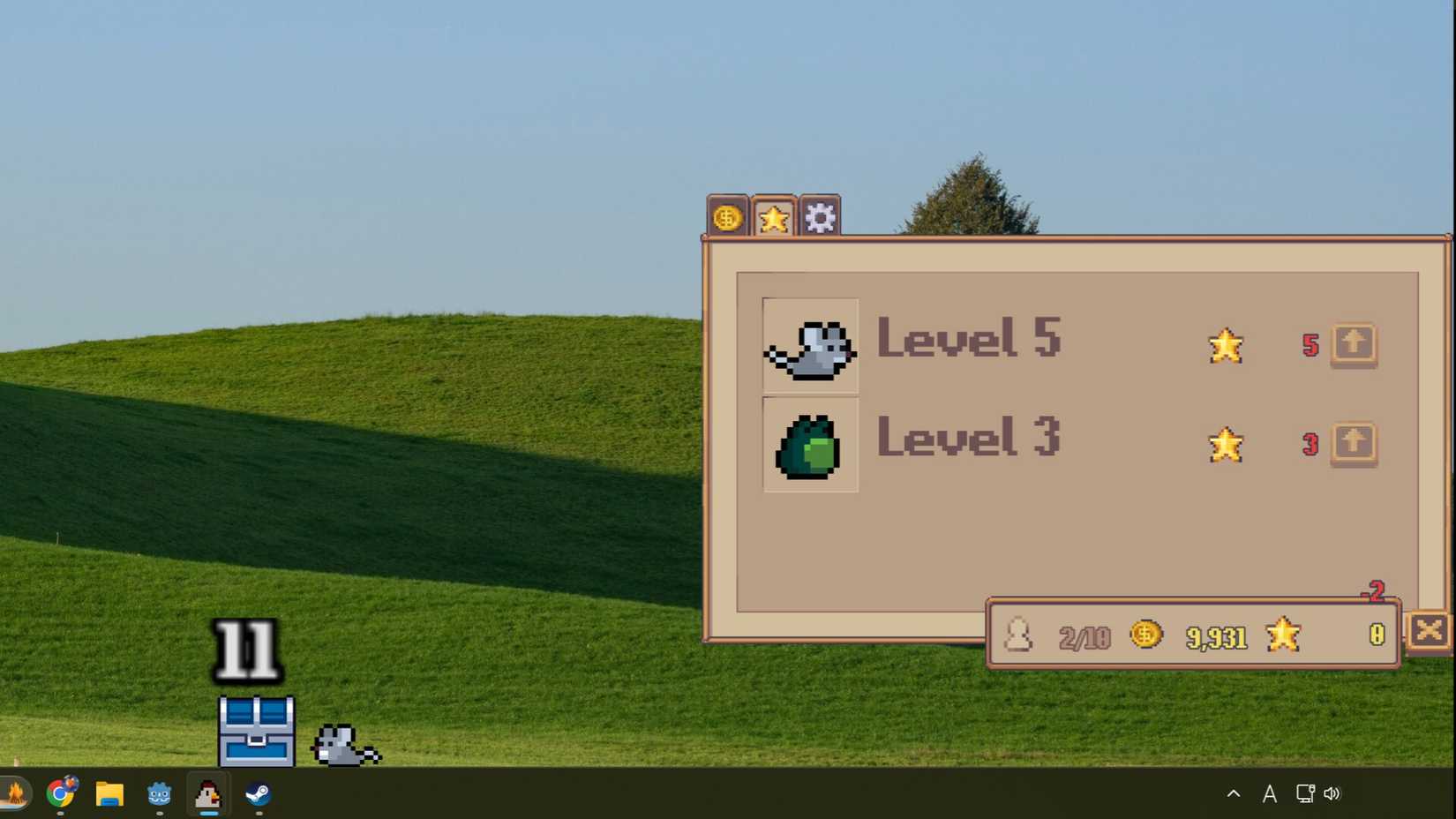
9. Taskbar Looters (2025)
- Concept: Less is more.
- Why it works: Taskbar Looters is the purest expression of the genre. It focuses on pixel-art animals gathering loot from chests. Its low-impact, high-reward design makes it the perfect "background noise" game for those who want a visual reward without needing to manage complex stats.
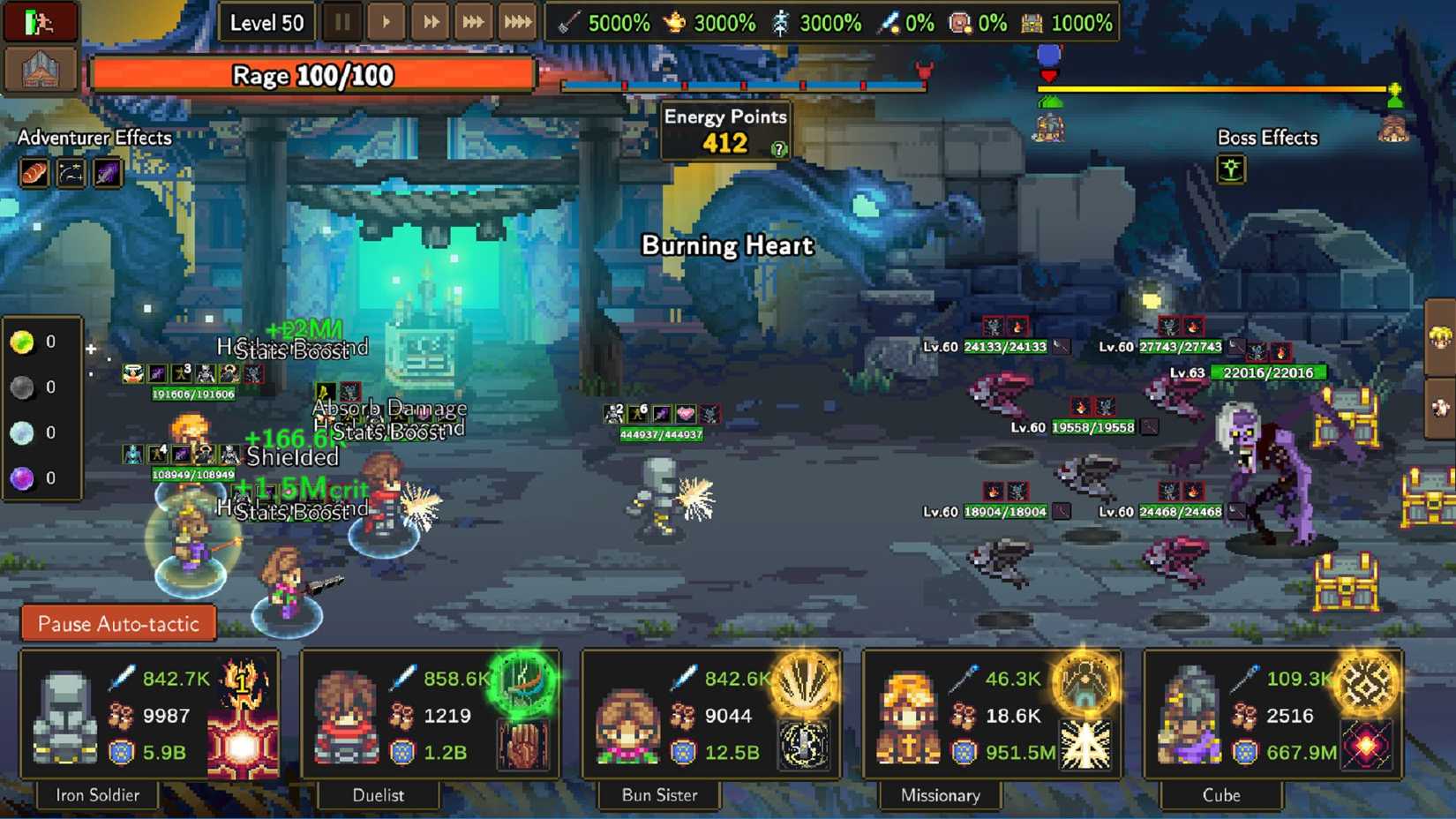
8. Dragon Cliff (2018)
- Concept: A turn-based adventure.
- Why it works: For players who want more "game" in their idler, Dragon Cliff is essential. Its combat is fast, snappy, and allows for massive build variety. It bridges the gap between a traditional JRPG and an idle game with grace.
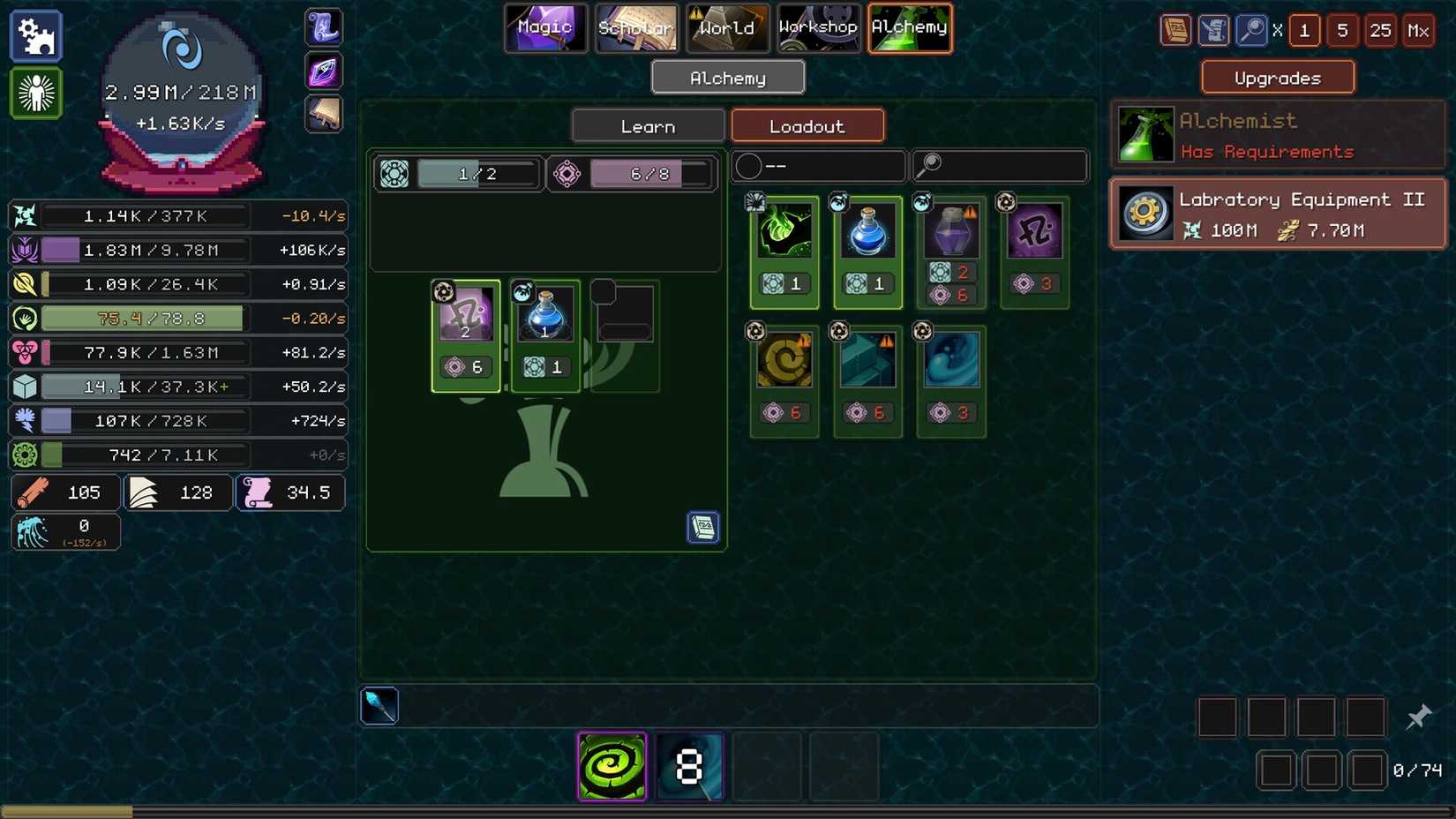
7. Orb of Creation (2026)
- Concept: The magic of puzzling.
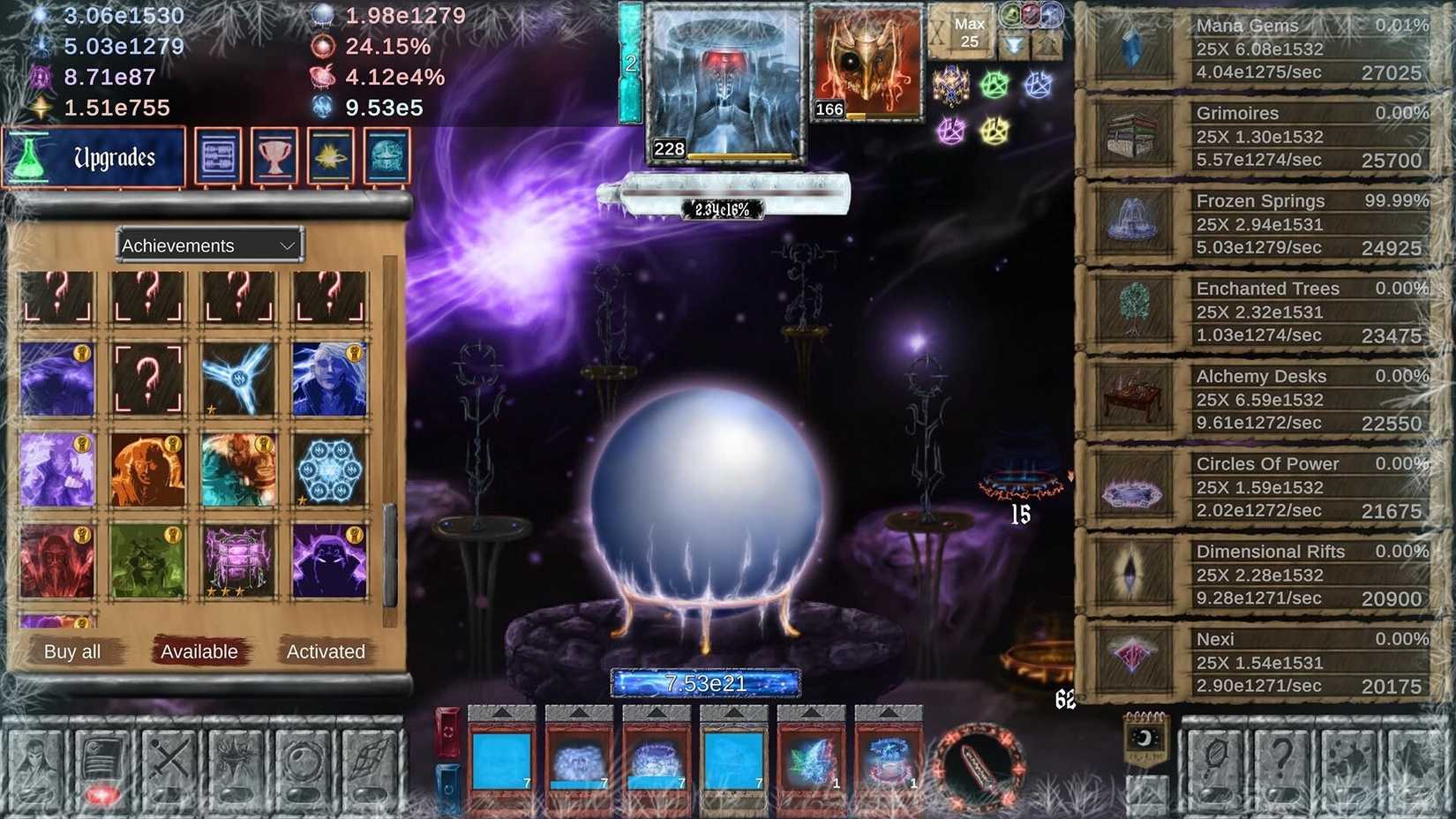
- Why it works: This is an incremental puzzle game that tasks you with recreating the world through alchemy and magic. It demands more active participation than others on this list, but the payoff—custom spell-crafting—is deeply rewarding.
6. Book of Fei (2026)
- Concept: Turning the page.
- Why it works: Cute, accessible, and surprisingly deep. Book of Fei uses a tower-defense template for its combat, offering an addictive progression loop where you manage heroes who are simultaneously working jobs and battling demons.
5. Vanguard Galaxy (2025)
- Concept: Other-worldly idling.
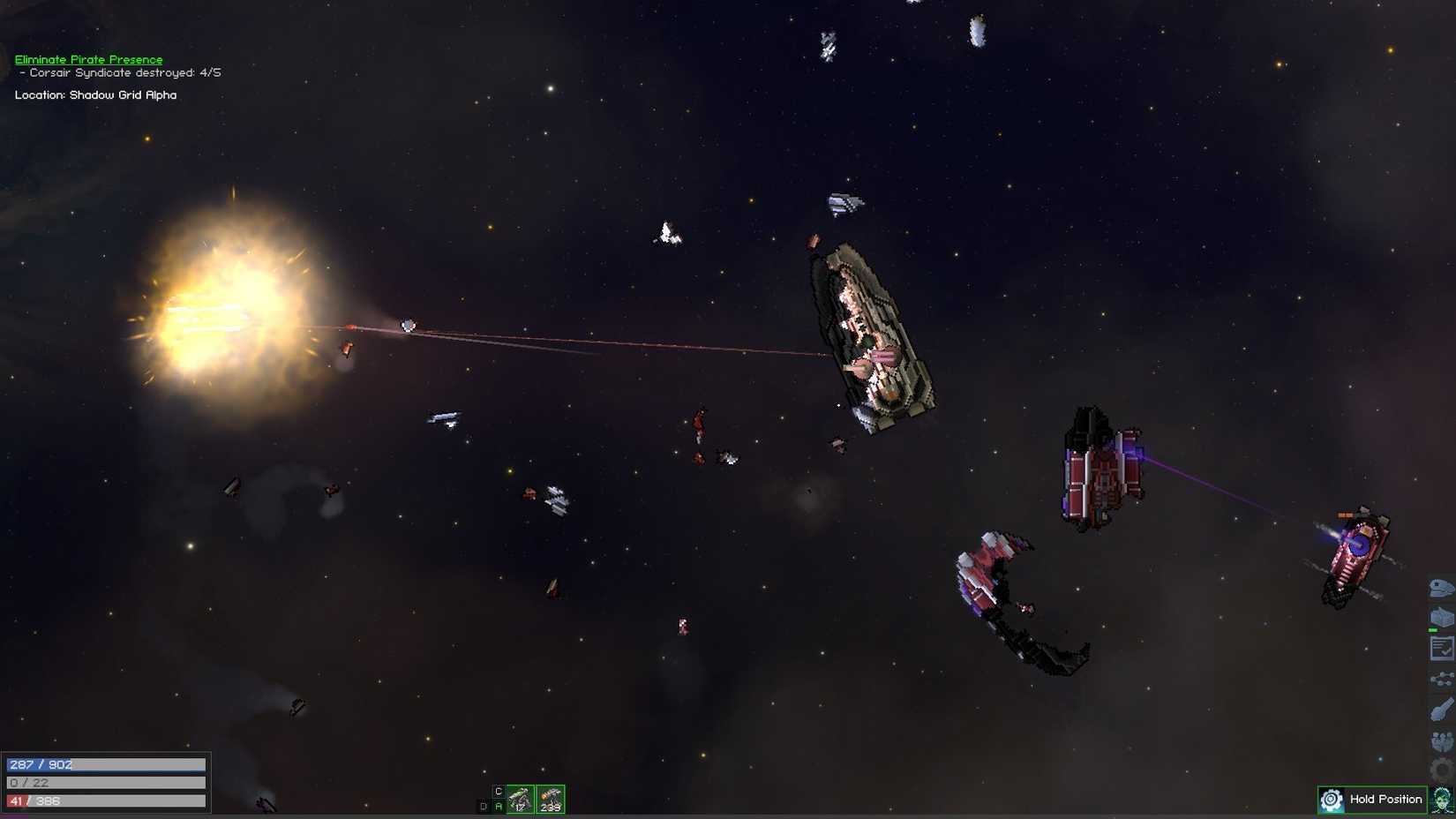
- Why it works: Vanguard Galaxy offers a sense of scale. The procedural universe reacts to your choices, and the ability to automate ship systems—mining asteroids or trading goods—makes you feel like a space captain managing an empire from the comfort of your taskbar.
4. Idle Wizard (2019)
- Concept: The power of spells.
- Why it works: The pet system in Idle Wizard is a standout. These companions aren’t just aesthetic; they are functional assets that help you gather the Mana required for complex spell-casting combinations.
3. Clicker Heroes (2015)
- Concept: Wave after wave.
- Why it works: The pioneer. Even years after its release, its core loop of exploding monsters into gold and ascending for Hero Souls remains satisfyingly addictive. It is the gold standard for pure, satisfying number-crunching.
2. Rusty’s Retirement (2024)
- Concept: Idle farm life.
- Why it works: Rusty’s Retirement was designed specifically to sit at the bottom of your screen. Its cozy, Stardew Valley-esque aesthetic makes it the most relaxing entry on this list. It is less about combat and more about the satisfaction of watching your farm flourish while you write reports or browse the web.
1. Soda Dungeon 2 (2020)
- Concept: Dungeoning through dimensions.
- Why it works: Soda Dungeon 2 takes the top spot due to its incredible custom behavior system. You can program your heroes to act intelligently, meaning you can leave them in a dungeon for hours, confident that they will manage their cooldowns and healing effectively. It is the perfect marriage of idle convenience and strategic control.
Implications for the Industry
The success of these titles signals a shift in player preferences. The "always-on" nature of modern life means that many gamers no longer have the luxury of dedicating four hours to a high-intensity session. By providing high-quality, long-term progression in a windowed, low-stress format, these developers are capturing an audience that was previously underserved.
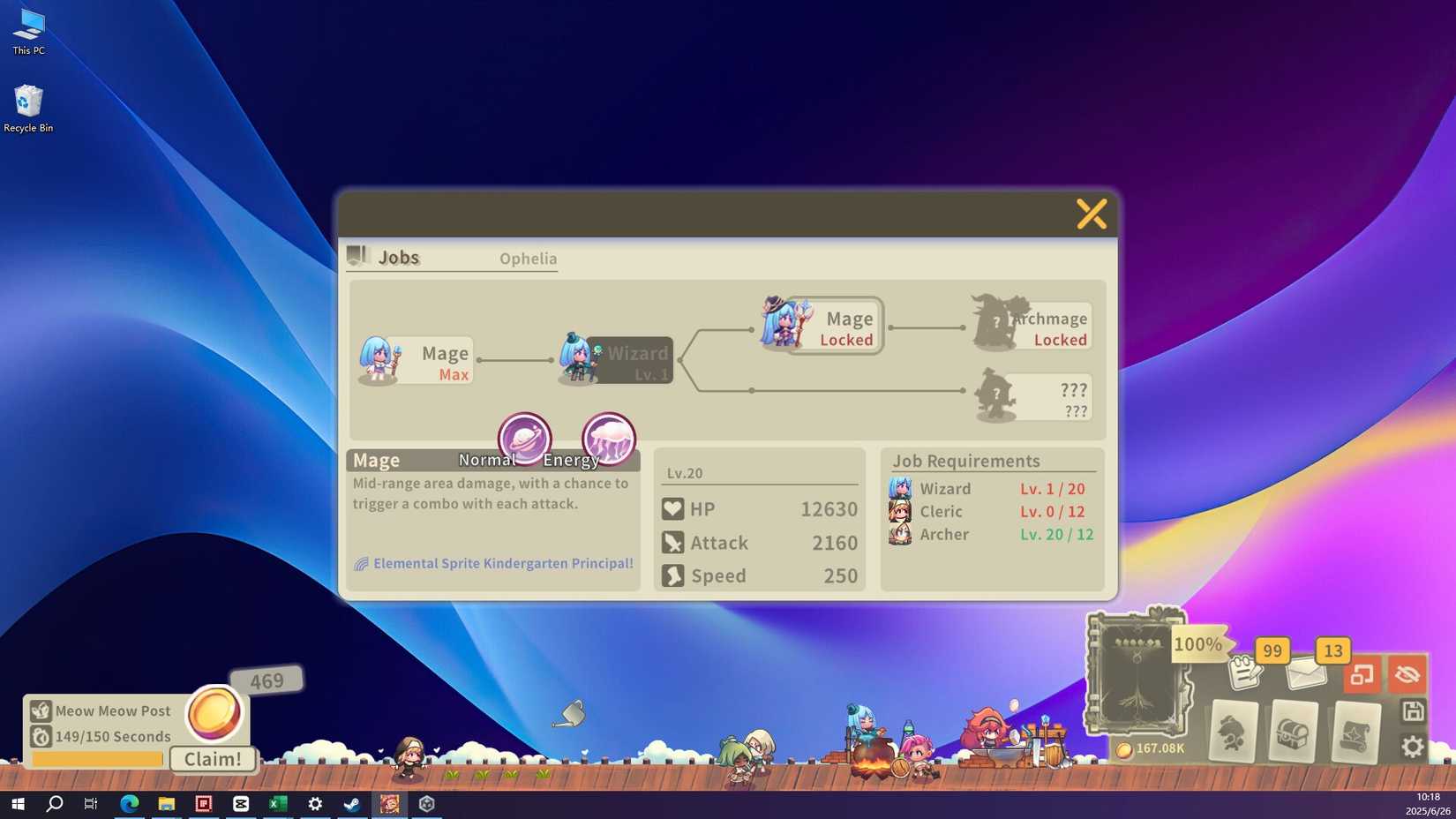
Furthermore, the integration of these games into the Windows taskbar and other desktop environments has implications for software design. We are seeing a blurring of the lines between "utility software" and "entertainment software." As these games continue to grow in popularity, we can expect more developers to prioritize vertical screen real estate, minimalist UI design, and deep, asynchronous progression systems.
Conclusion: Which Idler is for You?
Choosing the right idle RPG depends entirely on your personal flavor of escapism. If you want a cozy, low-stress experience, Rusty’s Retirement is your best bet. If you crave tactical depth and party management, Soda Dungeon 2 or Dragon Cliff will provide hundreds of hours of entertainment.
Regardless of your choice, the beauty of this genre lies in its respect for your time. These games do not demand that you ignore your responsibilities; instead, they exist in the periphery, rewarding your curiosity with satisfying progression and the quiet thrill of watching a complex system work perfectly—even when you aren’t looking.


 Layla Zulfa
 Laily UPN