

If you have ever reached for an "aspirin" to soothe a headache, requested an "escalator" to navigate a shopping mall, or searched for a "thermos" to keep your coffee warm, you have participated in one of the most fascinating phenomena in marketing and intellectual property law: trademark genericization.
Often referred to as "genericide," this process occurs when a brand name—originally a proprietary identifier—becomes so ubiquitous in the public consciousness that it loses its distinctiveness. It ceases to represent the manufacturer and instead becomes the common noun for the product category itself. While this is the ultimate validation of a brand’s success, it is simultaneously a legal nightmare. If a company fails to aggressively defend its trademark, it can lose its exclusive rights to that name forever, allowing competitors to use the moniker with impunity.
While the concept of genericized trademarks exists globally, Japan offers a unique and complex landscape. Japanese law does not mirror the rigid, standardized protections found in many Western nations, creating a precarious environment where some of the country’s most iconic brands live on the edge of legal obsolescence.
The Legal Landscape: Futsu-meishoka
In Japanese, the process of a trademark becoming a common noun is known as futsu-meishoka (普通名称化), which translates literally to "becoming a common noun." Under Japanese trademark law, a brand can lose its legal protection once courts determine that the average consumer no longer views the name as a company identifier, but as the descriptive name of the item.
Unlike in several European jurisdictions, where companies can force dictionary publishers to acknowledge a term as a registered brand, Japan lacks direct anti-genericization provisions. This has been a subject of debate within the Japanese legal community for decades. As noted by patent attorney Nakayama Mariko in a 2020 survey for the Japan Patent Attorneys Association, the lack of explicit legislative safeguards means that, for the most part, companies are left to their own devices to defend their intellectual property.
Without a statutory "safety net" to protect against dilution, Japanese corporations must rely on proactive brand management, litigation, and aggressive public relations to maintain their exclusive rights.
Chronology of a Disappearing Trademark
The path to genericide is rarely sudden; it is a slow erosion of brand identity. The history of Japanese trademarks reveals a clear trajectory of how products move from being a "brand" to being a "thing."
The Seirogan Case
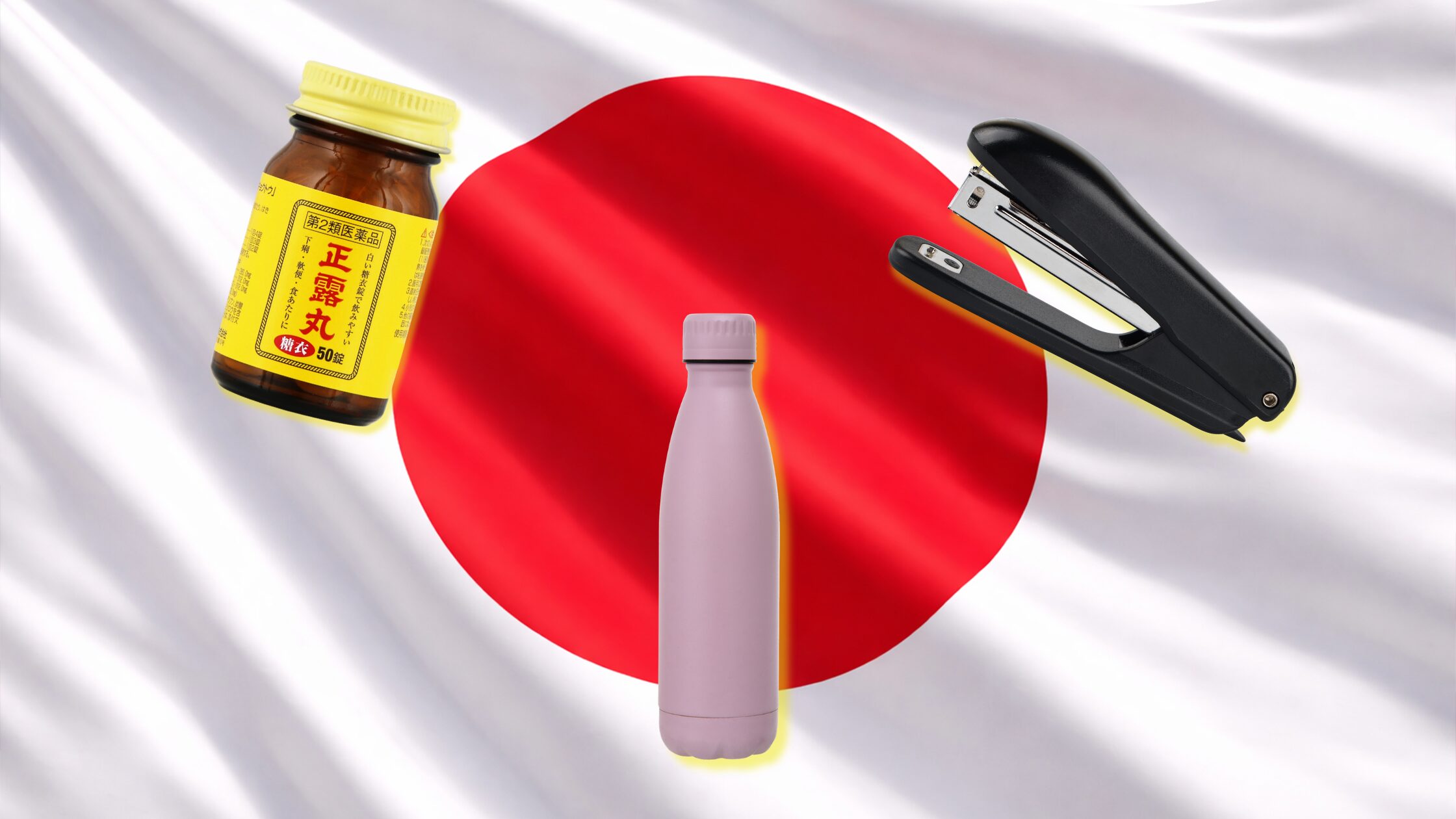
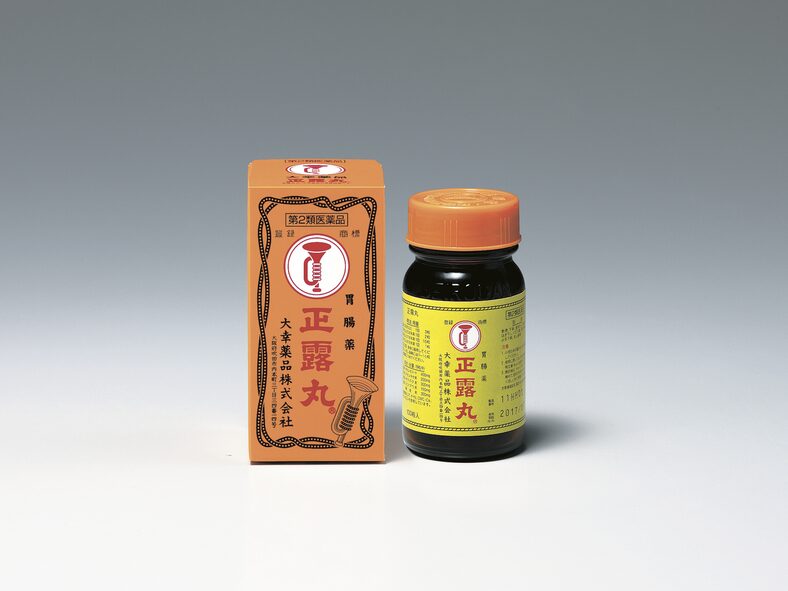
Perhaps the most textbook example of this in Japan is Seirogan. Originally, the name meant "subdue Russia pills" (征露丸), a reference to the Russo-Japanese War, where the medicine was widely distributed to soldiers. Following the war, the kanji were changed to a homophone, Seirogan (正露丸), which translates to "correct dew pills."
By 1971, the Tokyo High Court determined that Seirogan had become a generic term for creosote-based stomach medicine. Subsequent lawsuits in the early 2000s failed to overturn this, leaving the manufacturer in a position where the name could no longer be exclusively held.
The "Hotchkiss" Phenomenon
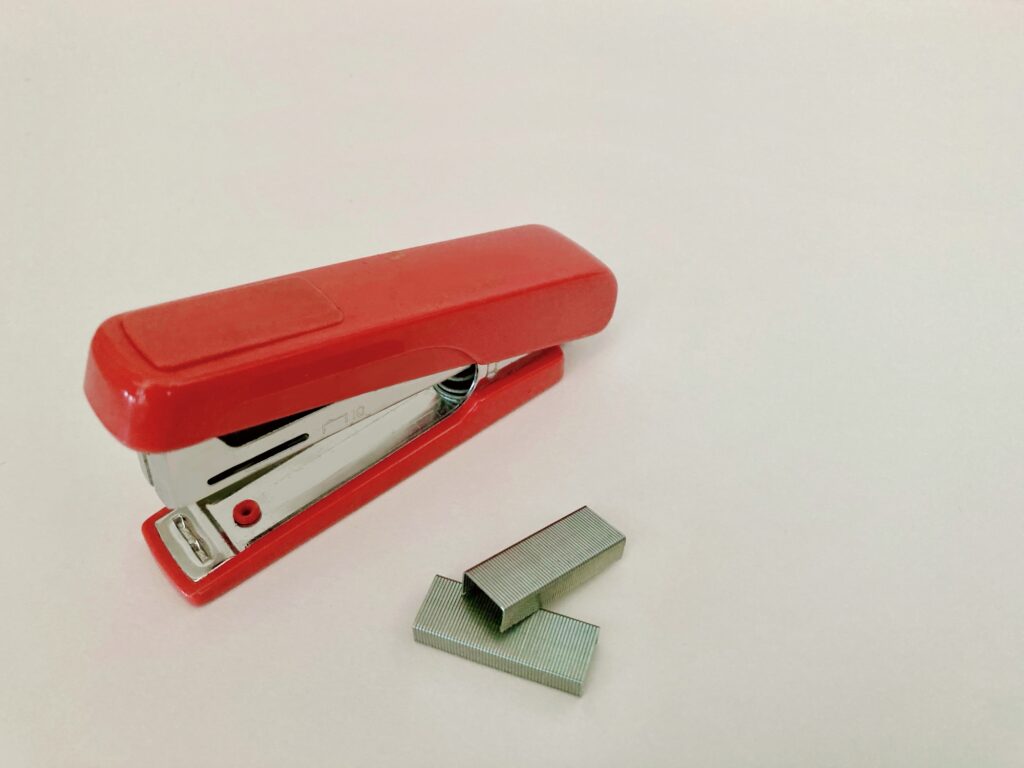
The word Hotchkiss (ホッチキス) is the standard Japanese term for a stapler. Most Japanese speakers are unaware that it originated from the American E. H. Hotchkiss Company. Because the company failed to register or effectively defend the trademark in Japan during the early 20th century, the name was absorbed into the vernacular. Today, asking for a "stapler" in Japan is almost universally done by using the name of a long-defunct American brand.
The Global Disparity
It is vital to note that genericide is not universal. The legal status of a brand depends entirely on the jurisdiction. A prime example is Sony’s Walkman. In 2002, an Austrian court ruled that "Walkman" had become a generic term for portable cassette players, stripping Sony of its trademark rights in that country. Conversely, in the United States, Sony successfully maintained the trademark through vigorous legal defense. This highlights the "border-hopping" nature of trademarks: a brand can be a protected asset in one nation and a generic noun in another.
Supporting Data: A Landscape of Lost Names
The list of genericized terms in Japan is extensive and spans diverse industries, reflecting how deeply these brands have integrated into daily life.
- Manufacturing: The aforementioned Hotchkiss (stapler).
- Telecommunications: Pokeberu (pagers), which were once the dominant form of communication before mobile phones.
- Food & Beverage: Kaminari-okoshi (a traditional sweet), Udonsuki (a style of hot pot), and Setsubun sushi rolls (shofuku-maki).
- Agriculture: Sunny Lettuce, a term so common that many consumers do not realize it was once a specific brand-led market product.
These examples illustrate that even without a legal mandate to protect their names, some companies eventually accept the loss of the trademark as a natural consequence of market dominance. In 1999, Fujitsu General voluntarily abandoned its "Home Theater" trademark. By allowing competitors to use the term freely, the company helped expand the overall market, concluding that the benefit of increased industry awareness outweighed the value of the trademark itself.
Corporate Responses: Defense and Strategy
For companies that wish to retain their exclusivity, the strategy often involves a combination of legal maneuvering and consumer education.
The "Defensive" Registration
While Japanese law may lack direct anti-genericization statutes, it does offer "defensive trademark registration." This allows companies to register their marks across categories where they do not currently operate, effectively "fencing off" the name from competitors.
Yamato Holdings, the operator of the famous Takkyubin home-delivery service, has been a master of this approach. They have meticulously protected their brand, even entering into negotiations with Studio Ghibli to ensure that the use of their service name in the film Kiki’s Delivery Service (known in Japan as Majo no Takkyubin) was handled appropriately and did not dilute the brand’s identity.
The Ajinomoto Model
Ajinomoto, the world-famous seasoning brand, employs a different, highly proactive strategy. The company publishes exhaustive trademark notation guidelines, conducts global employee training, and maintains clear, accessible resources on its website explaining that Ajinomoto is a brand name, not a generic synonym for MSG or umami seasoning. By constantly reminding the public and the media that their name is a brand, they create a persistent, visible barrier against genericization.
The Role of Media and NHK
Public broadcasting also plays a surprising role in this tug-of-war. To avoid potential litigation and maintain impartiality, NHK and other major news outlets like Kyodo News utilize strict editorial guidelines that forbid the use of many trademarked terms.
When an NHK announcer describes a "warm-water cleansing toilet seat" rather than using the brand name Washlet, they are participating in the formal preservation of trademark law. While this can sometimes sound clunky or overly formal to the average viewer—referring to "wave-dissipating blocks" instead of the famous Tetrapod—it serves as a crucial legal safeguard for the companies involved.
The Case for Letting Go: The Mentaiko Philosophy
While many corporations fight tooth and nail to keep their names private, others have found that there is a strategic advantage to letting a brand become a common noun.

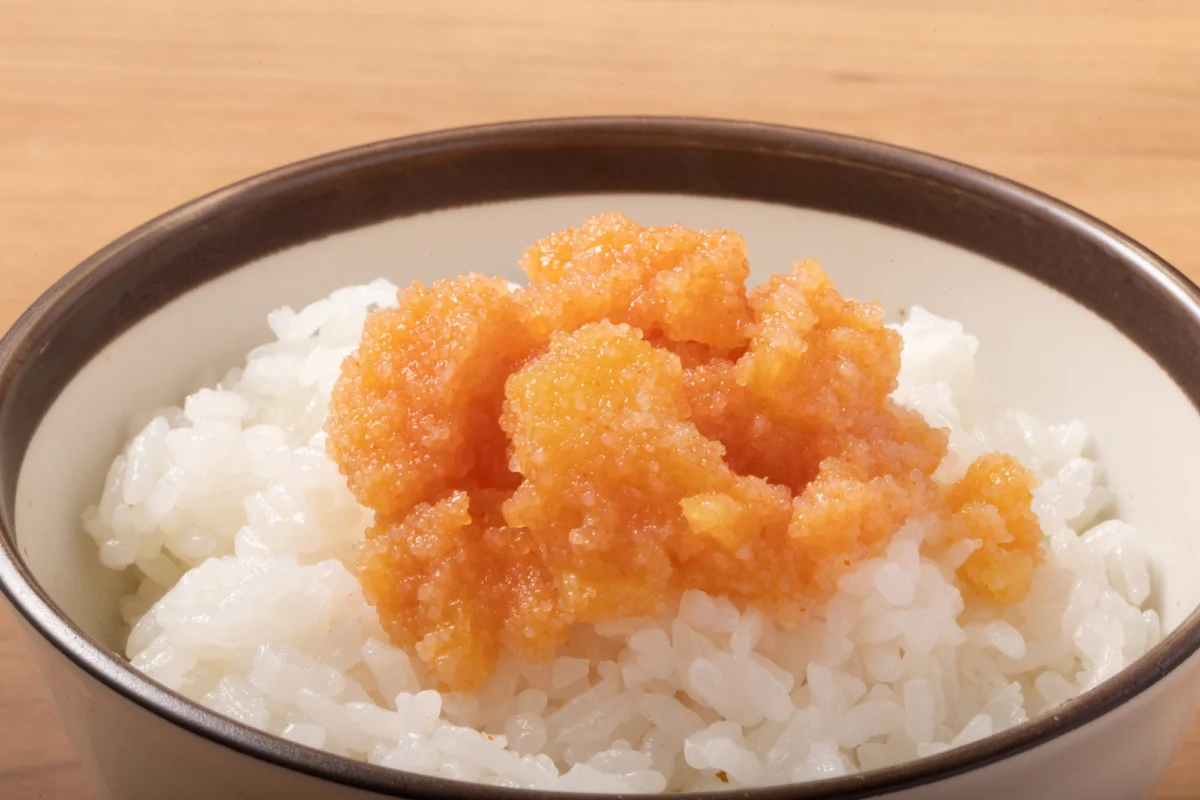
Consider the history of mentaiko, the spicy pollock roe that is a beloved specialty of Hakata. After World War II, Kawahara Toshio, the founder of the company Fukuya, popularized the food. Despite being encouraged by advisors to patent the recipe and trademark the name, Kawahara famously refused. He argued that mentaiko was simply a food—a cultural staple that should belong to everyone. He went as far as teaching his competitors how to produce it.
The result? Instead of one company owning the name, Fukuoka became the epicenter of a massive, thriving industry worth over ¥100 billion annually. By rejecting the "trademark-first" mentality, Kawahara helped create a regional identity that far outlasted what a single brand could have achieved on its own.
Implications for the Future
The evolution of trademark law in Japan remains a subject of tension between corporate protectionism and linguistic reality. As global markets become more interconnected, the pressure on Japanese companies to defend their intellectual property will likely intensify.
However, as the mentaiko example proves, there is a distinct difference between "brand dilution" and "cultural adoption." For some companies, the goal is total control; for others, the goal is market expansion and legacy.
Whether it is the aggressive legal posturing of Takkyubin or the voluntary, open-market approach of traditional food producers, Japan’s trademark landscape serves as a reminder that a brand is more than just a legal registration—it is a living, breathing part of the culture. As long as consumers continue to use these names in their daily lives, the battle between the boardroom and the dictionary will continue. Companies can sue, they can lobby for new laws, and they can publish guidelines, but they are ultimately at the mercy of the most powerful force of all: the way people actually speak.











