
 Jia Lissa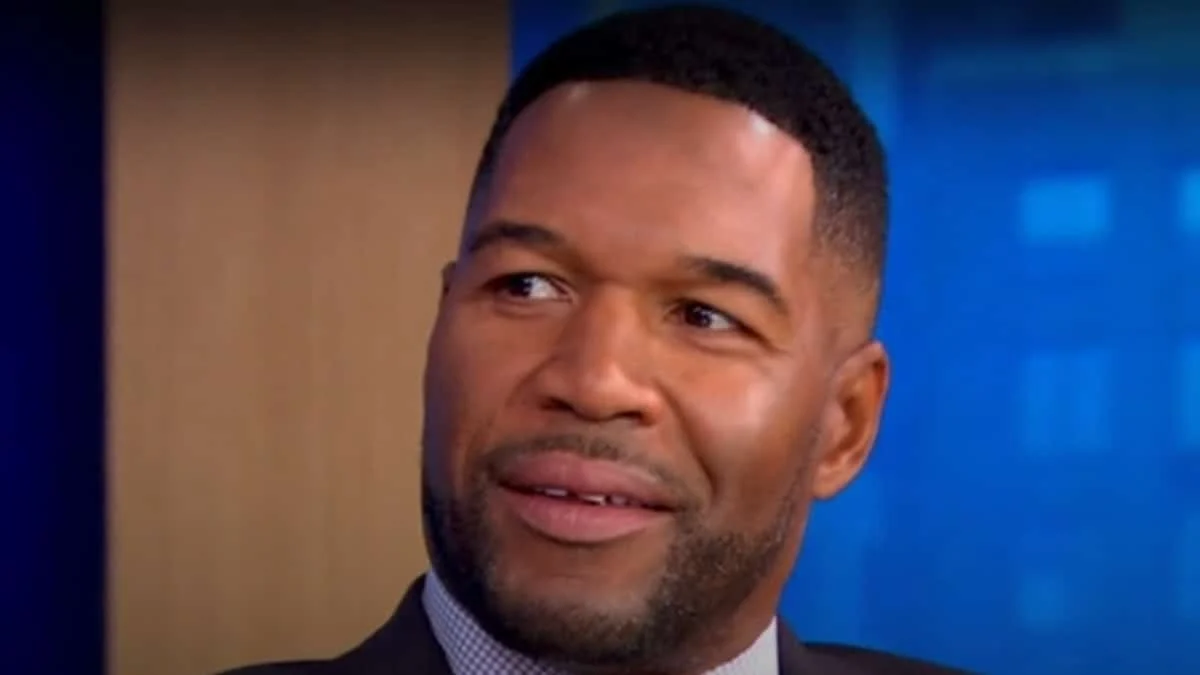
The NFL Draft is often characterized as a life-changing celebration of talent, a culmination of years of collegiate labor. However, for Shedeur Sanders, the high-profile quarterback from the University of Colorado and son of Pro Football Hall of Famer Deion "Coach Prime" Sanders, the 2025 NFL Draft became a narrative of unexpected turbulence and professional scrutiny. The young quarterback, once projected as a top-five selection, saw his stock plummet into the fifth round, eventually being selected by the Cleveland Browns.
The fallout from this slide took center stage on ABC’s Good Morning America (GMA), where former New York Giants legend and Hall of Famer Michael Strahan utilized his national platform to mount a vigorous defense of the young athlete. Strahan’s remarks did more than just support a friend’s son; they ignited a broader conversation regarding the ethics of anonymous scouting reports and the psychological toll of "draft day pranks" on prospects.
Main Facts: A Surprising Fall and a Public Rebuttal
The primary catalyst for the media firestorm was the discrepancy between Shedeur Sanders’ perceived value and his eventual draft position. Entering the draft cycle, many analysts viewed Sanders as a premier talent capable of going as high as No. 2 overall. Instead, he remained on the board until the fifth round, a slide that invited both criticism from scouts and mockery from online trolls.
During a Monday morning segment of Good Morning America, co-host Lara Spencer reported on the circumstances surrounding Sanders’ draft experience. The report highlighted two specific incidents: a cruel viral prank where children masquerading as NFL executives called Sanders to give him false hope of a high selection, and a scathing critique from an unnamed NFL assistant coach.
The anonymous coach was quoted as saying that Sanders had "the worst formal interview" they had ever participated in, labeling the quarterback as "entitled" and asserting that "he’s not that great." Strahan, visibly frustrated by the report, interrupted the transition to the next segment to address the cowardice he perceived in anonymous disparagement. He argued that if a professional is willing to "disparage a kid" and potentially damage his career earnings, they should be willing to attach their name to the critique.
Chronology: From Heisman Hopeful to Fifth-Round Pick
To understand the weight of Strahan’s defense, one must look at the timeline of Shedeur Sanders’ journey through the draft process:
- The Collegiate Rise: Following a successful stint at Jackson State, Shedeur followed his father to the University of Colorado. Despite playing behind a struggling offensive line, Sanders posted impressive numbers, showcasing elite accuracy and poise. By mid-season, he was a fixture in Heisman Trophy conversations and a projected top-10 NFL pick.
- The Scouting Combine and Interviews: As the draft approached, rumors began to circulate within league circles regarding Sanders’ personality. While his talent was rarely questioned, "character concerns"—often a nebulous term in NFL scouting—began to surface. It was during this period that the allegedly "worst ever" interview took place.
- Draft Weekend: As the first round concluded without Sanders’ name being called, the narrative shifted from "where will he go" to "how far will he fall." On Day 3 of the draft, the Cleveland Browns finally selected him in the fifth round.
- The Viral Prank: During the tense waiting period of the draft, a video surfaced showing Sanders receiving a phone call from a group of pranksters pretending to be the New Orleans Saints’ front office. The caller told Sanders he was being drafted, only to hang up after telling him he’d "have to wait a little bit longer."
- The GMA Response: On the Monday following the draft, Strahan reacted to these events in real-time on national television, citing his own experiences and those of his peers to contextualize the situation.
Supporting Data: The Economics and History of the Slide
Strahan’s defense included a poignant economic observation: "Economically, this may have hurt Shedeur Sanders, but opportunity-wise, it didn’t."
The financial implications of dropping from the first to the fifth round are staggering. In the current NFL rookie wage scale, a top-five pick can expect a contract worth upwards of $35 million, with a signing bonus exceeding $20 million. Conversely, a fifth-round pick’s total contract value typically hovers around $4 million over four years, with a signing bonus often less than $500,000. For Sanders, the slide represented a potential loss of over $30 million in immediate guaranteed wealth.
However, Strahan countered this by referencing history. He noted that he watched the draft alongside Tom Brady, perhaps the greatest "draft slide" success story in sports history. Brady was famously selected 199th overall in the sixth round of the 2000 NFL Draft. Strahan’s point was clear: draft position dictates the first paycheck, but talent dictates the career.

Strahan himself was not a first-round lock; he was a second-round pick out of Texas Southern in 1993. His path from a small-school prospect to a Super Bowl champion and media mogul serves as a blueprint for players like Sanders who enter the league with a chip on their shoulder.
Official Responses and Public Sentiment
The reaction to Strahan’s "rant" was overwhelmingly positive among viewers, many of whom felt the "entitled" narrative was a coded critique of the Sanders family’s confidence and brand-building.
- Michael Strahan’s Stance: "I hate when you have unnamed sources. If you’re going to say something that bad to disparage a kid, put your name on it," Strahan stated. He emphasized that Sanders handled the draft-day prank and the slide with professional grace.
- The "Coach Prime" Connection: It is worth noting that Strahan’s defense is bolstered by a professional relationship. Strahan’s production company, SMAC Entertainment, is responsible for the Coach Prime docuseries on Amazon Prime. This gives Strahan a unique, behind-the-scenes look at Shedeur’s work ethic, which likely contributed to his skepticism of the "entitled" label.
- Social Media Reaction: GMA’s Instagram followers praised Strahan for his professionalism and his willingness to use his platform. Comments such as "So glad Michael used his platform to say what we all know!" and "Mike [is] pissed but he’s being professional" highlighted a public fatigue with anonymous scouting "smear campaigns."
Implications: The Road Ahead for the Cleveland Browns and the NFL
The arrival of Shedeur Sanders in Cleveland introduces a fascinating dynamic to a franchise that has struggled with quarterback stability. The Browns, who had a disappointing season and continue to navigate the complexities of Deshaun Watson’s contract and performance, may have found the steal of the draft.
1. The "Brady Blueprint"
By falling to the fifth round, Sanders enters the league with significantly less pressure than a top-two pick, yet with a massive point to prove. If he succeeds, he reinforces the "Brady Blueprint"—that the scouting combine and formal interviews are often poor predictors of on-field "clutch" performance and leadership.
2. The Ethics of Anonymous Scouting
Strahan’s critique touches on a growing tension in sports journalism. The NFL scouting community relies heavily on anonymity to provide "honest" assessments, but as Strahan pointed out, this can lead to character assassination without accountability. There may be a shift in how major networks report these anonymous quotes, with a greater emphasis on questioning the motives of the sources.
3. The Sanders Brand vs. The NFL Shield
The "entitled" tag often stems from the Sanders family’s unapologetic approach to NIL (Name, Image, and Likeness) deals and self-promotion. Shedeur Sanders entered the draft as one of the wealthiest college athletes in history. His slide suggests that some NFL circles still harbor a bias against players who have established financial independence before taking their first professional snap.
Conclusion
Michael Strahan’s defense of Shedeur Sanders on Good Morning America was more than a moment of television drama; it was a veteran’s rejection of the "toxic" elements of draft culture. By calling out anonymous critics and highlighting the resilience required to succeed after a slide, Strahan redirected the narrative from Sanders’ "fall" to his "future."
As Shedeur Sanders heads to Cleveland, he does so with the support of NFL royalty and a clear mission: to prove that while an "unnamed source" can lower a draft grade, they cannot dictate the trajectory of a career. For the NFL, the episode serves as a reminder that the transition from college to the pros is as much about psychological fortitude as it is about physical talent. In the words of Tom Brady, as echoed by Strahan: "Doesn’t matter where you’re picked." All that matters is what happens once the clock starts.


 Reynand Wu
 Asep Darmawan





