For over two decades, the world of cosplay has undergone a radical transformation. What began as a subculture defined by DIY ingenuity, cardboard armor, and hand-stitched thrifted fabrics has shifted into a sophisticated industry of 3D printing, laser cutting, and professional-grade engineering. As the aesthetic quality of costumes reaches new, breathtaking heights, a pressing question echoes through the community: In an era dominated by high-end technology and social media perfection, is cosplay still an accessible hobby for the average fan?
The Technological Shift: From Paper Mâché to 3D Printing
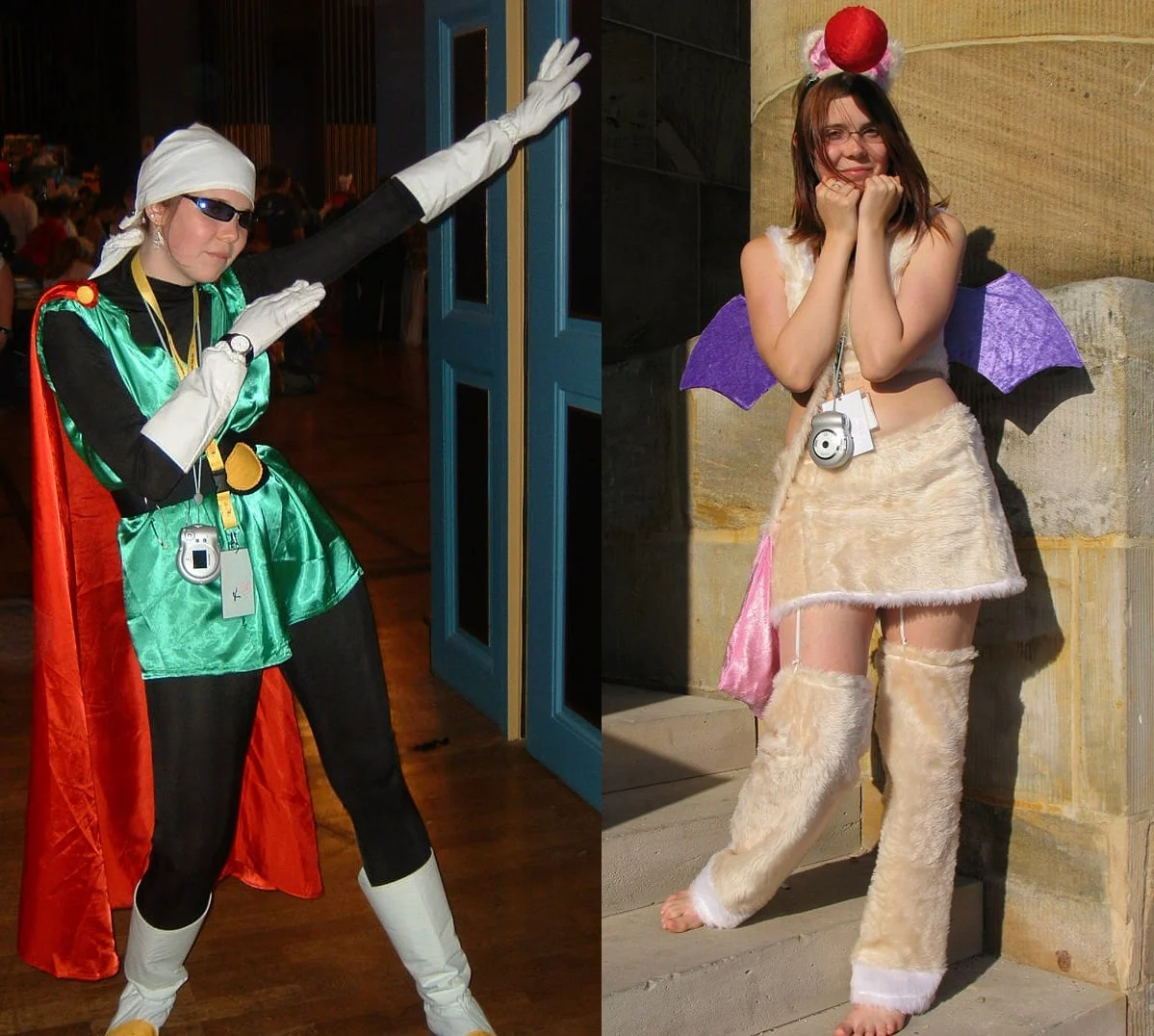
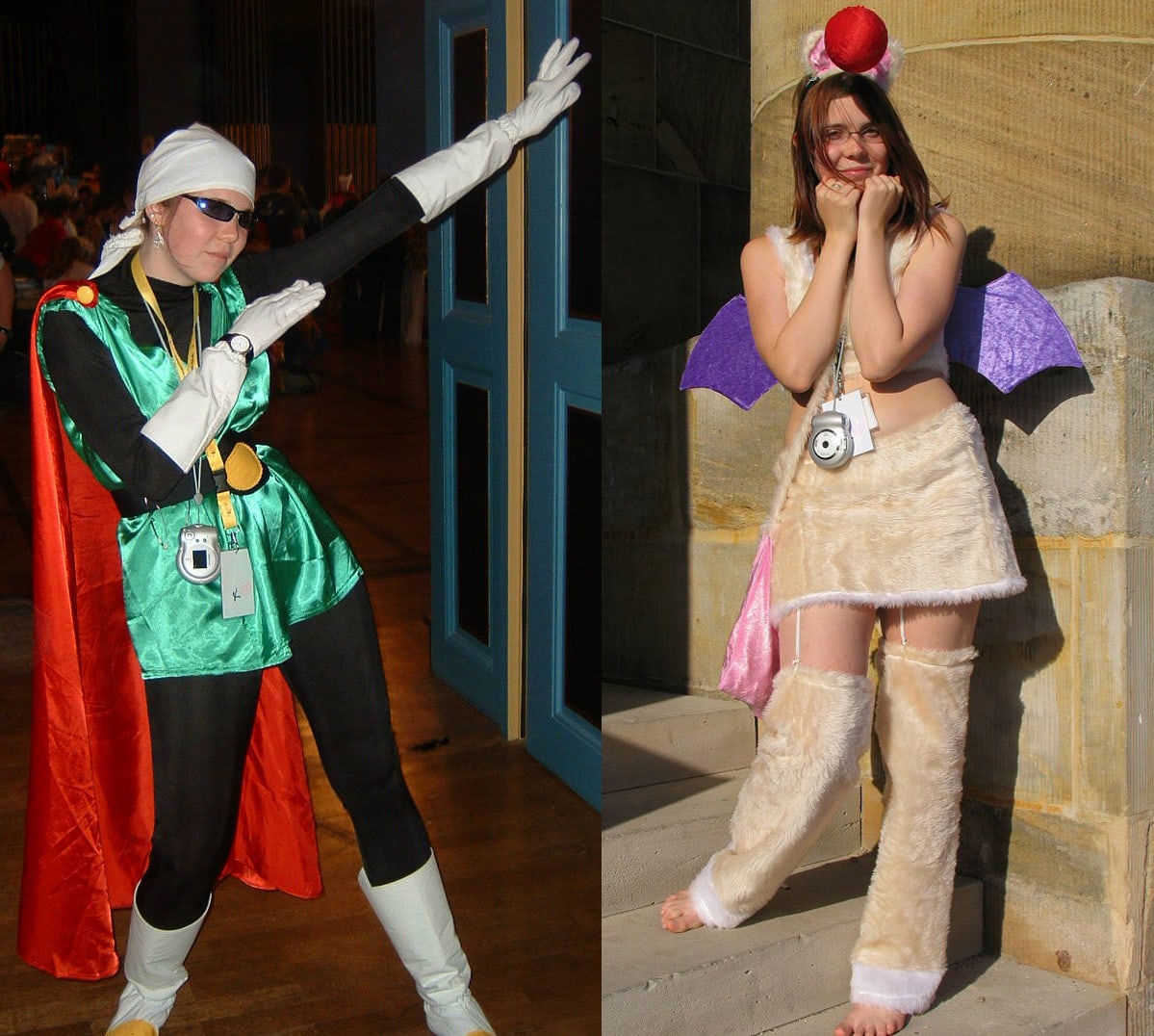
The transition from traditional crafting to modern digital fabrication has been profound. Looking back at the early 2000s, the primary tools of the trade were rudimentary: expanding foam, paper mâché, and inexpensive satin fabric. These materials were not only cost-effective but forced crafters to develop creative problem-solving skills, turning everyday hardware store items into elaborate fantasy gear.

Today, the landscape is defined by digital manufacturing. Professional cosplayers, including industry icons like Kamui Cosplay, have integrated complex machinery into their workflows. 3D FDM (Fused Deposition Modeling) printers have become standard for creating durable, intricate armor components, while resin printers handle the delicate, high-detail elements that once required hours of painstaking hand-sculpting. Furthermore, large-format laser cutters have revolutionized the production of fabric and foam patterns, allowing for precise, repeatable cuts that would have previously taken weeks to execute by hand.
Chronology of Craft: Twenty Years of Innovation
To understand the current accessibility crisis, one must look at the timeline of the craft’s evolution:

- 2003–2008 (The Analog Era): The "golden age" of improvisation. Cosplayers relied on basic sewing machines, hot glue, and hardware store supplies. Skill was measured by one’s ability to manipulate cheap materials to look like expensive props.
- 2009–2014 (The Thermoplastic Revolution): The rise of materials like Worbla and EVA foam changed the game. These materials allowed for more structural integrity in armor builds, bridging the gap between theater-prop making and fan-made costumes.
- 2015–Present (The Digital Age): The democratization of 3D printing and home laser cutting. While these tools were initially prohibitively expensive, the cost of entry for FDM printers has plummeted, making high-end fabrication tools available for the price of a mid-range sewing machine.
Supporting Data: The Cost of Entry vs. The Value of Skill
The perception that cosplay has become an elitist hobby is fueled by the visual dominance of "pro-level" builds on platforms like Instagram. However, the data suggests that accessibility remains high, even if the definition of "professional" has changed.
While high-end fabrics can cost upwards of $100 per yard and advanced electronics packages can balloon a budget, these are choices, not prerequisites. A 3D printer capable of producing competition-grade armor can now be purchased for roughly $200—the same price point as a reliable, entry-level sewing machine.
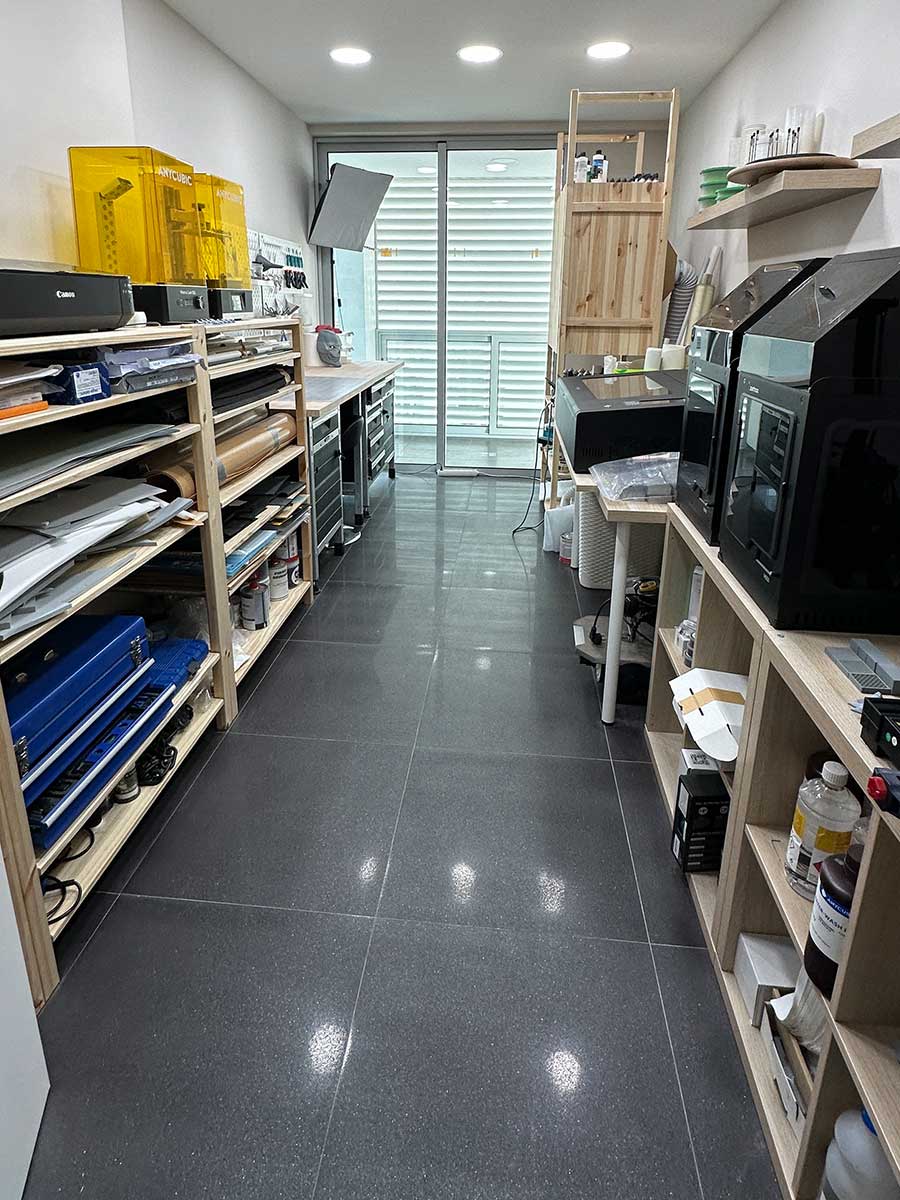
More importantly, the software required to operate these machines—such as Blender for 3D modeling—is often free or open-source. The barrier to entry is no longer financial capital, but rather "time capital." Learning to sculpt in 3D or master laser-cutting software requires hundreds of hours of trial and error. As many veterans point out, owning a machine does not confer talent; the machine is merely a tool, much like a brush is to a painter.
Official Perspectives: The Philosophy of the "Modern Artisan"
Industry leaders emphasize that the core of cosplay is not the hardware, but the intent. When professionals like Kamui Cosplay discuss their own transition to high-tech workflows, they are quick to clarify that these tools are chosen for efficiency and scalability, not because they are the only way to achieve a result.
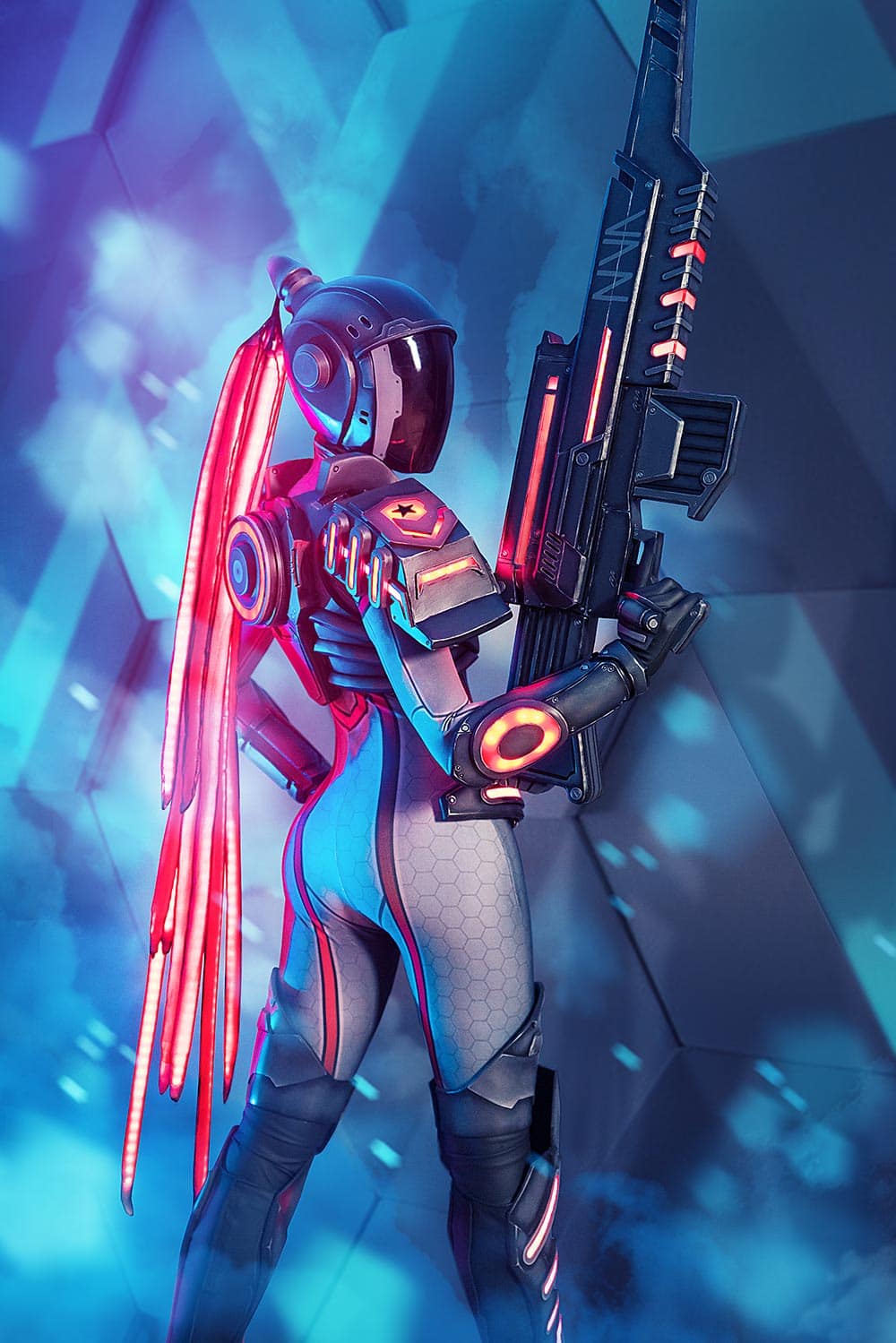
"A good chef doesn’t need a professional kitchen to make a delicious meal," is a common sentiment in the community. Professional crafters often point to global cosplay scenes—such as those in Cuba or other regions with limited access to modern tech—where creators produce world-class costumes using little more than paint buckets and cardboard. These examples serve as a "reality check" for the community, proving that technical limitations often breed the most innovative design solutions.
Furthermore, the rise of the "ready-to-wear" cosplay market, through platforms like DokiDoki, has actually made the hobby more accessible to beginners. For many, buying a base costume is a strategic entry point, allowing them to focus their limited time and budget on learning specific skills—like wig styling or prop painting—rather than feeling overwhelmed by the pressure to manufacture everything from scratch.
Implications for the Future of the Hobby
The fear that "you won’t get far with just a glue gun and a box cutter" is largely a psychological barrier fueled by social media comparison. The implications for the future are clear:
- The Bifurcation of the Craft: The community is splitting into two distinct paths: the "pure" artisan path, which prioritizes hand-crafting and traditional techniques, and the "digital fabrication" path, which prioritizes engineering and mass-production-style efficiency. Both are valid.
- The "Comparison Trap": The biggest threat to accessibility is not money, but the expectation that a beginner’s first project should rival the quality of a professional’s 15th-year masterpiece. The rise of "highlight reel" culture makes it easy to forget that every professional spent years working with "rusty sewing machines" and improvised, low-cost materials.
- Skill Acquisition as a Competitive Advantage: As machines become more accessible, the value of the "human touch" increases. The ability to finish, paint, and detail a prop remains a uniquely human skill that no printer can replicate perfectly.
Conclusion: A Hobby Built on Passion, Not Hardware
Is cosplay still an accessible hobby? The answer is an unequivocal yes—perhaps more so than at any point in history. The availability of free tutorials, affordable materials, and secondary-market equipment has created a robust ecosystem for growth.
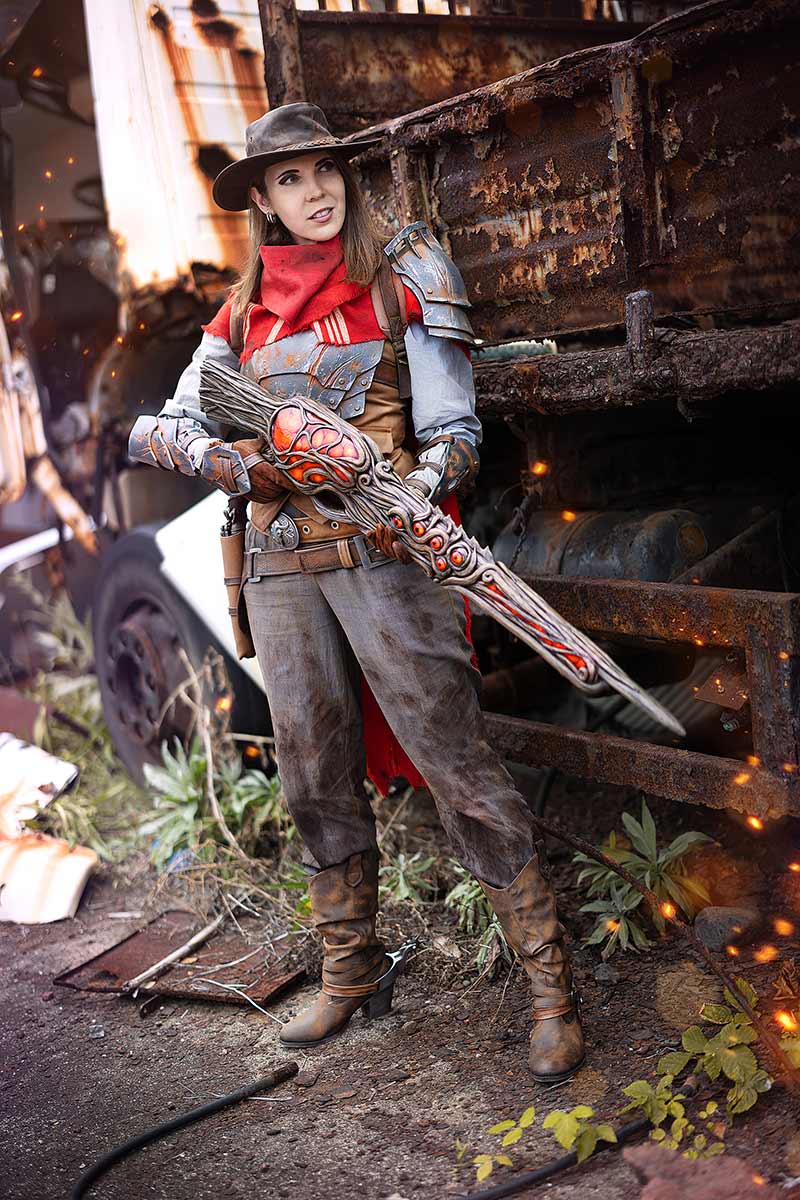
While the "ceiling" for what constitutes a high-quality costume has risen due to technological advancements, the "floor"—the entry point for a beginner—has remained remarkably stable. The most successful cosplayers are not defined by their inventory of laser cutters or resin printers, but by their persistence, their willingness to learn, and their enduring passion for their favorite characters.
The next generation of cosplayers should view the abundance of technology not as a barrier, but as a future goal. The journey from a safety-pinned, thrift-store creation to a 3D-printed, light-up masterpiece is exactly what makes the hobby rewarding. Ultimately, the cost of entry remains what it has always been: a bit of creativity, a lot of patience, and the courage to start small.