Siti Muinah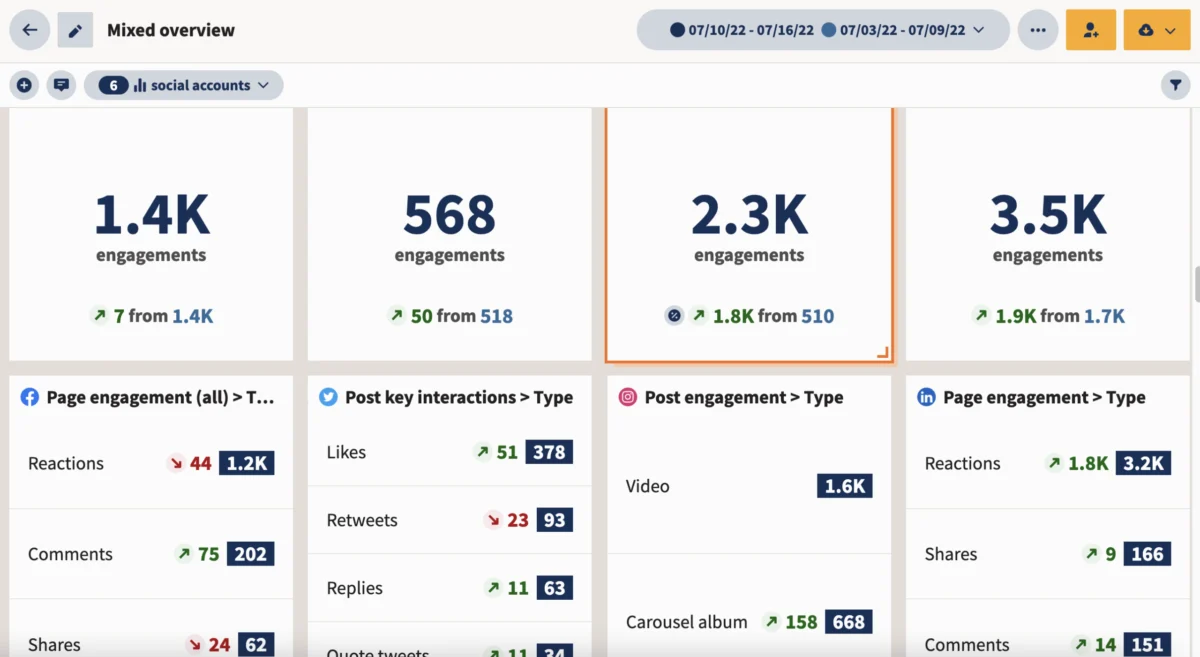
In the hyper-competitive landscape of modern digital marketing, follower counts have largely been relegated to "vanity metric" status. Today, the true pulse of a brand’s health on social media is found in its engagement rate. As algorithms evolve to prioritize meaningful interaction over passive consumption, understanding how to measure, analyze, and optimize your engagement rate is no longer optional—it is a business imperative.

Whether you are managing a global enterprise account or building a personal brand, the ability to translate "likes, shares, and comments" into actionable performance data is what separates successful campaigns from digital white noise.

Main Facts: What is Engagement Rate?
At its core, the engagement rate is a performance metric that quantifies the level of interaction a piece of content, a specific campaign, or an entire social profile receives relative to its reach or audience size. Unlike static metrics like total followers, engagement rate measures the quality of the connection between a brand and its audience.
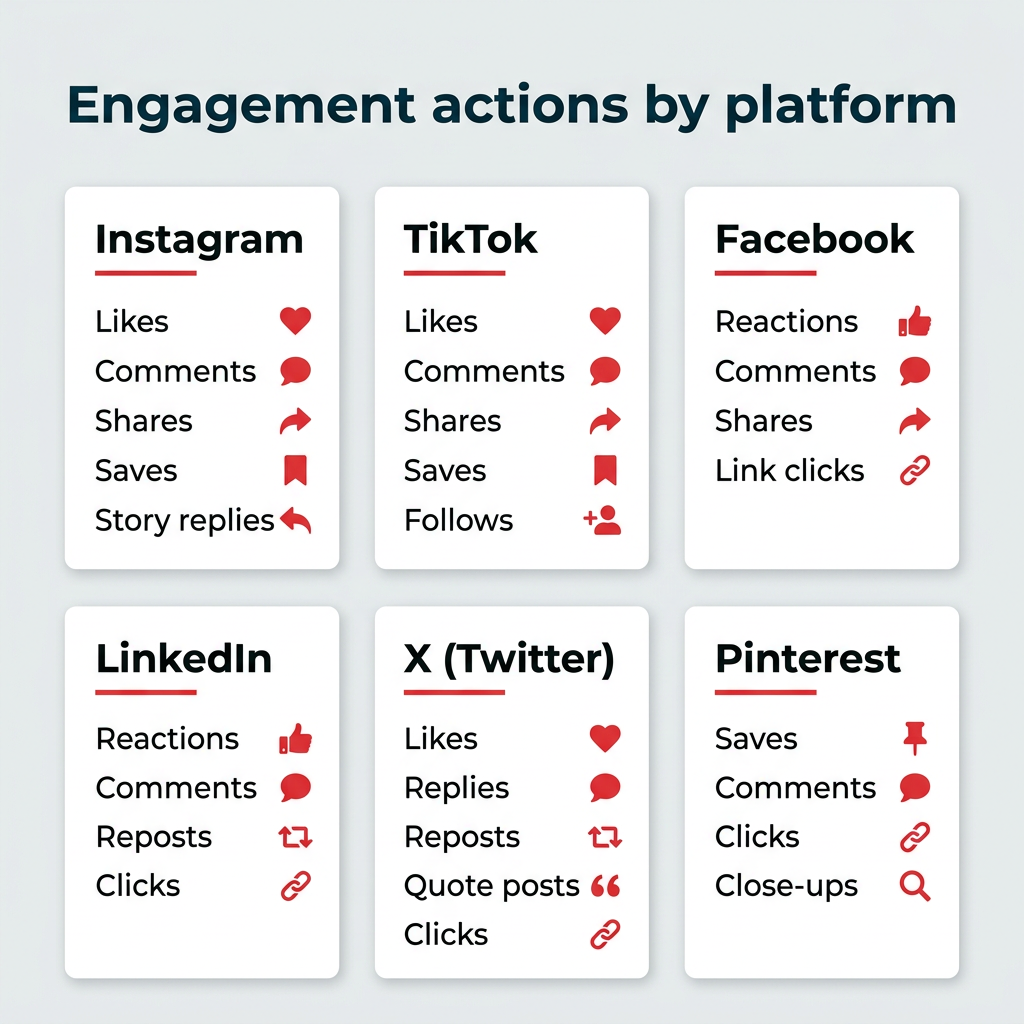
Broadly speaking, engagement encompasses any active step a user takes to interact with content. While definitions vary by platform, these actions typically include:

- Likes and Reactions: The foundational signal of approval.
- Comments: A deeper indicator of interest and brand conversation.
- Shares/Reposts: The "gold standard" of virality, signaling content advocacy.
- Saves/Bookmarks: A measure of long-term content utility or inspiration.
- Link Clicks: A bridge between social discovery and conversion.
Why does this matter? First, engagement is the currency of the modern algorithm. Platforms like Instagram, TikTok, and LinkedIn operate on recommendation engines that favor content already generating interaction. High engagement signals to the platform that your content is valuable, prompting it to surface your posts to wider, non-follower audiences. Second, for enterprise stakeholders, engagement rate provides the most transparent window into ROI, linking creative content directly to audience behavior.
Chronology of Engagement: From Passive Views to Active Interaction
The evolution of social media metrics has been marked by a shift from volume to value.
- The Early Era (2005–2012): Metrics were dominated by "Reach" and "Follower Count." Success was defined by how many eyes were on the page.
- The Algorithmic Pivot (2013–2018): As feeds became cluttered, platforms introduced sophisticated algorithms. The "Chronological Feed" died, and "Relevance" took its place. Brands were forced to pivot from broadcasting to building community.
- The Conversion & Retention Era (2019–Present): With the rise of short-form video (TikTok, Reels, Shorts), the definition of engagement narrowed. Passive viewing (impressions) became distinct from active engagement (shares and saves). Today, marketers are focused on "Engagement Rate by Reach" (ERR) as the most accurate reflection of true performance.
Supporting Data: The 2026 Industry Benchmarks
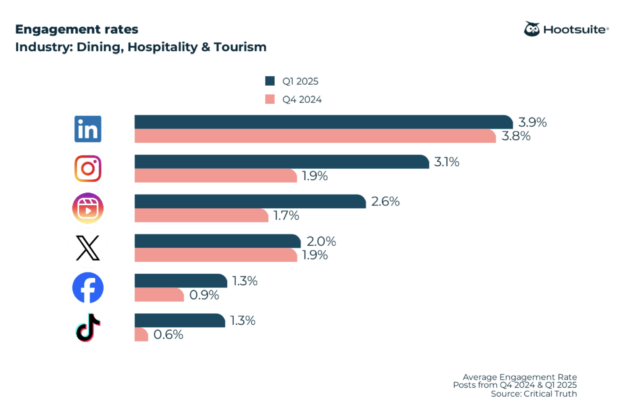
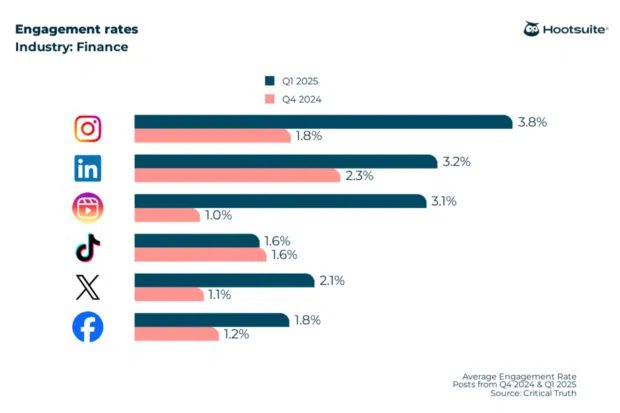
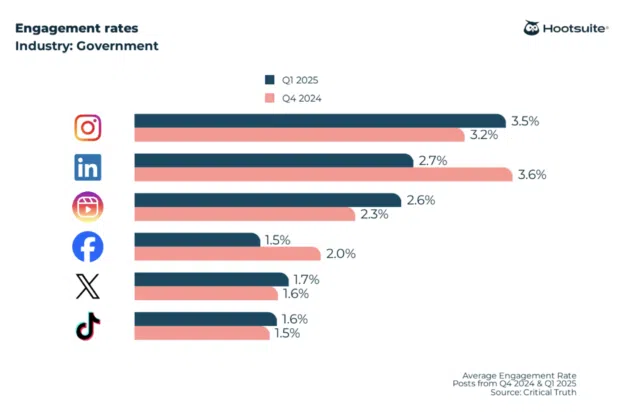
To understand whether your performance is "good," you must compare your data against industry-standard benchmarks. Recent data synthesized by Hootsuite and critical analytics partners provides a clear picture of what constitutes a healthy engagement rate in 2026.
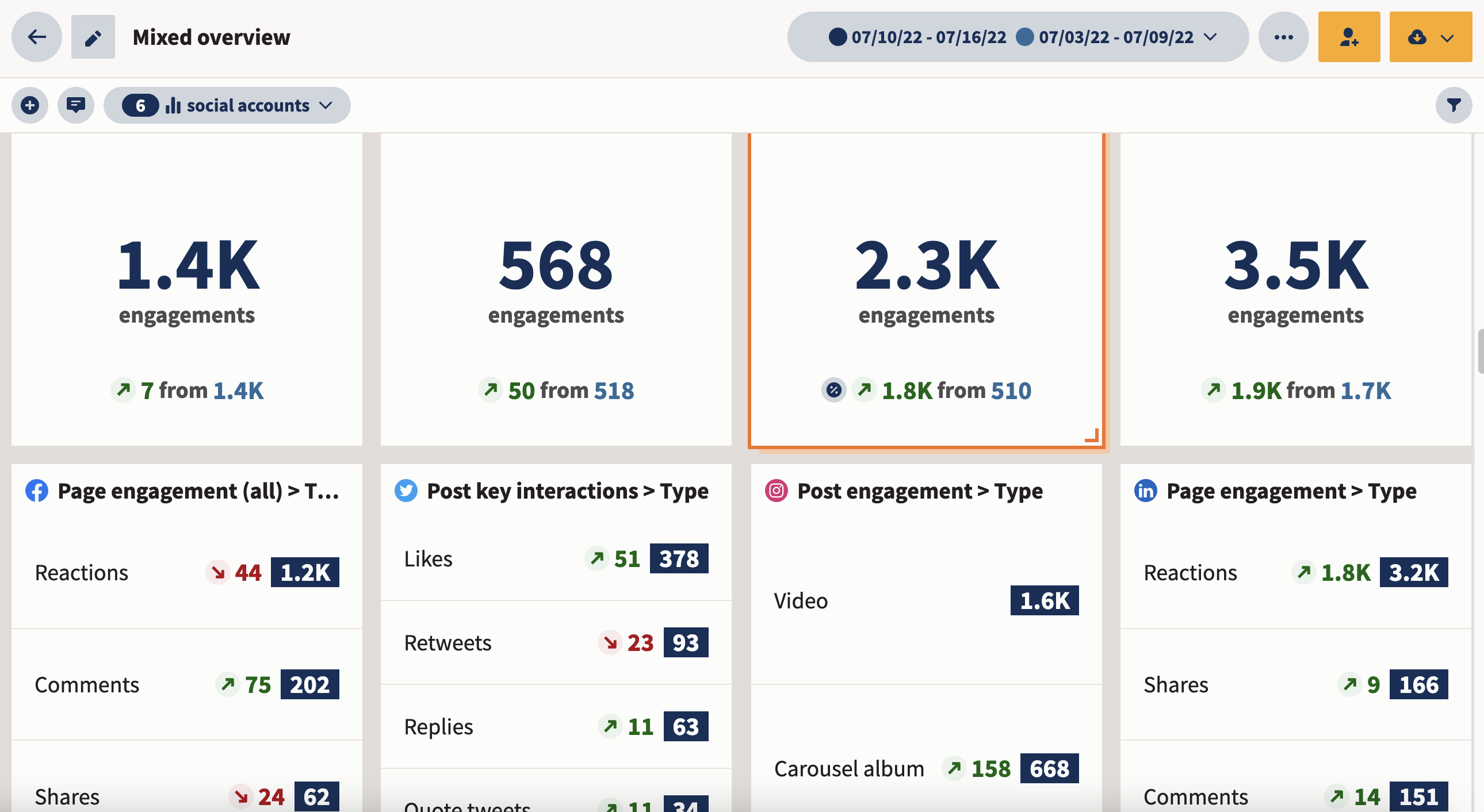
Across all industries, a "good" engagement rate generally fluctuates between 1% and 5%. However, these numbers are highly dependent on the platform and the sector.

Cross-Platform Averages (All Industries)
- Instagram: 3.0%
- Instagram Reels: 2.7%
- LinkedIn: 2.0%
- X (Twitter): 1.8%
- TikTok: 1.5%
- Facebook: 0.8%
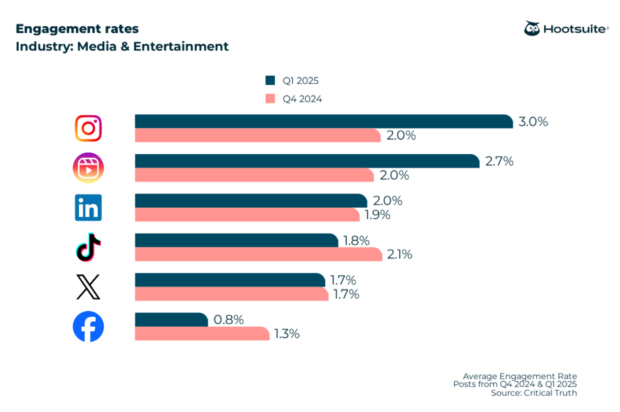
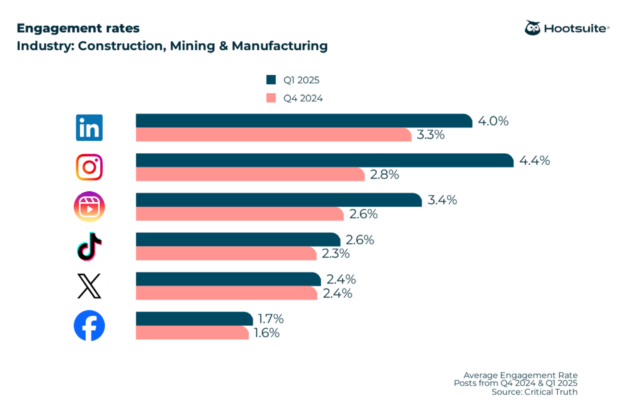
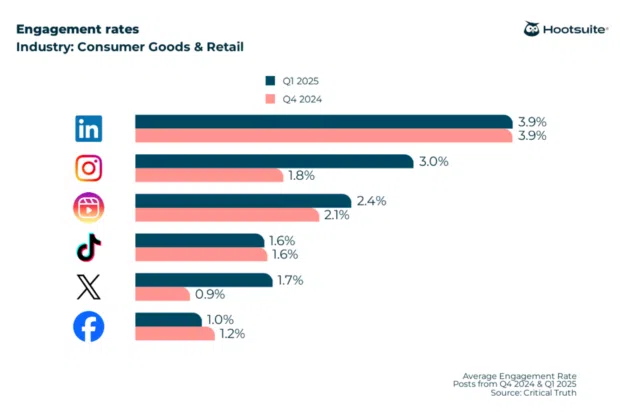
These benchmarks illustrate that while Instagram remains a stronghold for high-interaction content, Facebook has evolved into a more static, discovery-focused platform. Niche industries, such as Nonprofits and Construction/Manufacturing, often see significantly higher engagement on Instagram (exceeding 4%) compared to general corporate sectors, largely due to the visual and storytelling-heavy nature of those fields.
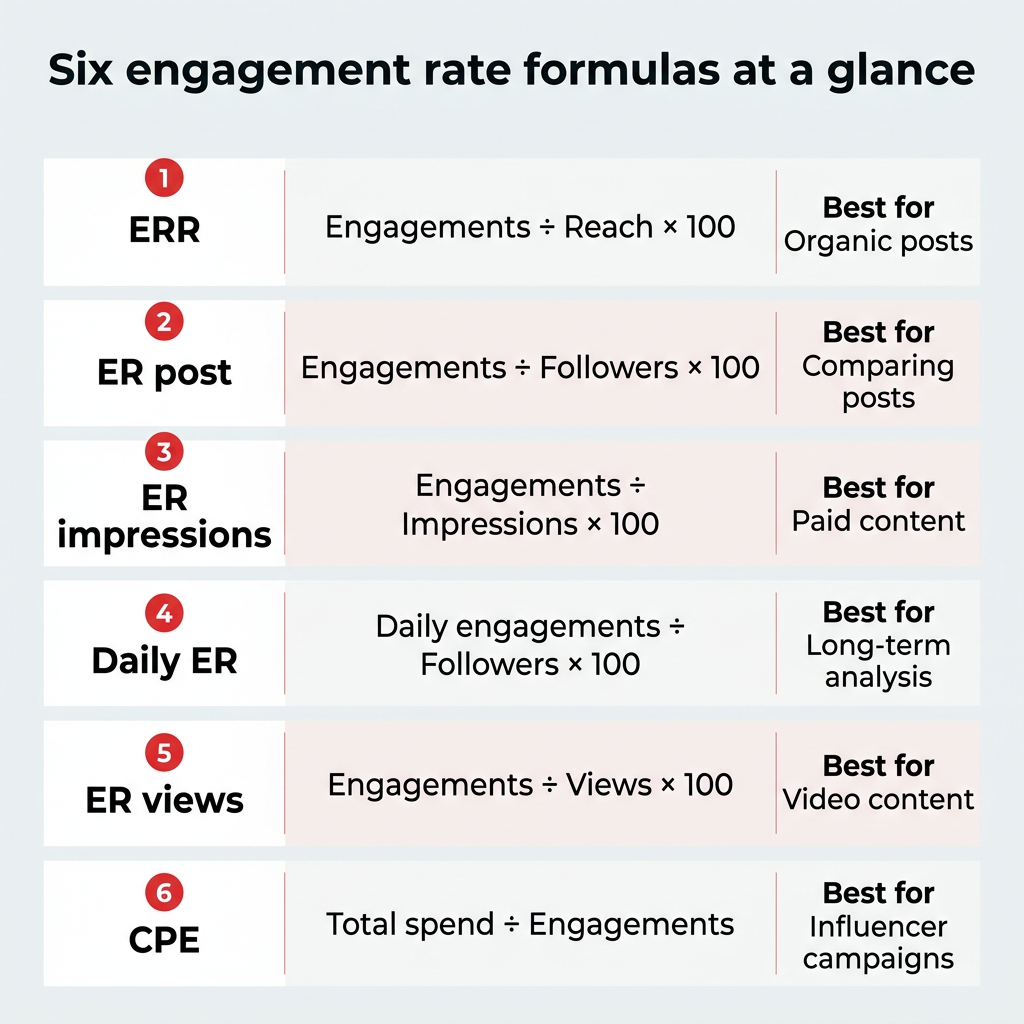
Calculating Your Success: The Six Essential Formulas
Not all engagement is created equal. Depending on your objective—be it awareness, community building, or direct sales—you should employ different formulas to evaluate your performance.
1. Engagement Rate by Reach (ERR)
- Formula: (Total Engagements / Total Reach) * 100
- Why use it: This is the most accurate metric for organic content, as it calculates interaction relative to the people who actually saw the post.
2. Engagement Rate by Post (ER Post)
- Formula: (Total Engagements / Total Followers) * 100
- Why use it: Essential for tracking the growth of your account over time and comparing the performance of individual posts against your total base.
3. Engagement Rate by Impressions (ER Impressions)
- Formula: (Total Engagements / Total Impressions) * 100
- Why use it: This is the industry standard for paid advertising. Since ads are often served to the same person multiple times, using impressions as the denominator provides a realistic view of cost-efficiency.
4. Daily Engagement Rate
- Formula: (Total Daily Engagements / Total Followers) * 100
- Why use it: Ideal for long-term account health analysis, capturing interactions on both new and archival content.
5. Engagement Rate by Views (ER Views)
- Formula: (Total Engagements / Total Video Views) * 100
- Why use it: The primary metric for video-centric strategies on TikTok and Reels.
6. Cost Per Engagement (CPE)
- Formula: Total Ad Spend / Total Engagements
- Why use it: The ultimate metric for influencer marketing and conversion-based campaigns. It tells you exactly how much your brand paid to start a conversation.
Implications for Strategic Planning
The data derived from these formulas should not just sit in a monthly report; it should drive your future creative strategy.
1. Content Optimization: If your ER by Post is high but your ERR is low, your content is appealing to your followers but failing to reach new audiences. You may need to optimize your hashtags or explore trending audio.
2. Paid-to-Organic Transition: If your ER by Impressions is significantly lower than your ER by Reach, it suggests your ad creative is causing "ad fatigue." Users are seeing it multiple times but not engaging, signaling it is time to refresh your creative assets.
3. Resource Allocation: If your data shows that video content generates a 3% engagement rate while image-based posts stagnate at 0.5%, the implication is clear: shift your production budget toward short-form video.
Official Recommendations and Best Practices
To move the needle, brands must treat engagement as an active, two-way street.
- The Power of Timeliness: Use analytics to identify when your audience is most active. Scheduling posts to coincide with these windows can boost your initial engagement, which in turn signals the algorithm to boost your content further.
- The "Community First" Mindset: Engagement is a cycle. If you want more comments, you must reply to the ones you have. A brand that engages with its own comments section creates a sense of accessibility that drives long-term loyalty.
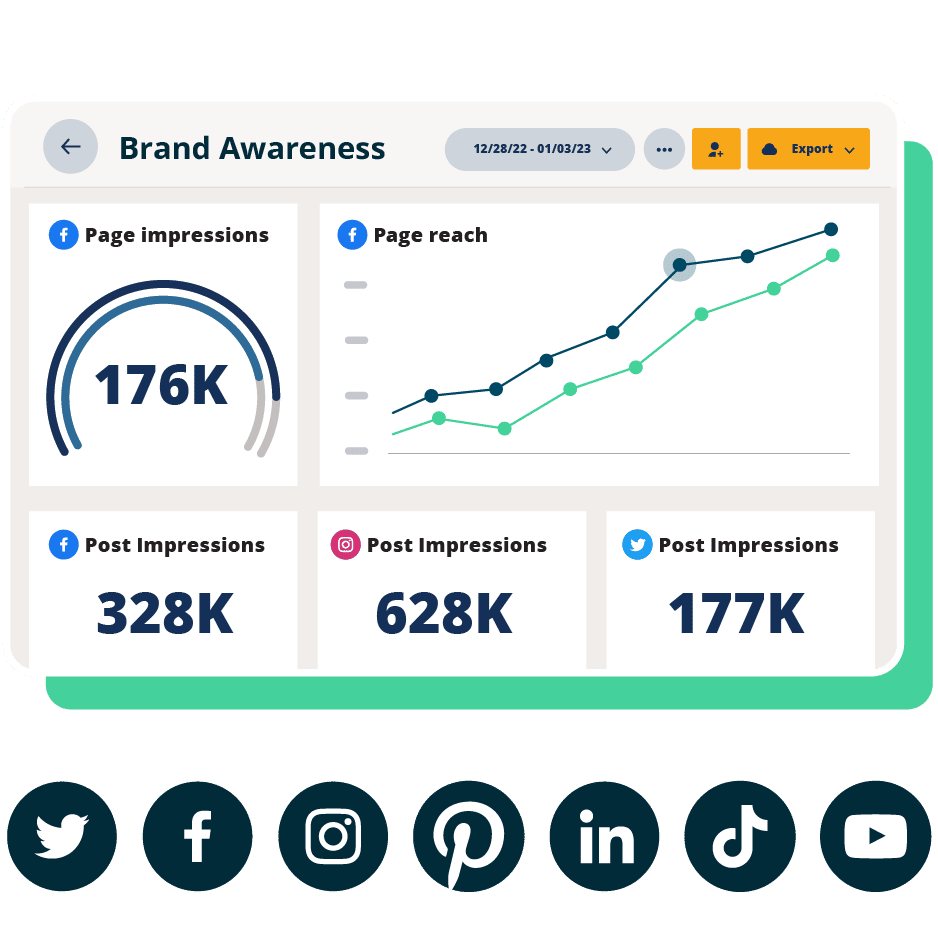
- Leverage Automation Tools: For enterprise teams, manually tracking these formulas in spreadsheets is a recipe for error. Utilizing tools like Hootsuite Analytics allows for real-time, cross-platform tracking. These tools not only automate the math but also provide visual reporting that can be easily presented to executive leadership to prove the tangible value of social media efforts.
Final Thoughts
In 2026, the brands that win are those that stop chasing "vanity" metrics and start obsessing over the nuance of engagement. By choosing the right formula for the right goal, and consistently benchmarking against industry standards, you can transform your social presence from a broadcast channel into a highly responsive, community-driven engine for growth.
Start your journey toward data-driven social media management today by auditing your last 30 days of content using the formulas provided. The insights you uncover may just be the key to your next viral campaign.


 Neng Nana
 Nana Wu