Nana Muazin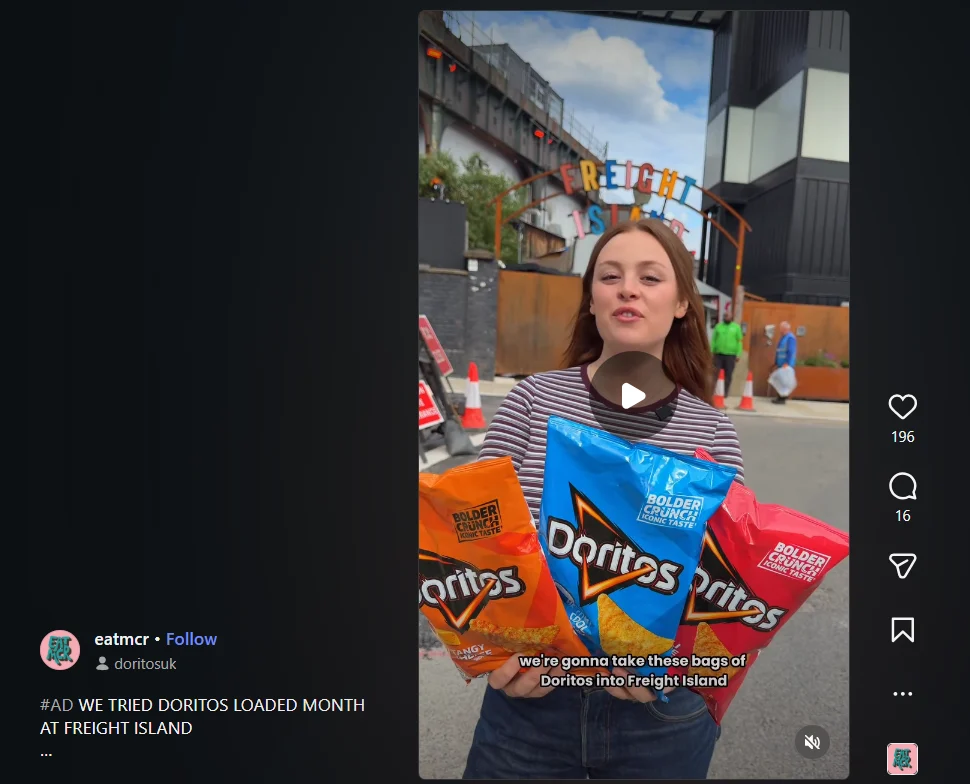
In the modern digital economy, the right influencer partnership is no longer just a "nice-to-have" marketing tactic—it is a cornerstone of brand visibility and audience trust. However, as the creator economy matures, brands are finding that hit-or-miss, transactional campaigns are yielding diminishing returns. To achieve sustainable growth, companies must transition from sporadic gifting to intentional, programmatic influencer management. This evolution requires viewing creator collaborations not as isolated events, but as a scalable, repeatable ecosystem that integrates seamlessly with broader marketing objectives.
The Architecture of Programmatic Management
At its core, influencer management is the strategic orchestration of discovering, vetting, contracting, and collaborating with creators. While individual goals may vary—from driving immediate conversions to enhancing brand sentiment—the objective remains consistent: working with creators to produce authentic, high-impact content that resonates with target audiences.
Moving to a "programmatic" model shifts the focus from administrative firefighting to strategic development. This involves creating a standardized lifecycle for every partnership, encompassing everything from initial outreach to final payout. By leveraging dedicated tools—such as Sprout Social Influencer Marketing—teams can centralize their workflows, ensuring that social media managers, media buyers, and external agencies are all working from a single, unified source of truth.
The Chronology of an Effective Campaign
A successful influencer program follows a disciplined, six-step lifecycle that minimizes friction and maximizes results:
- AI-Driven Discovery: Modern teams no longer rely on manual searches. By using AI-powered natural language processing, brands can identify creators based on content themes rather than just follower counts.
- Strategic Recruitment: Using templated outreach and CRM-based "Creator Lists" allows brands to build a bench of reliable partners, turning one-off engagements into long-term assets.
- Creative Alignment: A brief is a living document. By balancing "hard" brand requirements (like CTA placement) with creative freedom, brands ensure consistency without stifling the creator’s unique voice.
- Operational Compliance: With increasing regulatory scrutiny, automated safety audits and standardized contract workflows protect the brand from reputational and legal risks.
- Data-Backed Launch: The go-live process should be standardized. Utilizing UTM parameters and conversion pixels ensures that every post can be traced back to business outcomes.
- Closed-Loop Reporting & Payouts: The relationship ends when the payment clears. Integrated payment solutions—such as those linked to Lumanu or PayPal—ensure that creators are compensated on time, cementing the foundation for future work.
Supporting Data and Industry Insights
The shift toward structured management is supported by clear performance metrics. Brands that standardize their processes report significant reductions in "time-to-market" for campaigns. According to Anna Larson, Director of PESO Content at Flint Group, the implementation of specialized tools has fundamentally altered the agency’s workflow.
"Tools like Sprout Social Influencer Marketing have helped us significantly accelerate our creator and influencer marketing offering," Larson notes. "We’re able to identify highly aligned creators much faster, spend less time on manual research and focus more energy on strategy, relationship building and development."
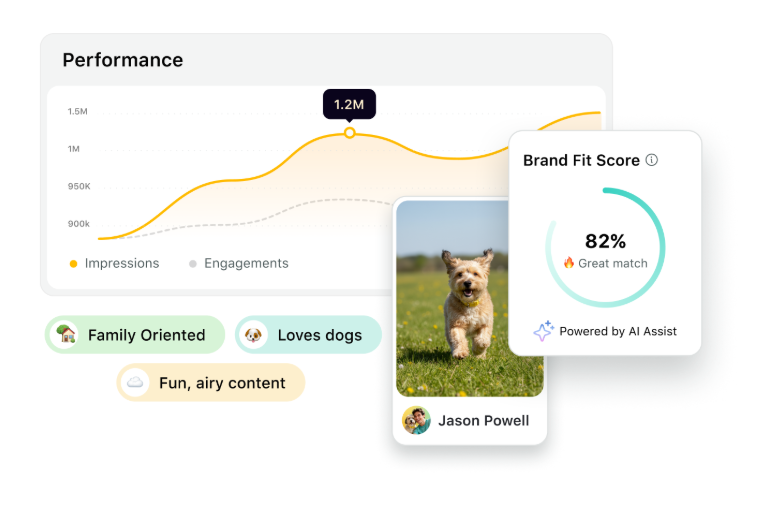
Furthermore, data suggests that the "Brand Fit Score"—a metric used to evaluate how well a creator’s values align with a brand—is becoming the gold standard for selection. By replacing vanity metrics like total follower counts with qualitative engagement data, brands are seeing higher conversion rates and stronger community integration.
Implications for Brand Strategy
The move toward programmatic management has profound implications for how brands perceive their place in the social ecosystem.
Predictability and Creative Consistency
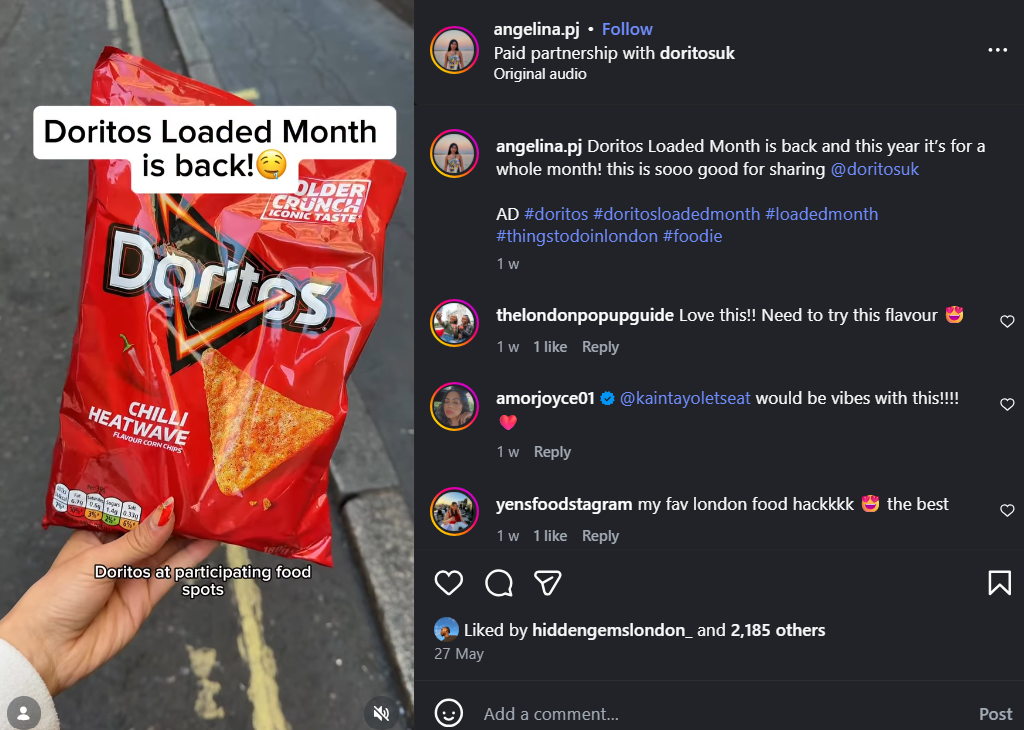
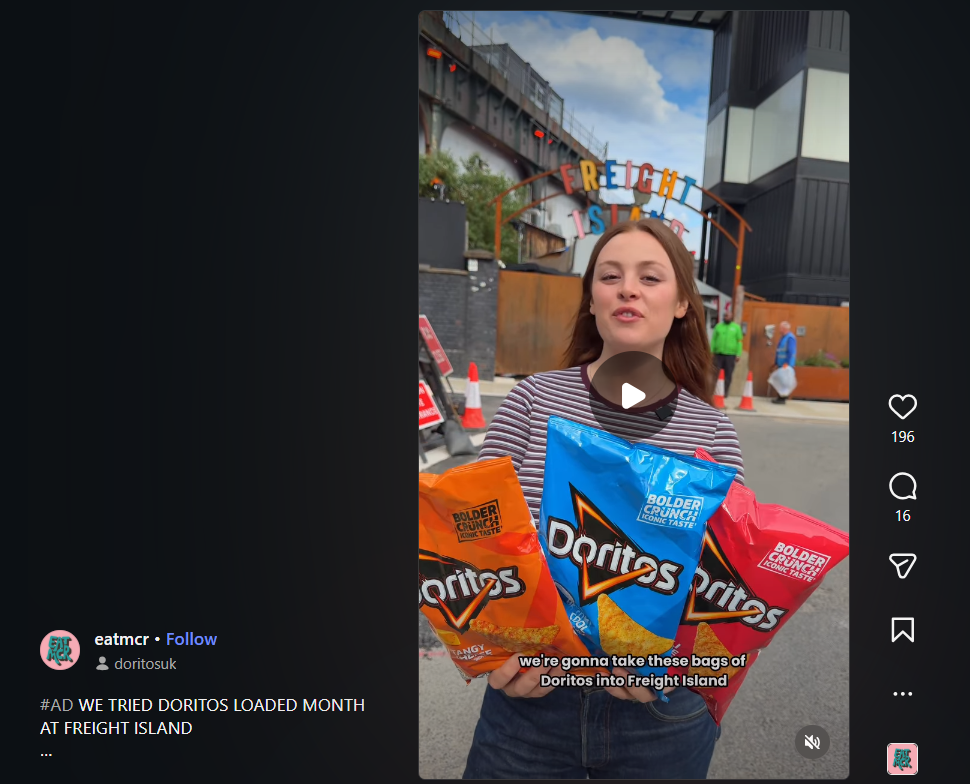
When brands operate without a system, campaigns become unpredictable. A programmatic approach forces a standardized schedule, which allows teams to identify bottlenecks before they manifest. Furthermore, when managing multiple creators simultaneously, maintaining a consistent brand aesthetic is a major challenge. By setting clear creative guardrails, brands like Doritos (as seen in their UK "Loaded Month" campaign) successfully allowed creators to remain authentic while ensuring the core brand messaging remained front and center across diverse content formats.
The Power of Long-Term Retention
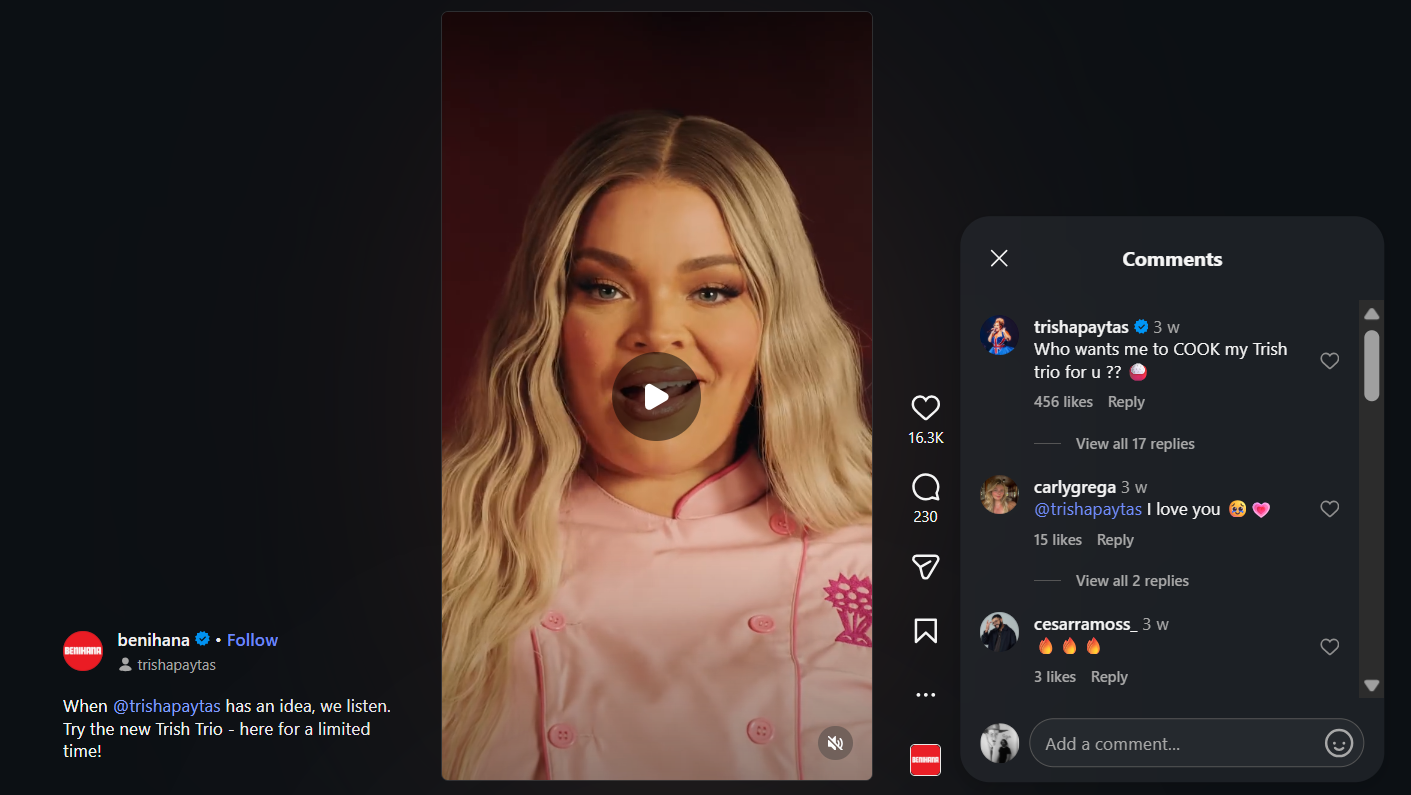
The "one-off" post is increasingly viewed as an inefficient use of marketing spend. Long-term partnerships—where a creator becomes a de facto ambassador—build a deeper sense of trust. The collaboration between Trisha Paytas and Benihana serves as a prime example. By embedding the brand into her ongoing social presence, the partnership transcends a single advertisement, creating a persistent, top-of-mind association that influences long-term consumer behavior.
Navigating Brand Safety
In an era of volatile social discourse, brand safety is a primary concern. Because brands cannot exercise direct control over an influencer’s personal life or future posts, they must rely on rigorous initial vetting. Programmatic management allows for automated "red flag" auditing, where a creator’s entire history can be scanned for misaligned themes or controversial content before a contract is ever signed.
Overcoming Common Management Hurdles
Even with the best tools, influencer management is a human-centric endeavor prone to specific operational frictions.
- The Briefing Gap: When content fails to meet expectations, it is almost always a failure of the brief. The solution is to mandate a "collaborative brief" phase where creators are invited to weigh in on the strategy.
- The Engagement Paradox: Many brands fall into the trap of prioritizing "macro-influencers" with massive reach but low engagement. The industry consensus has shifted toward micro and nano-influencers who maintain niche, high-trust communities. As Larson observes, "At the end of the day, we’re looking for trust. Whether a creator has 1,000 followers or 1 million, the most effective partnerships happen when audiences believe the person behind the content."
- Administrative Drag: Manual payment processes are a leading cause of churn among professional creators. By adopting integrated, automated payment systems, brands can differentiate themselves as "creators-first," ensuring that their top-tier partners return to them for future collaborations.
Conclusion: The Path Forward
The future of influencer marketing belongs to brands that treat creator relationships with the same analytical rigor applied to paid media or SEO. By replacing manual spreadsheets with centralized platforms, marketers can transform their influencer programs into a repeatable, scalable engine for growth.
Whether you are looking to improve your discovery process with AI-driven tools, streamline your creative approvals, or simply ensure your partners are paid with the speed and transparency they deserve, the transition to a programmatic approach is no longer optional. It is the defining requirement for any brand looking to survive and thrive in the creator-led economy.
As the landscape continues to evolve, the brands that win will be those that view influencer management not as a marketing task, but as a strategic asset—a network of voices that, when managed correctly, becomes the most powerful amplifier a brand can possess.

 Nana Wu
 Neng Nana