Introduction: The Weight of Legacy
"The Wheel of Fire," the nineteenth episode of the fifth season of Babylon 5, serves as a pivotal character study and a structural bottleneck for the series’ concluding arc. Directed by Janet Greek and penned by series creator J. Michael Staczynski, the episode first aired on November 4, 1998. While it functions as a bridge toward the final resolution of the Interstellar Alliance’s internal political stability, it is primarily a character-driven narrative that explores the consequences of fame, the burden of addiction, and the lingering, dangerous artifacts of the Vorlon and Shadow conflicts.
Chronology of Events
The narrative is split between the personal crises of the station’s command staff and the broader political instability surrounding the Narn Regime and the rising threat of a rogue telepath uprising.
The Return of the Icon
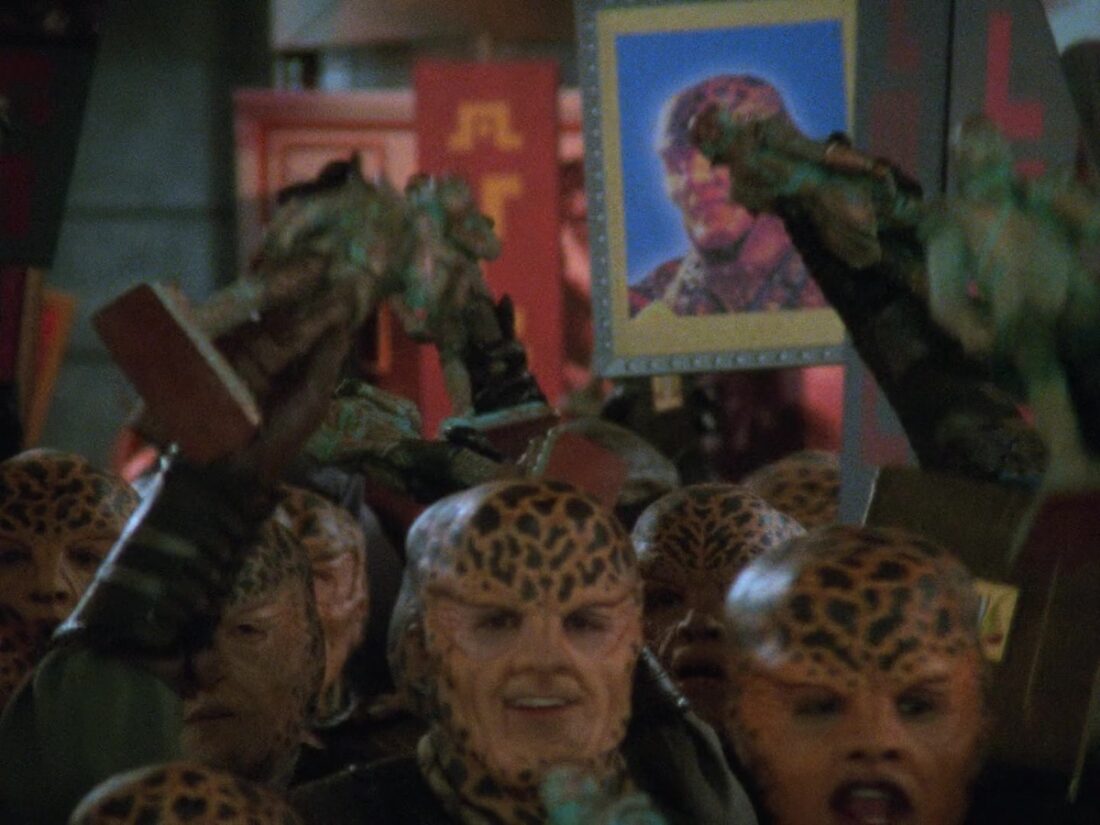
The episode opens with the return of G’Kar to Babylon 5. Having acted as the bodyguard for Londo Mollari during the harrowing events on Centauri Prime, G’Kar seeks a quiet existence. He hopes his proximity to the despised Centauri leader will have tarnished his reputation enough to escape the "groupie" culture that has sprung up around him. However, his homecoming is anything but quiet. He is greeted by a throng of adoring Narns who treat him as a living deity—a development that horrifies G’Kar, who views this idolization as a path to the same corruption that destroyed his predecessors.
The Descent and Redemption of Garibaldi
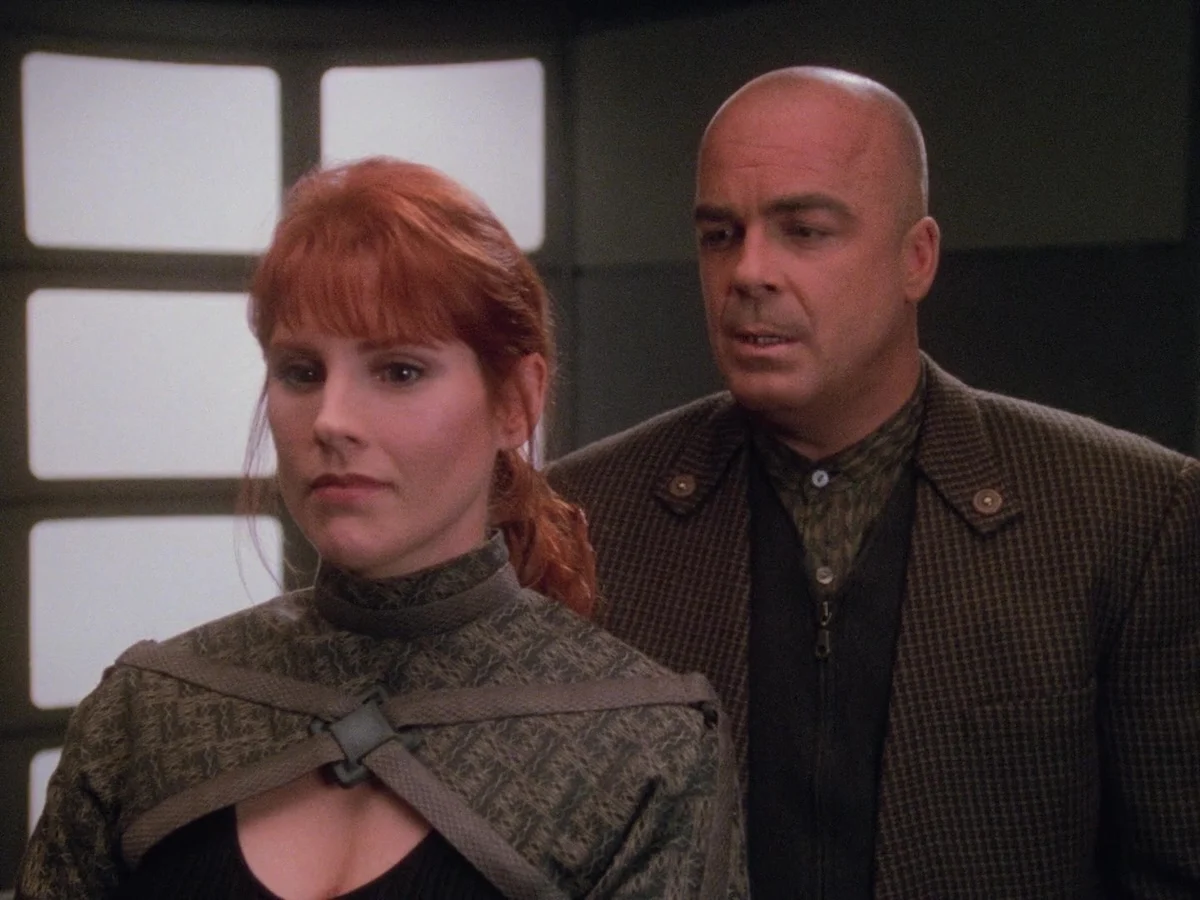
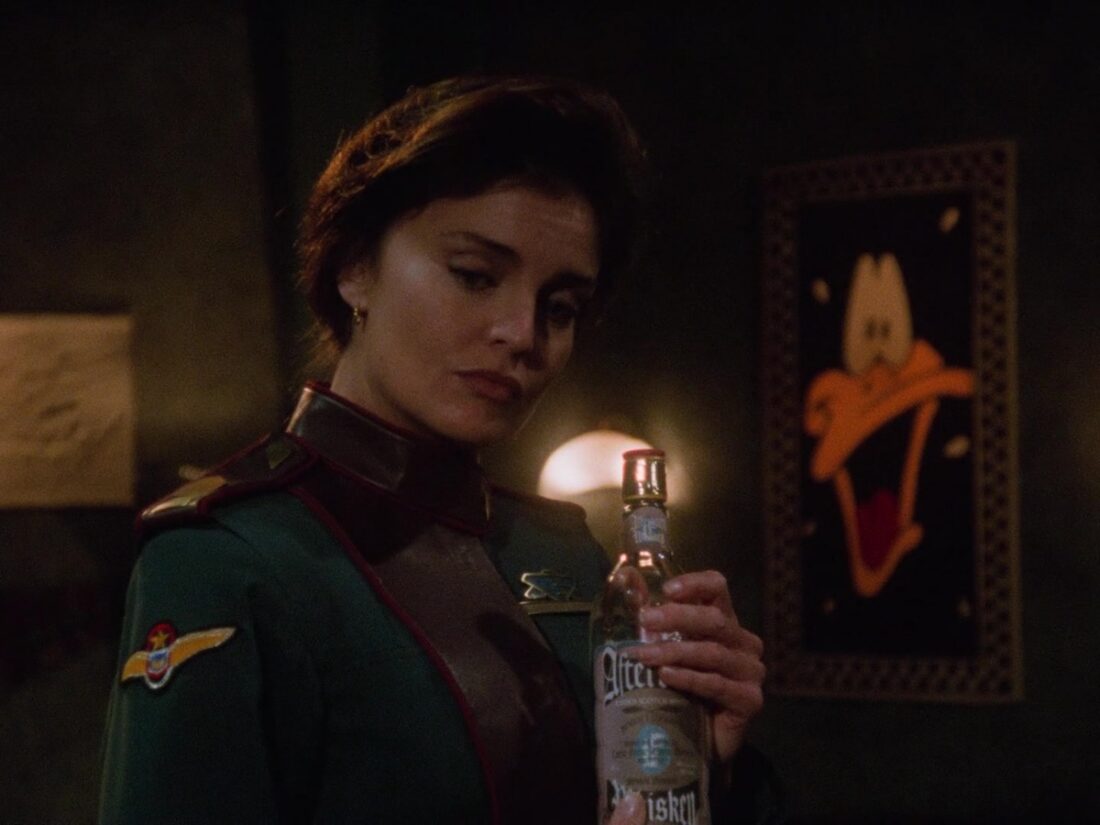
Simultaneously, the station’s security situation is compromised by the collapse of Michael Garibaldi. His struggle with alcoholism, long suspected by his peers, reaches a breaking point when he appears inebriated at a high-level staff meeting. Captain Elizabeth Lochley, who has previously clashed with the former security chief, steps in with a surprising show of empathy. Revealing her own history with addiction and the trauma of her father’s alcoholism, Lochley establishes a rapport with Garibaldi that shifts from hostility to mentorship. This personal reconciliation serves as the catalyst for Garibaldi’s tentative return to stability, bolstered by the arrival of his partner, Lise Hampton.
The Vorlon Weapon
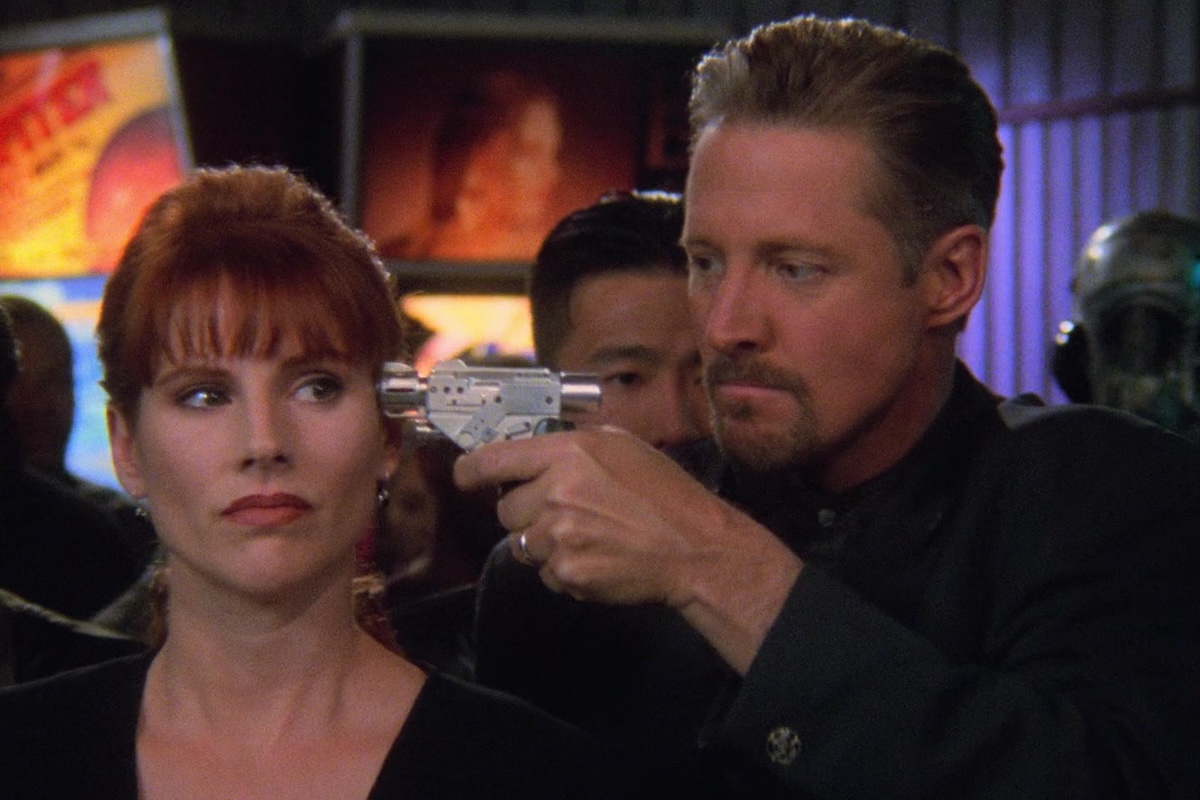
The episode also tracks the investigation into a series of attacks on Psi Corps facilities. These acts of sabotage are linked to the telepath Alexander, a figure who has been physically and mentally altered by Vorlon interference. As Lochley and her team attempt to apprehend her, they find their efforts thwarted by Alexander’s telepathic hold over the station’s populace. The conflict is only resolved when Captain John Sheridan—himself possessing a unique resilience due to his own history with the Vorlon Kosh—intervenes, allowing Lochley to neutralize the threat.
Supporting Data: Character Arcs and Narrative Progression
The Psychological Toll of War
The episode emphasizes the "sedate" nature of the post-war recovery period. Many of the character arcs, such as Garibaldi’s transition to a corporate role at Edgars Industries, are portrayed as deliberate attempts to leave the violence of the Shadow War behind. However, the narrative suggests that such an escape is impossible. The decision by Garibaldi to manipulate Alexander into a deal—trading a shadow account for the removal of the Asimov-style mental block Bester placed in his mind—demonstrates that the "war" has merely shifted from the battlefield to the boardroom and the shadows of espionage.
The Political Instability of the Narn
The tension between the Kha’Ri and G’Kar highlights the fundamental shift in Narn society. G’Kar’s rejection of leadership is not born of cowardice, but of profound philosophical growth. Having witnessed the absolute power exercised by the Centauri emperors, he recognizes that the Narn people are attempting to construct a system based on the same flawed hero-worship. His eventual decision to leave the station with Alexander—forming an unlikely alliance of two displaced, traumatized individuals—is the only way to preserve his integrity.
Official Responses: The Pregnancy and the Future of the Alliance
The episode concludes with a significant shift in the personal lives of Sheridan and Delenn. During a heated discussion regarding the Kha’Ri’s demands, Delenn collapses. Dr. Franklin’s diagnosis—that she is pregnant—is a narrative pivot point that underscores the themes of continuity and the future of the Interstellar Alliance. This development is treated with gravity, acknowledging that even in a galaxy filled with high-stakes political maneuvering, the most enduring change is the creation of a new generation.
Implications: The Unfinished Telepath War
"The Wheel of Fire" is perhaps best remembered for its role in setting the stage for the "Telepath War," a conflict that remains a glaring omission in the televised Babylon 5 canon. By focusing on the moral gray areas of telepathic control and the weaponization of psionic abilities by the Vorlons, the episode raises existential questions about autonomy.
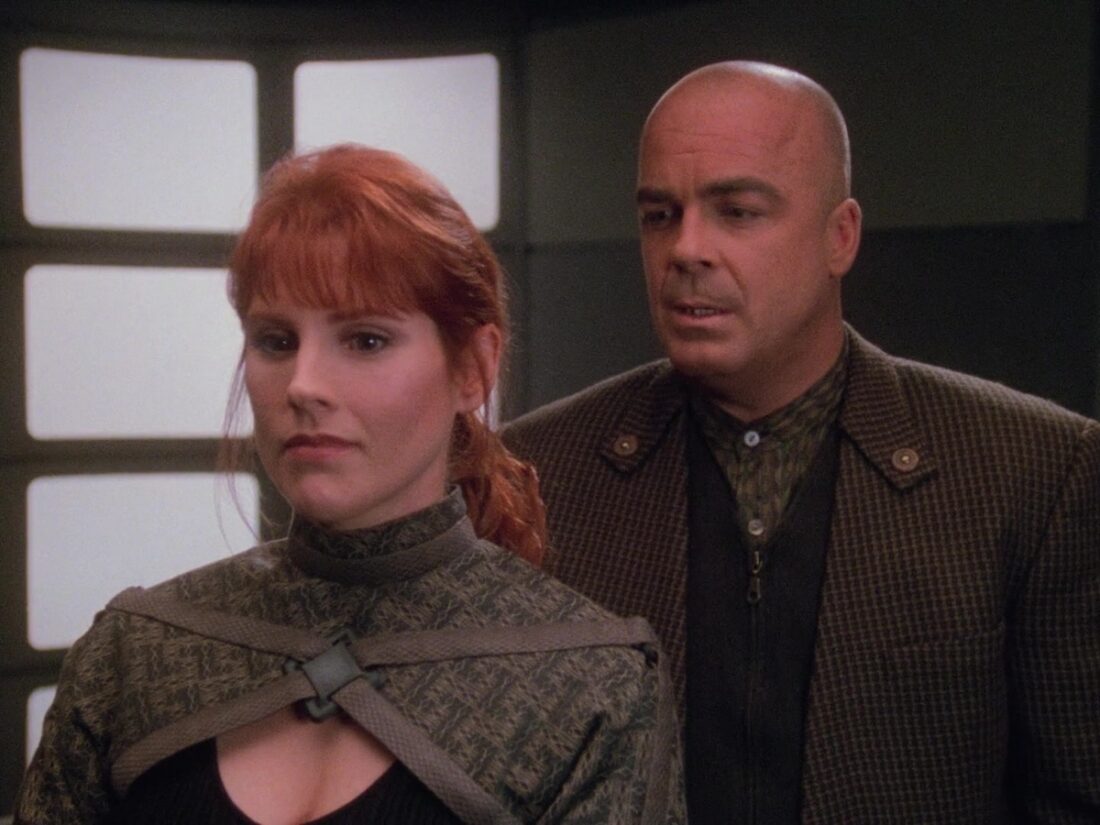
The deal brokered between Garibaldi and Alexander serves as a cynical, realistic take on how wars are actually settled—not through ideological triumph, but through financial maneuvering, secret trusts, and mutual leverage. The fact that Garibaldi retains a "shadow account" for potential future use against the Psi Corps indicates that he has not fully moved on from his life of intelligence work; he has simply changed his tools.
Critical Analysis: Pacing and Tone
Critically, "The Wheel of Fire" is often cited as a microcosm of the fifth season’s pacing issues. While the emotional payoffs—such as Lochley’s backstory and G’Kar’s desperate flight from fame—are potent, the episode suffers from a deliberate, sometimes stagnant tempo. The extended dialogue scenes, while character-rich, occasionally dilute the urgency of the central plot.
However, director Janet Greek’s visual construction of the Zocalo confrontation remains a high point. The scene where the bar patrons, under telepathic influence, move in synchronized, eerie harmony, provides a genuine sense of dread that is rarely matched elsewhere in the season. It serves as a stark reminder of the power inherent in the telepathic population, and why the Corps, the station, and the Alliance fear them.
Conclusion
"The Wheel of Fire" is an essential, if uneven, chapter in the Babylon 5 saga. It strips away the veneer of the "heroic" post-war period to reveal the messy, lingering consequences of survival. For G’Kar, it is a lesson in the dangers of the cult of personality; for Garibaldi, it is a testament to the long road to sobriety and the enduring nature of his vengeful spirit. As the station moves toward its final days, this episode confirms that while the fires of the Great War have been extinguished, the smoke continues to obscure the path ahead. The episode reminds the viewer that in the Babylon 5 universe, peace is never a destination—it is merely a different, more complicated way of fighting.