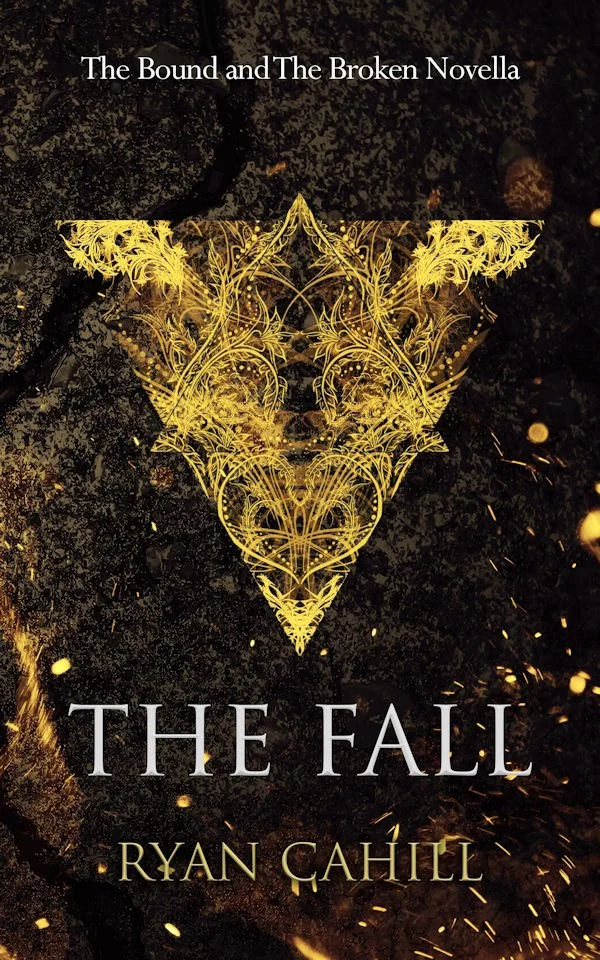
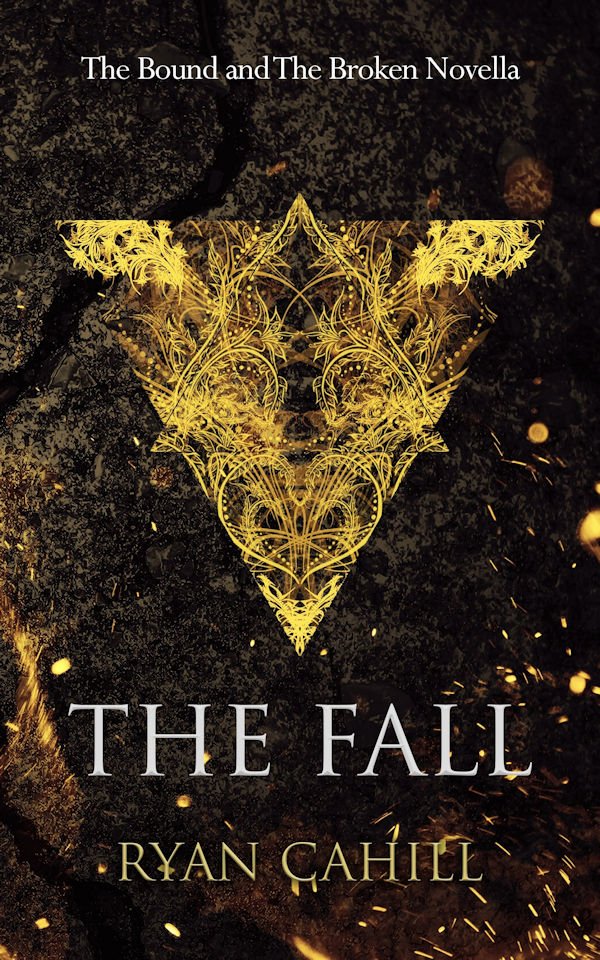
For thousands of years, the Order has stood as the unchallenged sentinel of Epheria, a continent defined by its complex history and the shifting sands of magical power. Yet, even the most entrenched institutions possess an expiration date. In Ryan Cahill’s latest entry into The Bound and the Broken series, The Fall, the reader is invited to witness the precise moment the foundation of that hegemony begins to crack. As the City of Ilnaen descends into the fires of rebellion and the skies darken with the wings of dragons, Cahill delivers not just a companion piece, but a masterclass in the art of the prequel.
The Premise: When the Order Unravels
At the heart of The Fall lies a fundamental shift in perspective. While many authors approach the prequel format as an opportunity to expand the scale of their world—frequently falling into the trap of "spectacle creep"—Cahill opts for a more surgical approach.
The narrative explores the erosion of the Order, an organization long accused of corruption, indulgence, and deceit. By focusing on the fallout of one of Epheria’s most significant historical events rather than the lead-up, the story forces the reader to confront an inevitable decline. Ilnaen, once a jewel of the continent, becomes the stage for a tragic orchestration of treachery and ruin. The brilliance of the narrative lies in its pacing; Cahill allows the realization of this collapse to settle over the reader with a quiet, suffocating gravity, prioritizing the emotional toll of historical failure over the adrenaline of the conflict itself.
Chronology and Contextual Placement
To understand the significance of The Fall, one must look at its placement within the broader tapestry of The Bound and the Broken. Serving as a precursor to the series opener, Of Blood and Fire, The Fall acts as a thematic bridge. It is not designed to be a standalone epic, but rather an essential layer of subtext that informs the reader’s experience of the main saga.
A Timeline of Decline:
- The Age of the Order: The multi-millennial period where the Order exerted total control over Epheria.
- The Catalyst: The events depicted in The Fall, characterized by the burning of Ilnaen and the emergence of deep-seated internal betrayal.
- The Post-Fall Era: The setting of Of Blood and Fire, where the repercussions of the Order’s failures define the political and magical landscape for the next generation of characters.
By positioning The Fall before the main novels, Cahill achieves a rare feat: he recontextualizes the "established truths" of his world. Readers who return to the main series after experiencing this novella will find that events previously viewed as isolated incidents now carry the weight of legacy and long-simmering resentment.
Supporting Data: The Craft of the Short-Form Narrative
Coming in at under 30,000 words, The Fall is a lean, deliberate exercise in narrative economy. While some critics might argue that such a brevity prevents a deep dive into the broader mechanics of the world, this limitation is, in fact, the novella’s greatest strength.
- Intimacy vs. Spectacle: While dragons and urban warfare occupy the periphery of the story, the primary focus remains on the micro-interactions between characters. Cahill utilizes these "low-key" moments to explore themes of memory and legacy.
- The "Get In, Make Us Care, Creep Out" Philosophy: The novella functions as an emotional primer. It provides just enough character development to ground the reader in the stakes of the conflict before concluding with a resonance that feels earned rather than explosive.
- Trope Ownership: Cahill demonstrates a profound confidence in his use of traditional fantasy elements. Fallen kingdoms, lingering magic, and the shadow of history are not presented as revolutionary concepts, but as grounded, sincere foundations upon which he builds his human drama.
Critical Implications: Redefining the Prequel
The implications of The Fall for the fantasy genre are significant. In an era where many series feel obligated to increase their word counts and magical stakes with every installment, Cahill’s willingness to "dial down the volume" is a refreshing departure.
The "Echo Effect"
One of the most compelling aspects of the novella is how it gains value in retrospect. In isolation, it is an emotionally resonant vignette. However, when viewed as part of the wider Bound and the Broken series, the story begins to "echo outward." Small details—a glance, a choice, a whisper—take on monumental significance. This creates a feedback loop where the reader’s engagement with the main novels is deepened by the novella, and the novella is enriched by the context of the main novels.
A Foundation for Future Growth
By focusing on the aftermath rather than the lead-up, Cahill allows the readers to grieve for the world that was, even as they anticipate the story that is to come. It sets a specific, somber tone that acts as the emotional bedrock for the entire franchise. It is a reminder that the most impactful stories are often those that care less about the grandeur of the setting and more about the human cost of the history that shaped it.
The Author’s Perspective: Insights from Tom Joyce
Tom Joyce, a noted fantasy scholar and contributor to the field, highlights that the success of The Fall lies in its sincerity. "Cahill leans into his influences with clarity and purpose," Joyce notes. "He doesn’t try to reinvent the wheel; instead, he polishes it until it reflects the very human struggles of his characters."
For educators and genre enthusiasts alike, the novella serves as a case study in effective world-building through exclusion. By choosing what not to show, Cahill forces the reader to fill in the gaps with their own imagination, effectively making the audience a co-creator in the collapse of Epheria.
Conclusion: An Essential Stepping Stone
While The Fall may not be remembered as a groundbreaking work of radical reinvention, its ambition is precisely what makes it successful. It is a controlled, precise, and emotionally intelligent entry that serves as a vital pillar for The Bound and the Broken.
For those who have yet to dive into the series, The Fall offers an accessible, albeit melancholic, entry point. For the initiated, it is a necessary retrospective that adds weight, complexity, and shadow to the epic journey of the main novels. In the landscape of modern high fantasy, where spectacle often supersedes soul, Ryan Cahill’s The Fall stands as a testament to the power of character-driven storytelling. It is, quite simply, an essential read for anyone invested in the future—and the tragic past—of the continent of Epheria.
As the Order continues to face the scrutiny of time and the fires of rebellion, one thing remains clear: Cahill has successfully transformed a historical footnote into the beating heart of his narrative. The fall of Ilnaen may be the beginning of the end for the characters, but for the reader, it is the beginning of a much deeper, more poignant understanding of a truly remarkable series.