

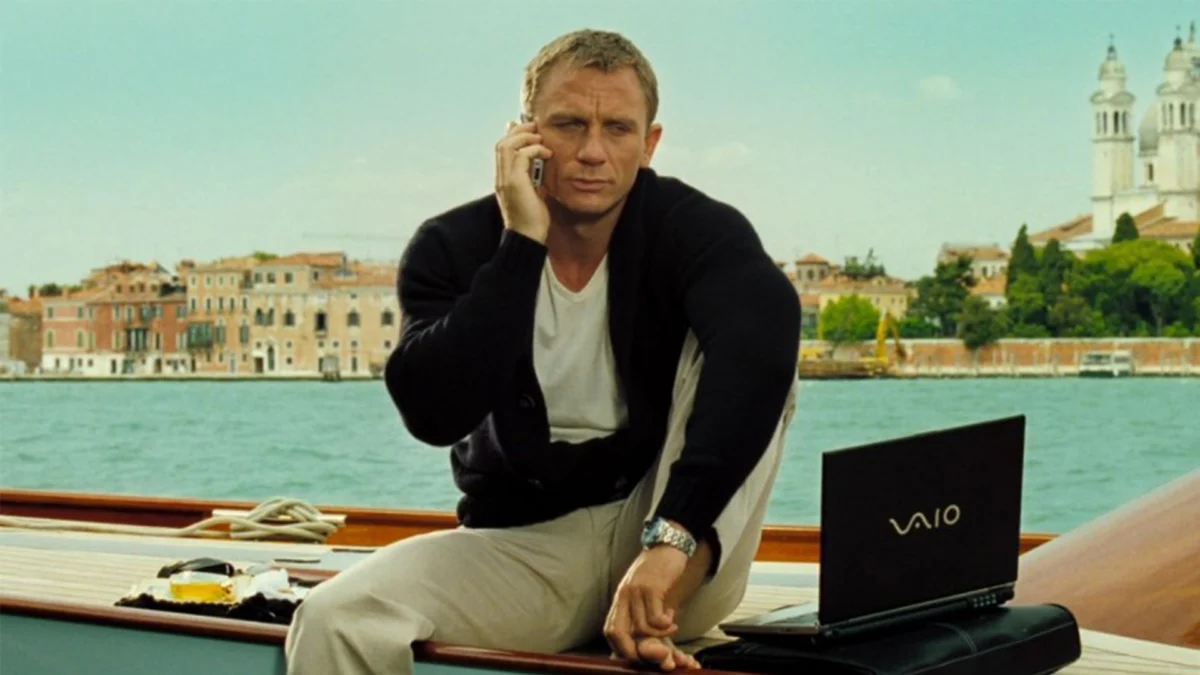
For over six decades, James Bond has been the ultimate cinematic chameleon. From the cold, calculating literary figure penned by Ian Fleming to the invisible-car-driving superhero of the Pierce Brosnan era, 007 is a cultural entity that resists a single, unified definition. However, as IO Interactive prepares to launch Project 007 (officially titled 007: First Light), a familiar existential crisis has resurfaced: Can a video game ever truly make the player feel like they are "The Bond"?
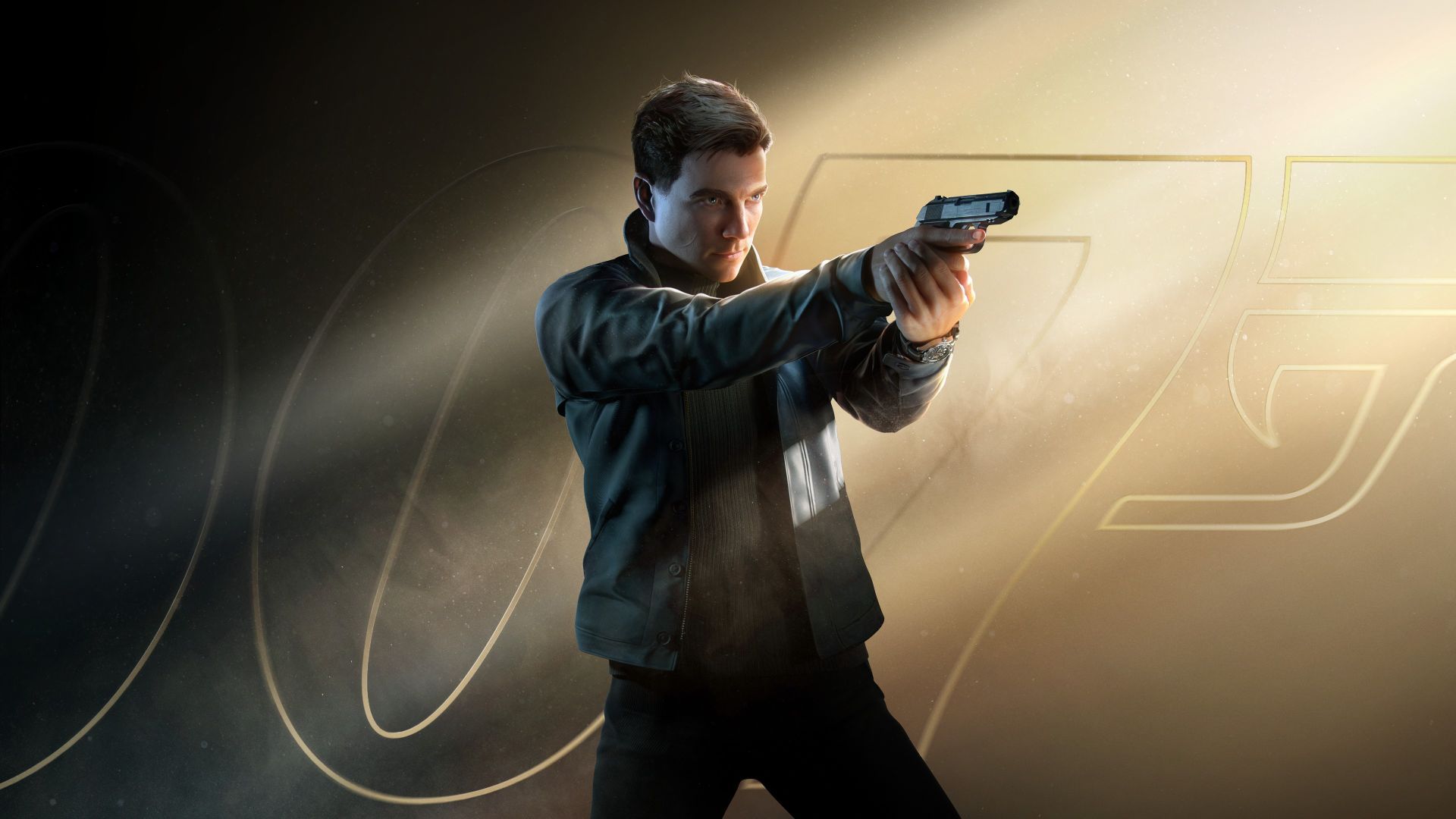
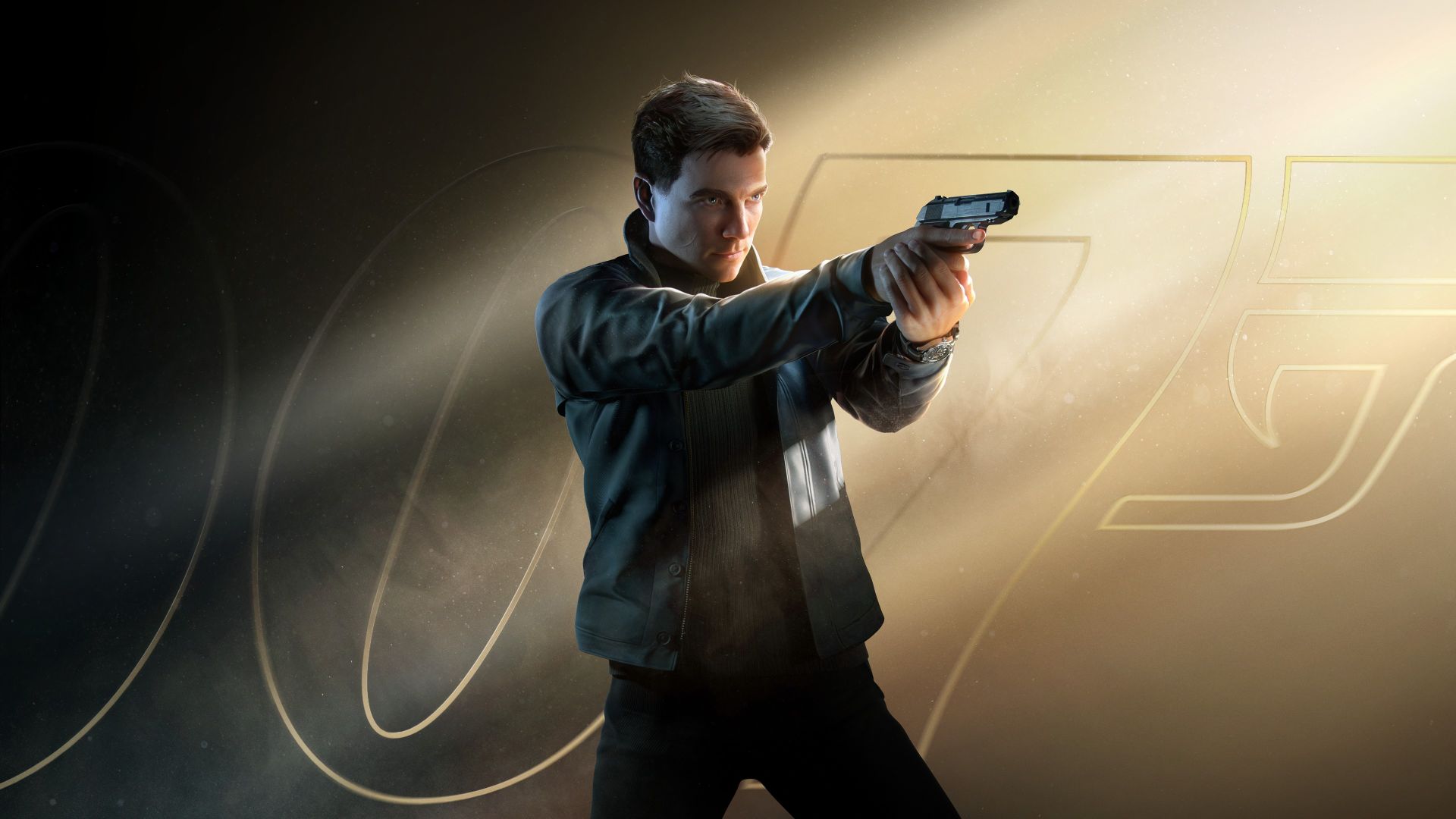
The recent unveiling of actor Patrick Gibson as the protagonist in First Light has ignited a firestorm of debate. While the industry looks to the developers behind the critically acclaimed Hitman franchise to revitalize the dormant video game franchise, the reception has been predictably mixed. Is the problem with the game, or is it with the impossible expectations we place on the digital incarnation of the world’s most famous secret agent?
The Uncanny Valley of the Secret Service: A Chronology of Bond in Gaming
The struggle to translate 007 into interactive media is not new; it is a storied, often turbulent history.
The EA Era and the "Budget Bond" Problem
In the early 2000s, Electronic Arts held the keys to the Bond kingdom. When 007: Agent Under Fire (2001) arrived, it was met with a mixture of excitement and deep confusion. The issue was not the gameplay—which was competent for its time—but the protagonist. EA had failed to secure the likeness rights for Pierce Brosnan, who was the face of the franchise at the time. The result was a character model that looked vaguely like a "Pound Shop" version of the star. It felt like playing as a stunt double who was not quite invited to the main event.
The GoldenEye Zenith
Conversely, Rare’s GoldenEye 007 (1997) on the Nintendo 64 remains the gold standard. It succeeded because it leaned into the arcade-like, high-octane nature of the Brosnan films. It didn’t try to be a grounded, gritty espionage thriller; it embraced the explosions, the one-liners, and the absurdity of the premise. The game and the movie shared a DNA that prioritized "cool" over "realism."
The Post-Craig Vacuum
The arrival of Daniel Craig shifted the goalposts. His tenure prioritized a grittier, more vulnerable, and psychologically complex Bond. This shift made the gaming transition even harder. When 007 Legends (2012) arrived—a disastrous attempt to weave various movie plots together—it served as the final nail in the coffin for Activision’s tenure with the license. Since then, the character has been largely absent from the gaming landscape, leaving a vacuum that IO Interactive is now attempting to fill.
Why "First Light" Faces an Uphill Battle
007: First Light is a prequel, intended to show the formative years of the agent. Patrick Gibson’s casting as a younger, more eager version of the character has been met with skepticism. Early gameplay previews have led some critics, including those at Polygon, to describe this iteration as "too young, too eager, and far too chatty."
The core complaint is one of sang-froid—the cool, detached, and unflappable demeanor that defines the character. In cinema, this is achieved through framing, music, and the specific charisma of actors like Sean Connery or Timothy Dalton. In a video game, where the player is in control, maintaining that "cool" while running, jumping, and potentially missing shots is an incredibly difficult balancing act.
The Philosophical Debate: Does Bond Belong in Games?
The question has evolved from "Is this a good game?" to "Should James Bond be a video game character at all?" Our peers at PC Gamer recently sparked a firestorm by suggesting that perhaps the character’s inherent nature—the quips, the ego, the "insufferable public school" attitude—is antithetical to the immersive experience of a modern video game.
The Literary vs. The Cinematic 007
To understand the disconnect, one must look at the source material. Ian Fleming’s original novels depicted a man who was deeply flawed, often unlikeable, and operating in a dark, smoky, and morally gray world. This "Literary Bond" works well in film when handled by directors who lean into the noir elements, but he is a nightmare to play as. Gamers generally want agency and power; they don’t want to inhabit a character who spends his time drinking himself into a stupor while contemplating his own cold-bloodedness.
The "Camp" Factor
The cinematic Bond is much more varied. The "cartoonish" world of Roger Moore or the high-tech, high-octane world of Brosnan fits the gaming medium like a glove. These versions of Bond are essentially action heroes who treat international terrorism as a background annoyance to their next martini. If First Light can capture this specific, humorous, and slightly cheesy charm, it might just succeed. The inclusion of a "head hunting" double entendre in the trailer suggests that IO Interactive is aware of this, leaning into the camp rather than fighting it.
Official Stances and Development Insights
IO Interactive has maintained a guarded optimism. By stepping away from the established faces of the film franchise, they are attempting to create an "original" Bond. This is a bold move—it allows them to avoid the baggage of previous actors, but it also removes the instant, comforting familiarity that audiences crave.
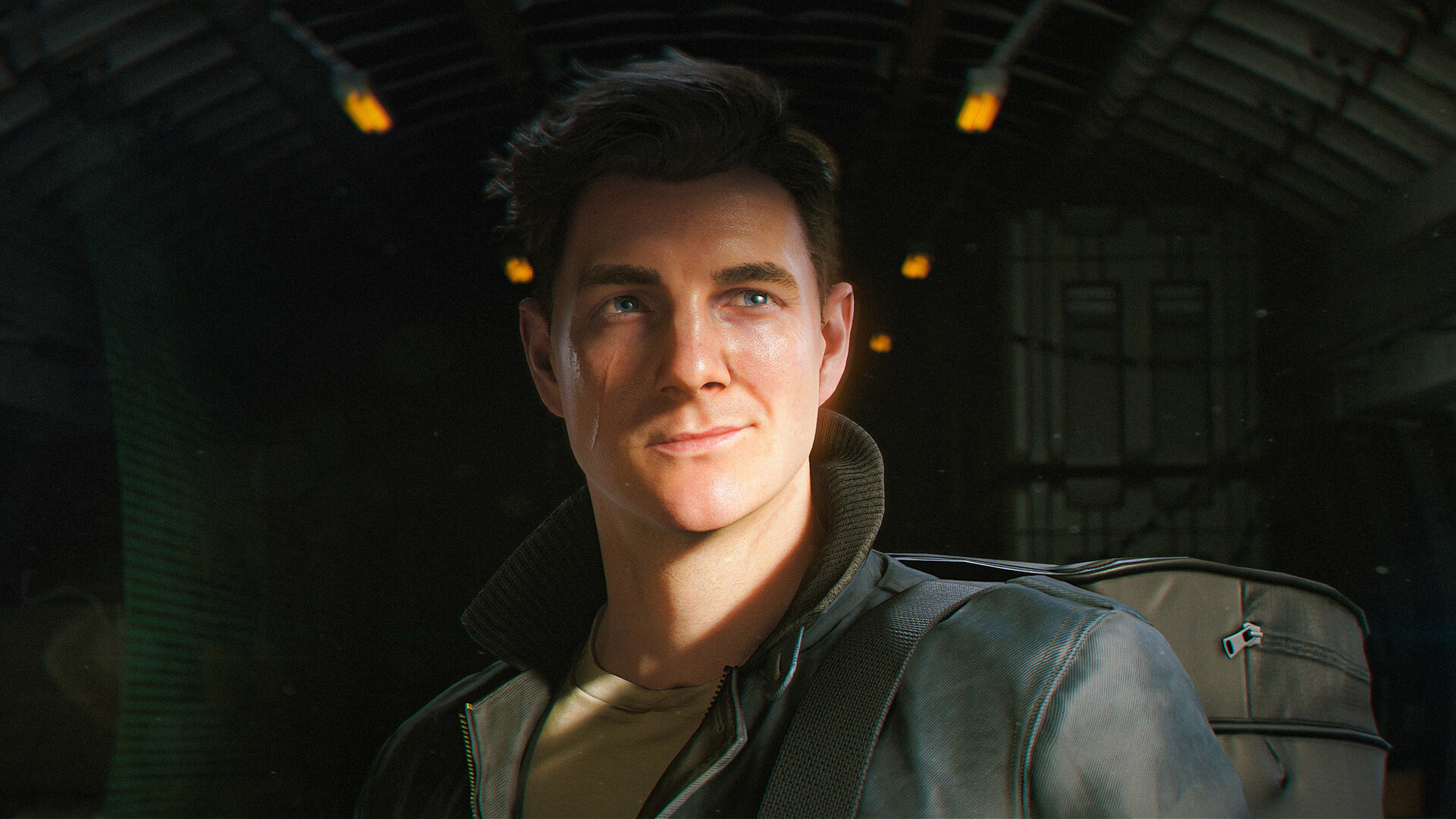
In recent industry discussions, developers have noted that the challenge is not just in the character’s face, but in the player’s agency. "How do you make a player feel like an elite, suave spy when they are struggling to navigate a stealth section?" is the question on every designer’s mind. The studio is looking to bridge this gap through sophisticated animation systems and a narrative that forces the player to adopt a persona, rather than just acting as a vessel for shooting mechanics.
Implications for the Future of the Franchise
The implications of 007: First Light are massive for both the gaming industry and the Bond franchise as a whole.
- Brand Elasticity: If IO Interactive proves that a "new" Bond can work, it opens the door for a future where Bond is not tethered to a single actor’s likeness, potentially leading to a long-running, recurring video game series that runs parallel to the films.
- The Death of Canon: The Bond franchise has never been a slave to continuity. The fact that the character can be a World War II veteran in the books and a young man in the 2020s (in First Light) highlights that Bond is an archetype, not a man. This game will likely reinforce that Bond is a mantle, which could be the key to the franchise’s survival in the digital age.
- Genre Redefinition: If the game succeeds, it could redefine the "Spy Thriller" genre in gaming. We have seen many shooters, but few games have truly mastered the art of social stealth combined with high-octane action in the way the Hitman series has.
Conclusion: The Final Verdict
Can we ever truly "be" James Bond? Perhaps not. The charm of 007 is that he is an observer of his own legend, a man who remains calm while the world burns. When we play a game, we are the ones causing the fire.
However, if 007: First Light can manage to make us feel clever, stylish, and occasionally dangerous, it will have succeeded where so many others have failed. Whether Patrick Gibson is "the" Bond or just "a" Bond is ultimately irrelevant. What matters is the experience—the tuxedo, the gadgets, and that distinct, razor-sharp wit. We will be watching closely to see if IO Interactive has managed to capture the lightning in a bottle that is the 007 mythos. If they have, it won’t matter if he doesn’t look like Daniel Craig. It will only matter that, for a few hours, we get to feel like the most dangerous man in the room.









No comments yet. Be the first to join the conversation!