Nana Wu
In an era where transparency is paramount, Sony’s PlayStation division appears to be increasingly retreating into a shell of silence, a strategy that has proven detrimental in the face of recent controversial decisions. The abrupt cessation of physical game production, coupled with a conspicuous lack of detailed communication, has ignited a firestorm of speculation and discontent within the gaming community. This analysis delves into the core issues, traces the timeline of events, examines supporting data, scrutinizes Sony’s official responses, and explores the profound implications of this communication breakdown.
The current generation of gaming has been defined by significant shifts in consumer behavior, technological advancements, and the ever-evolving landscape of digital distribution. Amidst this dynamic environment, Sony’s PlayStation brand, a titan in the industry, has increasingly faced scrutiny for its communication strategies, or rather, the noticeable absence thereof. The past week has served as a stark, and arguably overdue, demonstration that this opaque approach is no longer tenable, leaving a void where clear dialogue should reside.
The Spark: The End of Physical Media and a Whispered Explanation
The precipice of this current discontent was the recent announcement that Sony would be ending physical disc production for new PlayStation games in January 2028. This decision, a seismic shift for a significant portion of the gaming faithful who cherish physical collections, was met with a swift and almost dismissive response from the company. A terse, few-sentence statement on the official PlayStation Blog cited "consumer preferences" as the primary driver for this monumental change. This brief explanation, lacking any substantive data or deeper rationale, did little to assuage the concerns of a community that felt blindsided and undervalued.
The immediate aftermath of this announcement saw Sony conspicuously withdraw from social media platforms for a period of five days. This self-imposed digital silence, rather than allowing emotions to cool, only served to amplify the existing anxieties and provide fertile ground for rampant speculation. In the vacuum left by official communication, misinformation began to proliferate online. The intricacies of the manufacturer’s Terms of Service were dissected and misinterpreted, with various clauses being twisted to support a range of doomsday scenarios. Similarly, poorly understood financial data was selectively presented to bolster arguments, painting a picture of a company seemingly indifferent to the long-term implications of its decisions.
A Chronology of Communication Breakdown
The roots of Sony’s current communication challenges can be traced back to a pattern of reserved engagement that has become increasingly pronounced in recent years. While the company has historically maintained a degree of strategic aloofness, the current climate demands a more proactive and transparent approach.

Key Milestones in the Communication Saga:
- Early 2020s: A gradual shift towards digital-first initiatives, with a focus on the PlayStation Store and subscription services like PlayStation Plus. While these were framed as advancements, they also signaled a potential future where physical media would play a diminishing role.
- Mid-2020s: Increased reliance on curated announcements and limited press briefings for major reveals. Opportunities for direct community engagement or in-depth Q&A sessions became rarer.
- July 1st, 2026: The official announcement of the cessation of physical disc production for new PlayStation games in January 2028. The accompanying statement was notably brief and lacked detailed justification.
- Post-Announcement: A five-day hiatus from social media platforms, exacerbating community concerns and fostering an environment ripe for speculation and misinformation.
- Ongoing: The continued lack of comprehensive explanations regarding the rationale behind the physical media decision, as well as a perceived stagnation in addressing long-standing issues with the PlayStation Store.
This timeline highlights a consistent pattern: significant policy changes are often communicated with minimal preamble and even less detailed explanation. The ensuing silence, rather than allowing for understanding, breeds suspicion and fuels negative sentiment.
The Missing Data: Quantifying the "Consumer Preferences"
The crux of Sony’s defense for discontinuing physical game production lies in the nebulous concept of "consumer preferences." However, without supporting data, this assertion remains unsubstantiated and, for many, disingenuous. A truly transparent approach would involve sharing the data that underpins such a critical business decision.
Questions that remain unanswered, and which a more communicative Sony would ideally address, include:
- Physical Sales Trends: What percentage of PlayStation game sales are currently physical, and what has been the trend over the past five years? Are there specific genres or titles where physical sales have significantly declined?
- Regional Disparities: How do physical sales figures vary across different global markets? Are there regions where physical media remains a dominant purchasing option?
- Production and Distribution Costs: What are the current operational costs associated with manufacturing, distributing, and warehousing physical games? How do these costs compare to the revenue generated from physical sales?
- Digital vs. Physical Profitability: While digital sales often boast higher profit margins due to the elimination of manufacturing and distribution overhead, what is the precise breakdown of profitability for physical versus digital game sales on the PlayStation platform?
- Environmental Considerations: While not explicitly mentioned, environmental factors are often cited in the shift towards digital. Has Sony conducted studies on the environmental impact of physical disc production and distribution versus the energy consumption of digital infrastructure?
- Future Projections: What are Sony’s projections for physical game sales in the coming years, and how do these projections inform the decision to cease production?
Furthermore, the author of the original article correctly identifies critical areas within the PlayStation ecosystem that require greater attention and transparency. The PS Store, a gateway to a vast library of digital content, has long been a point of contention for many users. Issues such as:

- Refund Policies: The perceived difficulty in obtaining refunds for digital purchases, a feature that is standard on competing platforms like Steam, remains a significant pain point.
- User Interface and Functionality: The PS Store’s user interface has been criticized for its clunkiness and lack of intuitive navigation. Improvements in searchability, categorization, and overall user experience are long overdue.
- Price Competitiveness: In an increasingly competitive digital marketplace, the PS Store’s pricing strategies are often compared unfavorably to those of other digital storefronts, particularly PC platforms.
By not providing concrete data or detailed roadmaps for improvement in these areas, Sony risks alienating its user base and ceding ground to competitors who are perceived as more consumer-friendly.
Official Responses: A Pattern of Evasion
Sony’s official responses to public outcry have, in recent times, been characterized by a distinct lack of engagement. The decision to temporarily abandon social media in the wake of the physical media announcement is a prime example of this evasive tactic. Instead of directly addressing the concerns and providing reasoned explanations, the company chose to withdraw, leaving the community to grapple with their own interpretations and anxieties.
This approach stands in stark contrast to the communication strategies employed by some of Sony’s competitors. The article highlights the commendable transparency of Xbox CEO Asha Sharma, who has openly discussed the financial pressures and challenges facing the division, including the complexities of memory management in their consoles. This willingness to acknowledge difficulties and engage in honest dialogue, even about unfavorable circumstances, fosters a sense of trust and understanding.
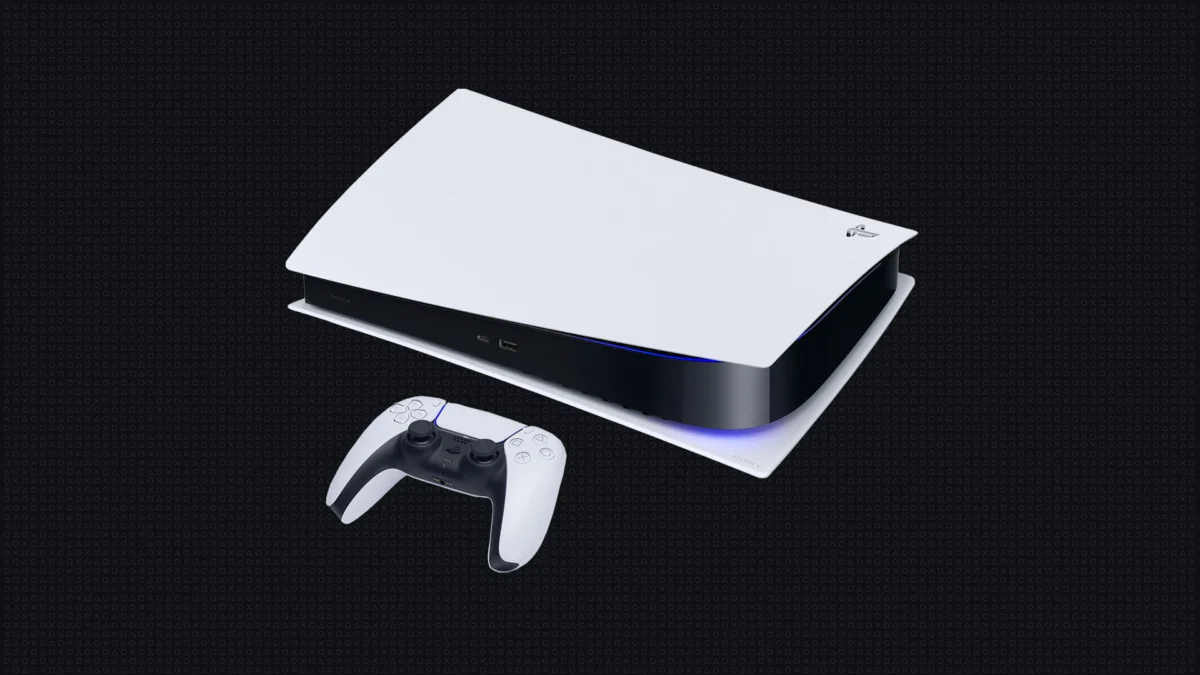
Sony’s current leadership, particularly CEO Hideaki Nishino, has the opportunity to adopt a similar approach. The question is not whether unpopular decisions will be made – these are inevitable in any large corporation. The question is how these decisions are communicated and contextualized. Imagine the potential impact if Nishino were to publicly address the cost of manufacturing the PS5, the economic realities of the gaming industry, or the specific data points that led to the phasing out of physical discs. Such an explanation, delivered with honesty and respect for the consumer, could significantly mitigate the backlash and foster a more nuanced public perception.
Implications: The Erosion of Trust and Future Repercussions
The cumulative effect of Sony’s current communication strategy is the erosion of trust within its most loyal customer base. When a company consistently fails to explain its decisions, especially those that directly impact the consumer experience, it sends a clear message: the consumer’s perspective is secondary to corporate objectives.

This lack of engagement has several critical implications:
- Increased Skepticism and Mistrust: Consumers are becoming increasingly wary of Sony’s motives, interpreting their silence as a sign of a lack of respect or a hidden agenda. This breeds a general atmosphere of skepticism that can color perceptions of all future announcements.
- Brand Damage: A perception of being out of touch or dismissive of consumer sentiment can significantly damage a brand’s reputation. This can lead to a decline in sales, a loss of market share, and a diminished ability to attract new customers.
- Fueling the Competition: Competitors who adopt more transparent and consumer-centric communication strategies stand to gain significant ground. Players may begin to gravitate towards platforms and companies that they feel are more responsive to their needs and concerns.
- Long-Term Repercussions: While Sony may believe it can weather the current storm of discontent, the repercussions of its actions are likely to manifest over time. The loyalty of a consumer base is not an inexhaustible resource. Continued silence and perceived disregard can lead to a gradual, but ultimately significant, decline in support.
The article’s author rightly points out that PlayStation has possessed the means and the talent for effective public communication in the past. Figures like Shuhei Yoshida, Andy House, and Shawn Layden, while not universally agreed with, at least possessed the ability to articulate and defend their company’s decisions with a degree of dignity and conviction. This era of bold and engaging leadership seems to have waned.
Crucially, Sony does not need to rely solely on traditional media outlets to communicate with its audience. The company possesses powerful direct channels, including the PlayStation Blog and its official YouTube channel, which reach millions of consumers globally. These platforms offer an unparalleled opportunity to engage directly, share insights, and foster a sense of community. The current "cloak-and-dagger" approach, which may have served the company in a different era, is now a relic of the past.
Conclusion: A Call for a New Era of Openness
The current trajectory of Sony’s communication strategy is unsustainable and, frankly, detrimental to the long-term health of the PlayStation brand. The decision to cease physical game production, while potentially driven by sound business logic, has been marred by a profound lack of transparency and a dismissive attitude towards consumer concerns.
Sony possesses the resources, the platforms, and the history of successful engagement to do better. It is imperative that the company revisits its communication playbook and embraces a more open, honest, and proactive approach. This does not mean capitulating to every demand, but rather fostering a dialogue, providing context for decisions, and demonstrating a genuine respect for the community that has supported PlayStation for decades.

The gaming world is watching. The question remains whether Sony will heed the growing chorus of concern and usher in a new era of transparency, or continue down a path that risks alienating its most dedicated fans and ultimately jeopardizing its position as a leader in the industry. The time for silence is over; the time for genuine communication is now.

 Lina Irawan
 Sagoh
Sagoh