

In the collective consciousness of both international travelers and local residents, Japan’s ski resorts have long been defined by the ephemeral beauty of winter—a world of powdery white slopes, heated cabins, and the rhythmic thrill of carving through snow. Yet, a significant transformation is currently underway across the mountainous regions of the Japanese archipelago. As global temperatures rise and the demand for "cool-cationing" intensifies, ski resorts are shedding their seasonal labels to emerge as vibrant, multi-functional summer leisure destinations.
From the rugged peaks of Nagano to the expansive highlands of northern Japan, these venues are leveraging their high-altitude topography to provide a refreshing escape from the sweltering humidity of the Japanese lowlands. By repurposing infrastructure like ropeways and gondolas, these resorts have transitioned from niche winter hubs into versatile playgrounds for nature enthusiasts, families, and those seeking a serene retreat.
The Evolution of Alpine Leisure: A Strategic Shift
For decades, the business model of a Japanese ski resort was binary: maximize revenue during the four months of winter and mothball the facilities for the remaining eight. However, rising maintenance costs and shifting climate patterns have necessitated a pivot.
The current trend represents a sophisticated repositioning of these assets. By utilizing their existing high-altitude geography—where temperatures remain significantly lower than in urban centers like Tokyo or Osaka—resort operators are marketing themselves as natural air-conditioned sanctuaries. This evolution has been bolstered by the "outdoor boom" that accelerated following the global pandemic, as travelers prioritize open-air activities, health-focused recreation, and intimate connections with the environment.
Ryuoo Mountain Resort: Chasing Clouds in the Kitashiga Highlands
Located in the serene Kitashiga Highlands of Nagano Prefecture, the Ryuoo Mountain Resort exemplifies how a resort can leverage its geography to create a unique aesthetic experience.
The SORA Terrace Phenomenon
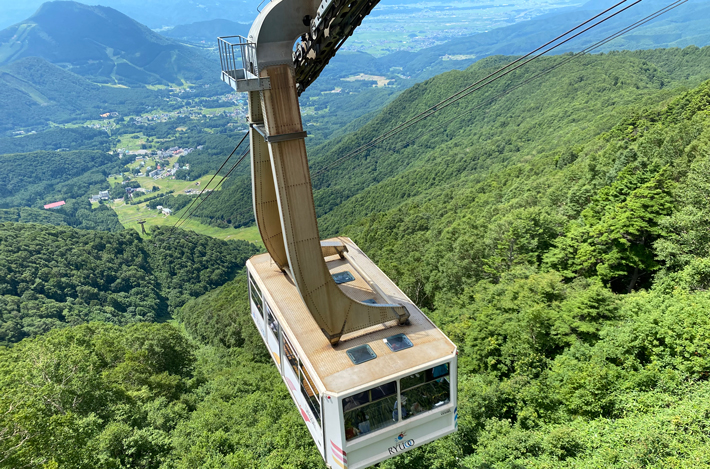
The crown jewel of Ryuoo is the SORA Terrace, situated at an elevation of 1,770 meters. Accessible via one of the world’s longest ropeway systems, this observation deck offers more than just panoramic vistas; it provides a front-row seat to the dramatic "sea of clouds" (unkai).
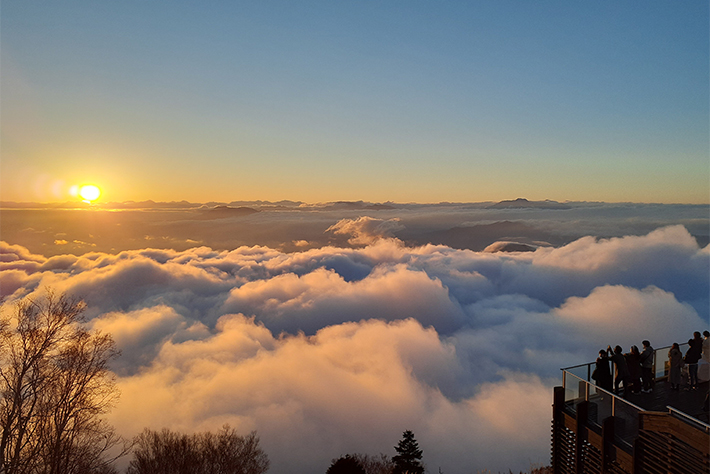
Data from the 2022 season indicates a remarkable 65.9% occurrence rate for this phenomenon. Contrary to popular belief that morning mist is the primary driver, local observations reveal that these clouds frequently coalesce during the evening hours, providing a surreal backdrop for sunset viewing. To complement the visual experience, the SORA Terrace café serves locally sourced, cloud-themed culinary delights, bridging the gap between high-altitude sightseeing and high-end gastronomy.
Glamping and the Celestial Canopy
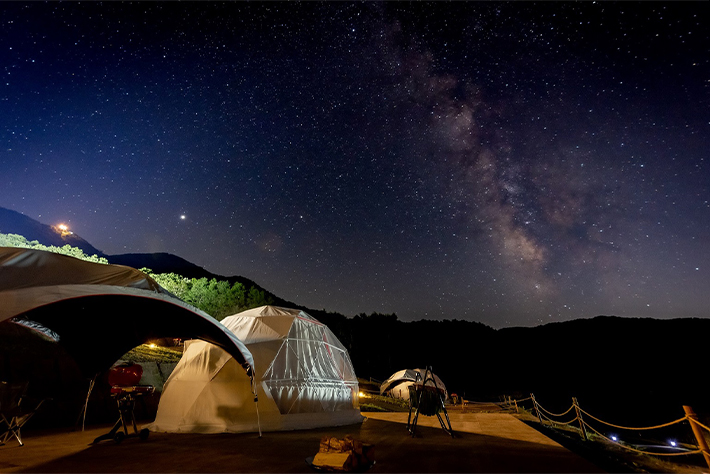
Beyond the café, Ryuoo has tapped into the luxury camping trend. At the base of the mountain, the resort offers glamping facilities that strip away the hardships of traditional camping while retaining the immersion. Because the air quality at this altitude is exceptionally pure, clear nights transform the sky into a tapestry of stars. This "dual-attraction" model—offering sunset views followed by deep-space observation—has made the resort a magnet for couples and urbanites looking to reset their circadian rhythms.

Hakuba Happo-One: The Pinnacle of Alpine Trekking and Relaxation
Hakuba, a name synonymous with Olympic-level winter sports, has successfully re-branded itself as a year-round destination for the adventurous at heart.
The Happo Pond Expedition
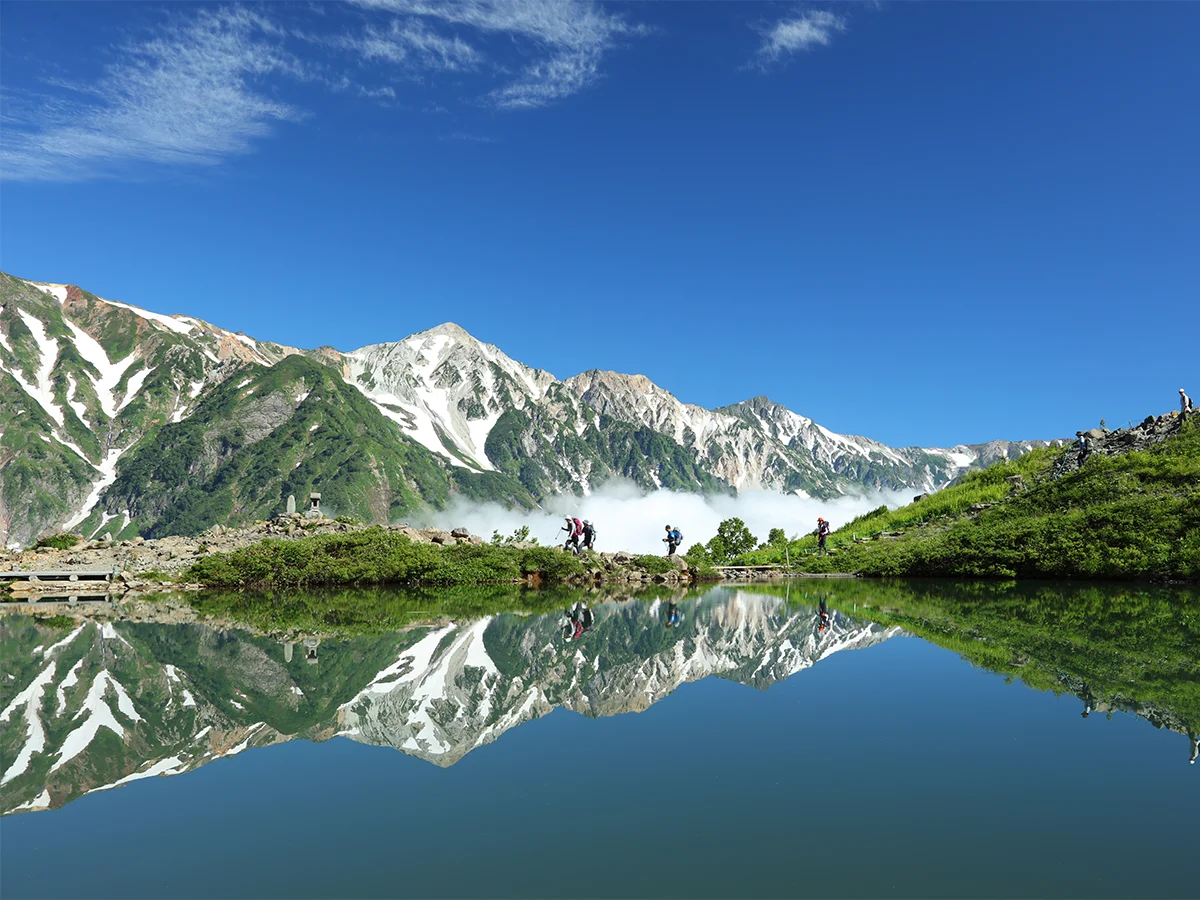
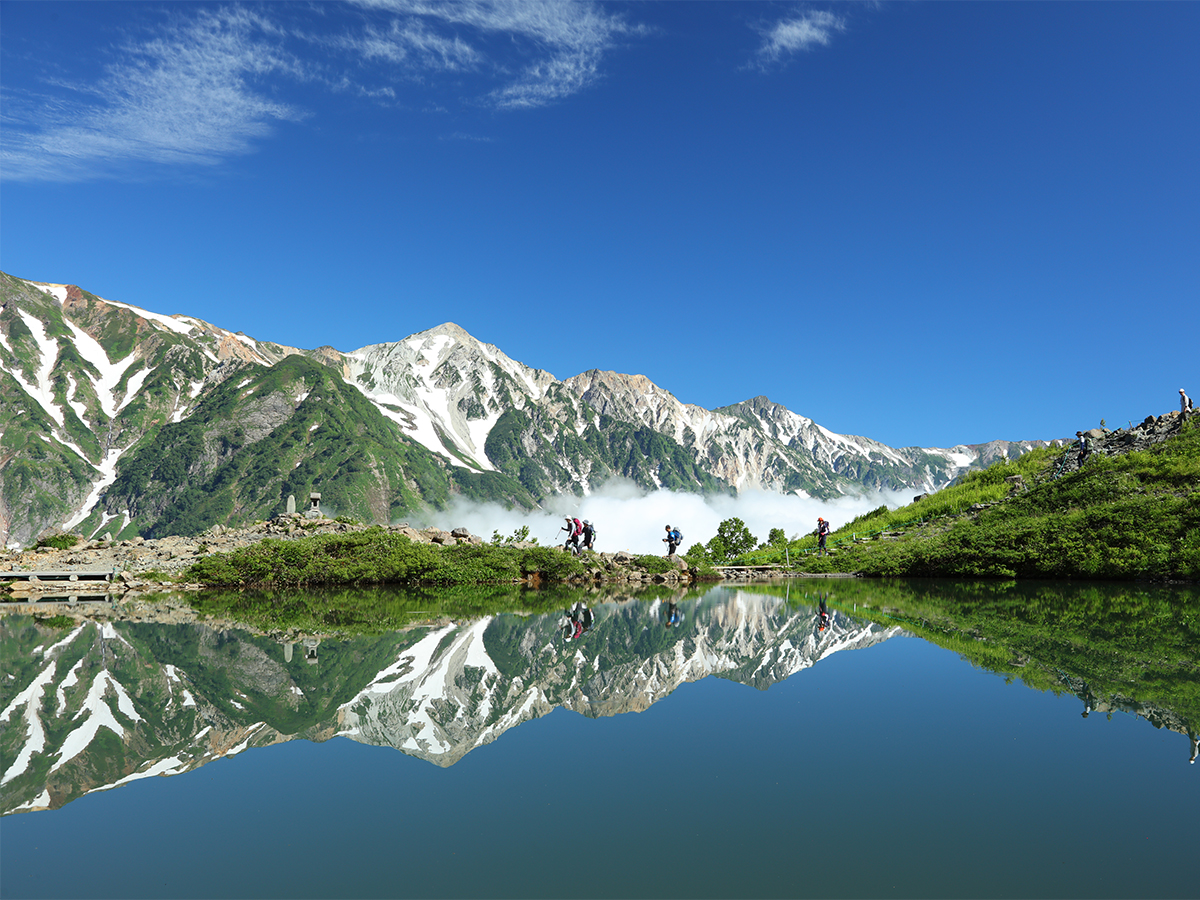
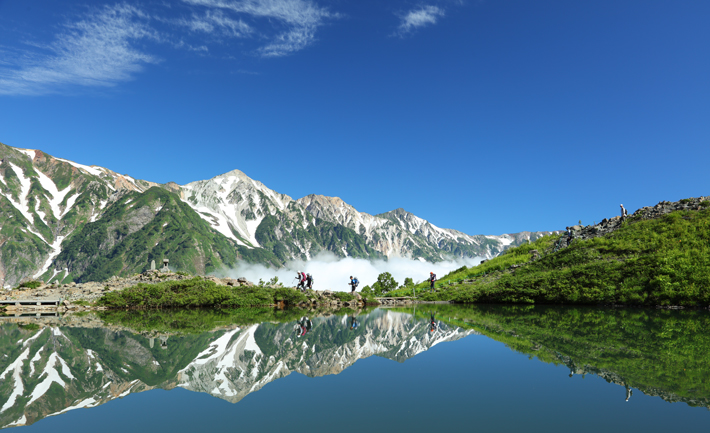
For those who associate mountains with exercise, the trek to Happo Pond is an essential pilgrimage. Reached by a combination of gondolas and lifts that ascend to 1,800 meters, the trail is intentionally designed to be accessible. Unlike high-difficulty mountaineering, the path to the pond is beginner-friendly, featuring a low timberline that ensures unobstructed views of the Hakuba mountain range. On calm days, the water acts as a perfect mirror, reflecting the jagged, snow-capped peaks of the Japanese Alps.
HAKUBA MOUNTAIN BEACH: A Resort in the Clouds
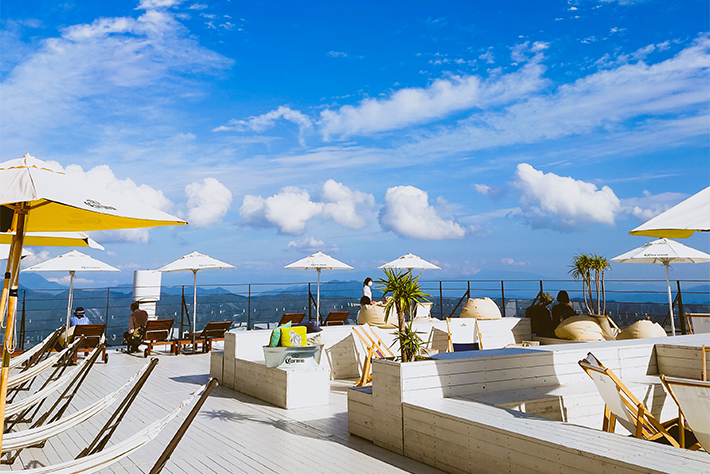
Recognizing that not all visitors seek strenuous exercise, the resort operators developed HAKUBA MOUNTAIN BEACH. This facility defies conventional expectations by bringing a "beach club" aesthetic to a 1,400-meter-high mountain ridge. The venue features an outdoor sauna and jacuzzi, tapping into the contemporary "sauna boom" (saun-na) that has swept Japan. The contrast of the cool mountain air with the therapeutic heat of an outdoor sauna provides a holistic wellness experience that is virtually impossible to replicate in an urban setting.
Tsugaike Mountain Resort: The Hub of Adventure
If Ryuoo is for the dreamer and Hakuba for the hiker, Tsugaike Mountain Resort is for the thrill-seeker. During the summer, the resort converts into the largest outdoor adventure park in the region, centered around the innovative "WOW!" facility.
Engineered Thrills: The "WOW!" Experience
The facility is a masterclass in modern outdoor engineering. Attractions like "Cogidas"—an aerial cycling course—and "Tobidas"—a 12-meter high-jump into the void—are designed to provide high-adrenaline thrills in a controlled, safe environment. These activities attract a younger demographic and families, ensuring the resort remains financially viable outside the traditional ski season.
Ecological Stewardship
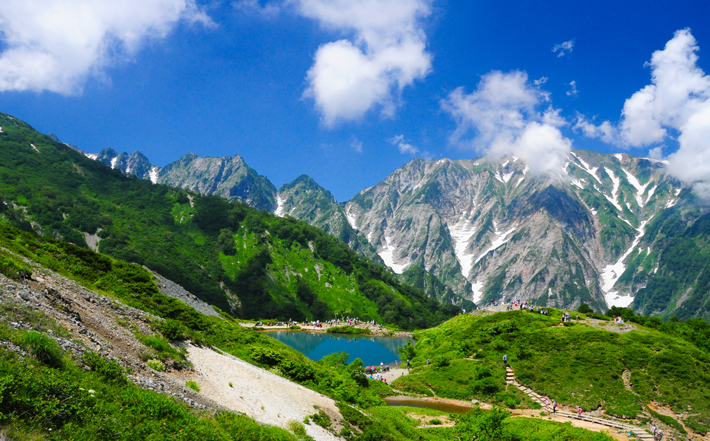
Beyond the high-octane activities, Tsugaike also emphasizes environmental education. A short transit from the adventure park leads visitors to one of Japan’s most significant high-altitude wetlands. At 1,900 meters, this ecosystem hosts a delicate variety of flora and fauna, offering visitors an opportunity for ecological study that balances the high-energy atmosphere of the "WOW!" zone.
Implications for the Future of Japanese Tourism
The success of these resorts offers a blueprint for the future of regional tourism in Japan. The implications are three-fold:
- Sustainable Revenue Streams: By diversifying their offerings, these resorts reduce their reliance on snowfall, which is becoming increasingly unpredictable due to climate change.
- Infrastructure Optimization: The heavy investment in ropeways and lift systems is no longer a seasonal sunk cost. Year-round operation allows for more efficient staffing and maintenance cycles.
- Decongesting Urban Centers: As heatwaves become more frequent in metropolitan areas like Tokyo, the "mountain-cation" movement serves as a vital release valve, distributing domestic tourism spending to rural prefectures that previously suffered from economic stagnation during the summer months.
Accessibility and Planning
Perhaps the most significant factor in the popularity of these resorts is their accessibility. Despite their remote, high-altitude locations, they are integrated into Japan’s world-class transportation network. With efficient connections via the Shinkansen (bullet train) and high-frequency highway bus services, travelers can reach the heart of the Nagano mountains from central Tokyo in a matter of hours.
Industry experts note that while the itinerary is ambitious, it is entirely possible for a traveler to experience all three of these resorts in a single overnight trip. This "mountain hopping" model is gaining traction among weekend warriors who seek to maximize their time in the cool, crisp air of the Alps.
As the summer months approach, the message from the Japanese highlands is clear: the mountain is no longer just for skiing. It is a place for observation, for relaxation, for adrenaline, and for an intimate connection with the natural world. For those looking to escape the intensity of a Japanese summer, the peaks of Nagano are waiting.












No comments yet. Be the first to join the conversation!