


In the landscape of modern Japanese pop culture, the phenomenon of "anime tourism"—or seichi junrei (pilgrimage to sacred sites)—has evolved from a niche hobby into a powerful engine for regional revitalization. At the heart of this movement sits Numazu, a sun-drenched coastal city in Shizuoka Prefecture. Over the past seven years, Numazu has become the definitive case study in how a multimedia franchise can forge a symbiotic, long-term relationship with its host community. Through the lens of the hit series Love Live! Sunshine!!, the city has transcended its identity as a local port to become a globally recognized "holy land" for fans, known as "LoveLivers."
The Genesis of an Idol Phenomenon
Love Live! Sunshine!! is a cornerstone of the massive Love Live! multimedia project. The story follows a group of high school students who form an idol unit called "Aqours." Their mission: to save their school, the fictional Uranohoshi Girls’ Academy, from closure due to declining enrollment. By rooting the narrative in the genuine geography of Numazu—utilizing its coastal vistas, specific train stations, and local landmarks—the production team turned the city into a character in its own right.
The anime series launched its first season in 2016, followed by a second in 2017. As the series gained momentum, the barrier between fiction and reality began to dissolve. Following the conclusion of the core narrative, the franchise has continued to expand, most notably with the 2023 release of Yohane of the Parhelion: Sunshine in the Mirror, a spin-off that reimagines the cast in a high-fantasy version of the Numazu landscape. This longevity is rare in the fast-paced world of anime, yet Numazu has managed to sustain the momentum far beyond the typical promotional cycle.

A Chronology of Synergy (2016–2023)
The relationship between Numazu and the Love Live! franchise has matured through distinct phases:
- 2016–2017: The Discovery Phase. As the anime premiered, fans began identifying real-world locations. Local businesses, initially caught off guard, soon realized that the influx of visitors was not merely a transient trend but a dedicated demographic of travelers seeking to immerse themselves in the show’s world.
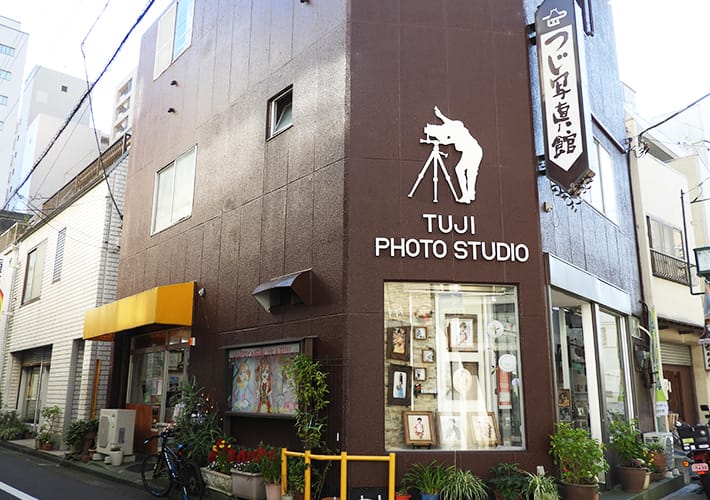
- 2018–2019: Institutional Integration. The city government began to formalize the relationship. Official maps, themed manhole covers, and collaborative events became standard. The franchise’s presence was cemented when local spots, such as the Tsuji Photo Studio, were featured in the 2019 feature film, Love Live! Sunshine!! The School Idol Movie Over The Rainbow.
- 2020–2022: The Pandemic Test. Despite the severe restrictions on travel imposed by the COVID-19 pandemic, the fanbase remained engaged. While physical visitation dipped, online discourse and community-building increased, ensuring that the "pilgrimage" remained a top-of-mind destination for fans once borders reopened.
- 2023 and Beyond: Sustained Cultural Exchange. With the launch of Yohane of the Parhelion, the city has transitioned into a mature phase of "fandom stewardship," where local institutions and residents now actively manage the influx as part of the city’s standard tourism infrastructure.
Official Perspectives: The View from the City Council
To understand how a municipal government navigates the complexities of an anime-driven economy, we spoke with Numazu City Councilman Ryuo Ozawa. A fan of the series himself, Ozawa serves as a bridge between the local administration and the fan community.
"The impact has been overwhelmingly positive," Ozawa explains. While he admits there were minor growing pains—such as isolated incidents of fans being too inquisitive near schools or the defacement of decorative manholes—these have been treated as outliers. "The fans are respectful and, more importantly, they are invested in the community’s well-being."
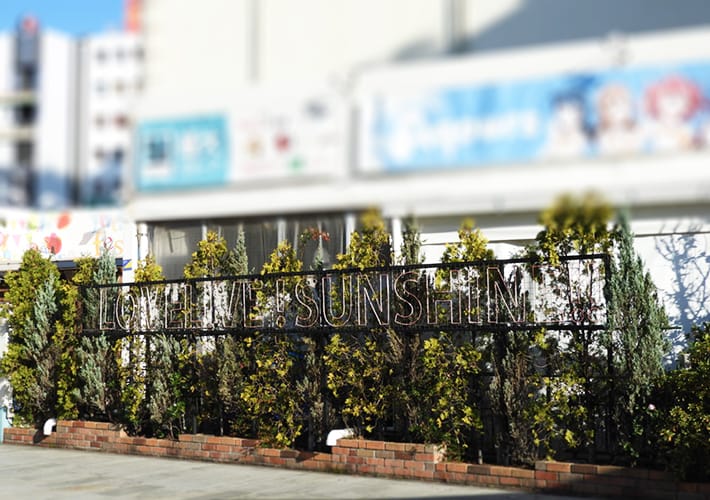
Ozawa notes that the anime has created an "energy cycle." When businesses thrive, the community thrives, and when the community thrives, the fans feel more welcome. The support reaches the highest levels of local government; even the Mayor of Numazu has been a public champion of the series, attending concerts in major venues like the Tokyo Dome as a guest of honor and using social media to celebrate the fictional characters’ birthdays. This top-down support has been instrumental in normalizing the "otaku" culture within the older demographic of the city.
The Role of Local Commerce: From Shops to "Pilgrimage Spots"
The true success of the Numazu model lies in the individual businesses that have embraced the role of community anchors.
The Tsuji Photo Studio
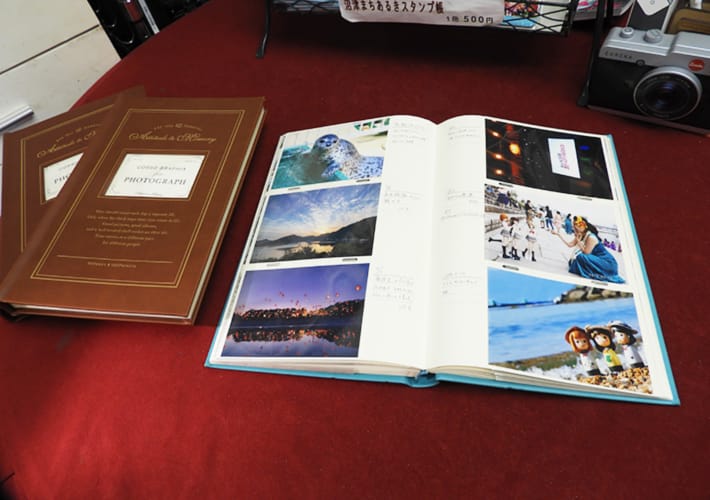
Tomomi Mine, a representative of the Tsuji Photo Studio, transformed her business into a living museum of the fandom. Recognizing early on that her storefront was a point of interest, Mine began curating information for fans on a blackboard outside her shop. This evolved into a collaborative project where visitors contribute artwork and photography, filling albums that document the history of the site. Mine describes these albums as a "bridge between the past and the future," allowing fans from different generations and regions to leave a mark on the city.
Shougetsu Confectionery
Located in the Uchiura area—the heart of the anime’s setting—Shougetsu has become a mandatory stop for any pilgrim. Owner Kiminobu Segawa notes that while the store was already a local staple, the anime brought a demographic shift. "We see fans coming from the farthest corners of Japan and even overseas," Segawa says. To cater to them, the shop introduced limited-edition, character-inspired sweets. Even during the height of the pandemic, the loyalty of these fans ensured the shop remained afloat, proving that the bond between a business and its niche customers is a powerful economic buffer.
Cross-Cultural Intersections: The Spiritual Dimension
One of the most unique aspects of the Numazu pilgrimage is how the series has touched upon existing local landmarks that were never intended to be "pilgrimage sites." Numazu St. John’s Anglican Church is a prime example. The character Yoshiko Tsushima uses the name "Yohane" (John), leading curious fans to the church.
Father Paul Masato Kubota, the resident priest, has adopted a progressive approach to this unexpected influx. Rather than shunning the pop-culture association, he has utilized it as a tool for outreach. By drawing parallels between the struggles of the characters in the anime and the teachings of the church, he has successfully engaged younger members of his congregation. "If it helps bring more interest to the church, it’s a positive thing," Kubota remarks, noting that he welcomes fans to visit the grounds with the same openness he extends to his parishioners.
Implications: The Future of Anime Tourism
The success of Numazu serves as a blueprint for other Japanese municipalities struggling with rural depopulation and economic stagnation. The city has demonstrated that the secret to a successful anime pilgrimage is not just putting up posters, but fostering a genuine sense of belonging.
The "Numazu Model" relies on three pillars:
- Authenticity: The anime must respect the location it depicts, and the location must, in turn, respect the source material.
- Community Participation: The initiative must be led by local residents and business owners rather than being imposed by an outside corporation.
- Mutual Benefit: The relationship must prioritize the sustainability of local businesses, ensuring that the revenue generated by fans is reinvested into the community.
As Numazu continues to evolve alongside its fictional counterpart, it stands as a testament to the power of storytelling. The city has proven that a group of high school idols, through the power of collective imagination, can do more than just save a school—they can breathe new life into an entire city. For the "LoveLivers" who traverse the coastal roads of Shizuoka, Numazu is no longer just a place on a map; it is a home away from home, a sacred site where the line between reality and animation is blurred by the warmth of a welcoming community.











