In a significant development for the enthusiast memory market, MSI has officially validated the high-speed performance capabilities of DDR5 memory modules manufactured by ChangXin Memory Technologies (CXMT). Through the release of specialized beta BIOS updates for its AM5 motherboard lineup, MSI has successfully unlocked stable frequencies reaching up to 8,200 MT/s for 3GB (24Gbit) CXMT-based modules. This move effectively shatters previous performance ceilings that had tethered these modules to a modest 6,800 MT/s, signaling a major leap forward for Chinese-manufactured memory in the global DIY PC ecosystem.
Main Facts: Breaking the Memory Barrier
The core of this update centers on the optimization of the memory controller and training parameters within MSI’s UEFI BIOS. Previously, while the underlying hardware of CXMT’s latest DDR5 dies proved capable of handling higher data rates, the lack of optimized firmware support limited their adoption in high-performance builds.
By deploying these new BIOS versions, MSI has demonstrated that dual-DIMM motherboard configurations can now achieve, and reliably pass, stress tests at 8,200 MT/s. The validation process utilized popular retail memory kits sourced from brands such as Lexar and KingBank, which have increasingly relied on CXMT’s advanced silicon. This development is not merely an incremental increase; it is a fundamental shift in how third-party vendors and motherboard manufacturers integrate domestic memory solutions into high-end gaming and professional workstation builds.
A Chronological Perspective: From Limitation to Optimization
The path to this breakthrough was not instantaneous. To understand the significance of this update, one must look at the recent evolution of the memory market:
- Early 2024: CXMT began aggressively scaling its DDR5 production. While cost-effective and readily available in the Asian markets, these modules were initially viewed as "budget-tier" alternatives, often ignored by performance enthusiasts due to their limited headroom for overclocking.
- Mid-2024: MSI initiated a strategic push to optimize its motherboards for these modules. The first wave of success occurred on the Intel 800-series platform, where MSI released BIOS updates specifically designed to accommodate the unique characteristics of CXMT memory.
- Late 2024 (Present): Building on the success of the Intel-based optimizations, MSI shifted its focus to the AMD AM5 ecosystem. The company began internal testing with Ryzen 9000-series processors, aiming to replicate the stability achieved on Intel boards.
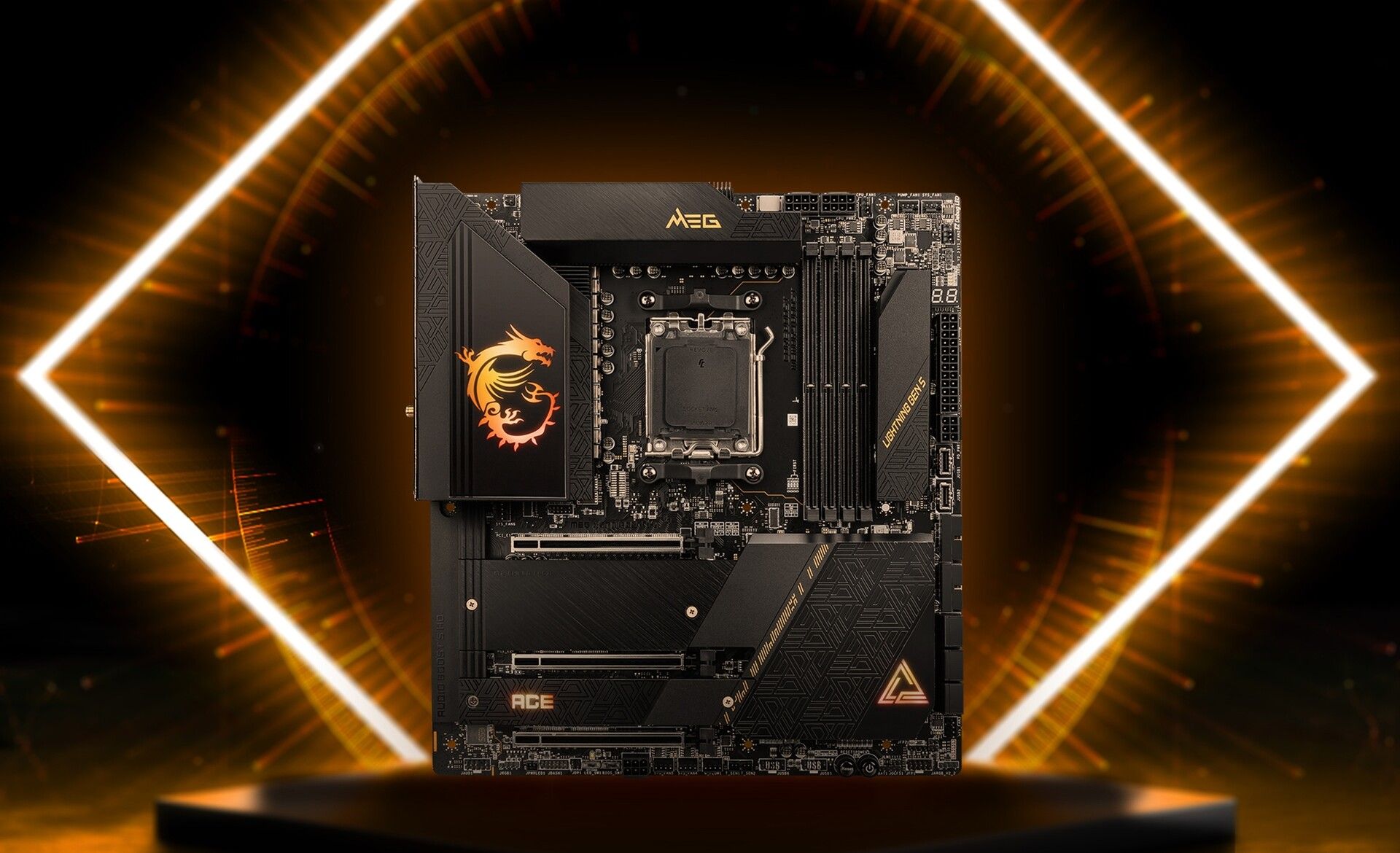
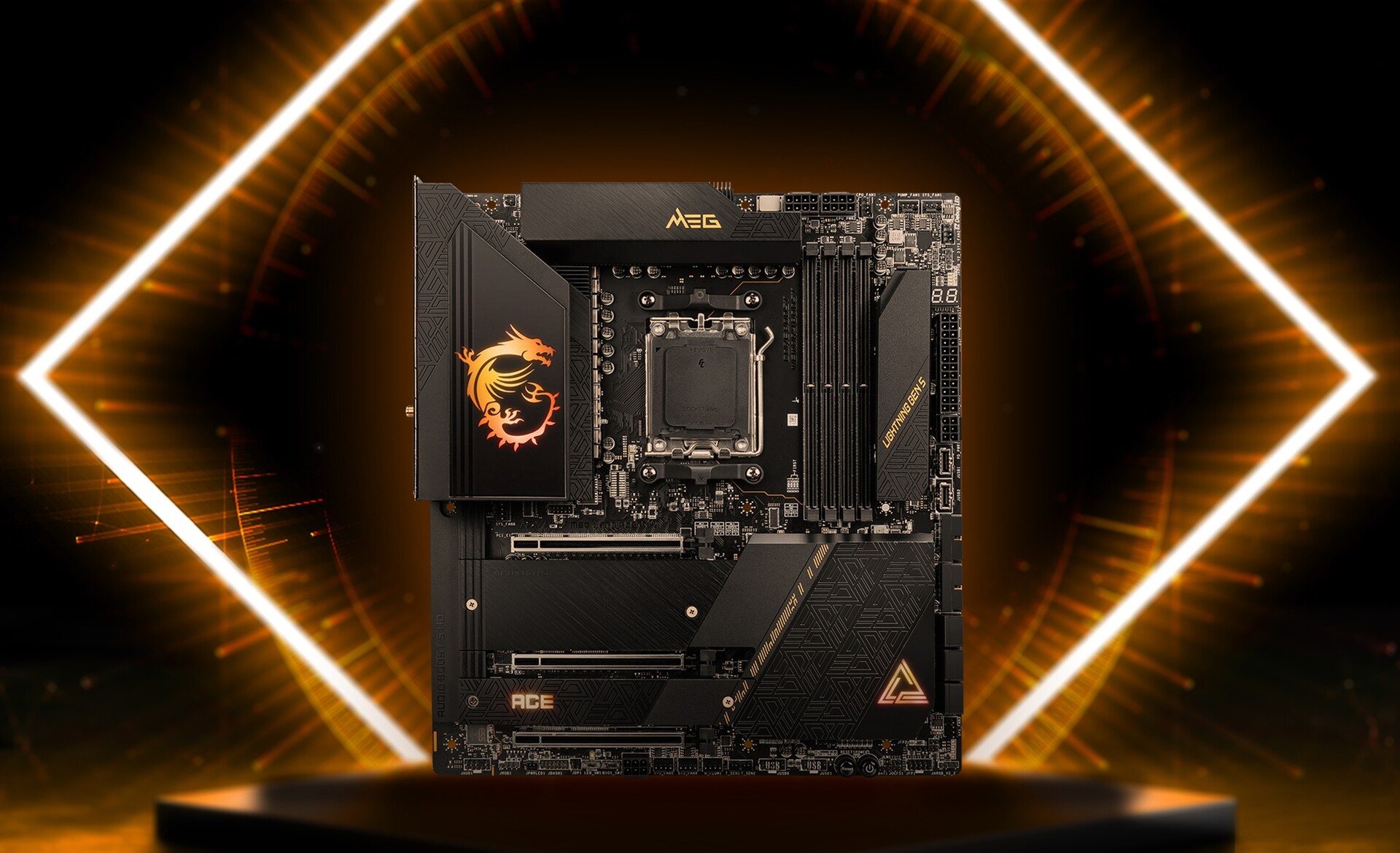
- The Current Milestone: The release of the beta BIOS updates for the MEG X870E Unify and MAG B850 MPower marks the official transition of CXMT memory from an entry-level component to a viable choice for high-speed enthusiast overclocking.
Supporting Data: Technical Benchmarks and Stability
The technical validation provided by MSI’s testing phase offers a compelling look at the stability of these modules. According to documentation circulating from the MSI China testing labs, the benchmarks were conducted under rigorous conditions:
Dual-DIMM Performance
The testing platform employed a Ryzen 7 9700X paired with a MEG X870E Unify motherboard. The 24Gbit (3GB) modules achieved a stable 8,200 MT/s, with MemTest results showing a 101% coverage success rate. This indicates that the memory is not only hitting high clock speeds but is doing so with sufficient voltage and timing stability to pass industry-standard stress tests.
Similarly, 16Gbit (2GB) modules were pushed to 8,000 MT/s on a MAG B850 MPower board paired with a Ryzen 5 9600X, also passing with 101% stability.
Quad-DIMM Limitations
While dual-DIMM configurations saw the most dramatic gains, the quad-DIMM scenario—notoriously difficult to stabilize on DDR5 platforms—also saw improvement. The BIOS patch notes explicitly mention an increase from the previous 6,800 MT/s ceiling to a new baseline of 7,200 MT/s. While this is lower than the dual-DIMM performance, it represents a substantial improvement in the "memory density vs. speed" trade-off that typically plagues quad-channel-like configurations on current AM5 motherboards.
Official Responses and Market Context
MSI has been characteristically quiet on a global scale, with these specific updates currently being funneled through their regional community release channels in China. This regional focus suggests a two-pronged strategy: first, establishing a robust testing ground in a market where CXMT components are most prevalent, and second, gathering user feedback before a wider, global rollout.
Industry analysts note that MSI’s willingness to dedicate engineering resources to "local" memory manufacturers is a strategic hedge. By broadening the list of supported and optimized memory vendors, MSI reduces the reliance of its customers on traditional giants like Samsung, Micron, and SK Hynix. This diversification not only helps in managing supply chain volatility but also places MSI in a unique position to capture the growing demographic of users seeking high-performance hardware at more competitive price points.
The Broader Implications: A Shifting Semiconductor Landscape
The validation of CXMT memory at 8,200 MT/s has profound implications for the semiconductor industry.
1. The Normalization of Domestic Memory
For years, the memory market has been an oligopoly dominated by three major players. The arrival of a fourth, viable, and high-performing player like CXMT challenges the status quo. If these modules can consistently perform at speeds once reserved for "binned" premium chips from Western or Korean manufacturers, the price-to-performance ratio for mid-to-high-end gaming PCs will shift dramatically.
2. The Role of Motherboard Firmware
This development underscores the critical role that motherboard manufacturers play in the "lifecycle" of a hardware component. By simply adjusting memory training algorithms and signal integrity parameters in the BIOS, MSI has essentially "unlocked" hardware potential that users previously thought did not exist. This raises the question: how much performance is being left on the table by other vendors who have not yet prioritized firmware optimization for newer memory manufacturers?
3. Future-Proofing the AM5 Platform
AMD’s AM5 platform has been praised for its longevity, but memory compatibility has been a recurring point of friction for early adopters. By actively working to ensure that a wider array of silicon can run at high frequencies, MSI is effectively extending the relevant lifespan of its AM5 boards. Users who may have been priced out of high-end memory kits can now potentially achieve similar results with more affordable, domestically-sourced alternatives, provided they have the right motherboard.
Conclusion: What’s Next?
For enthusiasts currently running MSI AM5 motherboards, the path forward is clear: keep a close watch on the MSI China community forums or the official global support pages for the transition of these beta BIOS files to stable, public releases.

While the 8,200 MT/s achievement is a significant milestone, it also serves as a baseline. As firmware matures and the manufacturing processes for CXMT continue to improve, it is highly probable that we will see these speeds become the "new normal" for mid-range DDR5 kits. For the consumer, this translates to more options, greater competition, and ultimately, a more accessible path to high-speed system performance.
Whether this trend will lead to a global shift in memory market share remains to be seen, but one thing is certain: the gap between "boutique" memory brands and high-volume, cost-effective manufacturers is closing rapidly. For those willing to venture into the world of beta BIOS updates, the reward is a tangible boost in system speed and a front-row seat to the changing dynamics of the global hardware market.