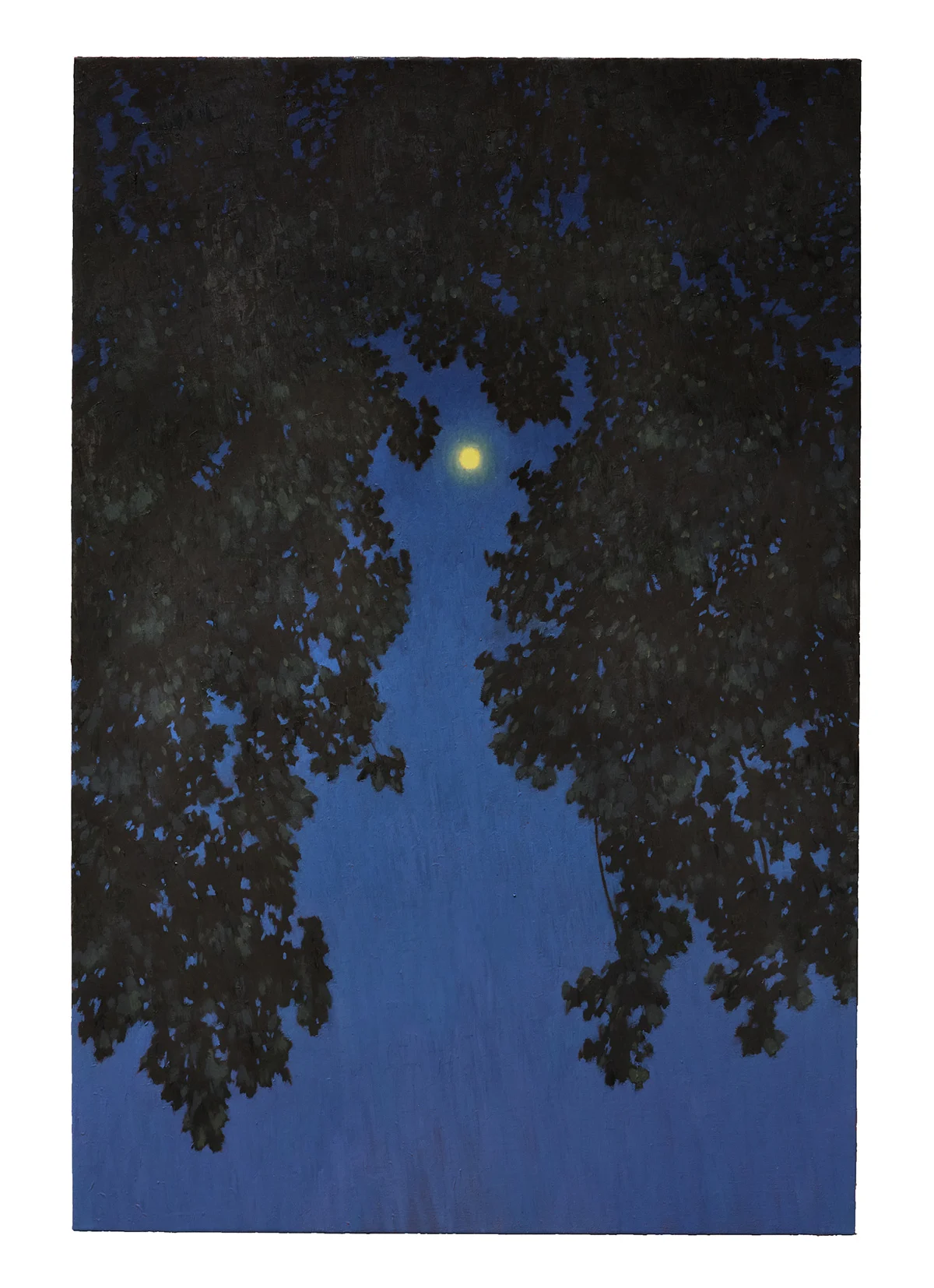
In the quiet, contemplative spaces of contemporary painting, few artists articulate the tension between memory and materiality with as much nuance as Brooklyn-based painter Xiangjie Rebecca Wu. Her recent body of work serves as a profound meditation on the instability of the past, utilizing the human figure and the still life as vessels for exploring the "palpable fear of insecurity" that defines the modern condition. By bridging the gap between her upbringing in Jiangyin, Jiangsu, and her current practice in the United States, Wu has developed a visual language that is at once deeply personal and universally resonant.
The Architect of Memory: A Chronology of Artistic Development
Xiangjie Rebecca Wu’s trajectory is one marked by a steady, intellectual commitment to the discipline of painting. Born in Jiangyin, China, she brought with her a cultural lexicon that would eventually become the bedrock of her aesthetic. Her formal education began at the College of Wooster, where she pursued a dual BA in Studio Art and Philosophy. This intellectual grounding is immediately apparent in her work, which avoids the pitfalls of purely decorative art in favor of a rigorous inquiry into the nature of existence.
Graduating from Wooster in 2022, Wu transitioned to the Pratt Institute in Brooklyn, New York. Her time at Pratt, culminating in an MFA in 2024, served as a crucible for her current style. During this period, she began to move away from literal representation toward a more symbolic, dream-like atmosphere. Her work from this period reflects a deepening preoccupation with "the shards" of life—the objects, faces, and fleeting moments that compose an identity.
Today, operating out of her Brooklyn studio, Wu is part of a growing movement of young, immigrant artists who are redefining the parameters of figurative painting. She does not merely record the world; she performs an act of archaeological reconstruction, pulling fragments of her own history into the present to see how they might coalesce or, inevitably, dissipate.
The Philosophy of the Canvas: Themes and Motivations
To understand Wu’s work, one must understand her philosophical orientation. For the artist, the act of painting is synonymous with contemplation. It is a "secret voyage within the soul," aimed at capturing the ephemeral nature of our relationship to time.
The Vulnerability of History
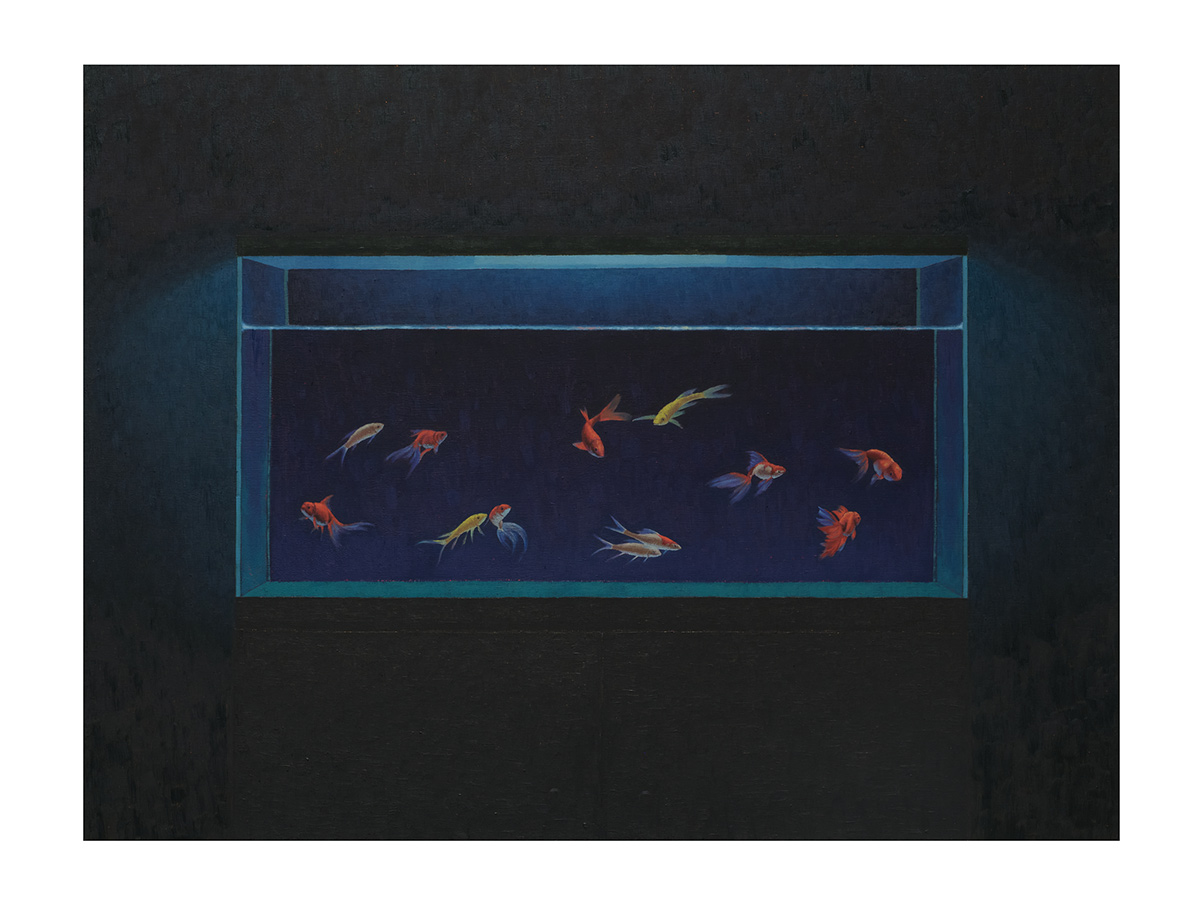
Wu’s work consistently interrogates the fragility of our past. She views memory not as a static record, but as a fluid, vulnerable state. In her own words, she describes the "palpable fear of insecurity that permeates our existence," a sentiment that manifests in the ghostly quality of her figures and the strange, haunting stillness of the objects she depicts. Her subjects are rarely situated in concrete, identifiable locations; instead, they exist in "closed narrative environments"—liminal spaces that feel both hauntingly familiar and deeply remote.
The Personification of Still Life
One of the most striking aspects of Wu’s portfolio is her treatment of still-life objects. Drawing on a lineage of millennial Chinese domesticity, she elevates everyday items into the realm of the metaphorical. These objects are not mere props; they are personified entities that stand in for the human condition. By imbuing a bowl, a chair, or a piece of fabric with a sense of presence, she creates a dialogue between the viewer and the object, forcing a recognition of the hidden characters of our own daily existence.
Supporting Data: The Convergence of Realism and Symbolism
Technically, Wu’s work occupies a precise middle ground between realism and symbolism. Her command of anatomy and light suggests a classical foundation, yet her application of these skills is distinctly modernist. Her paintings are characterized by:
- Atmospheric Dissonance: The use of muted, somewhat melancholic color palettes that reinforce the themes of loss and recollection.
- Narrative Fragmentation: Figures are often caught in moments of transition—glancing away, half-obscured by shadow, or merging with the background—symbolizing the "dissipating" nature of memories.
- Cultural Synthesis: The fusion of traditional Chinese aesthetic sensibilities with the grit and immediacy of the New York contemporary art scene.
Her work functions as a "doorway for contemplation," inviting the viewer to step into a space where they might confront their own fragmented sense of self. It is this balance that has garnered her attention in both academic and commercial circles, marking her as a voice of note in the current post-figurative discourse.
Official Perspectives: The Artist’s Vision
In a recent reflection on her creative process, Wu provided insight into the underlying motivation of her practice:

"In contemplation, I dive deeply into myself, embarking on secret voyages within the soul, oriented toward a lost time and space… Painting becomes a practice of salvaging and reassembling the self, suspended between obscurity and beauty."
This statement is central to the "official" narrative of her work. She views the painting process as a form of salvage. In a world characterized by rapid change and digital displacement, Wu offers a slower, more deliberate alternative. She suggests that by reassembling the "shards" of our past—even if those shards are sorrowful or ephemeral—we can achieve a clearer awareness of our existence in the present.
Implications for the Contemporary Art Landscape
The rise of artists like Xiangjie Rebecca Wu signals a significant shift in the priorities of the younger generation of painters. The era of pure irony or detached conceptualism is giving way to a new wave of "affective figuration"—art that prioritizes emotional resonance and the authentic experience of the individual.
The Re-humanization of the Object
By treating objects as metaphorical extensions of the self, Wu is contributing to a broader trend in contemporary art that seeks to re-enchant the material world. Her work suggests that if we look closely enough at the mundane, we will find the traces of our own history, fears, and joys embedded within it.
The Global-Local Dialectic
Furthermore, Wu’s work serves as a testament to the power of the "global-local" narrative. By synthesizing her Chinese heritage with her life in Brooklyn, she avoids the trap of exoticization. She is not performing "Chineseness" for a Western audience; she is exploring a universal existential crisis through the specific, personal lens of her own trajectory.
As we look toward the future of figurative painting, the implications of Wu’s practice are clear: the most effective art of the next decade will likely be that which manages to bridge the internal and external worlds. Her ability to remain "suspended between obscurity and beauty" provides a blueprint for how art can remain relevant in an increasingly fragmented, uncertain, and digitized society.
Xiangjie Rebecca Wu’s work is more than just a collection of canvases; it is a sustained, courageous attempt to keep the past within reach. In her hands, the act of painting becomes the only way to hold onto what is inevitably slipping away, offering the viewer a rare, quiet, and profoundly moving opportunity to do the same. As she continues to evolve, the art world will undoubtedly look to her as a primary architect of this new, introspective movement—a painter who reminds us that, even in the face of loss, there is immense beauty in the process of putting the self back together.