Muslim
The annual cycle of Apple’s software announcements has long been a double-edged sword for the ecosystem. While users eagerly anticipate the latest features, security patches, and performance optimizations, the "Great Sunset"—the inevitable moment when legacy hardware is officially left behind—serves as a stark reminder of the finite nature of consumer technology.
This year, as Apple unveiled the "27" generation of its operating systems, the tech giant delivered a surprising contrast. While iOS 27 has maintained broad compatibility, mirroring the support list of its predecessor, the rest of the Apple ecosystem has undergone its most aggressive culling in recent memory. A total of 16 distinct hardware products have been moved to "legacy" status, losing access to the latest features in macOS Golden Gate, iPadOS 27, watchOS 27, and tvOS 27.
Main Facts: The Scope of the Transition
The primary takeaway from this year’s Worldwide Developers Conference (WWDC) is the stark divergence between the iPhone and the rest of the Apple hardware portfolio. For iPhone users, the news is entirely positive: if your device ran iOS 26, it is fully compatible with iOS 27. This level of support consistency is rare in the smartphone industry, where manufacturers typically tighten requirements as computational demands increase.
However, the outlook is significantly different for those utilizing Macs, iPads, Apple Watches, and Apple TVs. By choosing to cut support for 16 specific models, Apple is effectively forcing a hardware transition for a significant segment of its user base. This decision marks a pivot toward a more hardware-intensive software environment, likely driven by the increased demands of new, on-device generative AI features and tighter integration requirements between the silicon and the kernel.

Chronology: A History of Lifecycle Management
To understand the current purge, one must look at the historical precedent of Apple’s support lifecycle. Historically, Apple has maintained a "five-to-seven-year" rule for major OS support.
- The Early Years (2015–2019): During this period, Apple was often criticized for slow performance on older devices following updates. This led to the "batterygate" controversy, which forced the company to become more transparent about how software updates interact with aging batteries and processors.
- The Efficiency Shift (2020–2023): With the introduction of Apple Silicon, the company gained unprecedented control over the synergy between hardware and software. This allowed for longer support lifecycles, as the M-series chips proved significantly more capable of handling modern workloads than their Intel predecessors.
- The 2026 Inflection Point: This year represents a departure from that efficiency streak. By cutting 16 devices, Apple is signaling that the architectural requirements for "Golden Gate" and the "27" suite of operating systems have reached a threshold that older chipsets—specifically those from the 2018–2020 era—can no longer meet effectively.
Supporting Data: Which Devices Are Affected?
The scale of this year’s deprecation is wide-reaching, affecting almost every product category except the iPhone. Below is the breakdown of the devices that will remain stuck on previous OS versions, such as macOS Tahoe or iPadOS 26.
The macOS Golden Gate Cut
The transition to macOS Golden Gate represents a major shift in how the operating system handles background processes. Several older machines, particularly those utilizing earlier T2 security chips or older Intel architectures, have been excluded. Users of these machines will continue to receive critical security patches for their current OS, but they will not gain access to new features or the latest Safari updates.
The iPadOS 27 Threshold
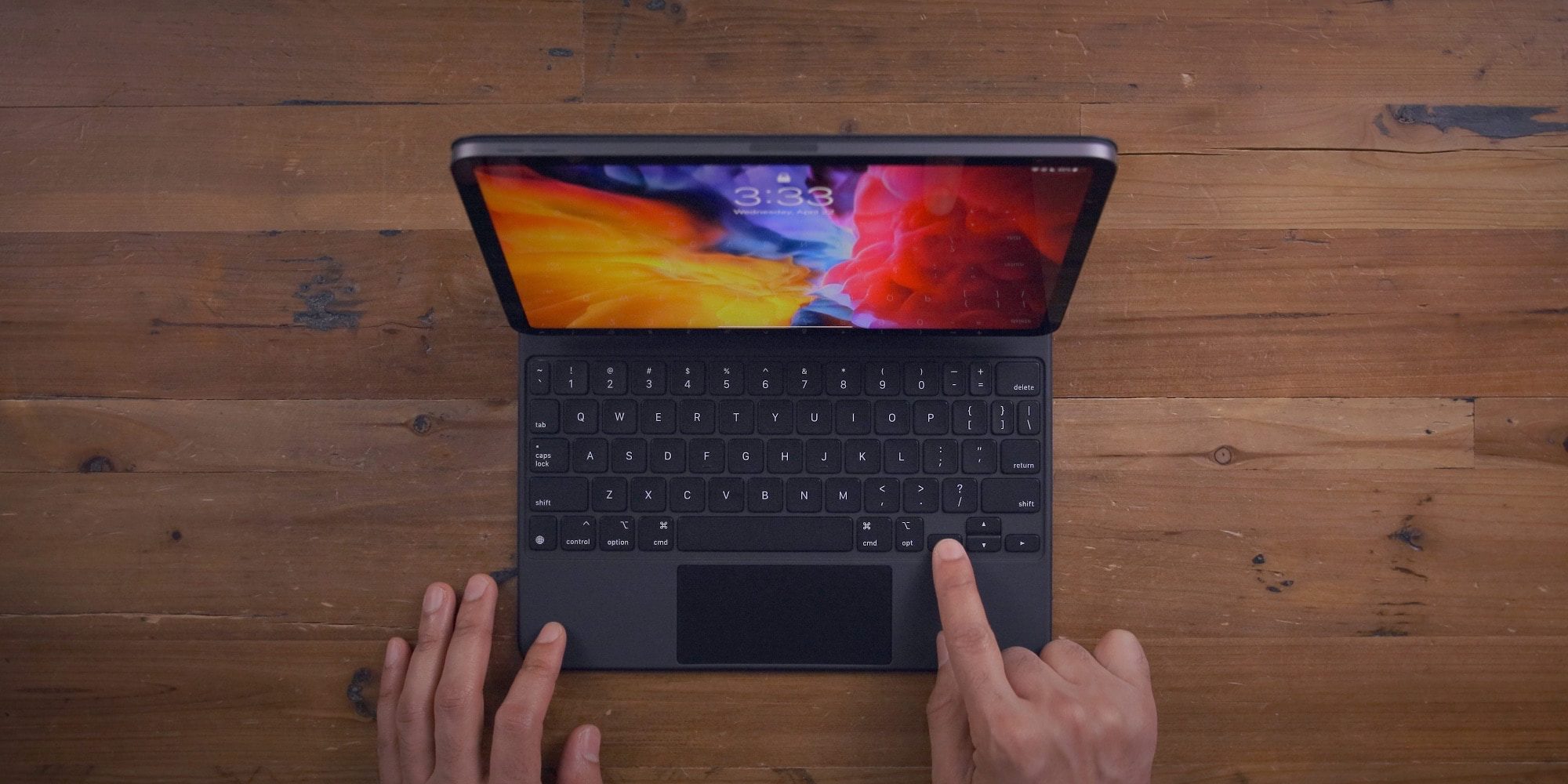
iPadOS has long struggled with the balance between tablet portability and "Pro" desktop-class features. The removal of older iPad Pro models from the support list suggests that the new multitasking and "Stage Manager" refinements in iPadOS 27 require more memory bandwidth than earlier iterations could provide.
watchOS and tvOS: The Final Countdown
For the Apple Watch, the exclusion of several models is largely attributed to battery longevity and the increased complexity of the new health-tracking sensors introduced in 2026. Similarly, the Apple TV, which has historically enjoyed long support cycles, is seeing the retirement of older hardware that lacks the processing power to decode the latest high-efficiency video codecs and interactive home automation interfaces.
Official Responses and Industry Context
While Apple typically does not comment on the specific "why" behind every individual device removal, the company’s broader narrative remains centered on "user experience." In press briefings, Apple spokespeople often emphasize that "maintaining an OS that requires significant hardware overhead on a legacy chip results in a degraded experience that doesn’t meet the Apple standard."
Industry analysts suggest that this purge is also a strategic move to simplify the development pipeline. Maintaining support for dozens of legacy configurations increases the testing burden for software engineers. By narrowing the support window, Apple can focus its optimization efforts on the "Neural Engine" and unified memory architectures found in their current M-series and A-series chips.
Implications for the Consumer
The implications of this announcement are twofold: economic and environmental.
The Economic Impact
For the average consumer, this announcement creates an immediate "upgrade pressure." Users who rely on specific software features for their workflow—such as the new cross-device continuity tools or the advanced AI-driven photo editing suites—now have a binary choice: remain on an outdated, unsupported OS, or invest in new hardware. With the average cost of Apple products rising, this creates a significant barrier to entry for users who previously relied on the long-term viability of their devices.
Environmental Considerations
Apple has made massive strides in its carbon neutrality goals, frequently touting its use of recycled materials. However, the planned obsolescence of 16 devices simultaneously raises concerns about e-waste. While these devices remain functional for basic tasks, their lack of future software support often leads consumers to trade them in or recycle them, accelerating the lifecycle of consumer electronics. Advocates for the "Right to Repair" movement argue that Apple should provide "security-only" modes that allow older devices to remain on the internet safely, even if they cannot run the latest feature-rich OS.
Looking Forward: Is Your Workflow Safe?
If you are a user of one of the 16 deprecated devices, you are not immediately cut off. Apple continues to issue security updates for at least two years after a device is dropped from the latest OS. This provides a "buffer period" for users to plan their next purchase.
However, the writing is on the wall. The 2026 software cycle marks a move toward a more demanding computing environment, where "good enough" performance is no longer the target. For creative professionals, this may be the catalyst to finally move from an aging Intel Mac to a current M-series machine, or for tablet power users to retire an older iPad Pro in favor of a model capable of handling the latest "Pro" workflows.

Conclusion
The release of iOS 27 and its sister operating systems is a testament to the rapid evolution of technology. While it is disappointing to see a large cohort of devices moved to the history books, it is also a sign of progress. The features arriving in "27" rely on architectural capabilities that simply did not exist when many of these legacy devices were built.
As Apple continues to push the boundaries of what is possible on mobile and desktop platforms, the gap between the "latest and greatest" and the "tried and true" will only widen. For now, users should inventory their current hardware, assess their dependence on the latest software features, and consider their path forward in an ecosystem that is, quite literally, moving on.
Have you been affected by the latest support drop? Will you be upgrading your hardware, or sticking with your legacy device for as long as possible? Let us know in the comments below.

 Jia Lissa
 Neng Nana