Muslim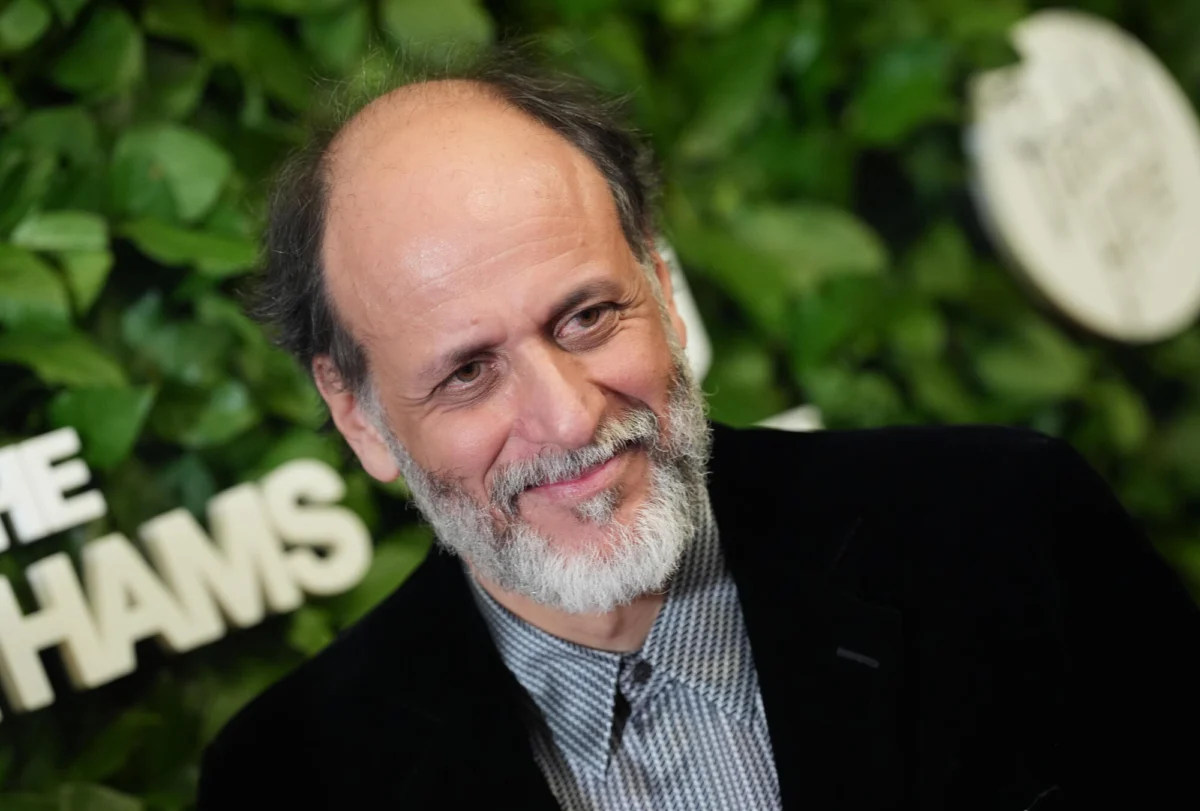
In a move that signals both a bold distribution strategy and a potential disruption of the upcoming awards season, the indie powerhouse Neon has officially acquired the distribution rights to Artificial. The project, a highly anticipated drama centered on the life and legacy of OpenAI CEO Sam Altman, was previously cast aside by Amazon, leaving industry observers to speculate on its future. Now, under the banner of the studio that recently steered Anora to a Best Picture victory, Artificial is poised to become the most controversial contender in the 2026 Oscar race.
The Journey to Neon: From Amazon Rejection to Festival Buzz
The acquisition follows weeks of industry whispers regarding the fate of the film. After being dropped by Amazon—a decision that sparked intense debate regarding the streamer’s appetite for projects that interrogate the very pillars of the Silicon Valley establishment—the film was left in a state of limbo. Neon’s swift intervention suggests a clear mission: to position the film as a critical, prestige-heavy cultural touchstone.
Neon’s official announcement confirming the purchase was terse but pointed, noting that the film "will compete in this year’s Oscar race." This statement effectively places a target on the project’s back. Given the release window and the pedigree of the director, all roads lead to the Venice Film Festival. Luca Guadagnino, the visionary director behind the project, has long utilized Venice as his primary launchpad, and despite the lukewarm reception of his recent project, After the Hunt, the industry expects Artificial to be a centerpiece of the festival’s lineup, likely appearing in a high-profile slot.
Chronology: A Timeline of the ‘Artificial’ Saga
The path to the screen for Artificial has been anything but conventional. The project’s inception was marked by the union of two of modern cinema’s most distinct voices: director Luca Guadagnino and screenwriter Simon Rich.
- Pre-Production and Concept: The film was developed as a dark, intellectual, and scathing critique of the artificial intelligence boom, focusing on the human cost behind the rapid advancement of LLMs and the mercurial nature of tech leadership.
- The Amazon Era: Initially backed by Amazon, the project moved through early production stages with significant anticipation. However, internal friction—reportedly stemming from the film’s uncompromising, cynical portrayal of AI—led to the studio’s decision to cut ties.
- The Search for a Home: Following the breakup with Amazon, the film entered a "hot-potato" phase. Rumors swirled about whether any major studio would be willing to distribute a film that might alienate the tech giants that currently dominate the global economy.
- The Neon Acquisition: In July 2026, Neon officially announced it had acquired the film. The move was widely viewed as a "statement" play, emphasizing the studio’s commitment to provocative, auteur-driven cinema.
- The Upcoming Festival Run: With Venice looming, the film is now undergoing the final stages of post-production to ensure it is ready for an early-autumn premiere.
Characterizing the Critique: The Simon Rich-Guadagnino Partnership
At the heart of the film is Andrew Garfield’s portrayal of Sam Altman. Reports from the set suggest that Garfield has delivered a transformative, nuanced performance that avoids mere caricature, opting instead for a portrait of a man caught between messianic ambition and profound existential detachment.

Simon Rich, known for his acerbic wit and ability to blend high-concept fantasy with grounded, human anxieties, has reportedly penned a screenplay that does not pull its punches. The film is rumored to be a "dark critique" not just of Altman as an individual, but of the entire ethos of Silicon Valley—a world where the promise of infinite intelligence often masks a disregard for the fragile, analog realities of human labor and emotion.
Implications: Can Hollywood Bite the Hand That Feeds?
Perhaps the most compelling narrative surrounding Artificial is the existential question it poses to the Academy of Motion Picture Arts and Sciences. Can voters, many of whom have seen their own livelihoods impacted by the encroachment of AI into screenwriting, visual effects, and post-production, honor a film that serves as a scathing indictment of the technology sector?
The relationship between Hollywood and Big Tech is currently at a breaking point. As AI tools continue to permeate the creative process, the industry is grappling with fears of obsolescence. Artificial arrives at a moment of peak tension. By supporting the film, the Academy would effectively be validating a narrative that critiques the very entities currently providing the funding, platforms, and technological infrastructure that keep the modern film industry afloat. This tension could either galvanize voters to support the film as a brave piece of protest art or cause them to shy away from it, fearing the political implications of biting the hand that feeds them.
Comparative Landscapes: The "Social Reckoning" and the Auteur Race
As discussed on the latest episode of IndieWire’s Screen Talk podcast, Artificial is already being compared to other "companion" pieces that explore the rise of tech moguls. One such project, the rumored The Social Reckoning, has sparked its own cycle of gossip. However, industry analysts suggest that The Social Reckoning lacks the "auteur" weight that Guadagnino brings to the table.
There is a distinct hierarchy in the festival circuit. Directors like Luca Guadagnino and David Fincher occupy a tier of "world-class auteur" that commands attention regardless of the subject matter. While Aaron Sorkin—the architect behind the definitive tech-biopic The Social Network—remains a respected voice, the current industry discourse suggests that the artistic stamp of a director like Guadagnino is what ultimately makes Artificial the "must-see" event of the season, even if it is not ready for the festival circuit in the timeframe originally anticipated.

Supporting Data: The Changing Awards landscape
Beyond the specific controversy of Artificial, the 2026 awards race is shaping up to be one of the most unpredictable in recent memory. Neon’s strategy is bolstered by the Academy’s recent, landmark decision to lift the ban on actors receiving multiple nominations in the same category.
This rule change opens the floodgates for performances that span multiple genres and scales. As Screen Talk hosts pointed out, this shift could allow for a more fluid recognition of talent, potentially benefiting films like Artificial if the Academy decides to embrace a "best of the best" mentality rather than adhering to traditional, restrictive nomination caps. Furthermore, the positioning of Focus Features’ Obsession as a potential "dark horse" candidate further highlights that this year’s Oscar race will be defined by films that defy traditional genre conventions and distribution expectations.
The Road Ahead
As the industry turns its eyes toward the Venice Film Festival, the spotlight on Artificial will only intensify. The film represents a collision of interests: the high-stakes world of Silicon Valley, the prestige-seeking maneuvers of independent distributors, and the collective anxieties of a creative workforce facing an uncertain, machine-augmented future.
Whether Artificial succeeds as a piece of cinema or falls victim to the very industry politics it seeks to expose, its presence in the 2026 race is guaranteed to be a defining factor. For Neon, the gamble is clear: in an era of safe bets and blockbuster homogenization, the most valuable commodity is a film that demands to be argued about. With Artificial, the argument has already begun.

 Ali Ikhwan
 Nila Kartika Wati