Asro
Asro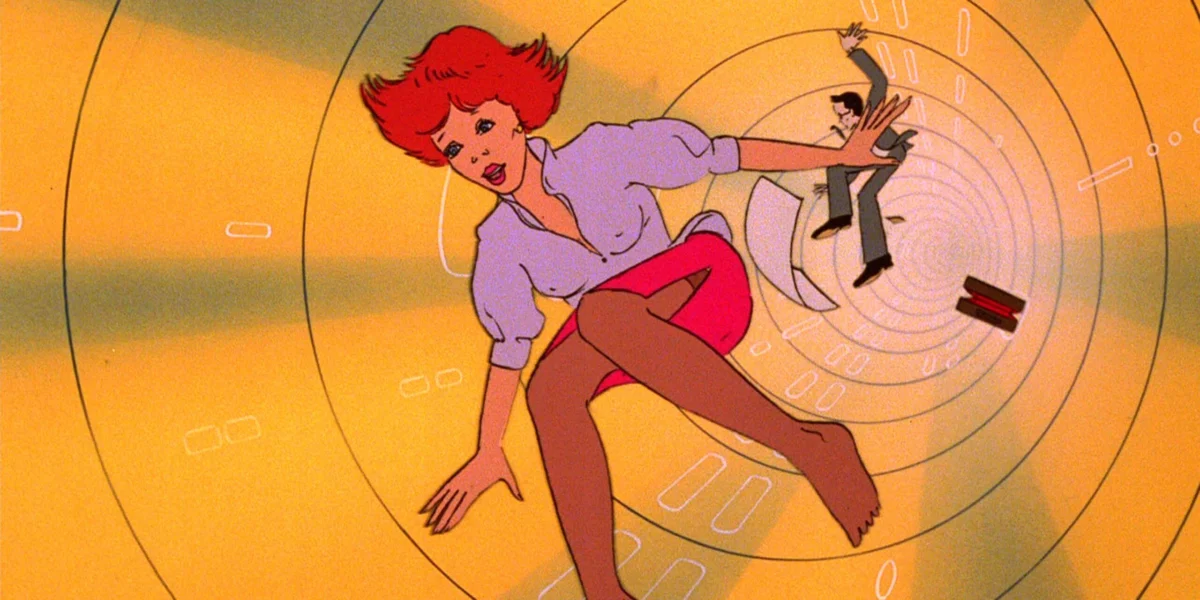
The 1980s represent an unparalleled epoch in the history of cinema. It was a decade defined by aesthetic excess, a radical shift toward high-concept genre filmmaking, and the birth of the "blockbuster" mentality. While pop-culture giants like E.T. the Extra-Terrestrial, The Lost Boys, and Blade Runner continue to dominate the retrospective landscape, the sheer volume of output in the eighties meant that many truly visionary projects were buried under the weight of the studio system or lost in the chaotic shuffle of the home video revolution.
These forgotten treasures, ranging from the grotesquely inventive to the philosophically profound, capture the unique mania of the era. They represent the "B-sides" of 1980s film history—works that may have stumbled at the box office but have since earned a devout, albeit quiet, following among cinephiles who value the audacity of the era’s experimental spirit.
The Aesthetic of Excess: Defining 80s Cult Cinema
The 1980s were characterized by a unique collision of traditional practical effects and a newfound desire for stylistic "cool." Filmmakers were emboldened by the success of high-concept scripts and the expanding reach of the rental market. For a film to gain "cult" status during this period, it often required a specific alchemy: a daring visual language, a refusal to adhere to traditional narrative structures, and a sense of unbridled creative freedom that is rarely seen in today’s more homogenized studio environment.
The following films represent a cross-section of this era’s forgotten ambition, categorized by their distinct contributions to genre history.

10. ‘Bad Taste’ (1987) – The Genesis of Splatter-Comedy
Before Peter Jackson was ushering hobbits through Middle-earth, he was an aspiring filmmaker in New Zealand crafting gore-soaked nightmares on a shoestring budget. Bad Taste is the quintessential "homemade" success story. The premise—aliens invading a small town to harvest human flesh for a fast-food franchise—is pure, unadulterated absurdity. Through the lens of 1980s practical effects, Jackson turned a minuscule budget into a masterclass in gross-out horror-comedy. Its legacy is not just in its visceral imagery, but in its influence on the "splatstick" genre, proving that creative ingenuity far outweighs capital investment.
9. ‘Heavy Metal’ (1981) – The Adult Animated Odyssey
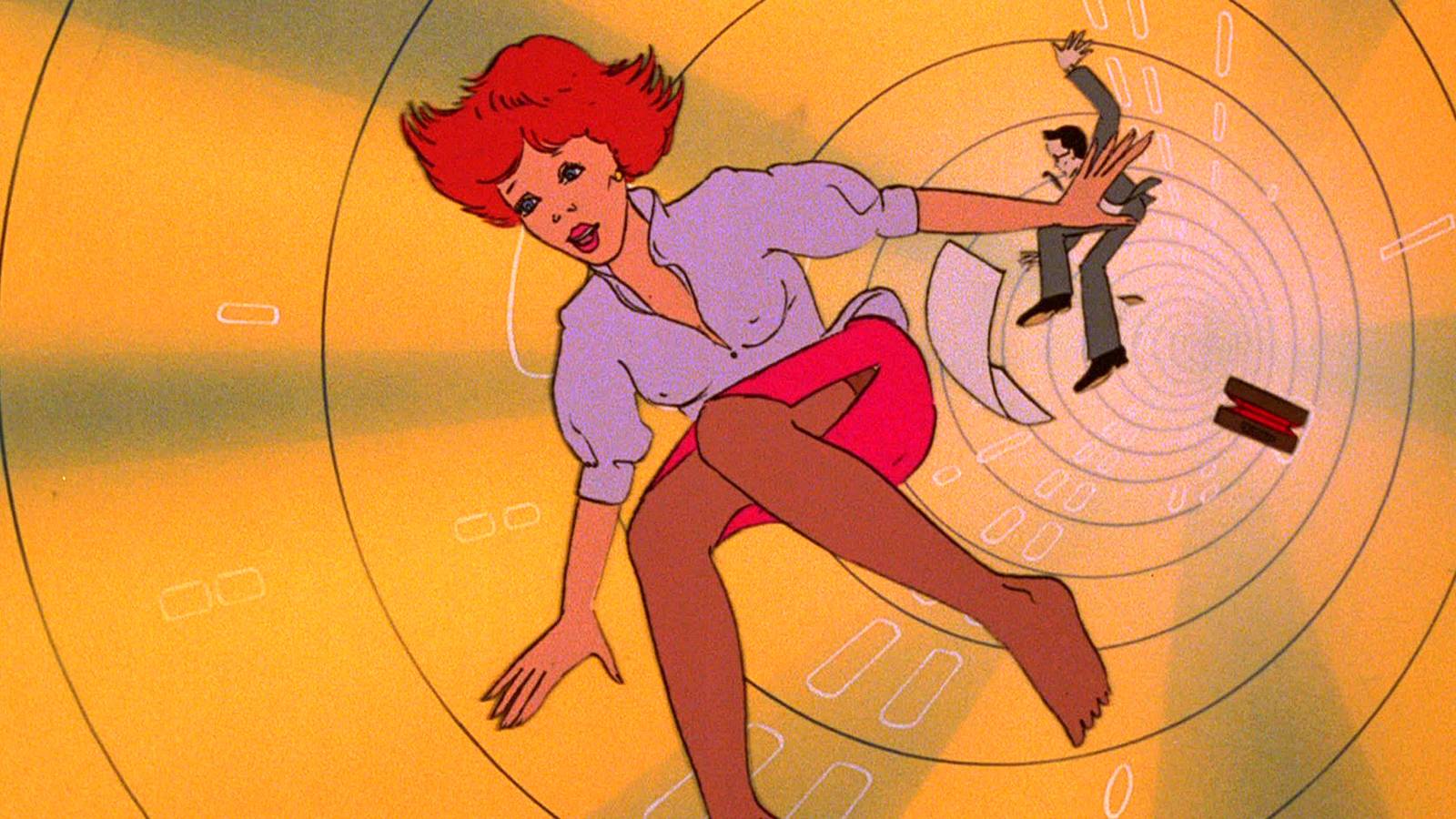
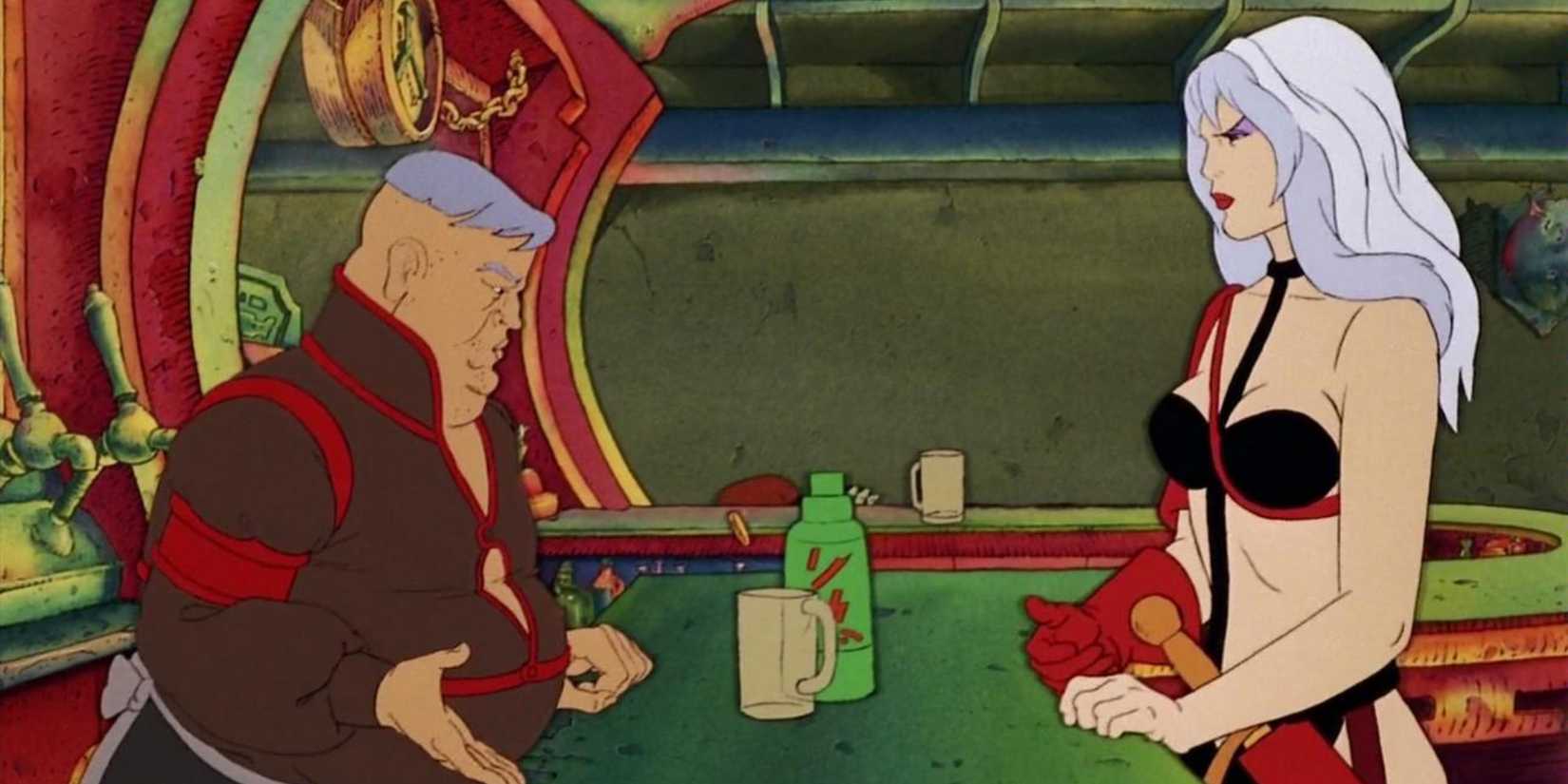
Animation in the 80s was frequently dismissed as being strictly for children, but Heavy Metal shattered that perception with a sledgehammer. An anthology film loosely connected by an evil, sentient orb, it served as a showcase for various animation styles and a celebration of counter-culture music. With an ensemble cast including John Candy and Harold Ramis, the film is a dizzying, R-rated hallucination. Its significance lies in its role as a pioneer for adult-oriented animation, demonstrating that the medium could handle dark fantasy, noir, and sci-fi with the same gravity as live-action film.

8. ‘Inferno’ (1980) – The Surrealist Nightmare
Dario Argento, the undisputed master of the Italian giallo, followed up his masterpiece Suspiria with Inferno. While Suspiria is rightfully lauded as a classic, Inferno remains a strangely overlooked entry in his "Three Mothers" trilogy. The film is less a traditional narrative and more a sensory assault of color, light, and sound. It operates on dream logic, following a student’s investigation into occult mysteries with an atmospheric intensity that borders on the hypnotic. Its relative obscurity compared to its predecessor is a tragedy, as Inferno represents the absolute peak of Argento’s visual surrealism.
7. ‘Enemy Mine’ (1985) – Empathy in the Stars
In an era dominated by Star Wars and Star Trek, Enemy Mine offered a more intimate, character-driven approach to science fiction. Starring Dennis Quaid and Louis Gossett Jr., the film explores the relationship between two soldiers from warring species who are forced to survive together on a hostile planet. While it failed to find a massive audience upon release, its thematic focus on the futility of prejudice and the necessity of empathy provides a profound moral core. It is a quiet, somber meditation on humanity disguised as a space opera.
The Architecture of Dystopia: Social Commentary through Cinema
The late 1980s saw a rise in speculative fiction that used the "future" to critique the present. These films were not merely escapist; they were mirrors held up to the consumerist, technocratic, and bureaucratic anxieties of the Reagan-Thatcher era.
6. ‘Streets of Fire’ (1984) – The Rock & Roll Fable
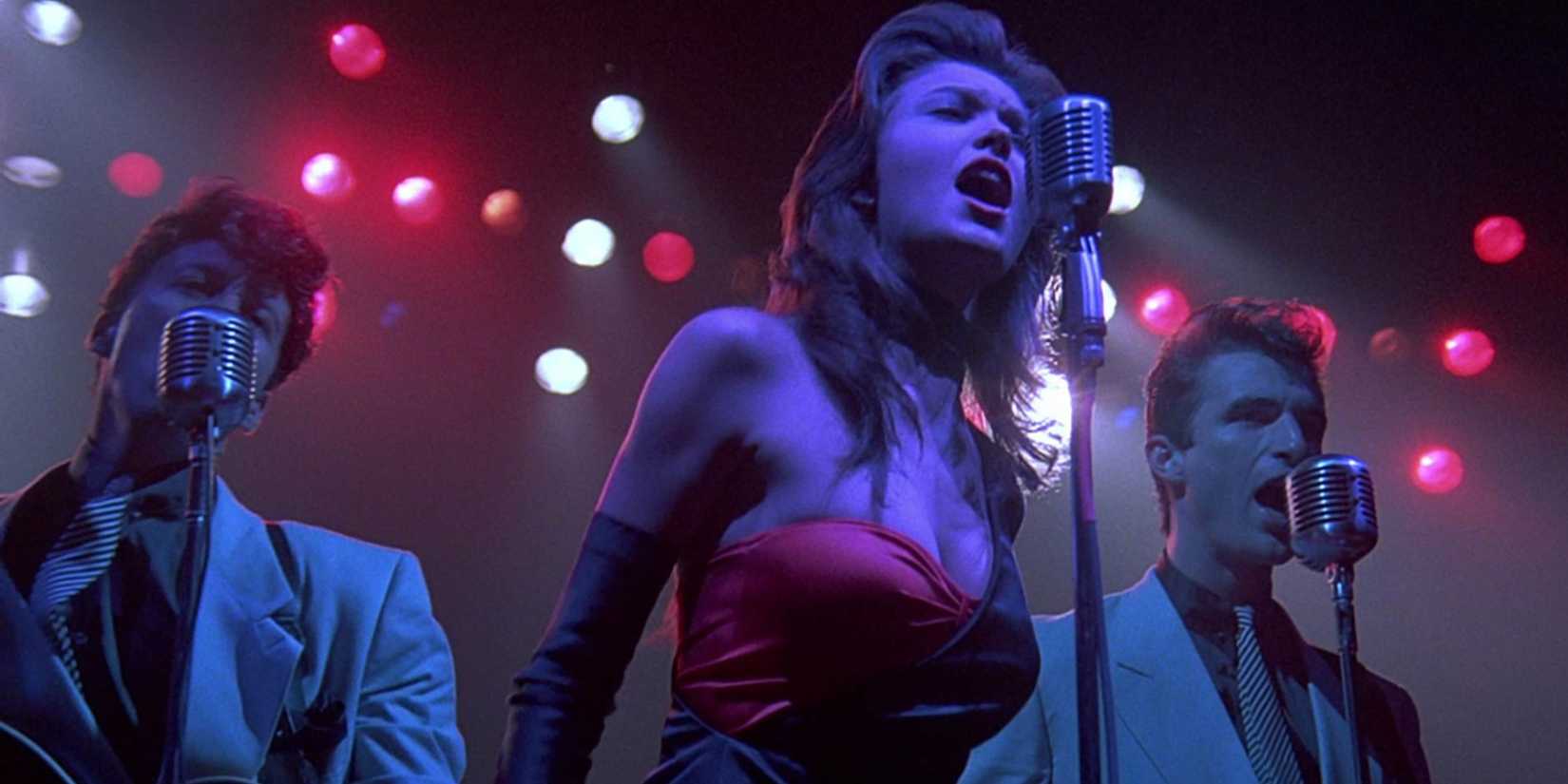
Walter Hill’s Streets of Fire is described as "A Rock & Roll Fable," and it delivers on that promise with aggressive theatricality. Set in a stylized, 1950s-inspired dystopia, the film is a high-octane blend of music video aesthetics and crime drama. With its neon-drenched cinematography and Jim Steinman’s soaring, operatic soundtrack, the film is an exercise in pure stylistic excess. It captured the specific "cool" of the 80s—leather, motorcycles, and hairspray—and elevated it to the level of myth.

5. ‘Return to Oz’ (1985) – The Dark Fantasy Departure
Disney’s Return to Oz is perhaps the most notorious example of a film being misunderstood by its target audience. Marketed as a continuation of the classic Wizard of Oz, it was, in reality, a haunting, sometimes terrifying piece of dark fantasy. By remaining faithful to the grimmer aspects of L. Frank Baum’s original source material, the film pushed the boundaries of the PG rating. Today, its practical effects and haunting atmosphere have garnered it a cult following, with many recognizing it as a brave, if jarring, departure from the sanitized fantasy of the time.
4. ‘Near Dark’ (1987) – The Gothic Western
Vampire lore is a staple of cinema, but Near Dark recontextualized the myth into the American West. Directed by Kathryn Bigelow, the film treats vampirism as an addiction and a nomadic lifestyle choice rather than a supernatural curse. The performances, particularly Bill Paxton’s turn as a psychopathic immortal, give the film an edge that remains sharp nearly forty years later. It is a gritty, grounded take on a genre that often leans into velvet-draped romance, making it a standout of 1980s horror.

3. ‘Dragonslayer’ (1981) – The Peak of Practical Fantasy
Before CGI dragons became the standard, there was Vermithrax Pejorative. Dragonslayer is a landmark in the history of creature design, featuring a beast that feels genuinely dangerous, sinewy, and ancient. Beyond the effects, the film is a surprisingly cynical take on feudalism and religious corruption. It subverts the "hero’s journey" tropes, presenting a world where the gods are silent and the ruling class is willing to sacrifice the innocent to maintain the status quo.
The Political Resonance: Resistance and Bureaucracy
At the pinnacle of this list are two films that directly confronted the socio-political climate of the late 80s: They Live and Brazil.
2. ‘They Live’ (1988) – The Consumerist Critique
John Carpenter’s They Live is a masterclass in satire. Using the premise of alien invaders controlling humanity through subliminal messaging in advertising, Carpenter delivered a scathing critique of the rampant consumerism of the late 80s. With Roddy Piper’s iconic, deadpan performance and the most legendary street fight in cinematic history, the film is as entertaining as it is subversive. The imagery of the "sunglasses of truth" remains one of the most powerful metaphors for media literacy in film history.
1. ‘Brazil’ (1985) – The Masterpiece of Bureaucratic Dystopia
Terry Gilliam’s Brazil is perhaps the most significant film on this list. It is a sprawling, nightmarish, and utterly beautiful exploration of how bureaucracy stifles the human spirit. The film’s production was famously plagued by studio interference, yet the final result is a singular vision of a "retro-future" that feels both antique and prophetic. Through the eyes of Sam Lowry, we witness the crushing weight of a society that prioritizes paperwork over people. In an era of increasing corporate control and digital alienation, Brazil is not just a cult classic—it is a mandatory viewing experience.

Chronology of Influence and Legacy
The trajectory of these films follows a recurring pattern: initial commercial struggle followed by a slow, steady climb toward critical re-evaluation.
| Film | Release Year | Primary Genre | Cultural Impact |
|---|---|---|---|
| Dragonslayer | 1981 | Dark Fantasy | Redefined creature effects |
| Brazil | 1985 | Sci-Fi/Satire | Masterpiece of set design |
| Enemy Mine | 1985 | Sci-Fi | Cult appreciation for empathy |
| Return to Oz | 1985 | Fantasy | Re-evaluated for dark vision |
| Bad Taste | 1987 | Horror/Comedy | Launchpad for Peter Jackson |
| Near Dark | 1987 | Horror/Western | Modernized vampire tropes |
| They Live | 1988 | Sci-Fi/Satire | Definitive critique of media |
Implications for Modern Cinema
The enduring appeal of these forgotten cult films lies in their individuality. In the contemporary landscape of massive cinematic universes and data-driven studio decisions, the raw, unpolished, and occasionally "bad taste" nature of these 1980s projects serves as a reminder of the power of the auteur.

These films suggest that the most lasting art often comes from a place of risk—the risk of being too strange for the general public, too dark for the family market, or too cynical for the traditional hero narrative. As audiences continue to cycle back to these forgotten gems, they are finding that the "mania and majesty" of the 1980s still holds the keys to understanding our own complex, increasingly technological, and often absurd modern world. The legacy of these films is not in their box office tallies, but in their refusal to be forgotten.


 Iffa Jayyana
 Lina Hope