

In the modern creative landscape, the definition of an "artist" is undergoing a seismic shift. For decades, technical proficiency—the ability to master software, wield a paintbrush, or manipulate code—was the primary gatekeeper of professional success. However, as generative AI and automated workflows commoditize the act of execution, the value of the "maker" is being eclipsed by the value of the "director."
From Andy Warhol’s Factory to the bustling workshops of Renaissance masters like Rubens and Raphael, history has long shown that the most scalable and enduring creative work is not defined by the hands that built it, but by the mind that guided it. To thrive today, creatives must pivot from being producers of content to becoming curators of taste and architects of vision.
The Historical Precedent: The Factory Model
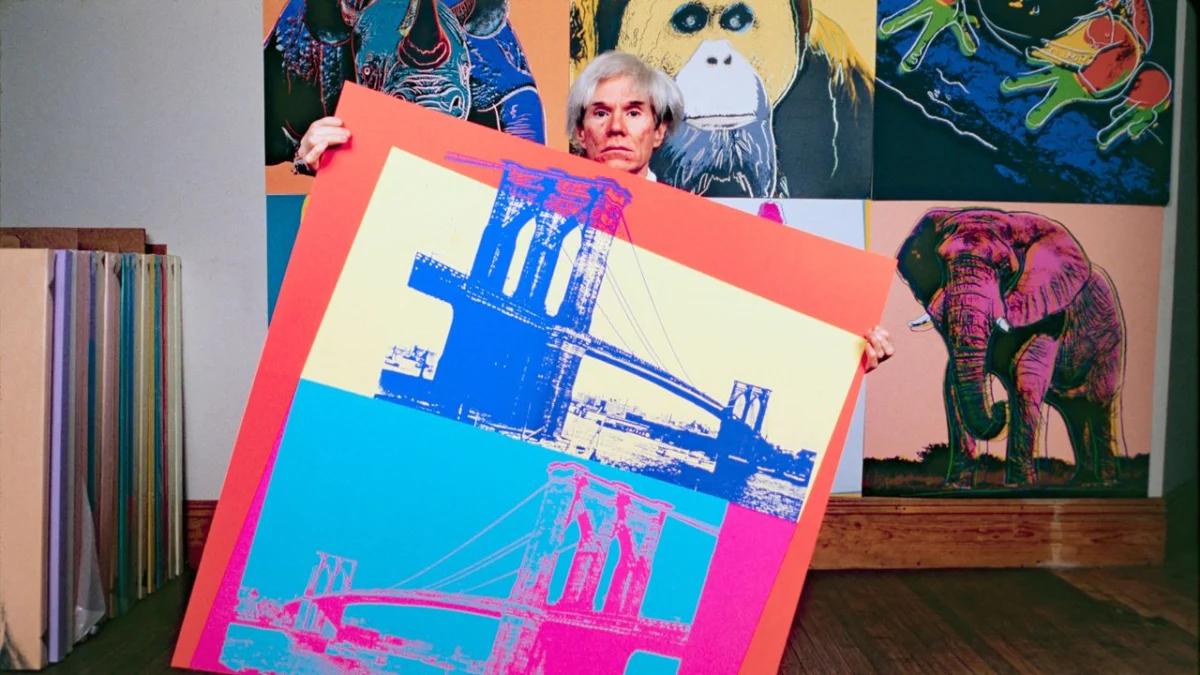
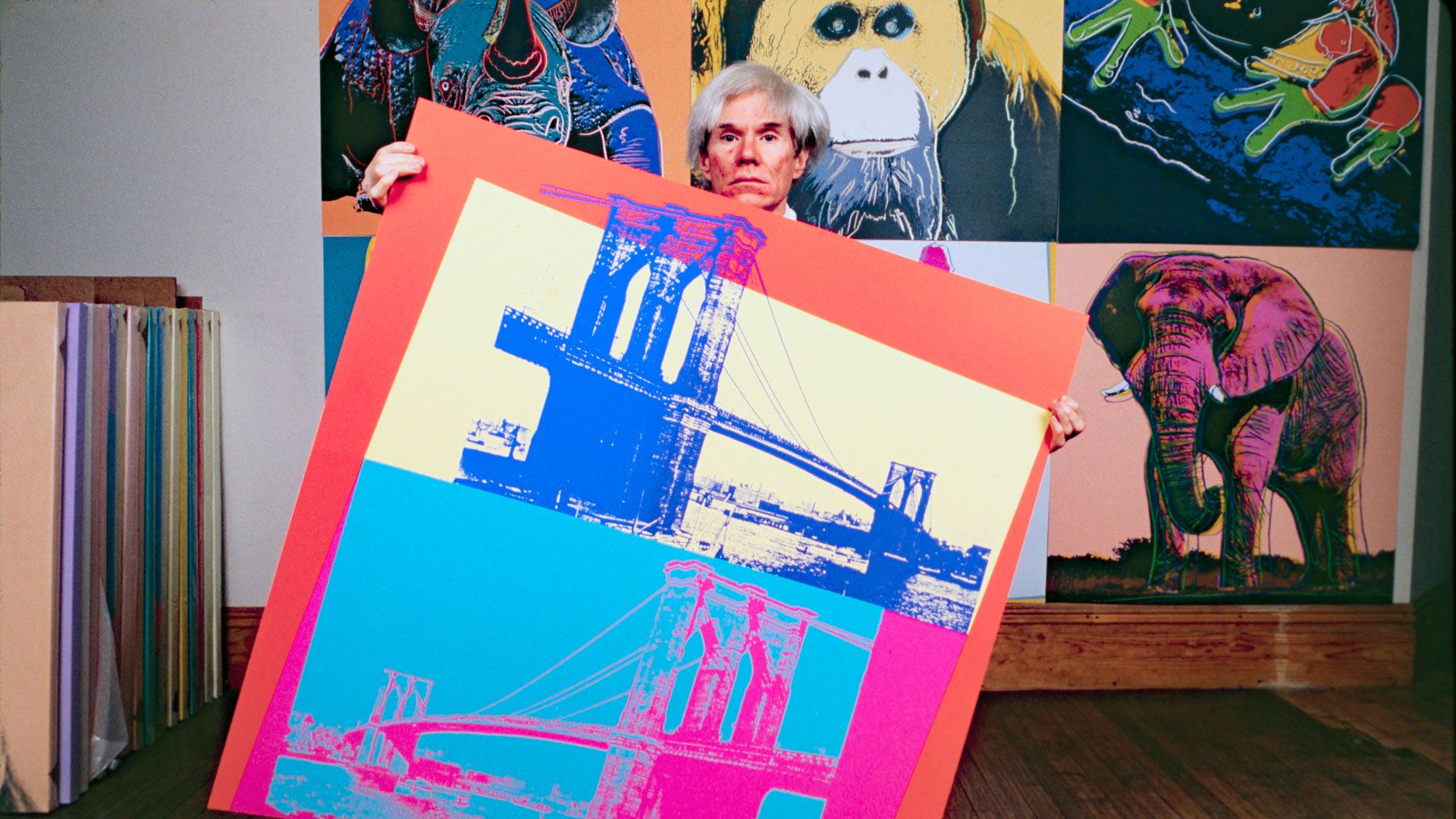
Andy Warhol did not run his own printing presses. Between 1962 and 1968, his studio, famously dubbed "The Factory," churned out silkscreens, films, and sculptures at a volume impossible for any single artisan to achieve. Warhol’s contribution was not the physical labor; it was the discernment. He decided what was worth creating, which pieces earned his signature, and which works were worthy of the walls of the world’s elite.
Warhol’s success was not a fluke of celebrity; it was built on a bedrock of years spent as a commercial illustrator, during which he painstakingly developed an aesthetic eye so refined that his judgment became his most valuable asset. This model of separating inspiration from execution is not a modern innovation. In 17th-century Antwerp, Peter Paul Rubens operated a sophisticated painting workshop where apprentices handled the heavy lifting of background details and large-scale canvases, while Rubens provided the conceptual framework and the final, signature brushstrokes. Raphael, too, maintained a massive workshop in Rome that produced iconic works under his strict direction before he had even reached his thirtieth year.
These historical giants understood a fundamental truth: creative work scales only when the leader stops obsessing over the "how" and focuses entirely on the "why."
1. The Discipline of the Eye: Cultivating Taste
The foundation of great creative direction is an educated eye. Josef Albers, who brought the rigorous methodology of the Bauhaus to Yale University following the school’s closure by the Nazis in 1933, believed that taste could be manufactured through systematic study. His students were famously forced to study color relationships for weeks—sometimes months—before they were permitted to apply them to a final project.
The Bauhaus Preliminary Course was not designed to produce "good" art immediately; it was designed to train the eye to perceive the mechanics of success and failure. To develop this level of discernment today, one must adopt a daily practice of analysis.
Actionable Strategy:
- The Daily Audit: Every day, select one piece of creative work—a billboard, a website, a film scene, or a product design—and deconstruct it. Do not settle for "I like this" or "it feels right." Identify the specific compositional, psychological, or technical decisions that make it function.
- Embrace the "Bad": Massimo Vignelli, the legendary designer, famously argued that studying poor design is as important as studying excellence. When you encounter a failure, analyze the point of collapse. Understanding the architecture of a mistake provides a more rapid education than merely admiring a success.
2. The Crucible of Critique: Arguing Your Corner
Paul Rand, the titan of graphic design, taught at Yale for three decades, and his classroom was notoriously uncomfortable. He would pose questions that had no easy answers, pushing students into a corner until they were forced to justify their choices with intellectual rigor. He refused to accept "I just felt it worked" as a valid design rationale.
In an era where "vibes" often dictate creative choices, the ability to articulate the reasoning behind a creative decision is a superpower. If you cannot explain your work, you are merely an order-taker, not a director.
Supporting Data & Perspectives:
- Peer Critiques: Seek out mentors or colleagues who demand evidence. If you cannot find a "Paul Rand" in your office, act as your own devil’s advocate.
- The Power of Words: As the saying goes, if you cannot explain it simply, you do not understand it well enough. The process of writing down the intent behind a design forces a level of clarity that intuition alone cannot provide.
3. The Pedagogical Loop: Teaching as Synthesis
Paul Klee, one of the most distinctive artists of the 20th century, found his own creative breakthroughs through the act of teaching at the Bauhaus. For Klee, making and explaining were inseparable. By articulating his process to students, he was forced to synthesize his own subconscious decisions into a coherent framework.

Implications for Growth:
- Mentorship: When you mentor a junior, you are not just helping them; you are stress-testing your own creative theories.
- Documentation: Start a blog, a newsletter, or a internal company wiki where you explain why specific projects succeeded. You will find that you don’t fully understand your own judgment until you have to codify it for someone else.
4. The Infinite Horizon: Never Stop Learning
The Japanese master Hokusai famously stated that nothing he created before the age of 73 was of any consequence, and he expressed a humble hope that by 90, he might finally grasp the "truth of things." He was still drawing when he died at 88.
This perspective serves as a necessary antidote to the industry’s obsession with "career milestones." The development of the creative eye is a lifelong pursuit with no finish line. For those seeking formal structures, institutions like RISD and the Royal College of Art are now offering programs specifically aimed at refining creative judgment in the age of AI. However, the most effective tools remain free: curiosity, analysis, and the willingness to discard one’s own previous work in favor of a higher standard.
5. From Execution to Direction: The Professional Imperative
The shift toward becoming a director is not merely a career goal; it is a survival strategy in the modern creative economy.
For the Early-Career Creative
Your studio will initially measure your worth by your output—how fast you work, how many designs you ship. While this is necessary to get your foot in the door, it is not what will sustain you. The creatives who advance are those who demonstrate the ability to step back. Start by asking, "Why did the client choose this direction?" and "What problem is this asset actually solving?"
For the Senior Creative or Director
You hold the most valuable resource in the room: experience. Yet, many senior leaders keep their "why" to themselves, focusing only on the final approval. You must vocalize your reasoning during reviews. By showing your junior staff the logic behind your edits, you are building the next generation of directors. You are effectively teaching them how to see.

For the Studio Lead
If your development programs are still centered on software mastery (Photoshop, Figma, After Effects), you are training your team for a race they cannot win against AI. You must integrate "eye-training" into your core culture. Host regular critiques where the goal is not to improve the work, but to improve the team’s ability to analyze it.
Conclusion: The New Creative Hierarchy
As Jessica Walsh of &Walsh has noted, the most valuable skills in the current market are not those of the fastest makers, but those of the strongest editors, curators, and thinkers. The tools of creation have been democratized, but the tool of judgment remains scarce.
The methodology for greatness has been available for hundreds of years—from the studios of the Renaissance to the classrooms of the Bauhaus and the chaotic energy of The Factory. The path forward is not found in the latest software update, but in the deliberate, lifelong cultivation of taste. In the end, the most important work you will ever do is not the work you make with your hands, but the work you choose to champion with your mind.










No comments yet. Be the first to join the conversation!