Raul Delapena Setiawan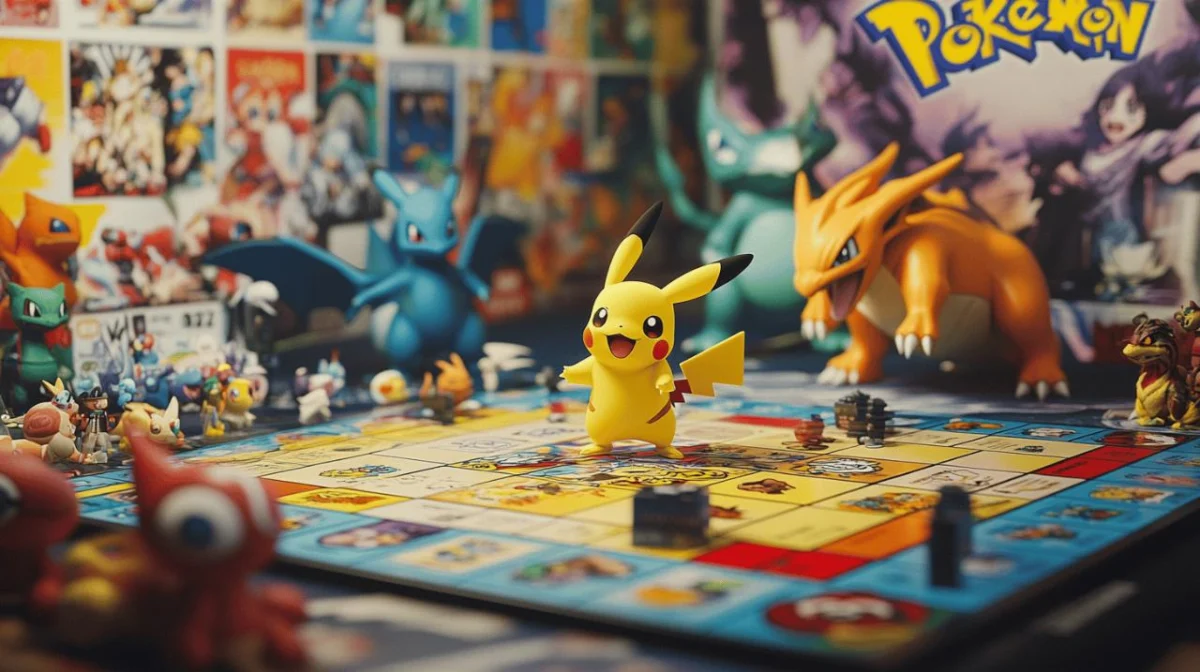
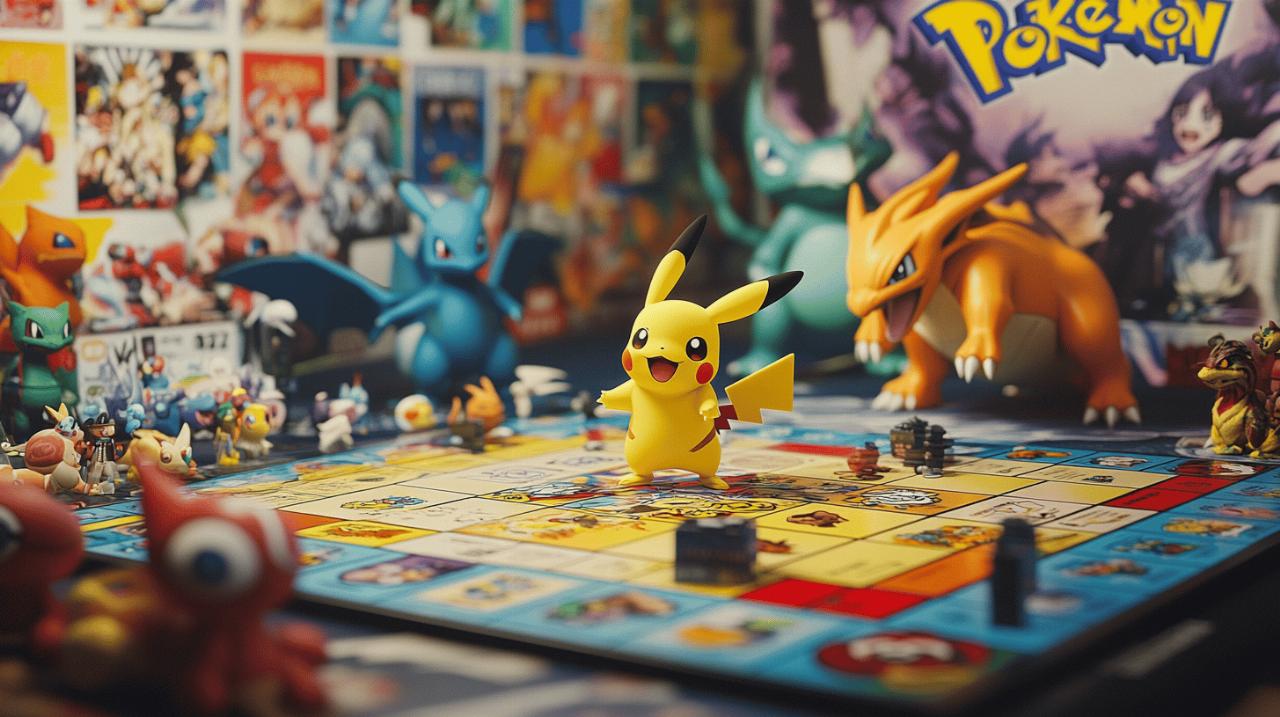
In a groundbreaking fusion of two cultural juggernauts, the iconic real estate board game Monopoly has officially collided with the immersive, creature-collecting universe of Pokémon. This innovative adaptation, released in early 2025, transcends the traditional boundaries of tabletop gaming, offering a fresh, strategic experience that replaces the pursuit of capital with the high-stakes quest of becoming the ultimate Pokémon Master.
Main Facts: A New Paradigm for Tabletop Gaming
The Pokémon edition of Monopoly is far more than a simple re-skin of the classic game. While it retains the fundamental board layout that has defined the franchise for decades, it completely overhauls the internal mechanics to mirror the lore and progression of the Pokémon video games.
At the heart of the experience is the transition from a capitalistic economy to a resource-based quest. Players no longer collect paper currency; instead, they manage "Poké Balls," which serve as the primary medium of exchange, exploration, and capture. The game accommodates 2 to 4 players and is specifically designed to be accessible to families and fans as young as 8 years old, with average playtimes clocking in at approximately 45 minutes.
The board itself is a nostalgic tour of the Kanto region. Iconic locations such as Pallet Town and Saffron City replace traditional street names, grounding the player in the geography that launched the franchise. With 48 different Pokémon available to "capture" throughout the session, the objective shifts from bankrupting opponents to building a robust, diverse team of creatures.
Chronology: From Concept to Global Release
The development of this crossover was a meticulously planned effort between Hasbro and The Pokémon Company.
- Mid-2024: Initial teasers surfaced during major gaming expos, hinting at a collaborative project that would bridge the gap between "hardcore" strategy and casual family entertainment.
- January 2025: The product officially hit the French market, setting a precedent for a wider European and international rollout.
- Q1-Q2 2025: Following the launch, the game saw rapid adoption in major retail chains, including Smyth Toys and online marketplaces like Amazon, quickly solidifying its position as a "must-have" title for both board game enthusiasts and Pokémon collectors.
- Present Day: The game continues to receive positive feedback from the community, maintaining an impressive average rating of 4.5/5 on major retail platforms.
Supporting Data: Mechanics and Strategic Depth
The brilliance of this edition lies in its departure from the "roll and move" monotony. The developers introduced several key mechanics that elevate the gameplay:
The Capture Mechanic
Unlike the standard game, where property is purchased, players in this edition must utilize a specialized "Capture Die." When landing on an unowned Pokémon space, the player attempts a capture. Success depends on strategic resource allocation—specifically, the number of Poké Balls the player is willing to commit to the attempt.
The Role of the Professor
Professor Oak (Chen) serves as the catalyst for dynamic, game-changing events. Throughout the session, players are presented with "Professor’s Challenges"—missions that reward successful trainers with additional resources. These challenges often require players to collect specific types of Pokémon or control key zones, adding a layer of tactical planning that is absent in traditional Monopoly.
Legendary Encounters
The inclusion of random encounters with Legendary Pokémon adds a layer of "push-your-luck" gameplay. These rare spaces force players to decide whether to expend precious resources for a high-reward capture or play conservatively to maintain their financial—or rather, Poké Ball—solvency.
Official Responses and Industry Reception
Industry analysts have lauded the collaboration for its ability to breathe new life into a nearly century-old board game format. By gamifying the "collection" aspect of the Pokémon franchise, the manufacturers have successfully tapped into the "Gotta Catch ‘Em All" ethos that has sustained the brand since the 1990s.
"This is not just a game; it is a bridge between generations," says one industry observer. "Fans who grew up with the Game Boy iterations of the 90s are now playing this with their own children, finding that the core values of strategy and exploration remain just as compelling today."
The price point of 29.99 euros has been identified by retailers as a "sweet spot" for impulse buys and birthday gifts, contributing significantly to the product’s widespread success. The accessibility of the ruleset—which simplifies complex TCG (Trading Card Game) elements into a board game format—has been cited as a primary reason for the game’s high satisfaction ratings.
Implications: The Future of Licensed Board Games
The success of the Pokémon Monopoly edition carries significant implications for the future of licensed merchandise and tabletop design.
A Shift Toward "Hybrid" Gaming
This title proves that audiences are eager for "hybrid" games—experiences that take the familiar, comfortable rules of a legacy game and wrap them in a thematic skin that adds genuine strategic depth. It sets a new standard for what licensed board games should be: they must offer more than just a thematic coat of paint; they must provide a structural, thematic resonance that honors the source material.
Collector Value and Long-term Retention
For the collector, this edition has already begun to carve out a niche. Because the game incorporates specific figurines (Pikachu, Sprigatito, Fuecoco, and Quaxly), the game pieces themselves have become high-demand items. As the game enters the secondary market, the condition of the box, the completeness of the 48-Pokémon set, and the wear on the "Capture Die" will determine its value, potentially turning this mass-market toy into a future collector’s item.
The Social Impact
By facilitating 45-minute sessions, the game fits perfectly into the modern family’s schedule. In an era dominated by digital distractions and solo-screen time, the return to a physical board—where players interact, trade, and negotiate in real-time—is a significant cultural win. The game’s focus on teamwork (or healthy competition) through the lens of Pokémon encourages social interaction, problem-solving, and patience in younger players.
Strategic Tips for Aspiring Trainers
For those looking to dominate their next family game night, the following strategies have been identified by early adopters:
- Resource Management: Do not hoard Poké Balls unnecessarily, but do not exhaust your supply on common Pokémon. Save your resources for when you land on zones that offer higher strategic advantages or "Legendary" spaces.
- Type Coverage: The goal is to catch one of every type. Prioritize diversity in your collection over simple quantity; a well-rounded team is more resilient against game-wide penalties.
- Master the Professor’s Challenges: These are the fastest way to gain an advantage. Ignore them at your own peril, as they are often the deciding factor in the late-game state.
- Strategic Positioning: Use the board to your advantage by controlling key "transportation" or "central" hubs, which allow you to navigate the Kanto region more efficiently than your opponents.
Conclusion: A Must-Have for Every Fan
Whether you are a seasoned Pokémon veteran who remembers the launch of the original Red and Blue versions, or a newcomer to the franchise, this Monopoly edition offers a captivating blend of nostalgia and fresh mechanics. It succeeds because it respects the source material, providing a tactile, engaging way to experience the world of Kanto.
At a price point of 29.99 euros, it remains one of the most accessible and high-value additions to any tabletop collection. As of 2025, it stands as a testament to the enduring power of both the Monopoly brand and the Pokémon franchise, proving that when two legends meet, the result is nothing short of magic. For those looking to secure their copy, a combination of Amazon and specialist hobby stores remains the best route, with savvy shoppers often finding ways to mitigate shipping costs through bundled orders or local pickup options. It is, quite simply, an essential acquisition for any household that values fun, strategy, and the thrill of the catch.

 Siti Muinah
 Azzam Bilal Chamdy