

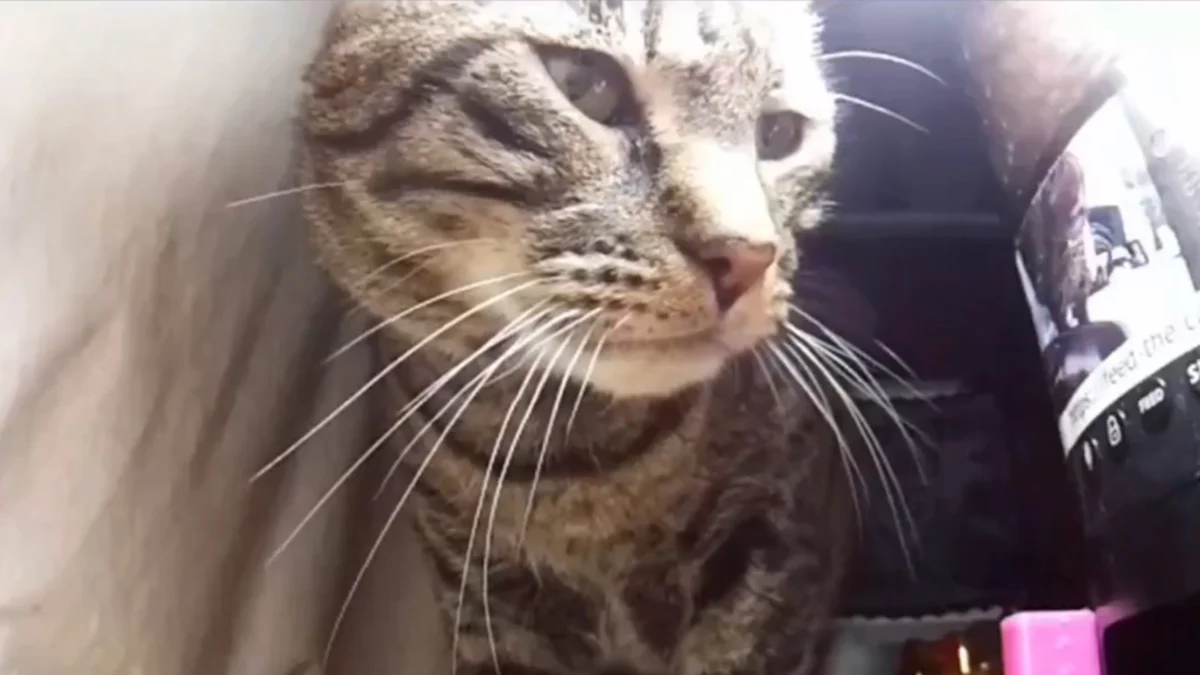
In an era where the internet often feels dominated by algorithmic noise and fleeting trends, a quiet revolution in digital empathy has emerged from the screen of an unemployed web developer. The platform, known as Feed The Cat, has rapidly ascended to viral status, transforming the mundane act of feeding a pet into a global, interactive communal experience. By bridging the gap between physical reality and digital participation, this project is not just a source of entertainment—it is a blueprint for the future of remote, real-time animal welfare.
The Genesis of a Viral Phenomenon
The story of Feed The Cat began not in a corporate boardroom, but in a home office during a period of professional uncertainty. The developer, seeking a creative outlet while between jobs, drew inspiration from the viral "Hello Street Cat" movement in China. That project, which allowed users to interact with stray cats through remote feeding stations, struck a chord with the developer, who initially sought to create a similar, more intimate setup for their own cat, "Bishop."
What started as a private utility—a way to monitor and interact with a pet while away from home—quickly evolved. The developer realized that the technology possessed a unique potential for human connection. By adding a live text chat, a curated music radio, and the ability for external users to trigger the food dispenser, the developer inadvertently tapped into a powerful psychological desire for connection and caregiving.
The project’s growth has been exponential. What began as a single, solitary camera feed has morphed into a multi-node network, broadcasting hungry, appreciative cats from both private homes and animal sanctuaries around the world. As the site’s popularity exploded on social media platforms like X (formerly Twitter), the developer found themselves at the helm of an unexpected, albeit heartwarming, digital phenomenon.
Chronology of a Digital Movement
The rapid trajectory of Feed The Cat reflects the modern speed of internet adoption.
- Phase One (Conceptualization): The developer conceptualizes the project as a personal tool for monitoring Bishop. Coding begins with basic hardware-software integration, linking a Raspberry Pi-powered dispenser to a web interface.
- Phase Two (Public Launch): The site goes live, initially attracting a small, curious audience. The integration of live chat creates an immediate sense of community, with users coordinating feeding times and sharing the delight of watching the cats respond to the "dinner bell."
- Phase Three (Viral Inflection Point): A series of viral posts, most notably from users like Om Patel, catapult the site into the mainstream. Traffic surges as thousands of users flock to the site, eager to participate in the act of virtual pet care.
- Phase Four (Strategic Scaling): Recognizing the potential for positive impact, the developer shifts focus toward partnerships with animal rescue organizations. The architecture is upgraded to support higher bandwidth, multiple camera feeds, and robust moderation systems.
Supporting Data and Technical Architecture
The technical elegance of Feed The Cat lies in its simplicity and strict safety protocols. The system is designed with a "global cooldown" feature, a critical piece of engineering that prevents overfeeding. This mechanism ensures that even if thousands of users are connected, the individual cat is never subjected to caloric excess.
The developer monitors the feeding frequency based on the physical presence of the animals and the bowl status. If sensors indicate that a bowl is nearing capacity, the system automatically throttles the release of food. This level of oversight has been vital in addressing the concerns of animal welfare enthusiasts who rightfully worry about the health implications of such high-traffic feeding.
Beyond the technical backend, the engagement metrics are staggering. With multiple feeds operating simultaneously, the platform maintains a consistent concurrent viewership. The financial model, which relies on voluntary donations to fund the food supply for these animals, demonstrates the efficacy of "micro-philanthropy." By making the donation process instant and the reward (seeing the cat eat) immediate, the platform maintains a high conversion rate of passive viewers to active donors.
Official Responses and The Developer’s Vision
The developer has remained transparent regarding their ultimate goal: to transition the platform from a social experiment into a sustainable support network for animal rescues. In various forum discussions and public statements, they have emphasized that the primary motivation is to raise visibility for shelters that often operate on shoestring budgets.

"We can all watch the cats eat while raising visibility and supporting these organizations," the developer stated in a recent Reddit thread. Their approach is inclusive; they have invited other cat owners and rescue organizations to reach out via encrypted communication channels like Telegram to discuss technical integration. This "open-source" attitude toward animal welfare suggests that the developer is more interested in the project’s impact than in maintaining it as a proprietary, profit-driven enterprise.
Implications for Animal Welfare and Digital Interaction
The emergence of Feed The Cat has broader implications for how we perceive our relationship with technology and nature.
The Democratization of Care
Historically, the ability to support animal shelters required physical presence or large-scale financial contributions. This platform democratizes the experience, allowing anyone with an internet connection to contribute directly to an animal’s well-being. It transforms "slacktivism" into a tangible, real-world action.
The Rise of "Empathy Tech"
This movement aligns with a growing trend in the streaming industry. Projects like the Alveus Animal Sanctuary, which utilizes the Twitch platform to educate millions on conservation, demonstrate that audiences are increasingly hungry for content that is not only entertaining but morally additive. Feed The Cat occupies a specific niche within this sector: the intersection of interactive gameplay and real-world impact.
Challenges and Future Hurdles
Despite the success, the platform faces challenges. Security and privacy for the homes where these cameras are located must remain a top priority. Furthermore, as the network expands, the logistics of supply chain management—ensuring that physical food is delivered to these disparate locations—will require more formal organizational structures.
The developer has indicated a willingness to expand into more rescue-centric operations. This pivot is essential for the long-term viability of the project. If Feed The Cat can successfully bridge the gap between a fun viral moment and a sustained, reliable revenue stream for underfunded shelters, it could set a new standard for how non-profits utilize digital platforms to engage with a global audience.
Conclusion: A Model for the Future
Feed The Cat is more than a quirky website; it is a testament to the power of the internet to facilitate genuine, altruistic action. By leveraging the same mechanisms that drive social media addiction—interactivity, gratification, and community—the platform has redirected those impulses toward the welfare of animals.
As the developer continues to refine the system and bring more rescue centers into the fold, the world watches with anticipation. Whether this is the start of a permanent shift in how we interact with our environment, or simply a delightful moment in internet history, one thing remains clear: people want to help, and when given the right tool, they will show up in droves to ensure a hungry cat gets its meal. In a digital world often criticized for its detachment, Feed The Cat provides a welcome, tangible connection to the living, breathing world.











No comments yet. Be the first to join the conversation!