Lina Hope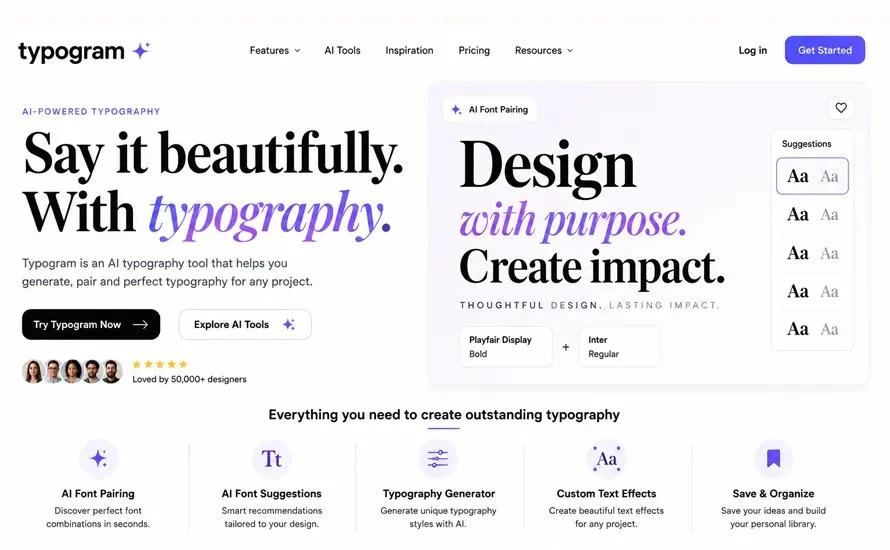
Typography is the silent language of design. It is the bridge between raw information and emotional connection, dictating how a brand feels, how a website reads, and how a poster commands attention. For decades, the craft of choosing the perfect typeface—balancing kerning, tracking, hierarchy, and weight—was a painstaking manual labor reserved for those with years of honed intuition.
However, as we cross the mid-point of 2026, the landscape of typography has undergone a seismic shift. The integration of Artificial Intelligence (AI) into the design workflow has transformed typography from a trial-and-error process into a high-speed, data-driven creative endeavor. Designers are no longer merely "picking fonts"; they are curating AI-assisted type ecosystems that adapt in real-time to project requirements.

The Chronology of Change: From Manual Kerns to Machine Learning
The evolution of typography tools follows a clear trajectory. In the early 2000s, designers relied on static font libraries and manual search. By 2020, web-based subscription services like Google Fonts and Adobe Fonts brought massive archives to the cloud, but the selection process remained fundamentally human-dependent.
By 2024, the first wave of AI began appearing in design software, primarily as "recommendation engines." Fast forward to 2026, and we have entered the "Generative Typography" era. Current AI tools do not just show you a list of fonts; they analyze the semantic intent of your copy, the aesthetic mood of your brand guidelines, and the physical constraints of your medium to synthesize, pair, and even generate entirely new lettering styles on demand.

Supporting Data: The Impact of AI on Design Efficiency
Recent industry surveys indicate that designers using AI-augmented typography tools report a 45% reduction in time spent on font research and testing. Furthermore, junior designers utilizing these tools have shown a 30% increase in layout consistency, suggesting that AI serves as a "guardrail" for design principles that traditionally take years to master.
| Metric | Pre-AI Workflow (Avg) | AI-Assisted Workflow (Avg) |
|---|---|---|
| Font Selection Time | 45-60 minutes | 5-10 minutes |
| Pairing Validation | Manual Proofing | Instant Algorithmic Match |
| Custom Type Creation | Days/Weeks | Hours |
| Layout Iteration | Manual adjustments | Prompt-based generation |
The Vanguard: Top AI Tools for Typography in 2026
1. Typespiration: Curating the Visual Language
Typespiration serves as the modern designer’s mood board. By analyzing thousands of successful design layouts, it provides real-world examples of how fonts interact within a specific grid. It is less about "random selection" and more about understanding context.

2. Monotype AI: The Corporate Standard
Monotype has long been the titan of the industry. Their 2026 AI integration focuses on brand consistency. For enterprises, the tool analyzes existing corporate assets and recommends typography that aligns with established visual identities, effectively eliminating "brand drift."
3. FontPair: Simplifying the Basics
For the web designer, FontPair remains the gold standard for accessibility. It removes the intimidation of choosing secondary typefaces by focusing purely on readability metrics and aesthetic harmony.

4. Visme AI & Canva Magic Design
These platforms represent the "all-in-one" movement. By integrating typography into broader generative workflows, they allow marketers and non-designers to produce high-end visual content without needing a deep understanding of typographic theory.
5. Typogram and Fontself AI: The Creative Frontier
Typogram is disrupting the logo design market by focusing on the "personality" of text, while Fontself AI has democratized the creation of custom typefaces. Designers can now sketch an idea on a tablet, and the AI will vectorize and kern it into a functional font file within minutes.

6. Ideogram and Recraft: The Generative Powerhouses
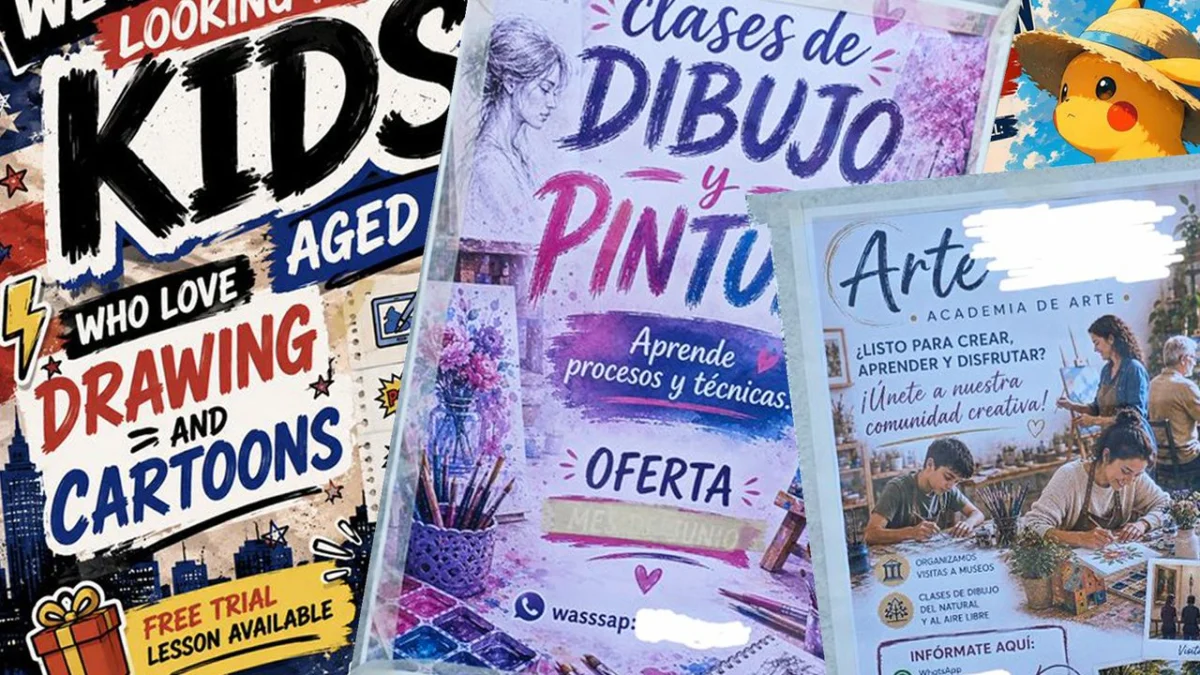
Ideogram AI has set a new benchmark for text-in-image generation. Unlike older models that struggled with spelling, Ideogram creates photorealistic posters where the typography is integral to the image structure. Similarly, Recraft AI allows for vector-based typography, perfect for scalable branding assets.
Official Perspectives: The Professional Consensus
Industry leaders are divided but generally optimistic. Speaking at the 2026 International Design Summit, a spokesperson for a leading global design agency noted: "AI does not replace the designer’s eye; it acts as an infinite intern. It brings us the initial 20 ideas in seconds, allowing the human lead to spend their energy on the final, critical creative pivot."

Conversely, purists argue that the ease of AI could lead to a "homogenization" of visual culture. If every design is based on the same popular AI-recommended pairings, we risk a future where brands look increasingly identical. The industry consensus, however, is that as long as designers use AI as a starting point rather than an end point, the quality of global design will continue to rise.
Implications: The Future of the Design Profession
The rise of these tools has profound implications for the industry:

- The Democratization of Design: Small businesses can now achieve a level of visual polish that was previously exclusive to high-budget agencies.
- The Shift in Skill Sets: The ability to "prompt" an AI for typography is becoming as important as knowing how to manually adjust tracking.
- The Return to Fundamentals: Paradoxically, as AI takes over the "heavy lifting," the value of a designer’s understanding of visual hierarchy, spacing, and psychology has increased. AI can provide options, but it takes a human to know which option tells the right story.
Navigating the New Workflow
When choosing an AI tool, designers should prioritize their specific needs. Are you a freelancer building a brand identity from scratch? Typogram or Recraft will be your best allies. Are you an agency handling high-volume social media content? Canva Magic Design or Visme AI will optimize your throughput.
Regardless of the tool, the goal remains the same: to communicate clearly and beautifully. The best results in 2026 are achieved through a "Hybrid Workflow." Use AI to handle the tedious research, the pairing logic, and the technical vectorization, but rely on your human expertise to finalize the hierarchy, ensure the emotional tone is correct, and oversee the cultural context of your work.

Final Words
Typography is no longer just about the letters on the screen; it is about the intersection of human intent and computational speed. As we look ahead to the remainder of 2026, it is clear that those who embrace these tools will not just work faster—they will work more creatively. The tools mentioned in this article are not here to replace the designer; they are here to clear the path, allowing the designer to focus on what truly matters: the story being told.
Whether you are a veteran professional or a student just beginning to learn the ropes of font pairing, the era of AI-driven typography offers a rare opportunity to experiment, iterate, and innovate at a scale previously unimaginable. The letters are waiting—it is time to let the machines help you set them.

 Asro
Asro
 Sagoh
Sagoh