Raul Delapena Setiawan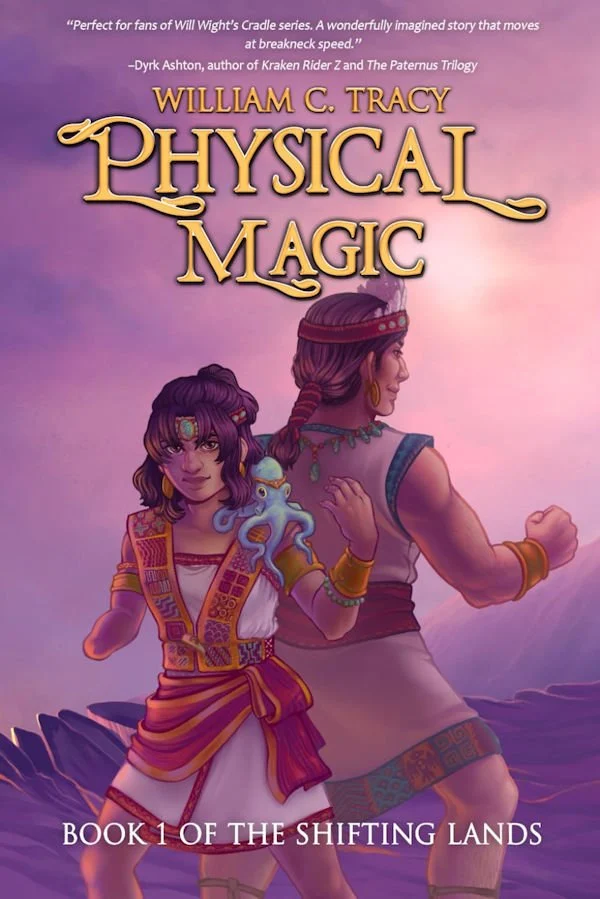
In the landscape of modern self-published literature, few titles have generated as much critical intrigue as Physical Magic. As the 11th annual Self-Published Fantasy Blog-Off (SPFBO) reaches its climactic final stages, this Pacific Island-inspired epic has emerged as a standout contender. Moving away from the saturated tropes of Western medieval fantasy, Physical Magic offers a visceral, world-building-heavy narrative that challenges the boundaries of traditional magic systems while centering on a protagonist whose journey is as much about internal healing as it is about external survival.
The Narrative Core: A Story of Adaptation and Identity
At the center of this high-stakes narrative is Silluka, a young woman living within the rigid societal structures of the Huaca culture. Born with a limb difference—specifically, she has only one arm—Silluka is deemed incapable of performing the exacting, multi-limbed martial arts "chayus" required to summon the favor of the gods. In a society that equates physical perfection with magical agency, Silluka is marginalized, viewed as a liability to her community.
The plot ignites when Silluka, desperate to avoid being branded an outcast, attempts to prove her worth through a failed display of power. Her subsequent banishment is interrupted by a cataclysmic environmental event: a neighboring island is on a collision course with her own, triggering a series of devastating hurricanes and tidal waves. As the village faces annihilation, not only from the elements but from an encroaching, hostile species known as the "Turtlemen," Silluka is thrust into an unlikely mentorship. Guided by a mysterious elder and a group of octopus-like technological artificers who worship eldritch divinities, she must discover an alternative path to accessing divine power—one that transcends the traditional, ableist requirements of her people.
A Chronology of Discovery: From Outcast to Catalyst
The arc of Physical Magic is defined by a series of escalating challenges that mirror Silluka’s personal evolution:
- The Stigma of Limitation: The opening chapters establish the harsh, unforgiving nature of the Huaca society, where citizenship is tied to the ability to perform physical magic. Silluka’s initial failures are not treated as a lack of talent, but as a moral failing by her community.
- The Convergence of Disaster: The arrival of the encroaching island serves as the catalyst for the entire tribe’s migration. This creates a "ticking clock" scenario that forces Silluka and her brother, Ichu, into the wilderness.
- The Technological Pivot: Silluka’s encounter with Elder Quilqi and the octopus-like artificers introduces a radical shift in the book’s worldbuilding. By integrating mechanical aids into the magical process, the narrative explores the intersection of biology and belief.
- The Invasion: The emergence of the invasive species provides the necessary pressure to turn a story of personal growth into a desperate, large-scale survival narrative.
- The Internal Shift: The conclusion of the first volume does not provide a magical "cure" for Silluka’s situation. Instead, it positions her journey as one of self-acceptance and the slow, tentative realization that her value is not dictated by the standards of her oppressors.
Technical Analysis: Magic and Worldbuilding
One of the most praised elements of Physical Magic is its departure from Eurocentric fantasy conventions. The setting draws heavily from Pacific Island cultures, utilizing a system of "chayus"—martial arts forms—that function as the conduit for elemental power.
The Mechanics of "Physical Magic"
The magic system is notable for its refusal to rely on nebulous "willpower." It is grounded in:
- Stance and Dexterity: The focus is on the physicality of the user, making the magic feel tactile and earned.
- Intention: While movement is key, the system suggests that the intent behind the movement is the actual bridge to the divine.
- The Role of Artifice: The introduction of assistive technology—such as the translation circlets used by the octopus-like creatures—adds a layer of "weird fiction" to the fantasy. This allows for a unique blend of high-fantasy elements and inventive, almost steampunk-adjacent ingenuity.
Critical Reception: The Judges’ Perspectives
The judging panel for the SPFBO has provided a nuanced breakdown of the novel’s strengths and potential pitfalls.
Strengths: Inclusive Worldbuilding and Character Growth
Judge Julia highlighted the "casual, matter-of-fact queerness" of the book. The organic representation of bi/pan identities, particularly through Silluka’s brother, Ichu, adds a layer of depth that feels natural rather than performative. Furthermore, the worldbuilding regarding the "impermanence" of the islands—a reflection of real-world environmental anxieties—lends the story an unsettling, distinct atmosphere.
Eva, another panelist, noted the humor and charm found in the interactions with the artificer creatures. The "translation circlet" scenes, where the creatures struggle to communicate, provide much-needed levity and demonstrate the author’s ability to world-build through dialogue rather than long-winded exposition.
Points of Contention: Pacing and Characterization
While the book has been widely lauded, it is not without its critics. Adawia noted that while the text frequently asserts that Silluka is "clever," the narrative occasionally struggles to show this through action, suggesting that her characterization relies too heavily on her bravery at the expense of her tactical intellect.
Additionally, some judges found the pacing during the voyage to be "clunky," noting that the stop-and-start nature of the escape occasionally hindered the emotional momentum. There was also minor debate regarding the "assistive tool" used for magic—some judges appreciated the nuance of it, while others expressed concern that it might inadvertently tread into the "magical cure" trope for disability, though most agreed it was handled with care.
Implications: The Future of the Series
As Physical Magic enters the final stages of the SPFBO, it serves as a bellwether for the current trends in self-published fantasy. It proves that readers are hungry for:
- Non-Western Frameworks: The Pacific Island-inspired setting is a breath of fresh air in a genre that often defaults to medieval Europe.
- Complexity in Representation: By placing a character with a limb difference at the center of a martial arts-based magic system, the author forces a re-evaluation of what "capability" looks like in fiction.
- Hybrid Genre Elements: The blending of traditional elemental magic with the strange, technological interventions of the artificers suggests that the series has a vast, uncharted scope for future installments.
Final Reflections
The judges’ consensus is clear: Physical Magic is a deeply ambitious work that succeeds on the strength of its emotional core and its refusal to take the easy path. While the pacing and minor technical inconsistencies offer room for growth in subsequent volumes, the fundamental premise—that one can reclaim their power by redefining the terms of their own existence—resonates deeply.
As the SPFBO moves toward the final selection on June 26th, Physical Magic stands as a testament to the power of independent voices. It is a story that does not just present a world; it presents a challenge to its protagonist and its reader alike: to look beyond the perceived limitations of the body and the established "laws" of society, and to find a new way to move through the storm.
For those interested in following the remainder of the competition, the final round results will be posted on the official SPFBO website. Whether or not this title secures the top spot, its impact on the current fantasy landscape is undeniable.


 Laily UPN
 Lina Irawan