Laily UPN
While the headlines are often dominated by the latest flagship graphics cards, high-refresh-rate OLED monitors, and premium mechanical keyboards, the reality for most enthusiasts is that our tech budgets are finite. Building a top-tier PC or outfitting a dream office takes serious investment, but refining that setup doesn’t always require a four-figure expenditure. Often, the most meaningful improvements to your daily workflow or gaming experience come from the "small" quality-of-life upgrades—the unsung heroes of the tech world that cost less than a round of drinks.
With Prime Day sales currently in full swing, a variety of these high-utility, budget-friendly devices have dropped to prices well below $50—with many hovering under the $25 mark. Whether you are looking to streamline your desk, breathe new life into an aging laptop, or simply add some tactical flair to your workstation, these are the gadgets that have proven their worth on my own workbench and desk.
The Strategic Value of Budget Hardware
In the world of technology, "cheap" is often conflated with "disposable." However, when you look past the entry-level market, you find a subset of devices that prioritize functional design over brand-name premiums. These tools—ranging from M.2 cloners to specialized cable management solutions—are designed to solve specific, recurring frustrations.
The philosophy behind these selections is simple: prioritize utility. If a device makes an hour-long task take five minutes, it has paid for itself. If it saves you from losing a proprietary cable or allows you to repurpose old hardware, it becomes an essential part of your digital toolkit.
Chronology of Convenience: Why Now?
The surge in high-value, low-cost electronics can be traced back to the maturation of supply chains for common components like USB-C controllers, NAND flash, and compact LED lighting.
- 2020–2022: The global shift to remote work and the resulting "PC building boom" necessitated a massive increase in demand for peripherals.
- 2023: As consumers became more budget-conscious, manufacturers pivoted to "prosumer" entry-level models, bringing features once reserved for enterprise hardware into the sub-$50 consumer tier.
- 2024–2025: Current Prime Day cycles have pushed these products into an "impulse-buy" price range, making it the ideal time to stock up on functional upgrades that have long been on the radar.
Essential Upgrades for the Modern Workstation
1. The IT Hero: Rosewill M.2 SSD Cloner
There is perhaps no greater headache for an enthusiast than migrating a boot drive. For years, the process involved cumbersome USB enclosures and the tedious task of backing up files, wiping drives, and reinstalling Windows.
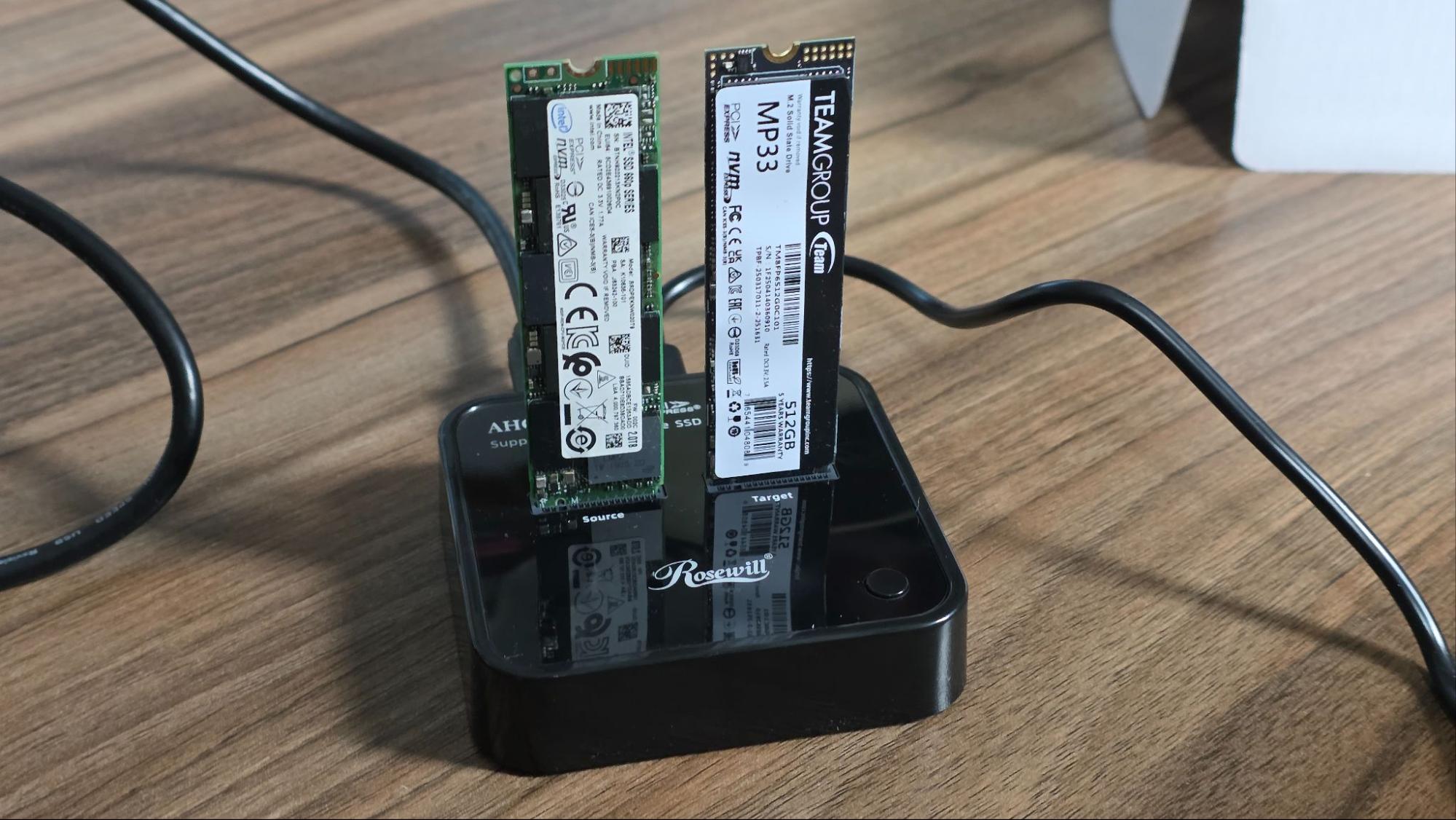
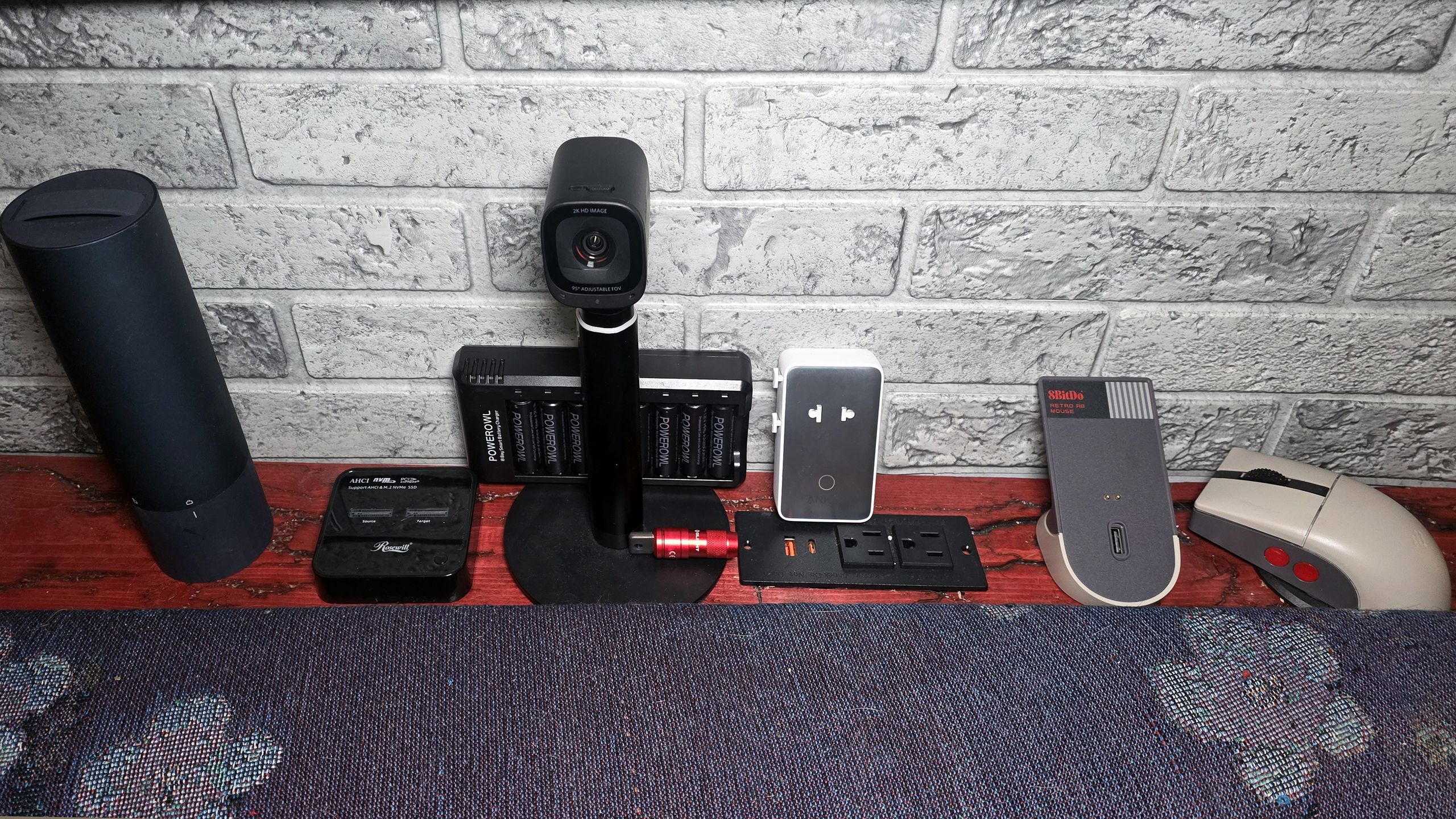
The Rosewill M.2 SSD Cloner changes the math entirely. By offering an offline cloning solution that supports both NVMe and AHCI M.2 drives, it turns a potential half-day project into a sub-30-minute task. Even if you aren’t an IT professional, having this on hand allows you to breathe new life into older laptops by swapping out cramped, slow drives for modern, high-capacity storage. For those who don’t need a full-blown cloner, simple NVMe docks like the $17 option from Suitok serve as excellent external storage solutions.
2. Precision Power: HOTO 3.6V Screwdriver Set
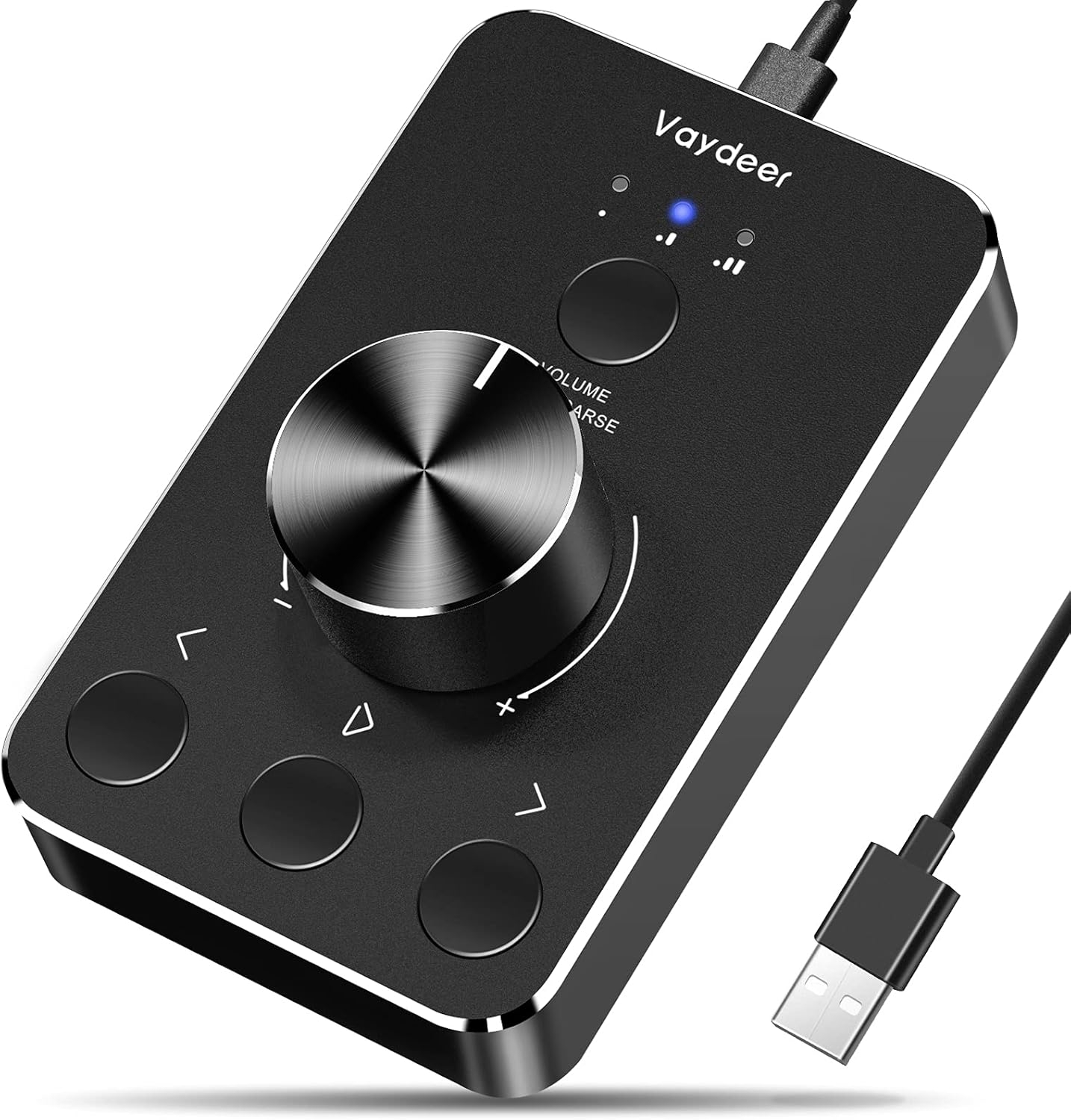
PC building is a hobby defined by the quality of one’s tools. While manual screwdrivers are standard, a cordless electric driver—specifically one with variable torque—is a game changer. The HOTO 3.6V set bridges the gap between delicate electronics work and furniture assembly. It provides enough torque to handle stubborn, factory-tightened case screws, yet remains gentle enough to avoid stripping internal components. It has become a staple of my workbench, proving that you don’t need a $200 industrial impact driver to manage a PC build.
3. Tactical Illumination: OLIGHT IMINI 2
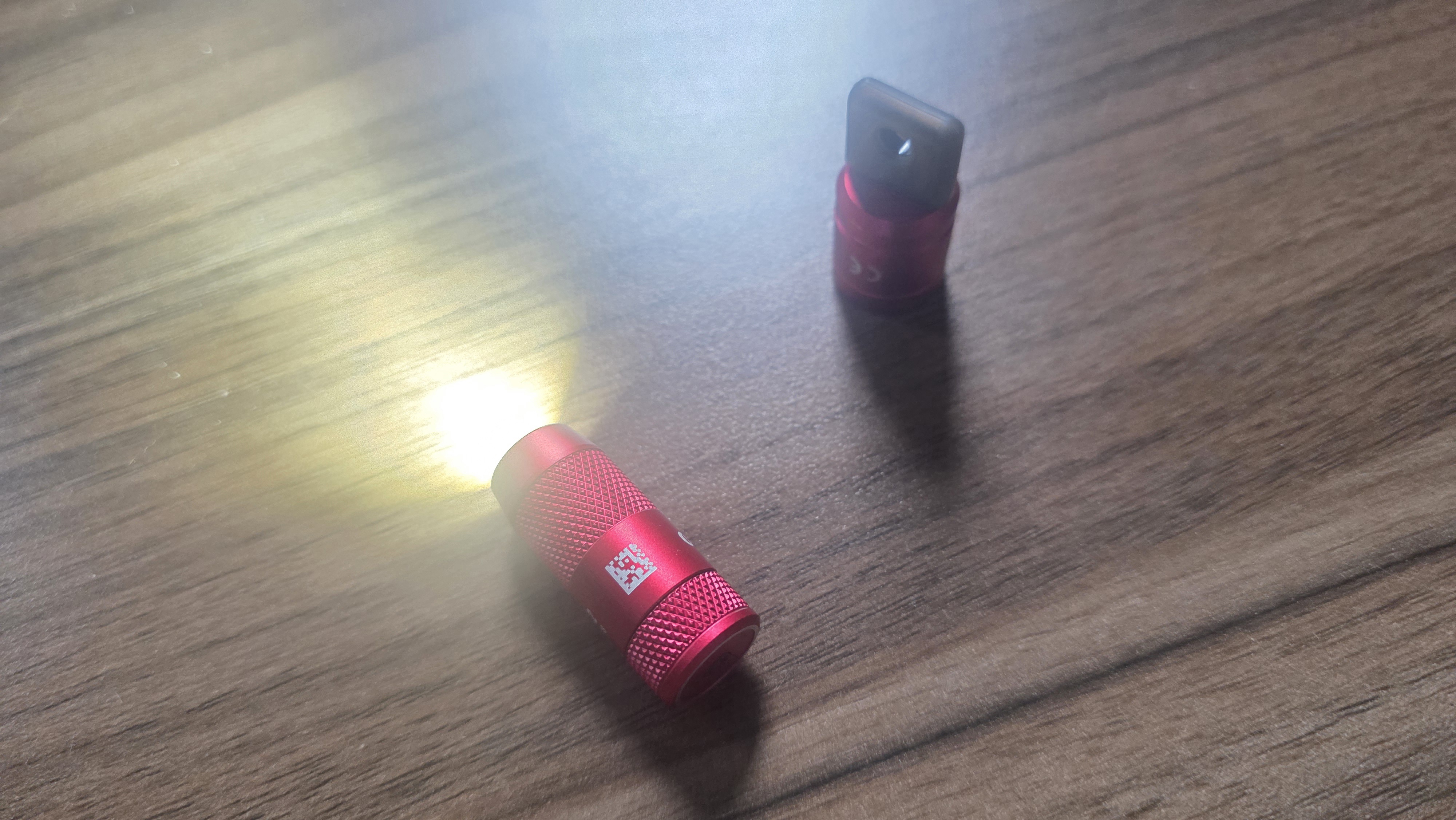
Lighting is the most overlooked aspect of PC maintenance. Whether you are routing RGB cables or troubleshooting a short circuit in a dark case corner, you need a reliable light source. The OLIGHT IMINI 2, often found for around $12 during sales, is a masterclass in minimalist design. Its magnetic base allows it to stick to any steel surface inside your chassis, and its USB-A charging mechanism makes it incredibly easy to keep topped off. It is a tiny, rugged, and essential addition to any tech bag.
Connectivity and Multimedia Enhancements
4. Anker PowerConf C200 2K Webcam
The "webcam wars" of the pandemic era gave us a surplus of 4K cameras that were often bulky, overheating, and software-bloated. The Anker PowerConf C200 stands out by ignoring the 4K marketing race and focusing on what actually matters: image quality in variable light. Its 2K sensor is more than enough for professional Zoom calls, and its compact, travel-friendly design makes it a favorite for those who move between home offices and mobile setups.
5. Tactical Audio Control: Vaydeer Volume Knob
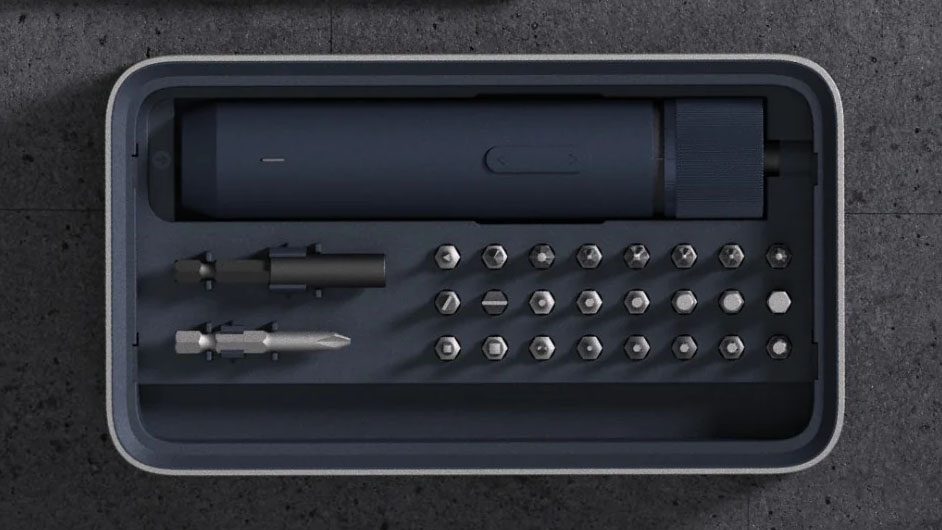
There is a tactile satisfaction that software-based volume sliders simply cannot replicate. For those of us who grew up with physical stereo dials, the Vaydeer USB volume controller provides an immediate, analog feel to digital audio. It is a true plug-and-play device that requires no drivers, making it an excellent way to add a physical interface to a treadmill desk or a living room PC setup.
Supporting Data: Efficiency and Reliability
When considering these purchases, it is important to look at the "hidden" cost of time.
| Device Category | Primary Benefit | Estimated Time Saved |
|---|---|---|
| M.2 SSD Cloner | Drive Migration | 3-4 Hours |
| Cordless Driver | Component Assembly | 30 Mins / Build |
| USB Power Hub | Cable/Dongle Mgmt | Constant |
| Travel Adapter | Setup Versatility | 10 Mins / Trip |
The reliability of these devices has increased significantly over the last three years. For instance, the transition from cheap, unreliable rechargeable batteries to high-performance, long-cycle options like those from PowerOwl has saved thousands of dollars for users of wireless peripherals.
Official Manufacturer Perspectives
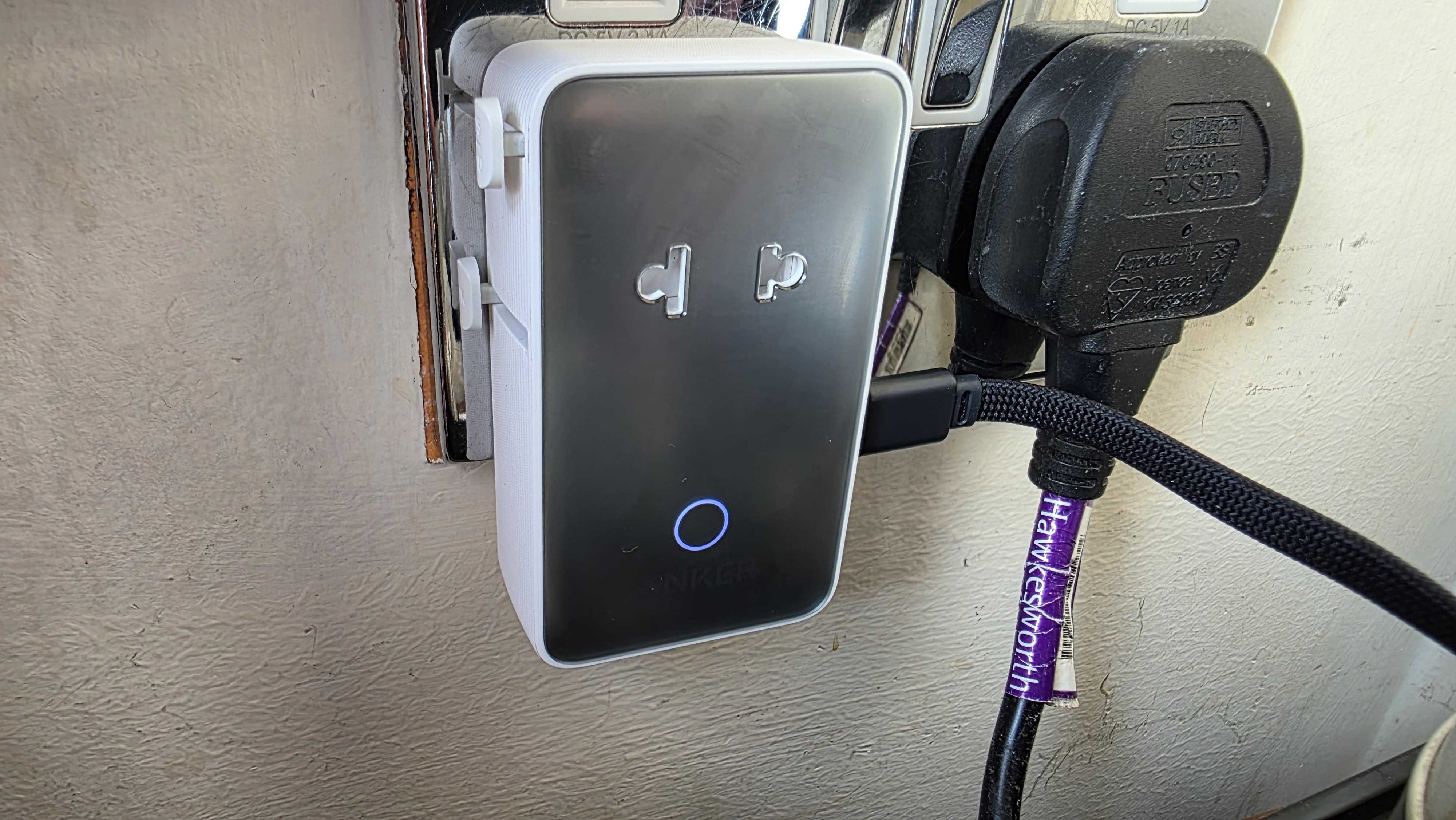
Market leaders in the budget peripheral space, such as Anker and 8BitDo, have recently emphasized "modular utility" in their design language. Anker’s move toward slim, travel-friendly adapters that incorporate high-speed USB-C Power Delivery (PD) reflects a shift in consumer expectations: users want fewer, more versatile devices.
Similarly, 8BitDo’s commitment to retro-styled aesthetics combined with high-polling-rate internal sensors (as seen in their R8 mouse) suggests that the "enthusiast budget" market is no longer willing to sacrifice performance for style. These companies are effectively betting that consumers will remain loyal to brands that offer professional-grade features at a price point that doesn’t require a loan.
Implications for the Future of PC Building
The move toward these affordable, highly specialized peripherals has profound implications for the PC community. As the barrier to entry for high-quality tools drops, we are seeing a democratization of "pro-level" desk setups.
- Increased Hardware Longevity: By making tools like SSD cloners and Wi-Fi 6 USB adapters accessible, users are more likely to upgrade and repair existing hardware rather than replacing entire systems.
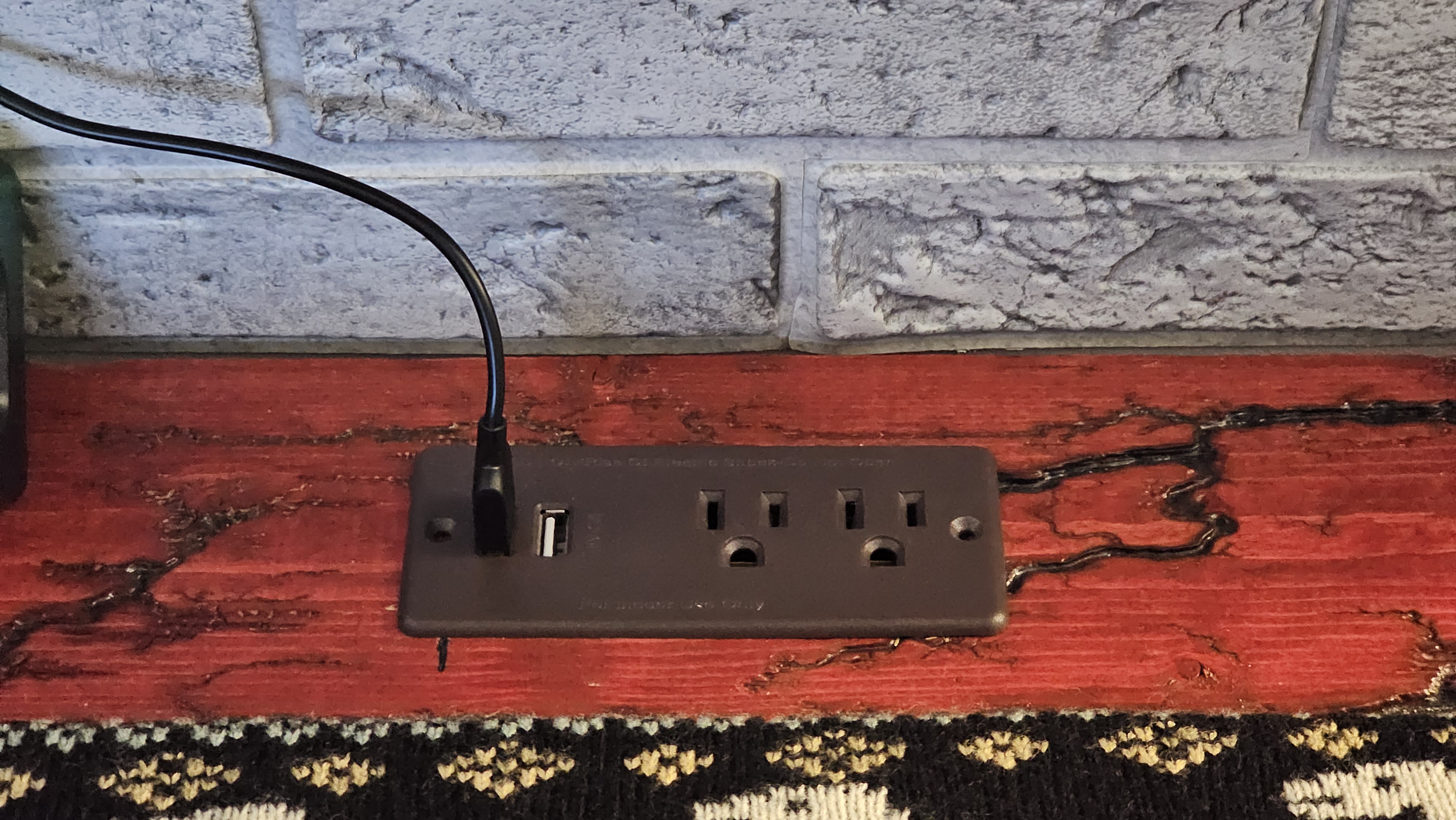
- Cable Management as Standard: With the rising popularity of under-desk cable trays and recessed power strips, the "clean setup" aesthetic is becoming an expectation, not a luxury.
- The "Keyring" Utility: The emergence of compact, high-speed charging cables—like the 240W USB4 cable from EndlesShine—signifies a shift toward a world where the user is prepared for any power scenario, regardless of where they are working.
Final Verdict
If you are looking to spend under $50 this Prime Day, skip the flashy "gaming" accessories that offer nothing but RGB light. Instead, invest in the tools that make your life easier: a faster way to move data, a better way to light your workspace, or a more efficient way to manage your power. These devices are the foundation of a professional, efficient, and enjoyable tech life. They don’t just save you money; they save you the one resource you can never get back: your time.


 Nana Muazin