The countdown to one of the Southern Hemisphere’s most anticipated entrepreneurial events has officially entered its final stretch. Due to an unprecedented surge in interest from the burgeoning tech ecosystems of Australia and New Zealand, the organizers of Startup Battlefield Australia have announced a final extension for application submissions. Founders now have until July 20 to throw their hats into the ring for a chance to secure a platform that has historically served as a launchpad for some of the region’s most successful ventures.
For many early-stage founders, the decision to apply represents more than just a shot at a prize; it is an exercise in ambition. As the deadline looms, the message from the organizing team is clear: this is the final opportunity to enter, and there will be no further extensions.
The Legacy of the Battlefield: A Proven Launchpad
Since its inception in Australia in 2017, the Startup Battlefield competition has evolved from a regional pitch event into a high-stakes arena for future industry leaders. The historical data speaks for itself. Over the last several years, 26 alumni companies have emerged from the competition, collectively raising a staggering $147 million in venture capital.
The success of these alumni is not merely measured in dollars raised, but in the caliber of institutional support they have attracted. Alumni have secured backing from the "who’s who" of the global venture capital landscape, including powerhouses like Y Combinator, Blackbird Ventures, Square Peg Capital, Khosla Ventures, Microsoft, AirTree Ventures, Startmate, Techstars, and SOSV. Furthermore, the program has been a catalyst for exit activity, with three alumni companies already achieving successful acquisitions.
These figures underscore a fundamental truth for the regional startup community: one application, if successful, can fundamentally alter the trajectory of a business. It provides the visibility and validation necessary to move from a promising prototype to a market-leading entity.
Chronology of the Competition
The timeline for this year’s competition is meticulously designed to accelerate the growth of participating startups. Following the close of applications on July 20, the selection committee will undergo a rigorous vetting process to identify the most innovative and scalable solutions.
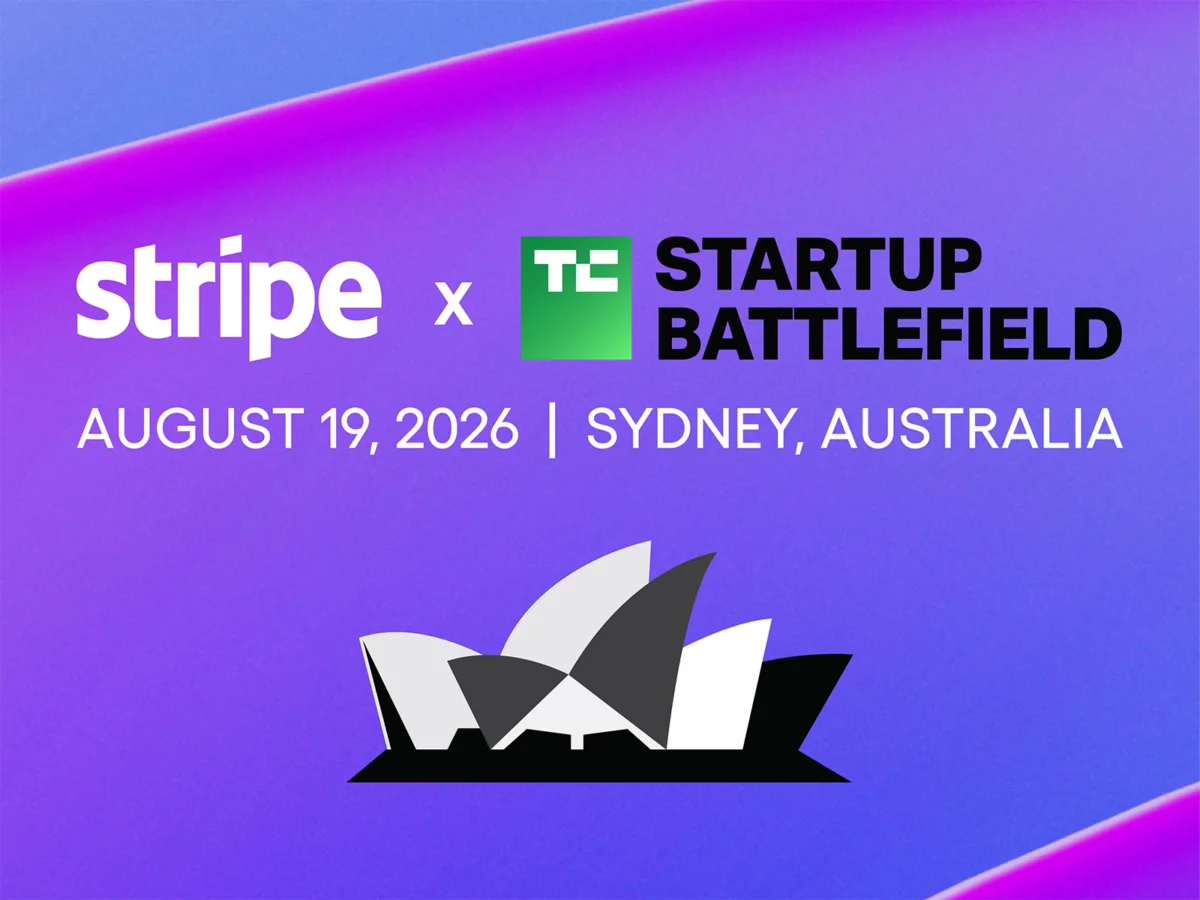
The climax of the selection phase will culminate on August 19, 2026, when eight finalists will take the stage at the Stripe Tour in Sydney. This live, high-pressure environment serves as the ultimate litmus test for founders. It is not merely about the quality of the product, but the ability to articulate a vision, demonstrate market fit, and command the attention of a room filled with influential investors and global media.
The rewards for the victors are substantial. The top three startups will receive up to $15,000 in Stripe fee credits—a vital resource for early-stage companies focused on scaling their payment infrastructure. However, the true "grand prize" is a fast-track to the global stage: automatic entry into the Startup Battlefield 200 at TechCrunch Disrupt in San Francisco this coming October. By bypassing the traditional, grueling application rounds for Disrupt, the winner earns an immediate, prestigious seat at one of the world’s most significant startup gatherings.
Why the Current Ecosystem Demands Action
The decision to extend the application window reflects the current state of the startup ecosystem in Australia and New Zealand. As these regions continue to mature, the quality of "ambitious builds" has seen a marked increase. Investors are looking for more than just code; they are looking for defensible intellectual property, sustainable business models, and founders who possess the resilience to navigate a volatile economic landscape.
For a startup, the value of participating in a platform like Startup Battlefield goes beyond the prize money. It is an opportunity to compress years of networking into a few high-impact days. When a founder pitches on this stage, they are not just talking to a panel; they are engaging with a global audience of venture capitalists, potential corporate partners, and peers.
The competition is specifically looking for early-stage startups that possess:
- Scalability: A model that can grow beyond local borders.
- Market Insight: A deep understanding of a specific, underserved pain point.
- Technical Excellence: A robust product foundation that can handle rapid growth.
- Visionary Leadership: Founders who can articulate not just what their company is today, but what it will be in five years.
Official Perspective: The Role of the Curator
At the helm of this operation is Isabelle Johannessen, who leads Startup Battlefield. Her mandate is to scout the most promising talent across 99+ countries, preparing them for the intense scrutiny of the Disrupt stage. Her background—ranging from designing international acceleration programs in Japan and Korea to her past experience as a professional singer—provides a unique perspective on what it takes to stand out.
"We aren’t looking for household names; we are looking for the next household name," Johannessen explains. Her philosophy centers on the marriage of "strategic rigor and stage presence." According to Johannessen, a successful pitch is a blend of hard data and compelling storytelling. For those interested in verifying the legitimacy of the program or seeking guidance on the mission of the Battlefield, Johannessen encourages direct engagement via her professional contact channels. Her work in helping founders enter the U.S. market has been instrumental in the global success of many past participants.
The Implications of Participation
What does it mean for an Australian or New Zealand startup to be "Battlefield-ready"? It implies a level of preparedness that transcends the pitch deck. It signifies that the company has reached a stage of maturity where it is ready to handle the scrutiny of the global market.
For many, the fear of rejection or the "imposter syndrome" associated with such high-profile competitions acts as a deterrent. However, the organizers emphasize that the process is designed to be inclusive of those who have the grit to build something ambitious, regardless of their current brand recognition. The program is free to apply, and notably, no equity is taken from participants—a rarity in the modern acceleration landscape. This structure is intended to ensure that the competition remains a meritocracy, open to the most innovative minds regardless of their current funding stage or capital reserves.
Conclusion: The Final Window
The extension of the application deadline to July 20 represents a genuine, final opportunity for founders who may have been on the fence. In the world of venture capital and startup growth, timing is often the difference between being a "could have been" and a "market leader."
The infrastructure for success is already in place: the mentors, the media reach, the investor access, and the path to San Francisco are all prepared. The only variable that remains is the application itself. For those building the next generation of technology in the Pacific, the question is no longer whether they are ready for the stage, but whether they are willing to take the step to claim it.
As the calendar approaches the new July 20 deadline, the message remains constant: the opportunity is real, the stakes are high, and the path to global recognition starts with a single, decisive submission. Do not wait for further extensions; they are not coming. This is the moment to define the next chapter of your startup’s journey.