The B2B marketing landscape is undergoing a profound metamorphosis. As we cross the threshold into 2025, the rigid, sterile corporate communication styles of the past are rapidly losing their effectiveness. Today’s professional buyers are consuming content with the same expectations for authenticity, speed, and emotional resonance as retail consumers. For B2B organizations, the mandate is clear: adapt to the evolving digital social ecosystem or risk obsolescence.
Based on recent insights from the Netline B2B Content Consumption Report and expert discourse from the Social Pros podcast, it is evident that the intersection of technology and human-centric storytelling is the new frontier. This report outlines the critical trends shaping the year ahead and provides a strategic framework for modern B2B teams.
The Core Shift: From Corporate Monologue to Human Dialogue
The primary trend defining 2025 is the pivot toward radical authenticity. B2B brands are shedding their "corporate mask" in favor of approachable, human-centric messaging. This transition mimics the highly successful strategies of B2C marketing, where the focus is not merely on the product’s features, but on the narrative behind the problem it solves.
The Psychology of Authenticity
Why does this shift matter? Data indicates that buyers are increasingly wary of polished, over-produced marketing content. They crave "consumer truths"—the raw, unfiltered realities of industry challenges. By showcasing internal values, acknowledging business failures, and celebrating team triumphs, brands can foster the emotional connection necessary to secure long-term loyalty in a crowded marketplace.
Chronology of the 2025 Marketing Evolution
The trajectory of B2B social media has accelerated significantly over the last 24 months.
- 2023: The "AI Experimentation" phase. Brands began testing generative tools for basic copywriting and content ideation.
- 2024: The "Video Primacy" phase. The realization that short-form video was no longer optional for B2B engagement.
- 2025 (Current): The "Strategic Integration" phase. Organizations are now synthesizing AI, influencer partnerships, and multi-format video into cohesive, data-driven omnichannel strategies.
The Video Dichotomy: Short-Form vs. Long-Form
Video content remains the undisputed king of digital engagement, but the "one-size-fits-all" approach is dead. The 2025 playbook requires a bifurcated strategy that leverages both short-form and long-form formats to meet different stages of the buyer’s journey.
The Power of Short-Form
Short-form content—think TikTok, Instagram Reels, and LinkedIn Shorts—serves as the top-of-funnel magnet. With 72% of B2B marketers reporting success in lead generation via these formats, the data is undeniable.

- Function: Ideal for quick tips, "behind the curtain" office culture, and real-time reactions to industry news.
- Strategy: Keep it under 60 seconds. The goal is to stop the scroll and provide an immediate "aha!" moment.
The Authority of Long-Form
Conversely, long-form content (webinars, deep-dive YouTube interviews, and podcasts) is the primary vehicle for building institutional authority. Industry leaders like Salesforce and HubSpot have mastered the art of using long-form video to provide comprehensive product demos and complex thought leadership. This content depth is essential for mid-to-late-funnel prospects who need to justify a purchase decision to their internal stakeholders.
Supporting Data: Why Strategy Must Be Evidence-Based
According to the latest industry reports, the consumption habits of B2B decision-makers are shifting toward on-demand, peer-verified content.
- Trust over Advertising: 68% of buyers state that they prefer to learn about a product through a series of "thought leadership" content pieces rather than a direct advertisement.
- Influencer Impact: B2B influencer partnerships have seen a 40% increase in conversion rates compared to traditional brand-led social ads.
- The AI Efficiency Gap: Brands that have fully integrated AI into their content workflows report a 30% reduction in production time, allowing their teams to focus on strategy rather than repetitive manual tasks.
Official Perspectives: Expert Insights on the New Era
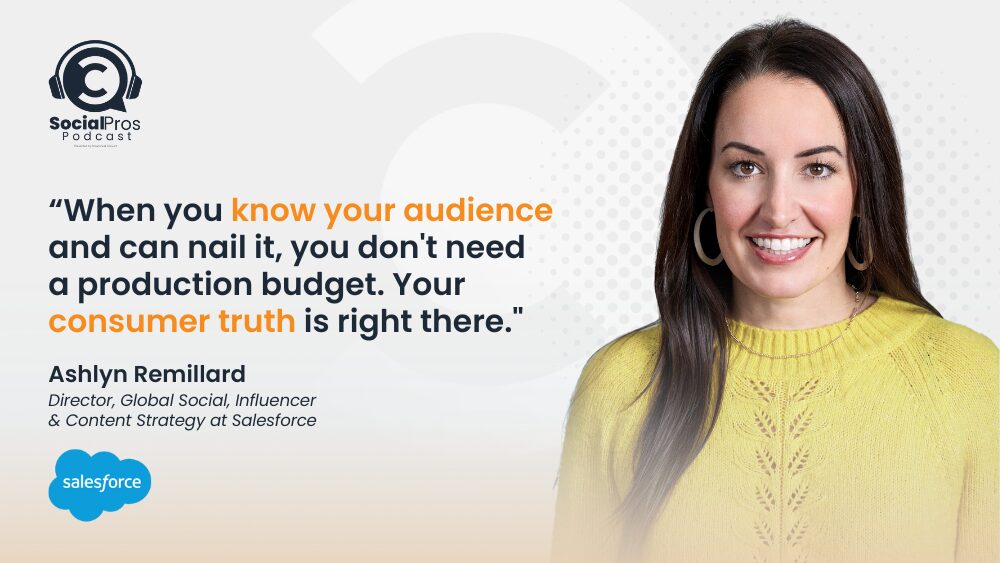
In a recent episode of the Social Pros podcast, strategists from Convince & Convert emphasized that the "production budget" is no longer the primary driver of success. Ashlyn Remillard of Salesforce noted, "When you know your audience, and can nail it, you don’t need a production budget. Your consumer truth is right there."
This sentiment is echoed by industry leaders who argue that the biggest mistake B2B firms make is trying to compete with cinematic production values when they should be competing on the depth and relevance of their industry insights.
Strategic Pillars for 2025
1. The Rise of the B2B Influencer
Influencer marketing is no longer a B2C luxury; it is a B2B necessity. Partnering with subject matter experts (SMEs) and niche industry voices allows brands to bypass traditional trust barriers. When an expert in your field endorses your solution, they lend you their credibility, effectively shortening the sales cycle. The Oracle "On the Fly" series serves as a gold-standard case study, where 30 industry influencers were leveraged to create content that drove record-breaking traffic to their primary digital channels.
2. AI-Driven Personalization
AI is moving beyond text generation. In 2025, it is becoming an analytical engine for:
- Predictive Timing: Identifying exactly when your specific audience is most active and receptive.
- Sentiment Analysis: Using AI to monitor the "temperature" of the market regarding specific pain points.
- Hyper-Personalized Content: Automatically adapting messaging to suit different segments of your CRM list.
3. Hyper-Focus on Pain Points
The most successful B2B content in 2025 is not "product-centric"; it is "problem-centric." By framing content around the granular, day-to-day challenges of your target persona, you position your brand as a consultant rather than a vendor. Whether it is an ebook on "Overcoming Regulatory Compliance Hurdles" or a video series on "Solving Supply Chain Bottlenecks," the goal is to be the resource that makes your customer’s job easier.
Implications for the Modern Marketing Department
The implications for marketing leaders are clear: The siloed approach to social media is over.
For an organization to thrive in 2025, the social team cannot operate in a vacuum. It must be integrated with sales (to understand the customer’s actual pain points), product (to explain the value proposition), and data analytics (to measure the ROI of these human-centric initiatives).
Key Takeaways for Management:
- Invest in internal talent: Empower your own subject matter experts to become the "faces" of the brand.
- Audit your tools: Ensure your tech stack supports both the rapid production of short-form video and the analytical requirements of AI-driven personalization.
- Prioritize long-term relationships: Shift KPIs away from vanity metrics (likes/views) toward engagement quality and direct contributions to the sales pipeline.
As we navigate the complexities of 2025, the brands that win will be those that view social media not as a broadcasting channel, but as a community space. By combining the precision of AI-driven data with the raw, authentic storytelling of a human-centric approach, B2B marketers can transcend the limitations of the past and build lasting influence in the digital age.
The transition to this new model requires courage—the courage to step away from the "corporate safe zone" and into the reality of your customer’s professional world. Those who take this leap will not only remain competitive; they will set the standard for their industries.