
 Muslim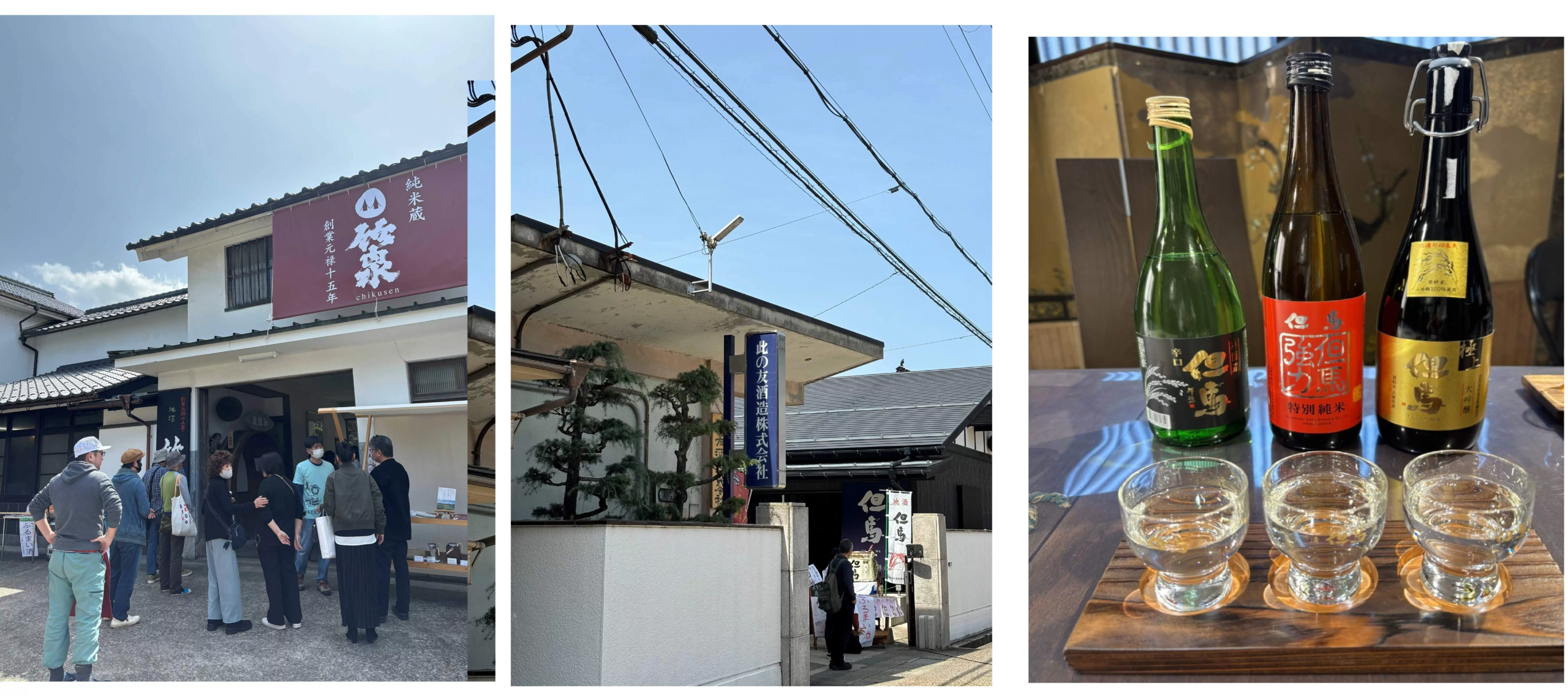
For millions of travelers, Kyoto represents the quintessential Japanese experience—a city of vermilion shrines, silent bamboo groves, and historic tea houses. However, as tourism numbers reach record highs, seasoned travelers are increasingly looking for ways to escape the bustle without sacrificing the depth of their cultural immersion.
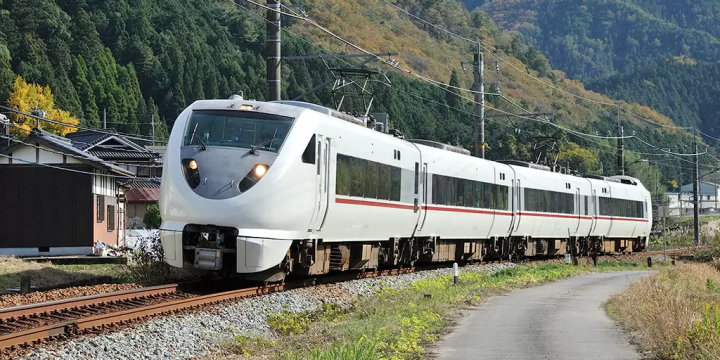
Just 60 to 180 minutes by train from the heart of Kyoto lies a region of hidden gems: the rugged coastlines of the Sea of Japan, historic castle towns, and pastoral landscapes that remain largely untouched by mass tourism. The key to unlocking this northern frontier is the JR-WEST Rail Pass—a strategic tool for those seeking both efficiency and affordability in their Japanese journey.

Main Facts: The Strategic Advantage of the JR-WEST Pass
The JR-WEST Rail Pass is a specialized travel product designed exclusively for short-term international visitors. By consolidating the cost of regional rail travel into a single, flat-rate ticket, the pass provides a significant hedge against the rising costs of individual shinkansen and express train fares.

The Two Pillars of Regional Travel
- Kansai Area Pass: Designed for shorter trips, this pass offers one-day unlimited travel starting at just 2,800 yen. It is ideal for day-trippers focusing on the immediate vicinity of Kyoto, Osaka, and Nara.
- Kansai Wide Area Pass: The preferred choice for those looking to venture further north. Priced at 12,000 yen for five consecutive days of unlimited travel, this pass covers a massive geographical footprint, including access to the remote northern reaches of Hyogo and Kyoto prefectures.
These passes effectively turn the entire Kansai region into a manageable playground. For travelers who utilize the express trains connecting Kyoto to the northern coast, the 12,000-yen investment often pays for itself in just two round trips.

Chronology of Discovery: A Five-Day Itinerary Through Northern Kinki
To maximize the potential of the Kansai Wide Area Pass, we have outlined a strategic five-day route that balances historical exploration with natural beauty.

Day 1: The Maritime History of Nishi-Maizuru
Located 90 minutes from Kyoto by direct express, Nishi-Maizuru offers a glimpse into authentic Japanese coastal life. Upon arrival, the most efficient way to explore is via bicycle rental from the station. The "Yoshiwara Irie" fishing district remains a highlight, featuring traditional wooden houses that line the canal—a stark, peaceful contrast to the tourist-heavy streets of central Kyoto. The Maizuru Port Toretore Center serves as the day’s culinary anchor, offering a "cook-on-the-spot" experience where visitors can grill fresh, locally caught seafood.

Day 2: Red Bricks and Navy Traditions
Just 10 minutes further into the Maizuru area lies the Red Brick Park. This site, a testament to Japan’s Meiji-era industrialization, houses 12 preserved warehouses that have been repurposed into cultural spaces. The photogenic red-brick architecture is a dream for photographers, while the local "Maizuru Navy Curry"—a culinary tradition stemming from the city’s historic role as a naval hub—offers a savory taste of history.

Day 3: Fukuchiyama – The Gateway to the North
Located 80 minutes from Kyoto, Fukuchiyama serves as the primary logistical hub for the northern Kinki region. From here, the express network branches out: Amanohashidate is one hour away, while the famed Kinosaki Onsen is just 75 minutes. Fukuchiyama Castle, the only castle tower in northern Kinki, serves as a central landmark. The site is particularly stunning during the spring, when the surrounding cherry blossoms frame the stone walls in a classic Japanese tableau.

Day 4: The Sake Breweries of Asago
While the world looks to Fushimi or Nada for sake, the small town of Yanase in Asago City offers a more intimate experience. Two breweries stand facing each other, both utilizing the same Hyogo-grown rice and local spring water, yet producing distinct flavor profiles due to their individual brewing techniques. Accessible via a 10-minute transit from Wadayama station, this is an essential stop for those looking to understand the nuance of regional sake production.

Day 5: The Clouds of Takeda and the Terraces of Yabu
The grand finale involves visiting the "Castle in the Sky." Takeda Castle Ruins, located roughly two hours from Kyoto, is a bucket-list destination. Between September and November, atmospheric conditions often create a sea of clouds that envelopes the mountain, making the ruins appear as if they are floating. To complete the trip, travelers can head to the Bekku Rice Terraces in Yabu City, where the pristine agricultural landscape mirrors the beauty of a bygone Japan.

Supporting Data: Why Regional Passes Matter
The economic impact of the JR-WEST Rail Pass is supported by the changing demographics of Japan’s tourism sector. Data indicates that international visitors who venture beyond the "Golden Route" (Tokyo-Kyoto-Osaka) tend to stay 30% longer and spend more on local experiences rather than international retail brands.

The 12,000-yen cost for the five-day Wide Area Pass covers not just the transit to the destination, but the freedom to pivot plans based on weather or local events. This flexibility is a premium service that individual point-to-point tickets cannot provide.

Official Perspectives: Promoting Sustainable Tourism
Representatives from the West Japan Railway Company (JR-West) have emphasized that the promotion of these passes is part of a broader "Sustainable Tourism" initiative. By incentivizing travel to the northern regions, the company aims to alleviate the infrastructure pressure on Kyoto City while boosting the local economies of the rural prefectures.

"The goal is to redistribute the tourism load," says an official from the regional tourism board. "Northern Kinki has the historical weight and the natural scenery, but it lacks the visitor flow of the south. The pass is our way of bridging that gap, offering the traveler a better experience while supporting rural communities that thrive on regional tourism."

Implications for Future Travel
The rise of the JR-WEST Rail Pass signifies a shift in how we approach Japan. The era of the "rushed traveler" is fading, replaced by a demand for "slow travel." As infrastructure continues to improve, the accessibility of remote regions like Yabu and Kasumi will only increase, potentially turning these "hidden spots" into mainstream attractions.

For now, the northern Kansai region remains a sanctuary. It is a place where the train whistle sounds a bit lonelier, the mountains hold more secrets, and the history is written in red brick and castle stone rather than in gift shops and crowds. By investing in the Kansai Wide Area Pass, you are not just buying a train ticket; you are securing an invitation to the Japan that exists just beyond the map.
Essential Tips for Your Journey:
- Booking: Always purchase your pass online via the official JR-WEST website prior to departure to secure the best rates.
- Logistics: While the pass covers most trains, ensure you check the specific train schedules for your express connections, as frequencies can be lower in rural areas compared to the Shinkansen lines.
- Connectivity: Pack a portable Wi-Fi device or a robust data roaming plan, as some of the more rural northern stations may have limited English-speaking signage.


 Neng Nana
 Asro
Asro





