Dwi Wanna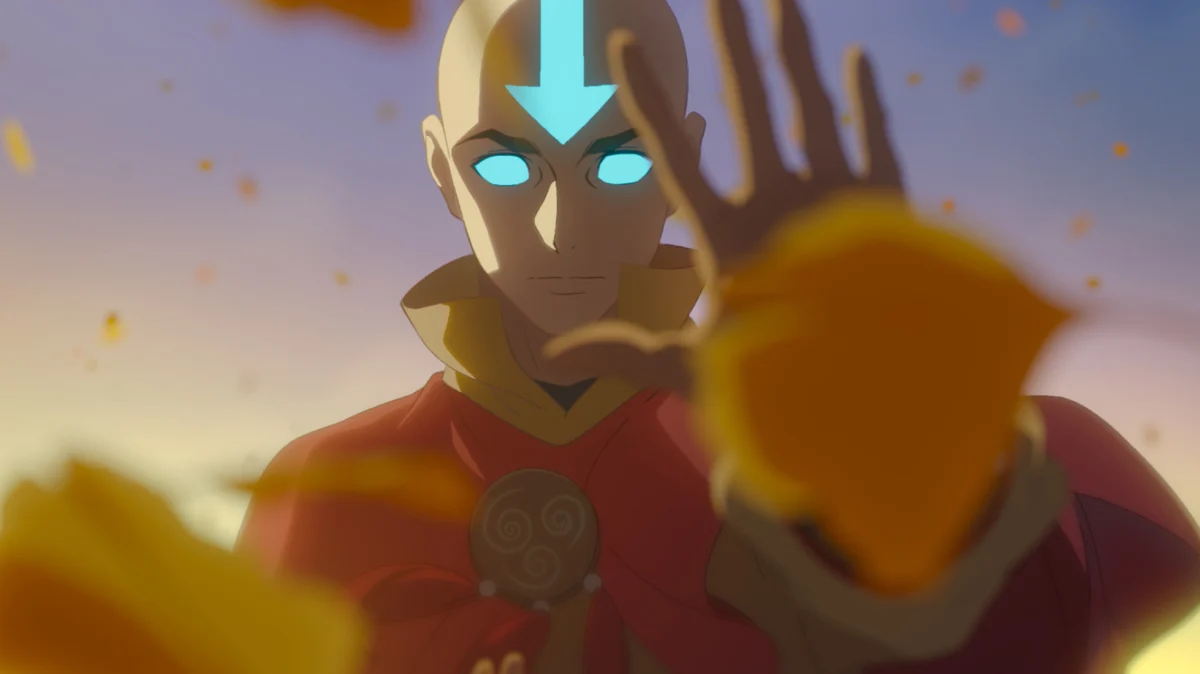
The world of animation is currently reeling from a decision that many industry insiders and fans are calling a catastrophic failure of stewardship. Paramount’s handling of the highly anticipated feature-length film Avatar Aang: The Last Airbender has transitioned from a story of creative excitement to one of corporate mismanagement. Despite the property standing as one of the most beloved and culturally significant franchises in the history of television, Paramount has opted to bypass a traditional theatrical release, choosing instead to "dump" the film onto its streaming platform, Paramount+, with minimal promotion and a jarringly condensed marketing window.
For a franchise that redefined high-fantasy storytelling, global world-building, and the integration of Asian-inspired mythology and martial arts, this move feels less like a strategic release and more like an act of corporate abandonment. As the first project from the dedicated Avatar Studios, the film was meant to be a triumphant return to the world of Aang, Sokka, Katara, and Zuko—this time as adults. Instead, it serves as a stark reminder of the precarious position animation occupies in the current Hollywood landscape.
The Chronology of a Delayed Production
The trajectory of Avatar Aang: The Last Airbender has been marked by repeated setbacks and shifting goalposts. Originally announced in 2021 with immense fanfare, the film was positioned as the cornerstone of a new era for Nickelodeon and the newly formed Avatar Studios. However, the path to the screen has been anything but smooth.
Initially slated for an October 2025 theatrical release, the project faced its first significant hurdle when it was pushed to January 2026, and subsequently to October 2026. These delays, while common in high-end animation, signaled internal instability. The situation reached a breaking point in December 2025, when Paramount stunned the industry by announcing the total cancellation of the film’s theatrical rollout, shifting it to a streaming-only model on Paramount+ without an immediate release date.
The timeline took an even more chaotic turn earlier this summer, when the film fell victim to a massive, unauthorized leak that saw the entire movie surface on the internet. In a move that left fans and analysts baffled, Paramount remained silent. Rather than countering the leak with an official trailer or an accelerated marketing campaign to reclaim the narrative, the studio chose to remain largely dormant. Only now, in the eleventh hour, has the studio confirmed a release date: July 25, 2026, following a special screening at San Diego Comic-Con.
High-Quality Animation vs. Low-Tier Marketing
What makes this situation particularly egregious is the quality of the product itself. The recently released trailer provides a glimpse into a film that defies the "straight-to-streaming" stigma. Unlike many low-budget spin-offs that look like extended television episodes, Avatar Aang features the sophisticated, high-fidelity animation one expects from a tentpole theatrical release.
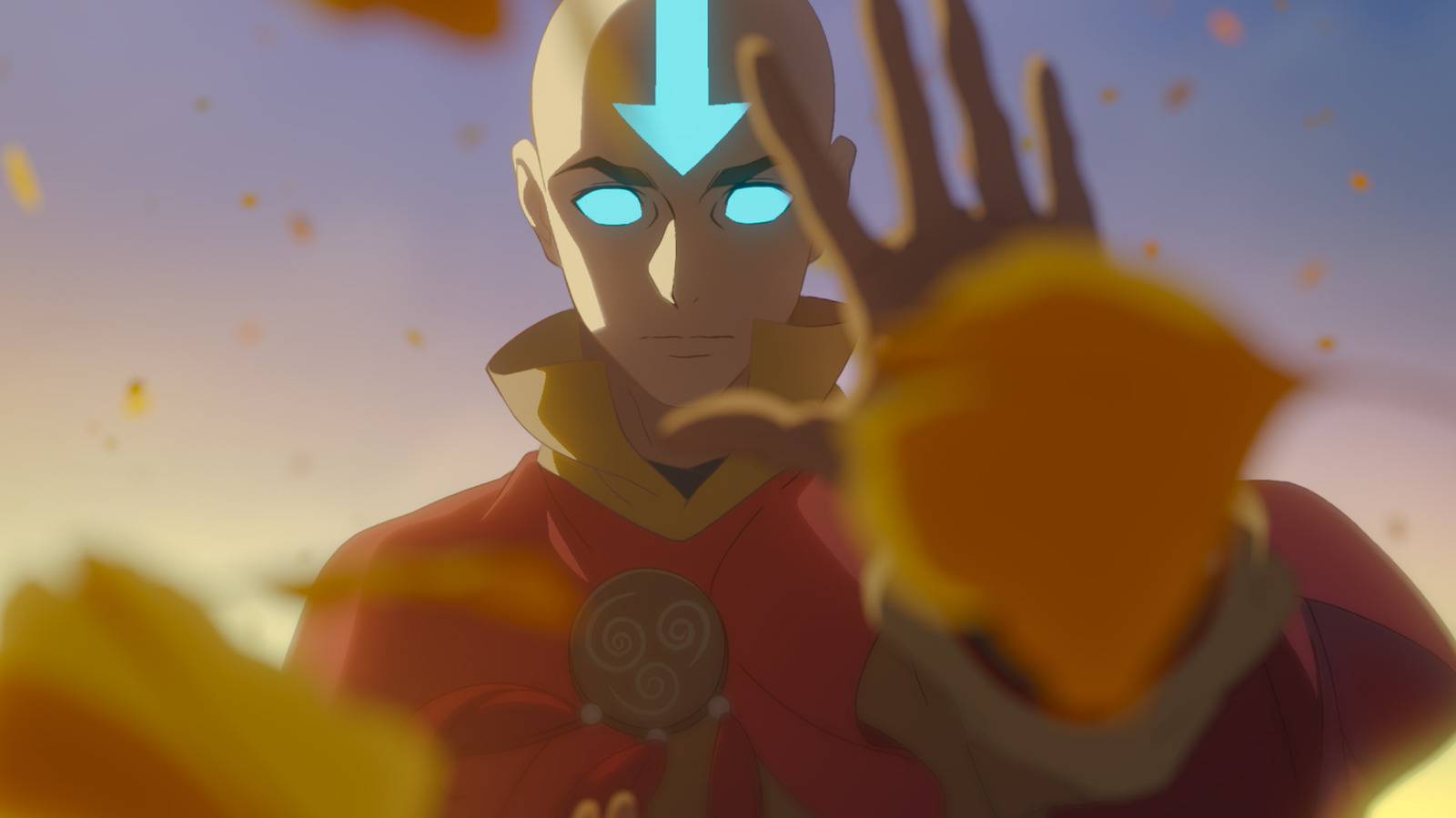
Collaborating with Flying Bark Productions and Studio Mir—two of the most respected animation houses in the industry—the film boasts grand scale, fluid martial arts choreography, and a visual aesthetic that honors the original series while pushing into a more mature, cinematic territory. The trailer teases the discovery of a new airbender—a plot point with the potential to fundamentally rewrite the rules of the Avatar universe—and showcases the natural, heartfelt banter of the original cast as adults. By every technical and creative metric, this is a "proper" movie. By every marketing and distribution metric, it is being treated as an afterthought.
The Broader Context: The "Disposable" Nature of Animation
The treatment of Avatar Aang is not an isolated incident; it is symptomatic of a broader, systemic malaise within major media conglomerates. Over the past several years, the animation industry has witnessed a disturbing trend: the devaluation of animated content by executives who view the medium as a line item to be cut rather than a brand-building powerhouse.
This pattern of "cultural vandalism" has been most visibly practiced by entities like Warner Bros. Discovery, under the leadership of David Zaslav, where completed films were shelved for tax write-offs and historic shorts were scrubbed from streaming libraries. Paramount, clearly, has adopted a similar philosophy. By prioritizing short-term balance sheets over the long-term health of their intellectual property, these studios are actively alienating their most dedicated fanbases.
For Avatar Studios, which was established specifically to cultivate the Avatar universe, this is a demoralizing blow. The studio was promised the resources and the platform to expand upon a legendary legacy; instead, they have been relegated to the digital equivalent of the bargain bin.
The Economic and Strategic Implications
From an analytical standpoint, Paramount’s strategy appears counterintuitive. In an era where franchises are the lifeblood of studio profitability, Avatar is a brand with a proven, multi-generational following. A theatrical release, even in a competitive market, would have provided a halo effect for the brand, driving merchandise sales, subscriber retention, and long-term interest in future projects.
By dumping the film onto Paramount+ with less than three weeks of lead time, the studio has effectively kneecapped the film’s potential for cultural penetration. The lack of a robust promotional campaign ensures that the movie will be seen primarily by existing subscribers, failing to capture the casual audience that a theatrical marketing blitz would have generated.
Furthermore, this "dumping" approach undermines the morale of the creative teams involved. When talented artists, animators, and writers spend years pouring their craft into a project, only to see it buried by a studio that refuses to back it, it creates a toxic environment that discourages top-tier talent from engaging with those studios in the future.
Looking Toward the Future
As the July 25 release date approaches, the mood among the Avatar community is one of frustrated resignation. Fans are planning to support the film, not because of the studio’s efforts, but in spite of them. There is a deep, abiding love for Aang and his world, and the audience remains hungry for more content—a reality that Paramount seems to both understand and completely disregard.
The implications for the Avatar franchise moving forward are significant. If this film underperforms, it is inevitable that the studio will blame the brand’s "diminishing returns" rather than acknowledging their own refusal to market the product. This creates a dangerous cycle where successful properties are starved of resources, eventually leading to their stagnation.
Ultimately, the release of Avatar Aang: The Last Airbender will stand as a case study in how not to manage a legacy franchise. While the film may prove to be a beautiful and satisfying conclusion to this chapter of the Avatar saga, the shadow cast by Paramount’s mismanagement will be difficult to ignore. In the battle between corporate bottom lines and the integrity of a beloved artistic world, it seems that for now, the suits have won—at the expense of the very fans who have kept the spirit of Avatar alive for two decades.


 Rifan Muazin
 Nila Kartika Wati