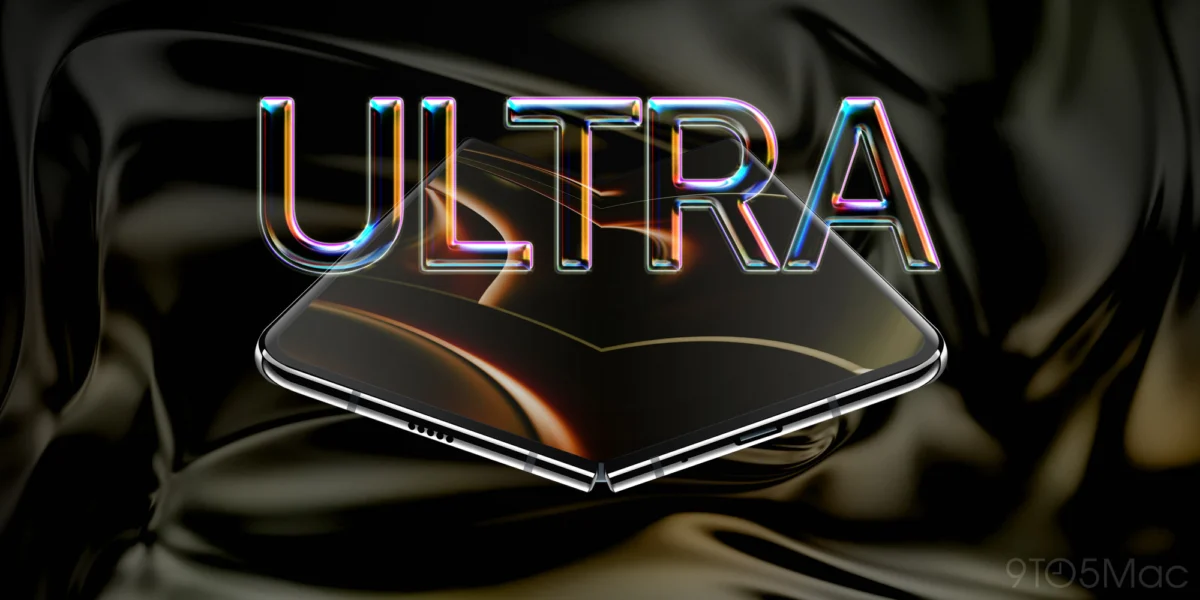
The long-standing speculation surrounding Apple’s first foray into the foldable smartphone market—the highly anticipated "iPhone Ultra"—has reached a fever pitch. While earlier reports from various industry analysts suggested that technical hurdles and engineering challenges might push the device’s debut into 2027, a new wave of information from the supply chain indicates that Apple remains firmly on track for a September launch.
This report, corroborated by multiple manufacturing sources, clarifies that the production cycle is not only active but has entered its peak phase. For Apple, this marks a pivotal moment: the introduction of a new form factor designed to reclaim the premium smartphone narrative and challenge the dominance of competitors like Samsung. However, while the release date appears settled, the "Ultra" status of the device suggests that availability will remain a significant point of contention for early adopters.
Main Facts: The September Reality
The consensus among key stakeholders in Apple’s supply chain is unequivocal: the iPhone Ultra is moving toward a September release window. Following weeks of market anxiety fueled by rumors of "engineering bottlenecks" and "postponement," the reality on the ground in manufacturing hubs tells a different story.
Multiple suppliers in China, speaking on the condition of anonymity, have confirmed that their production schedules remain unchanged. According to these entities, the development and assembly lines have transitioned into "peak production" mode. When asked directly about the feasibility of a September arrival, industry insiders characterized the timeline as "no problem," dismissing the earlier speculation as misinformed.
This confirmation is vital because it aligns with Apple’s traditional hardware release cadence. By launching in September, Apple intends to position the foldable device alongside its flagship iPhone lineup, ensuring that the Ultra is not merely a niche accessory but a central pillar of its annual hardware strategy.
A Chronology of the Foldable Rumor Mill
To understand the significance of this latest update, one must look at the volatile timeline that preceded it. The narrative surrounding the iPhone Ultra has been a rollercoaster of conflicting reports over the last twelve months.

Early 2026: The "Delayed" Narrative
In March 2026, initial rumors suggested that the foldable device might be delayed by several months, potentially launching well after the iPhone 18 Pro. This sparked concerns that Apple’s entry into the foldable space was facing the same "teething issues" that plagued early iterations from competitors, such as display creasing or hinge durability.
April 2026: The 2027 Uncertainty
By April, the situation appeared more dire. Some industry analysts suggested that the project could be pushed back to 2027 due to persistent engineering problems. These reports gained traction because they were consistent with Apple’s known approach of "waiting for perfection" rather than rushing an unpolished product to market.
June–July 2026: The Correction
The tide began to turn in late June, as the supply chain started to push back against the doom-and-gloom forecasts. By early July, the Cailian News Agency provided the most definitive counter-report to date. They confirmed that, despite market rumors in early July suggesting production capacity limitations, the industrial machinery was moving forward. The market fear that only 500,000 to 1 million units could be produced in the third quarter—which was initially cited as a reason for a delay—appears to have been a misinterpretation of a supply ramp-up, rather than a failure to produce.
Supporting Data: Supply Chain Insights
The data driving this shift in sentiment comes directly from the factories tasked with building the device. The Cailian News Agency report highlights that when investigators reached out to Apple’s primary supply chain partners, the response was a uniform denial of any postponement.
The initial rumors of delay were largely tied to the premise that Apple could only manufacture a limited quantity of foldable units in the early third quarter. Analysts had predicted that these low yields would force Apple to delay the announcement to avoid a PR nightmare regarding stock shortages. However, the supply chain sources have clarified that the current production rate is a planned, phased ramp-up.
It is common for first-generation hardware to have a slower initial production volume to ensure quality control. The mistake made by market analysts was conflating "controlled initial output" with "production failure." By treating the limited launch volume as a deliberate strategic choice rather than a technical failure, the supply chain sources have essentially debunked the rumors that Apple was forced into a delay.
The "Ultra" Implication: Scarcity as Strategy
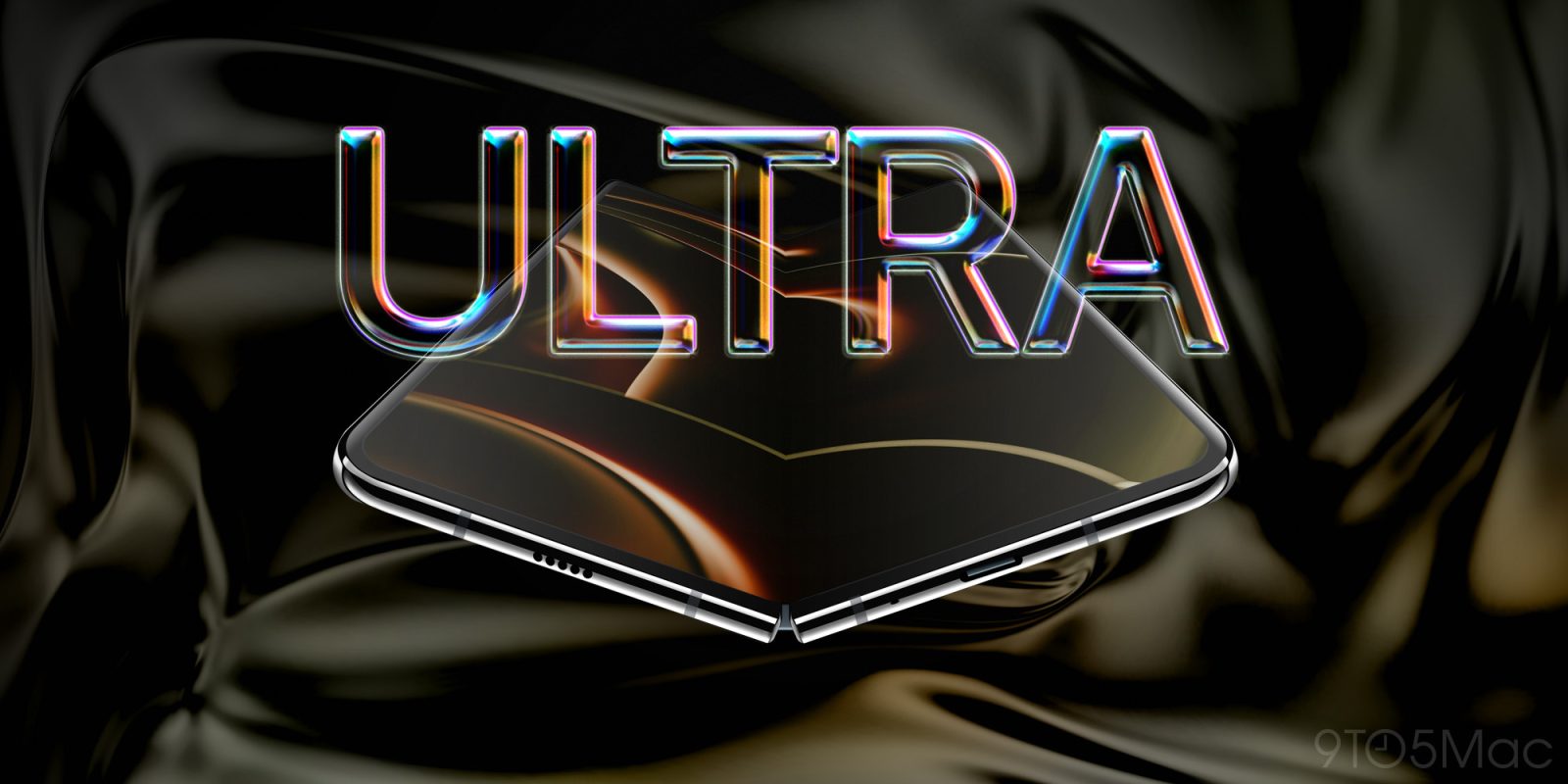
While the "September Launch" is now widely accepted, the conversation has shifted toward the availability of the device. Ming-Chi Kuo, a prominent analyst with a strong track record, has suggested that initial supply will likely fall short of global demand.
Projections indicate that customers could face shipping windows of four to six weeks—or even longer—upon ordering. This creates a fascinating dynamic: is the limited supply a supply chain failure, or is it a calculated feature of the "Ultra" branding?
The Scarcity Effect
From a marketing perspective, extreme scarcity can be an asset. When a company launches a product that is perceived as the absolute pinnacle of technology, scarcity functions as a badge of prestige. It reinforces the "Ultra" branding, turning the device into an exclusive commodity. If everyone could buy an iPhone Ultra on launch day, it would be a commodity. If it takes six weeks of waiting, it becomes an object of desire.
Apple has mastered this "controlled scarcity" model in the past, most notably with the original Apple Watch and various "Pro" series products. By managing expectations through limited initial shipments, Apple avoids the logistical strain of over-producing a complex, expensive, and unproven product, while simultaneously building hype through high demand.
Strategic Implications for Apple
The launch of a foldable iPhone represents the most significant hardware shift for the company since the launch of the original iPhone. It is not just about a new hinge or a flexible screen; it is about protecting the "Apple ecosystem" against the growing threat of foldable Android devices that have been capturing the "power user" segment of the market.
Competitive Positioning
Competitors like Samsung, Google, and various Chinese manufacturers have had a multi-year head start. They have navigated the initial challenges of foldable screens, and their hardware is now entering its fourth or fifth generation. For Apple, the challenge is not just to match this technology, but to leapfrog it. The "Ultra" branding implies that Apple is not just interested in providing a folding screen, but in providing a superior user experience—likely through tighter software integration, a more durable hinge mechanism, and advanced display technology that minimizes the "crease" that plagues current market offerings.

The Financial Impact
The iPhone Ultra is expected to carry a significant price premium, likely placing it well above the current Pro Max models. This will serve two purposes:
- Margin Expansion: High-end, luxury hardware provides higher margins, which is essential for maintaining growth in a saturated smartphone market.
- Brand Differentiation: It creates a clear "Ultra" tier, allowing Apple to segment its customer base more effectively.
Final Thoughts: The Path Forward
As we move into late summer, the focus will shift from "Will it be delayed?" to "Will it be worth the wait?"
The supply chain has spoken: the iPhone Ultra is coming in September. The machinery is in place, the production is peaking, and the logistical wheels are turning. Whether the device meets the lofty expectations of the Apple fanbase remains to be seen, but one thing is certain: Apple is ready to enter the fray of the foldable market.
While a four-to-six-week shipping delay may frustrate some, it will likely serve as the ultimate test of brand loyalty. For those who manage to secure one of the first units, the iPhone Ultra will be more than just a smartphone—it will be a symbol of the next decade of mobile computing. The "Ultra" era is nearly here, and if the latest supply chain reports are to be believed, the wait will be over by the time the leaves begin to turn in September.