

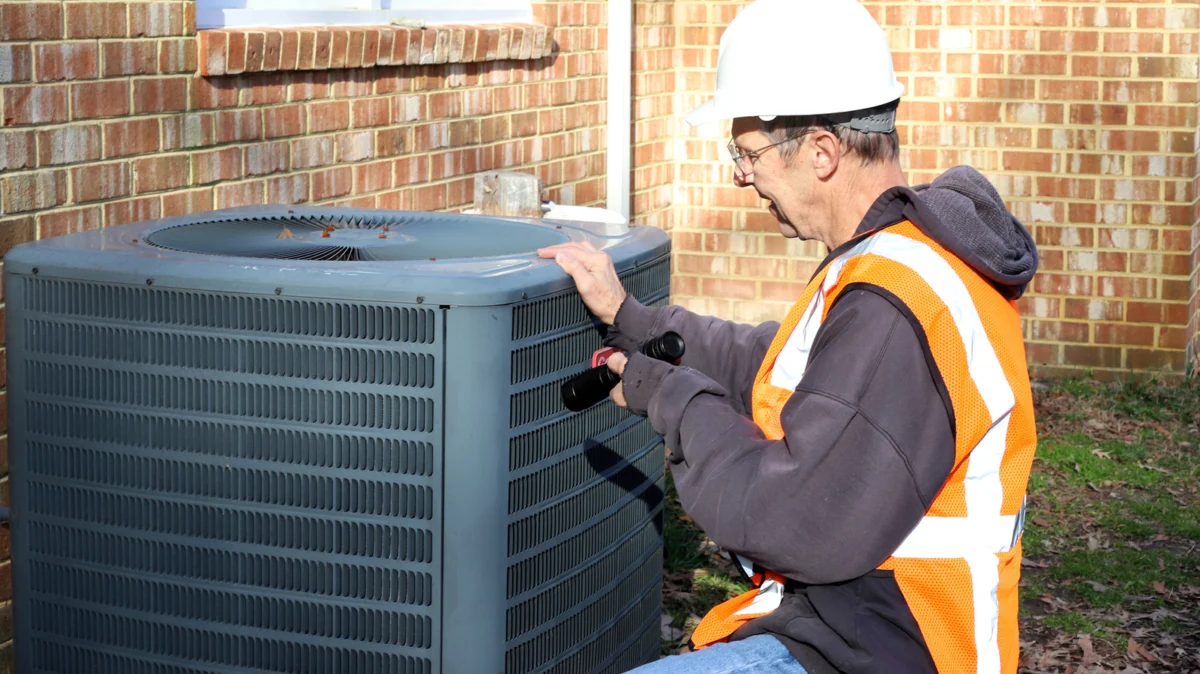
As the mercury climbs and summer heat waves become increasingly frequent and intense, the unsung hero of the modern household—the air conditioning system—is often pushed to its absolute limit. While we rely on these systems to provide a sanctuary from the sweltering outdoor environment, the extreme thermal load can place immense stress on mechanical components, leading to accelerated wear and, eventually, critical failure.
Understanding the delicate balance of an HVAC system is essential for any homeowner. When temperatures reach record-breaking highs, your AC unit doesn’t just work; it struggles. Recognizing the subtle—and sometimes overt—indicators of system distress can be the difference between a simple, inexpensive maintenance visit and a catastrophic, costly total system replacement in the heat of the season.
The Mechanics of Thermal Stress: Main Facts
At its core, an air conditioning system functions by transferring heat from the interior of your home to the outside. This process relies on a complex cycle involving refrigerant, compressors, coils, and fans. Under normal summer conditions, the system operates in cycles, allowing components to rest and cool down periodically.
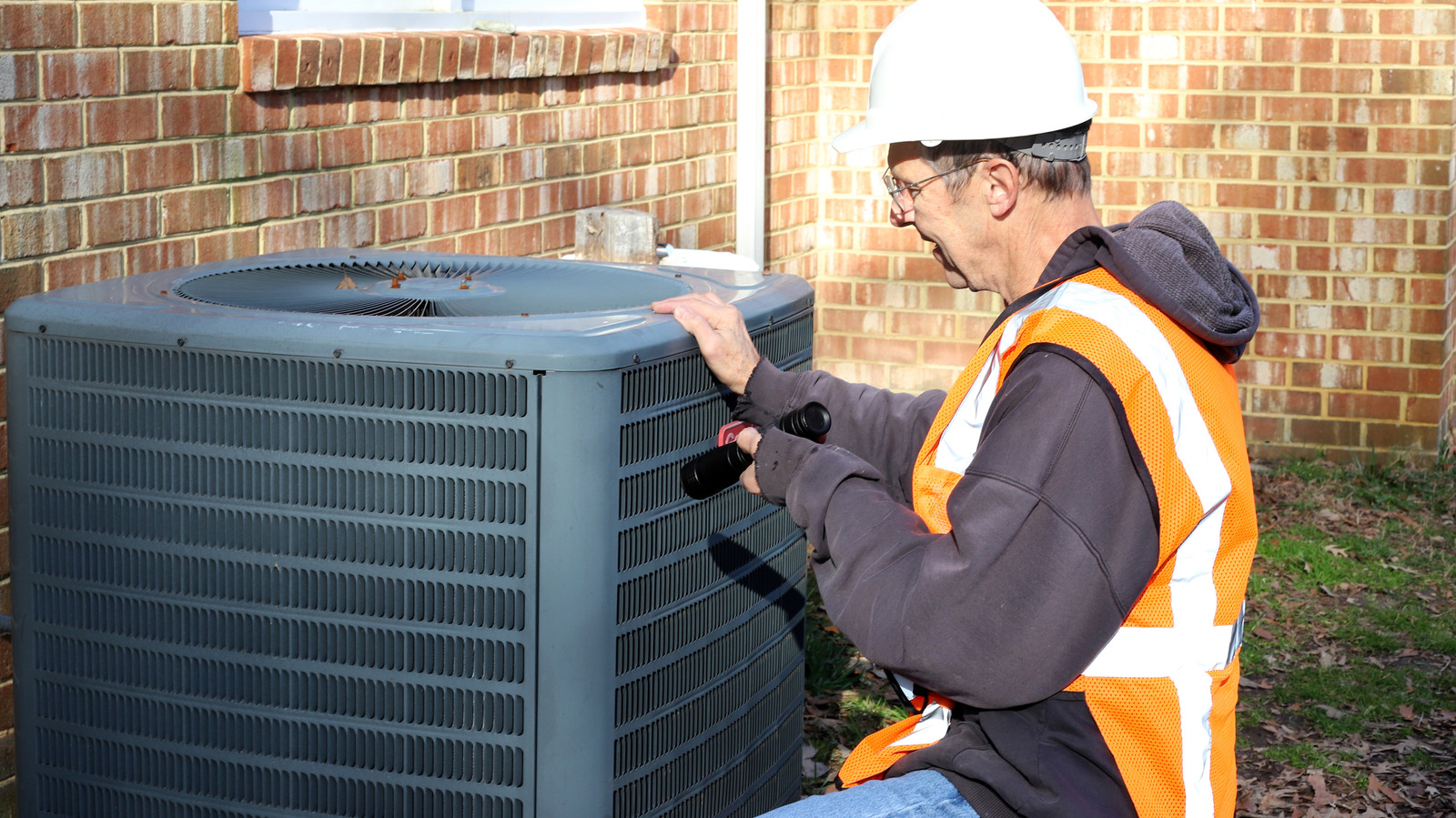
However, during extreme heat, the temperature differential between the indoor set point and the outdoor ambient air becomes massive. This forces the system to run near-continuously, preventing the natural recovery time required to maintain mechanical longevity. As the unit labors under these conditions, the probability of electrical failure, motor burnout, or refrigerant leaks rises exponentially. Homeowners must move beyond the "set it and forget it" mentality and become active observers of their cooling equipment’s performance.
A Chronological Descent: The Path to Failure
The failure of an HVAC system is rarely an overnight event. It is usually a progressive decline that homeowners often mistake for "just a really hot day."
- Phase 1: Subtle Inefficiency. Initially, the system begins to run slightly longer than usual to reach the desired temperature. Homeowners often ignore this, attributing it to the rising external heat.
- Phase 2: Performance Degradation. As components like capacitors or compressors begin to weaken, the air quality—specifically the temperature drop—begins to diminish.
- Phase 3: The Mechanical "Cry for Help." This is where physical symptoms appear: reduced airflow, strange auditory signals, or the buildup of ice.
- Phase 4: Critical Failure. The system finally shuts down to protect itself from permanent motor damage, or worse, continues to run until a component physically ruptures or burns out.
Identifying these signs during the early stages of Phase 3 is critical to preventing the final, terminal phase of the machine’s life.
The Five Red Flags of AC Distress
1. The "Warm Air" Phenomenon
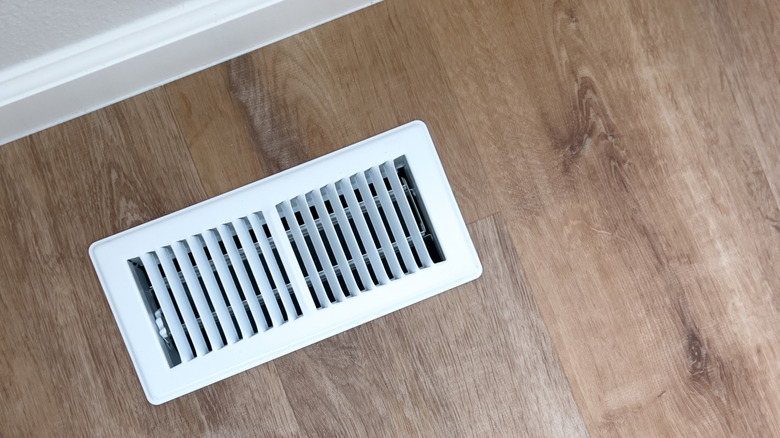
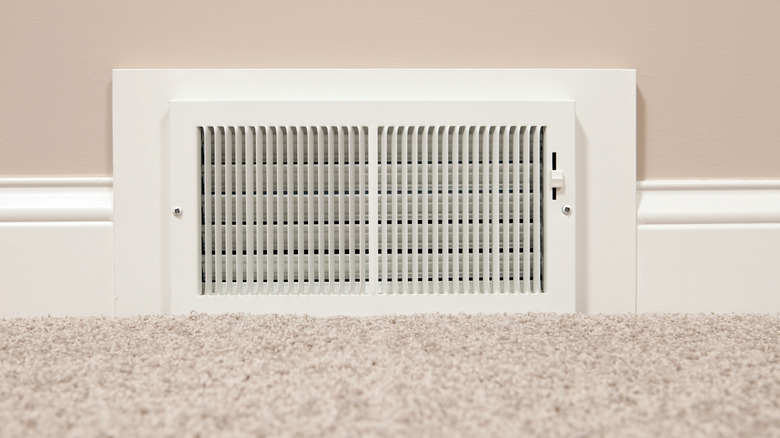
The most intuitive sign of a failing AC unit is the delivery of warm air through your vents. While it is common for the air to feel less frigid during a heat wave, it should never feel warm. If the air temperature at the register is near room temperature, your system has likely lost its ability to properly transfer heat. This is often linked to a refrigerant leak or a failing compressor. When the refrigerant level is low, the cooling cycle becomes inefficient, and the compressor must work twice as hard to achieve a fraction of the result, creating a cycle of failure that compounds itself.
2. The Dangers of Restricted Airflow
Airflow is the lifeblood of your HVAC system. If the air coming out of your vents feels like a weak breeze rather than a robust stream, your system is suffocating. Restricted airflow is most frequently caused by neglected air filters. A clogged filter acts as a physical barrier, forcing the blower motor to pull with more vacuum pressure than it was designed for. Over time, this causes the motor to overheat and eventually fail. During a heat wave, check your filters monthly; if they are grey or opaque, replace them immediately to relieve the pressure on your system.
3. Auditory Warnings: Grinding, Squealing, and Rattling
Mechanical equipment, when functioning correctly, should produce a consistent, low-decibel hum. Any deviation from this—such as high-pitched squealing, metal-on-metal grinding, or rhythmic rattling—indicates an urgent mechanical issue. Squealing often points to a failing belt or a dying motor bearing, while grinding suggests that a component is physically disintegrating. Rattling is frequently a sign of loose hardware or a dislodged fan blade. Ignoring these noises is dangerous; they are rarely self-correcting and will almost always result in a more expensive repair if left to run.
4. The Paradox of Ice Formation
It sounds counterintuitive: how can a machine designed to cool your home freeze over during a heat wave? The answer lies in the heat exchange process. If your evaporator coil cannot absorb enough heat—due to low airflow or low refrigerant—the moisture in the air will condense on the coils and turn into ice. If you see frost or ice on the refrigerant lines or the interior coils, you must shut the system off immediately. Allowing it to run while frozen can lead to liquid refrigerant returning to the compressor, which will cause permanent, unrepairable damage.
5. Unexplained Spikes in Utility Bills
Sometimes, the system seems to be running perfectly, yet the utility bill tells a different story. If your monthly energy consumption has spiked significantly despite no change in usage patterns, your system is likely fighting an invisible battle. A failing capacitor or a dirty condenser coil forces the system to draw significantly more amperage from the grid to do the same amount of work. High energy bills are often the "early warning system" for a total mechanical breakdown that is just weeks or even days away.
Expert Perspectives and Supporting Data
Industry experts and HVAC technicians consistently emphasize the "20-degree rule." Most residential air conditioners are engineered to maintain an indoor temperature approximately 20 degrees cooler than the ambient outdoor temperature. When homeowners attempt to push the system to 70 degrees while it is 105 degrees outside, they are essentially asking the machine to perform outside its design specifications.
According to data from the Department of Energy, regular maintenance can improve a unit’s efficiency by up to 15%. Furthermore, statistics show that over 80% of system failures occur during the first true heat wave of the year—a result of systems being asked to perform at 100% capacity after months of dormancy.
Implications: The High Cost of Neglect
The implications of ignoring these warning signs extend far beyond the inconvenience of a hot house.
- Financial Impact: A simple repair, such as replacing a capacitor or cleaning coils, costs a fraction of a full compressor replacement or a total system overhaul.
- Safety and Health: In regions experiencing extreme heat, an air conditioner is a life-saving device for the elderly, children, and those with underlying health conditions. A sudden failure during a heat wave is not just a comfort issue; it is a public health concern.
- Environmental Impact: An inefficient, struggling AC unit consumes significantly more electricity, contributing to grid strain and higher carbon emissions.
Conclusion: A Proactive Approach
To survive the hottest months, homeowners must shift their perspective from reactive to proactive. Regular professional inspections in the spring and fall, monthly filter checks, and a keen ear for unusual noises are the pillars of long-term HVAC health. By treating your air conditioner with the same level of care as you would a vehicle, you ensure that it remains a reliable partner in your comfort rather than a source of stress and unexpected expense. When the heat reaches its peak, your vigilance will be the best protection your home—and your wallet—could have.











