

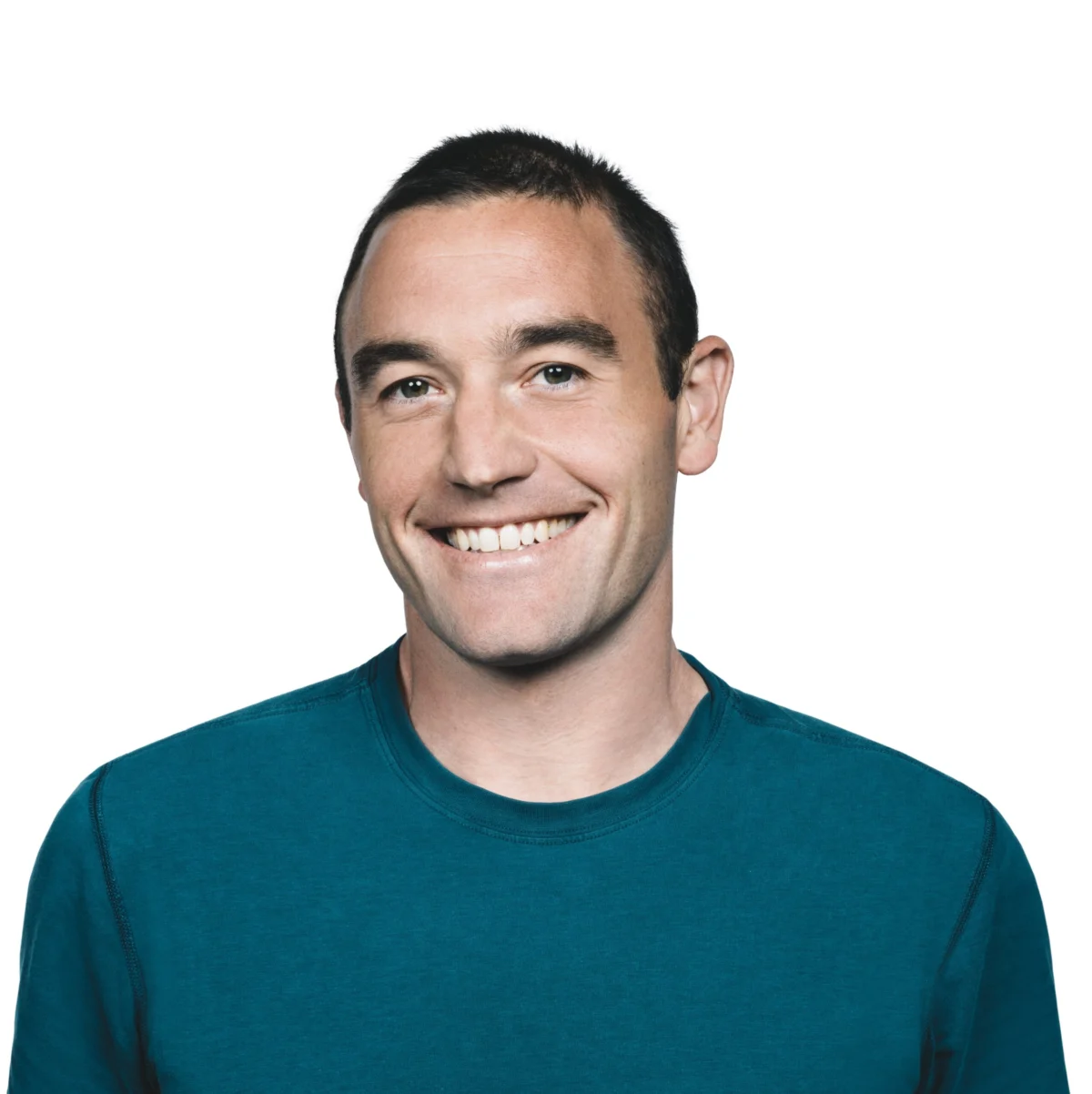
In the high-stakes arena of commercial aerospace, where capital intensive ventures often struggle to bridge the gap between theoretical engineering and orbital reality, Stoke Space has emerged as a formidable contender. The Seattle-based startup, which is laser-focused on developing a fully and rapidly reusable rocket, has just secured a significant strategic asset: Kevin Weil.
A seasoned executive with a resume that reads like a roadmap of the modern technology industry—including high-level tenures at Twitter, Meta, Planet Labs, and OpenAI—Weil has officially joined the board of directors at Stoke Space. His appointment is more than a routine corporate maneuver; it signals a maturation of the startup’s leadership as it transitions from the prototyping phase toward the operational intensity of commercial launch services.
The Architect of Growth: Why Weil?
For Stoke Space CEO Andy Lapsa, the addition of Weil to the board is a culmination of a professional relationship that began shortly after Stoke’s founding in 2020. Lapsa, an engineer by training, recalls his early days at Y Combinator’s winter batch with a sense of clarity about his own limitations.
"It’s real simple for me," Lapsa told TechCrunch. "I came out of engineering, started a company, had no idea how to fundraise. I had no idea how Silicon Valley worked. I had no network."
Weil, who was an early investor in the company alongside his wife, Elizabeth, via their venture fund, Scribble Ventures, provided the necessary bridge. He offered more than just capital; he provided the strategic scaffolding required to transform a garage-scale aerospace dream into a multi-billion-dollar entity. Now, as Stoke prepares for its most critical year of testing, Weil’s transition to the board is intended to help the company scale its operations, refine its go-to-market strategy, and navigate the complex geopolitical and economic landscape of the space industry.
A Chronology of Ambition
Stoke Space’s journey has been defined by rapid, aggressive growth. Since its inception, the company has secured a staggering $1.34 billion in total funding. A major milestone in this trajectory was the $510 million Series D funding round closed in 2025, a round that underscored a fundamental shift in market sentiment: defense and intelligence agencies, alongside private sector giants, are increasingly viewing rapid reusability as the only viable future for space infrastructure.
The Timeline of Scale:
- 2020: Stoke Space is founded by Andy Lapsa; enters Y Combinator’s winter batch. Early investment secured from Kevin and Elizabeth Weil.
- 2021: Kevin Weil serves as President of Planet Labs during its high-profile public listing.
- 2024: Weil joins OpenAI as Chief Product Officer, bridging the gap between high-scale consumer software and frontier research.
- 2025: Stoke Space secures a massive $510 million Series D round, validating the company’s focus on full reusability.
- 2025 (October): Weil concludes his tenure as CPO at OpenAI.
- 2026 (April): Weil exits OpenAI following a reorganization of scientific research efforts.
- Present: Weil joins the Stoke Space board to oversee the final push toward the maiden operational flight of the "Nova" rocket.
Technical Prowess: The Nova Rocket and the Reusability Mandate
At the heart of Stoke’s mission is "Nova," a launch vehicle designed to shatter the current paradigms of orbital flight. While industry incumbent SpaceX has revolutionized the field with the partially reusable Falcon 9 and the ambitious Starship, the concept of a rocket that is completely and rapidly reusable remains the industry’s "Holy Grail."
The challenges are monumental. The extreme thermal environments encountered during atmospheric reentry, combined with the structural integrity required for hundreds of flight cycles, have historically deterred even the most well-funded space investors. Blue Origin, where Lapsa gained early industry experience, has explored similar concepts but has not prioritized the specific iteration of "rapid" reusability that Stoke is pursuing.
Lapsa’s vision, however, is finding resonance. As he notes, "The world is realizing that launch is still not solved. The idea of full, rapid reuse was a little bit out there at that time… that’s now been rather normalized, and people see the inevitable now."
Implications: The Data Center in Orbit
One of the most intriguing aspects of Stoke’s business model is its potential to serve the burgeoning space-based computing market. As venture capitalists explore the creation of distributed data centers in orbit—designed to leverage direct solar energy and bypass the increasingly restrictive regulatory environments of Earth—the cost of "lift" becomes the primary bottleneck.
Lapsa is explicit about this connection: "Space data centers really only make sense with full rapid reuse." By driving down the cost-per-kilogram of orbital delivery, Stoke aims to become the essential transport layer for the next generation of satellite-based compute.
Bridging Silicon Valley and the Pentagon
Weil’s inclusion on the board also points to a strategic interest in the defense sector. The overlap between commercial space technology and national security is widening, and Weil is uniquely positioned to manage this intersection. Having been one of the high-profile tech leaders to join the US Army Reserve in 2025, he possesses a rare, firsthand understanding of how the Department of Defense views commercial technological integration.
This experience is invaluable for a company like Stoke, which is positioning its launch capabilities to meet the growing demand for rapid-response military satellite deployment. When combined with his prior experience as the President of Planet Labs, Weil brings a specialized expertise in managing the regulatory and operational hurdles of the Earth-observation and defense-contracting sectors.
Addressing the OpenAI Connection
Inevitably, Weil’s recent departure from OpenAI has sparked speculation regarding a potential intersection between the AI giant and the aerospace startup. Reports surfaced last year that Sam Altman, CEO of OpenAI, had explored investment opportunities in the space sector—specifically looking at SpaceX competitors.
When asked if Weil’s appointment serves as a proxy for an alliance between the frontier AI lab and Stoke Space, Lapsa remained tight-lipped. "I don’t comment on gossip and rumors," he stated, reinforcing that Weil’s mandate is strictly focused on the internal growth and engineering milestones of Stoke itself.
The Path Forward: Risk and Execution
Despite the pedigree of its board and the depth of its treasury, the reality of the aerospace industry remains unforgiving. The company is now in the "final mile" of its development cycle, where technical risks become increasingly visible.
"We’ve got a good chunk of the risk behind us, we’ve got more to go," Lapsa admitted. "We’ll work as hard as we can, and we’ll go when it’s ready."
The pressure to deliver is amplified by the current market landscape. With SpaceX’s high-profile stock market debut and the resulting public scrutiny on its operational cadence, the demand for reliable, affordable, and high-frequency launch services has never been higher. The market is currently supply-constrained; there are simply not enough rockets to satisfy the backlog of global demand.
For Stoke Space, the goal is simple: be the next provider to prove that rapid reusability isn’t just a theoretical goal, but a profitable, reliable service. With Kevin Weil now in the boardroom, the company has added a strategist who has seen the "scale-up" phase from the inside of some of the most influential companies in history. Whether that expertise can translate into a successful flight remains to be seen, but the industry is watching closely.
In a sector where failures are public and successes are generational, Stoke Space is positioning itself to be more than just a rocket company—it is aiming to be the infrastructure provider for the space-based economy of the 2030s.











