

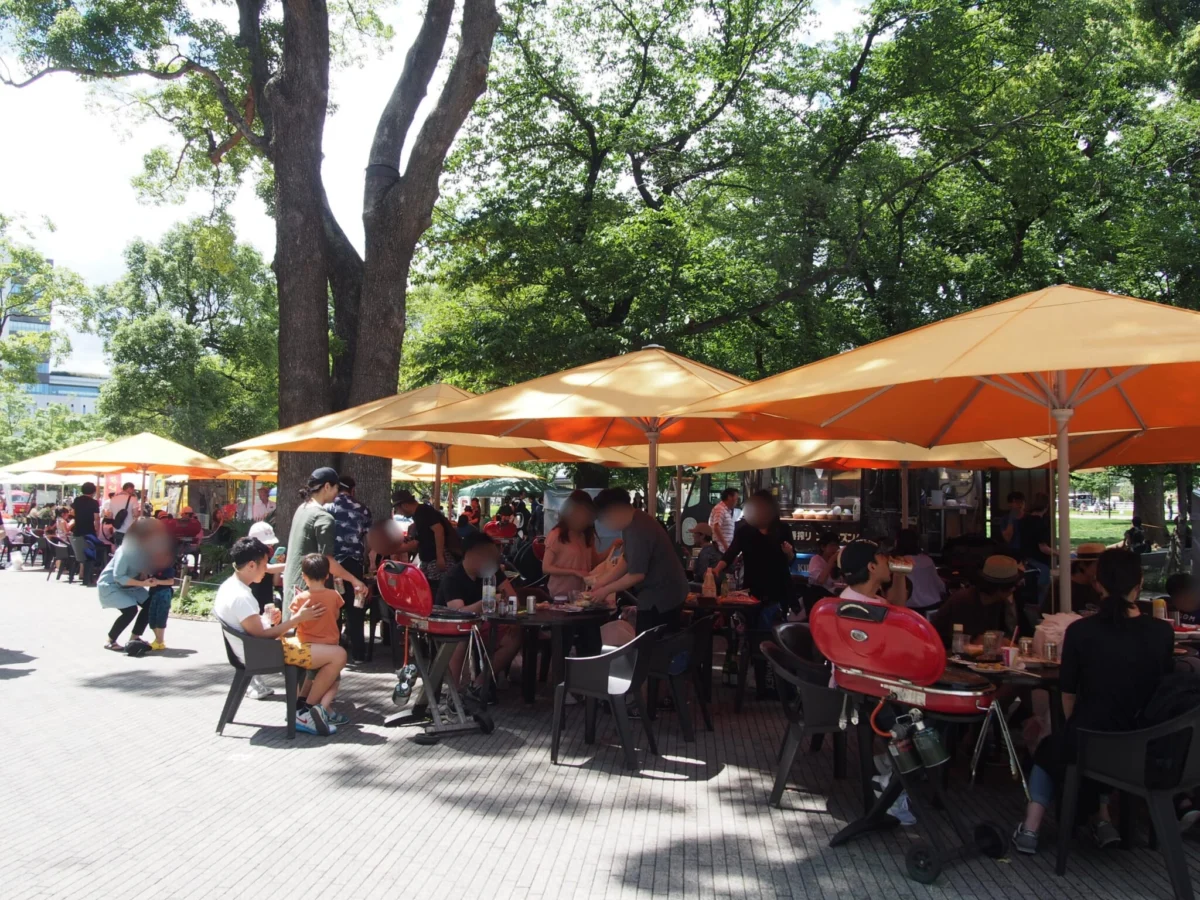
As the mercury rises and the humidity settles over the Kanto Plain, Tokyo transforms. While the city’s concrete density can make the summer months feel stifling, a long-standing urban tradition offers a refreshing escape: the beer garden. From lush, verdant parks to the sleek, neon-lit rooftops of Shinjuku and Ginza, these open-air sanctuaries are the beating heart of Tokyo’s social scene from late spring through early autumn.
For the uninitiated, the "beer garden" experience in Japan is more than just a place to grab a pint; it is a ritualized social event. Most venues operate on a nomihoudai (all-you-can-drink) system, typically paired with a multi-course barbecue menu and a strictly enforced two-hour time limit. This structure turns every visit into a high-energy, efficiency-driven celebration of summer camaraderie. Whether you are seeking a serene nature retreat or an upscale evening of cocktails and city views, Tokyo offers an unparalleled variety of venues to beat the heat.
The Evolution of the Tokyo Beer Garden: A Brief Chronology
The history of beer gardens in Japan dates back to the late 19th century, with the first recorded Japanese beer hall opening in Yokohama in 1870. However, the concept of the rooftop or garden-based "Beer Garden" as a seasonal summer staple began to gain significant traction in the post-war economic boom of the 1950s and 60s.
- The 1960s-80s: Beer gardens became the quintessential venue for nomikai (drinking parties) among Japan’s "salarymen." It was during this era that the department store rooftop beer garden became a cultural icon.
- The 1990s-2010s: As urban architecture evolved, so did the venues. The focus shifted from utilitarian department store rooftops to sophisticated, design-forward spaces, incorporating craft beer culture and international culinary influences.
- 2020-2026: Following a period of social restrictions, the current era has seen a resurgence in popularity. Modern beer gardens now emphasize "experiential" dining, featuring high-end gourmet platters, sustainable sourcing, and immersive themes that turn a simple dinner into a lifestyle experience.
Lush Nature Escapes: Finding Zen Amidst the Concrete
Forest Beer Garden (Meiji Jingu Gaien)
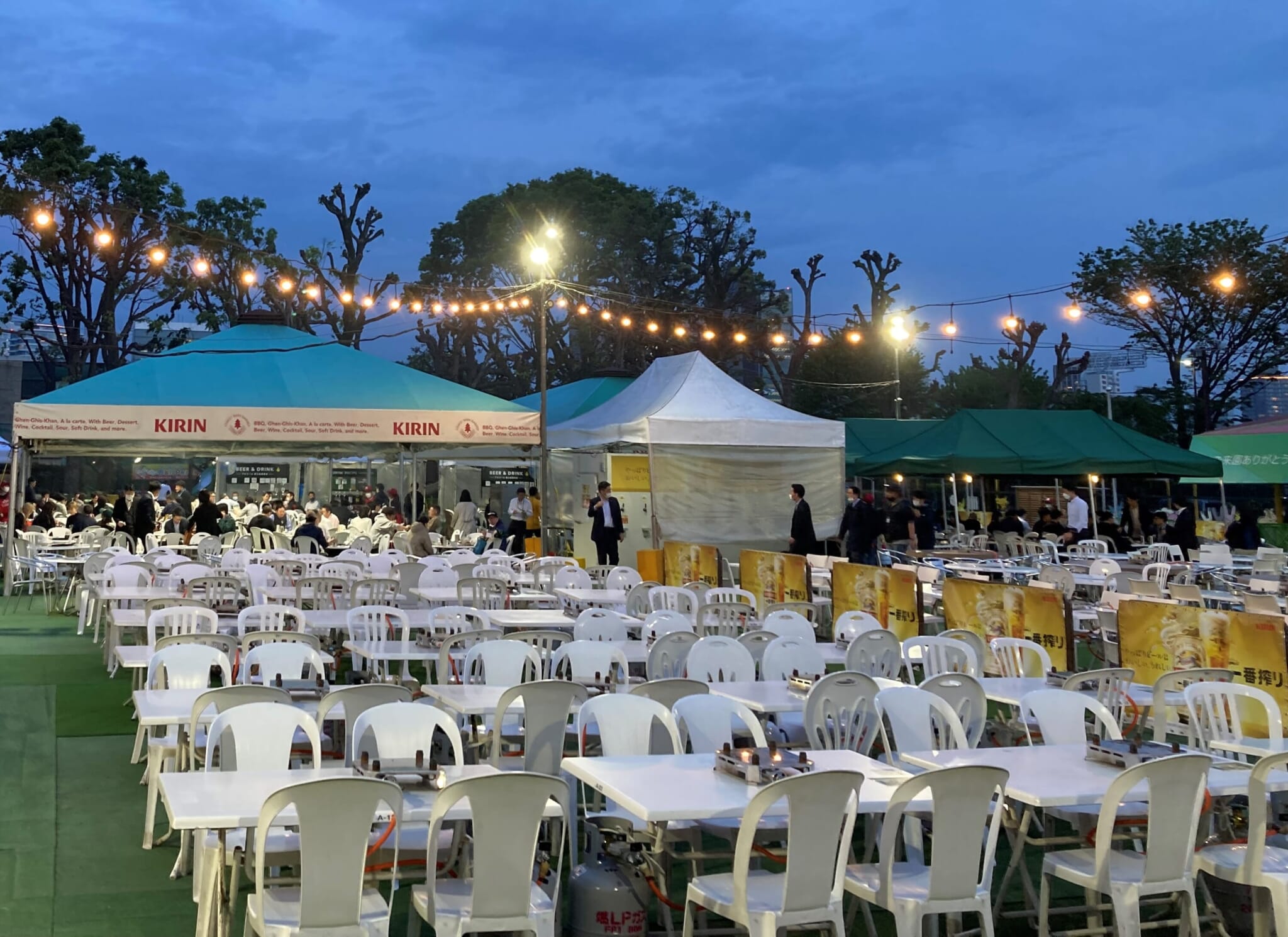
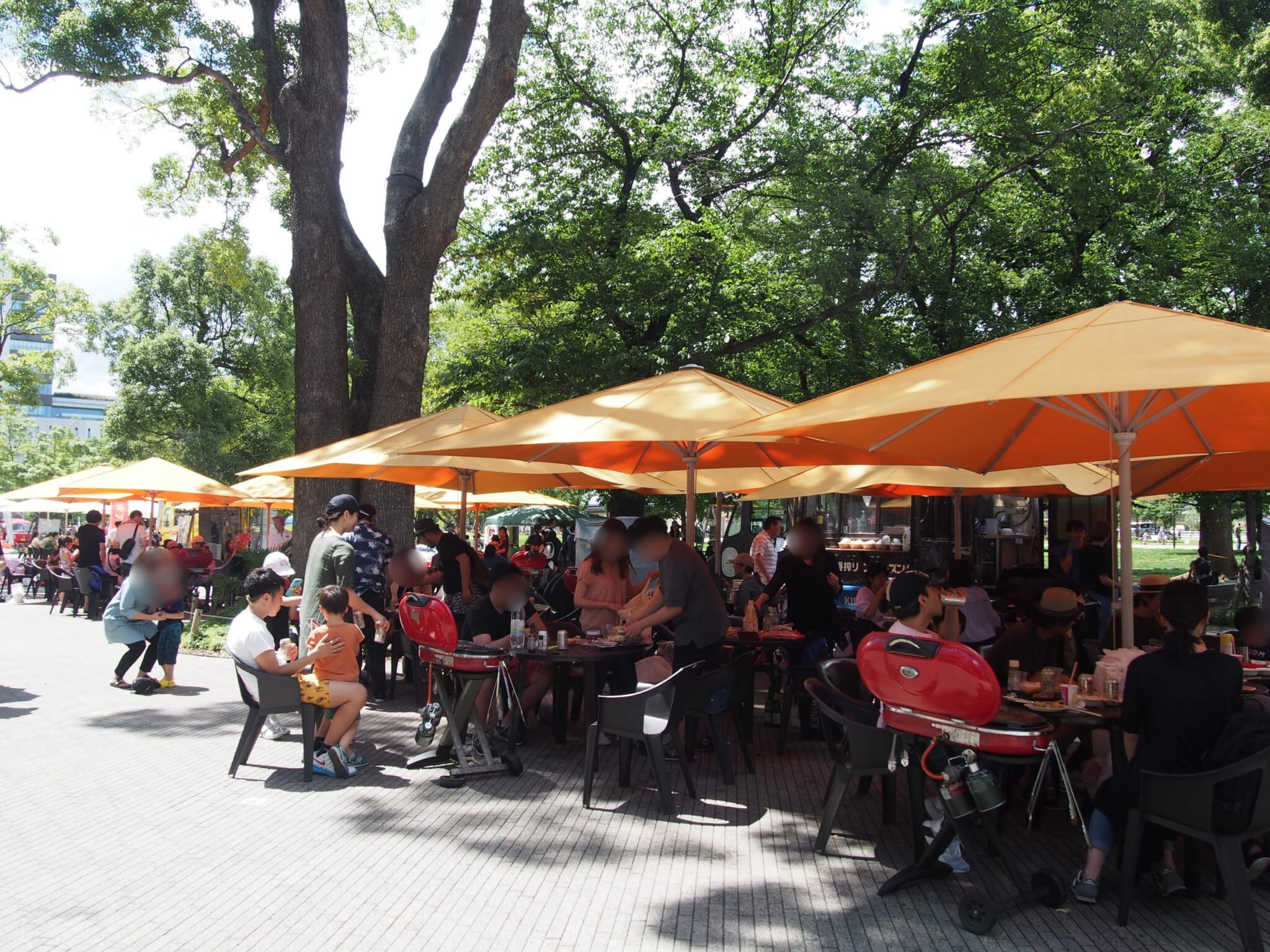
Nestled within the sprawling greenery of Meiji Jingu Gaien, the Forest Beer Garden remains one of the city’s largest and most iconic institutions. With a capacity of approximately 900 guests, it provides a rare, wide-open space that feels physically removed from the dense urban sprawl of the surrounding districts.
The appeal here is the combination of scale and authenticity. Unlike smaller, cramped rooftop bars, the Forest Beer Garden offers a sprawling lawn experience. Guests are invited to utilize authentic American Weber grills to cook their own meat, creating a participatory dining atmosphere. The beverage program is equally expansive, featuring a robust selection of Kirin draft beers, alongside international favorites like Heineken and the locally acclaimed Spring Valley craft brews. It is the gold standard for those who want a quintessential, high-energy outdoor BBQ.
Mount Takao Beer Mount
For those willing to venture to the city’s western fringe, Mount Takao Beer Mount offers a literal and figurative "high" point. Situated 488 meters above sea level, it stands as the highest beer garden in the Tokyo metropolitan area.
The experience begins with a scenic cable car ascent through the lush mountainside forest. Once at the summit, guests are greeted by a massive observation deck that serves as an unparalleled vantage point. On clear summer nights, the panoramic view of the glittering Tokyo skyline—stretching all the way to the Tokyo Skytree—is nothing short of breathtaking. The menu here is heavily influenced by regional comfort foods, served buffet-style, accompanied by an array of local sake, cocktails, and, of course, unlimited beer.
High-End Rooftops: The Luxury of the Skyline
Hilton Tokyo Beer Garden (Shinjuku)
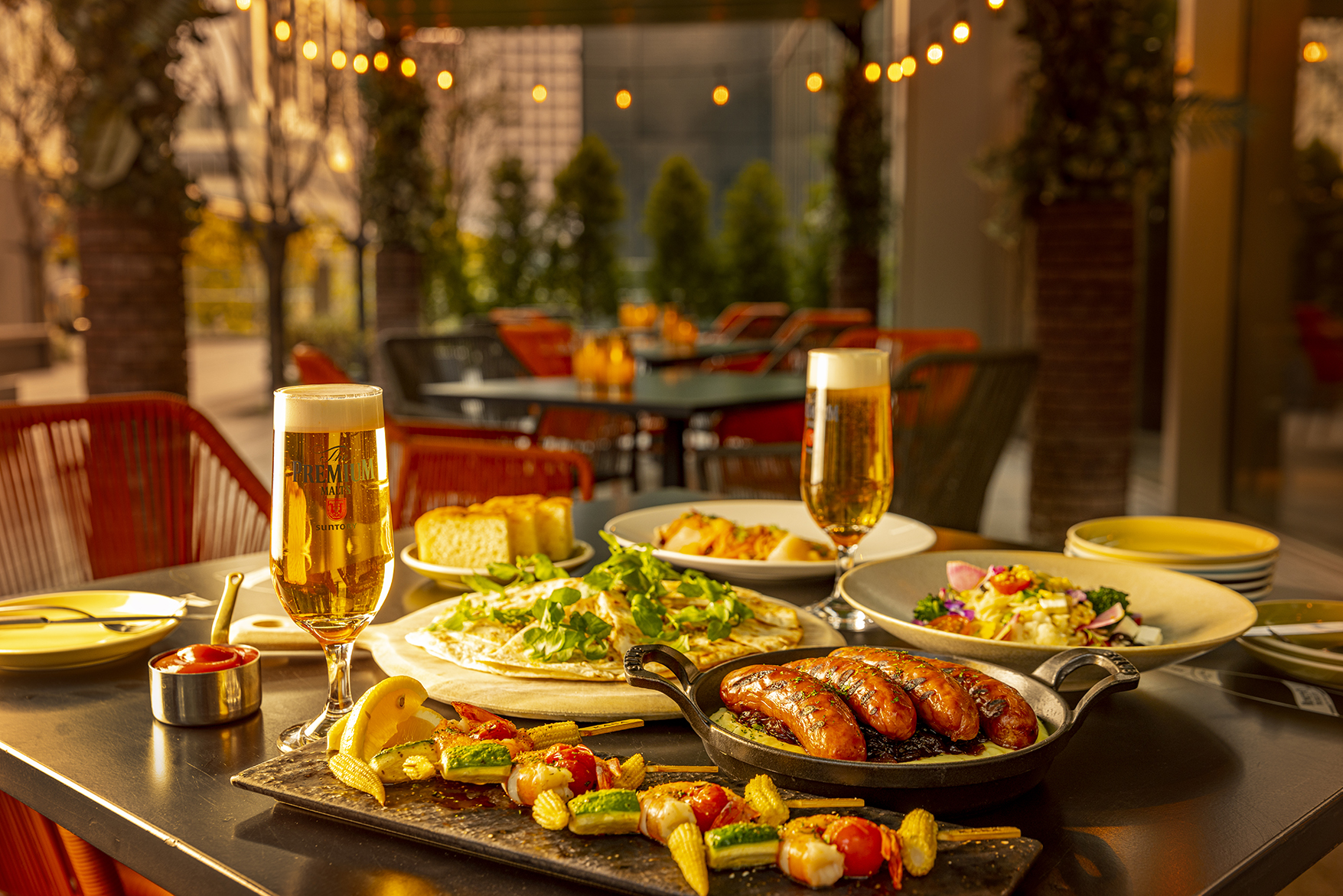
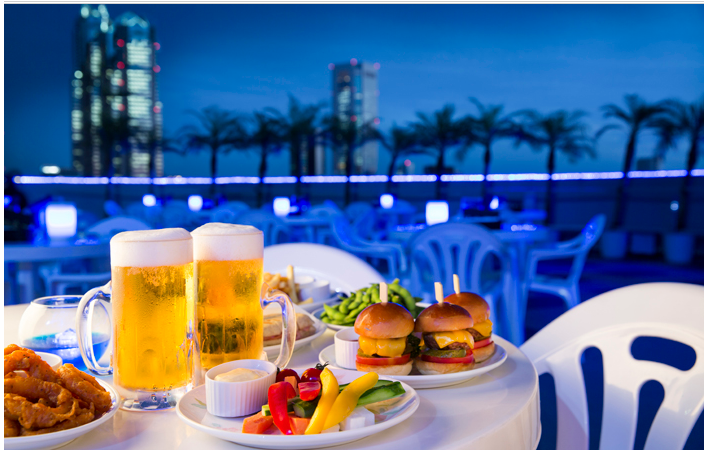
In the heart of Shinjuku’s skyscraper district, the Hilton Tokyo Beer Garden provides an oasis of sophistication. Located on the hotel’s seventh-floor terrace, the venue pivots away from the "all-you-can-eat" frenzy of traditional beer gardens, opting instead for a refined, resort-inspired experience.
The current theme draws inspiration from the sun-drenched beaches of Australia. With ambient fairy lights, plush sofa loungers, and a curated selection of premium spirits and gourmet platters, the Hilton offers an elevated urban escape. It is a preferred destination for the city’s professional class, where the focus is on the "sunset to evening" transition, offering a more intimate and curated environment than the larger, more chaotic public venues.
Ginza Sky Beer Terrace (Tokyo Kotsu Kaikan)
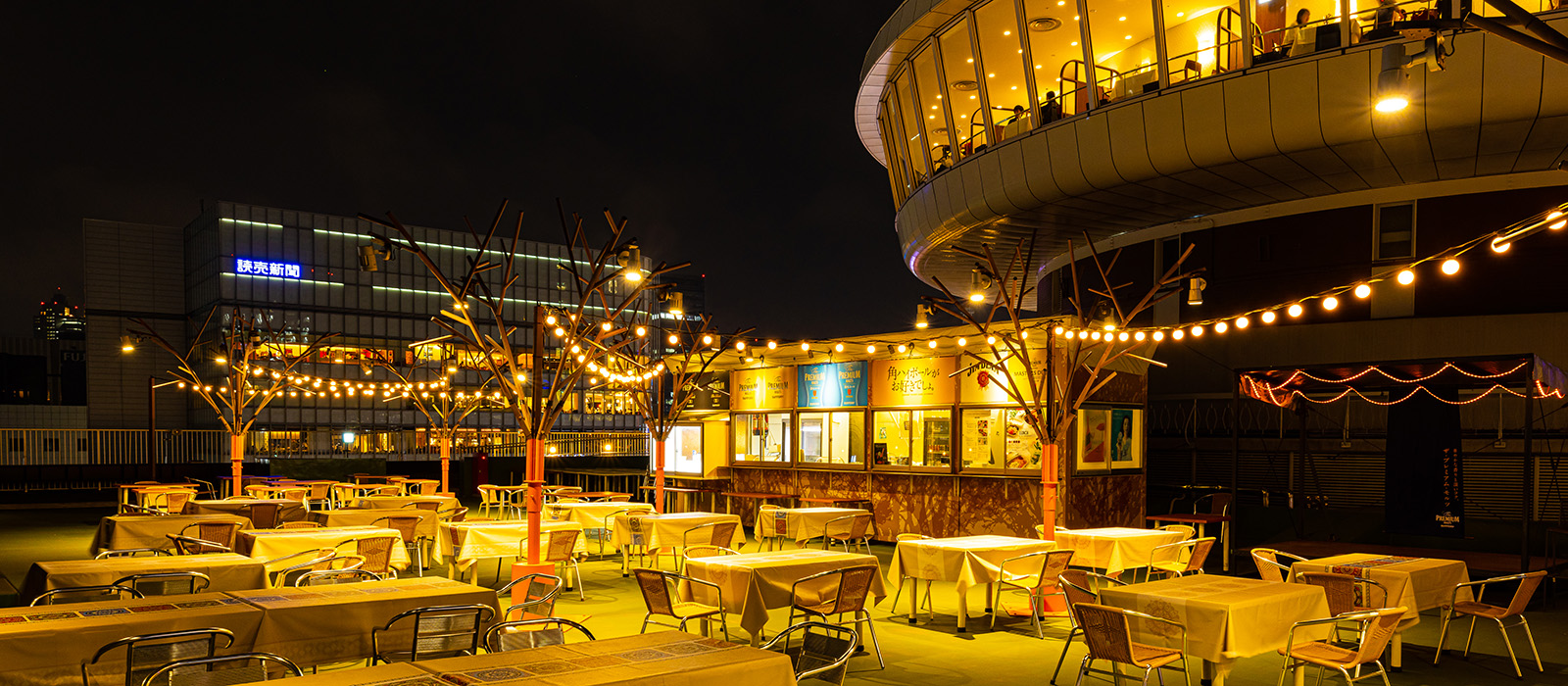
Perched on the 13th floor of the iconic Tokyo Kotsu Kaikan building, the Ginza Sky Beer Terrace represents the pinnacle of high-altitude urban drinking. Managed by the prestigious Tokyo Kaikan—a pillar of Japanese hospitality—the venue offers a view that encapsulates the grandeur of the Ginza district and the bustling hub of Tokyo Station.
This is not a venue for casual rowdiness. The drink plans are tiered, featuring premium options such as Suntory Master’s Dream draft beer, high-end wines, and craft highballs. The culinary offerings lean toward gourmet, featuring premium steak and meat platters that reflect the refined palate of the Ginza neighborhood. Notably, the venue has also expanded its beverage menu to include sophisticated non-alcoholic and low-alcohol options, ensuring inclusivity for all guests.
Neighborhood Hubs: Community and Family-Friendly Spaces
Nakano Central Beer Park
For those who prefer a laid-back, community-centric atmosphere, Nakano Central Beer Park is the premier choice. Located along a tree-lined avenue, it captures the vibrancy of local life. Unlike the more exclusive hotel venues, this space invites a casual, "drop-in" culture.
Whether you want to grab a single beer after work or settle in for a full pre-booked BBQ course, the park is designed for flexibility. It is common to see local residents, families, and office workers mingling on the grass. The ability to supplement the menu with food from local stalls adds to the authentic, festival-like energy that defines Tokyo’s neighborhood social hubs.
Tokyo Skytree Town BeerFesta
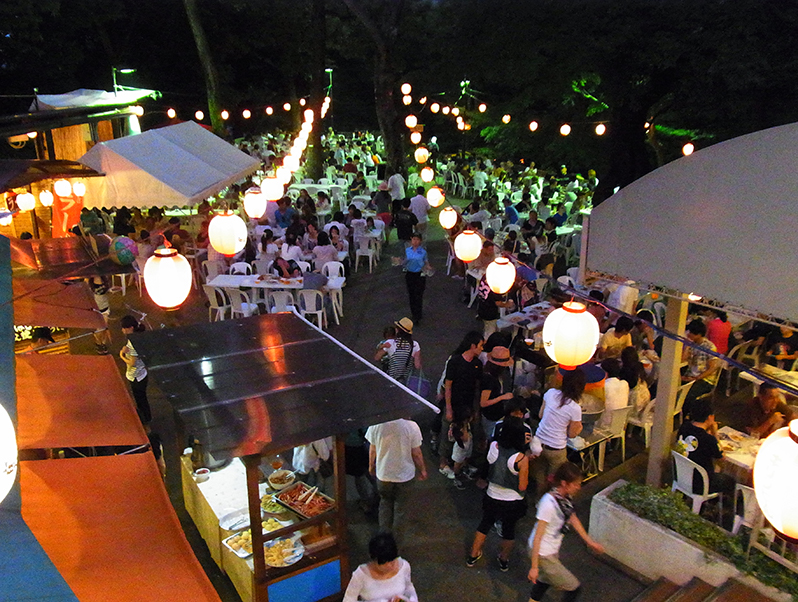
Situated on the fourth-floor Sky Arena at the base of the Tokyo Skytree, the BeerFesta is designed for high-volume, high-energy entertainment. It effectively replicates the atmosphere of a traditional Japanese matsuri (festival).
The layout is expansive, featuring food huts that offer a diverse array of international and local fare, from European sausages to classic yakisoba. Crucially, the inclusion of a dedicated grassy play area for children makes this one of the most family-friendly venues in the city. It serves as an ideal final stop for tourists who have spent the day exploring the tower, providing a convenient and lively conclusion to a day of sightseeing.
Supporting Data and Strategic Planning
When planning a visit to these venues, understanding the underlying logistics is essential for a seamless experience:
- Reservation Necessity: During the peak months of July and August, top-tier venues like the Forest Beer Garden and Ginza Sky Beer Terrace frequently reach capacity. Reservations are strongly advised, often 2–4 weeks in advance.
- Economic Impact: The beer garden industry serves as a significant economic driver during the summer, with many venues seeing a 20-30% increase in seasonal revenue compared to the rest of the year.
- Sustainability Trends: An increasing number of venues, including those in Nakano, have begun implementing eco-friendly practices, such as reducing single-use plastics and sourcing ingredients from local regional farmers to lower the carbon footprint of their supply chains.
Official Guidelines and Insider Tips
For the best experience, consider the following "insider" protocols:
- The Two-Hour Window: Nearly every nomihoudai package is strictly limited to 120 minutes. Keep an eye on the clock; staff will often signal the final round 20–30 minutes before the end of the session.
- Weather Contingencies: Tokyo’s summer is prone to sudden, heavy thunderstorms. While most major gardens have parasols or retractable roofs, check the venue’s "Rain Policy" before booking. Some venues will offer a partial refund or allow a transfer to an indoor dining space if a storm forces a closure.
- Dress Code: While beer gardens are inherently casual, "upscale" venues like the Hilton or Ginza Sky Beer Terrace may imply a smart-casual dress code. Avoid beachwear or overly gym-focused attire if visiting these locations.
- Early Bird Advantage: Arriving early in the evening (typically between 5:00 PM and 6:00 PM) allows you to secure the best seats—usually those with the most unobstructed views or the best shade.
Implications for Future Tourism
As Tokyo continues to position itself as a global travel hub, the beer garden model is evolving from a local curiosity into a significant component of the city’s tourism infrastructure. By balancing the traditional "all-you-can-drink" model with modern demands for gourmet quality and family-friendly environments, these venues ensure that the spirit of the Japanese summer remains accessible, profitable, and—most importantly—refreshingly cold.
Updated on July 8, 2026











