

While the international tourist circuit in Japan remains largely tethered to the "Golden Route" between Tokyo, Kyoto, and Osaka, a quieter, more sensory-rich agricultural experience thrives in the inland hills and coastal plains of Mie Prefecture. Often overlooked by travelers rushing toward the Ise Grand Shrine or the high-octane thrills of Nagashima Spa Land, Mie’s orchard belt offers a deep dive into kajitsu-gari—the Japanese art of fruit picking.
Unlike the industrial, mass-market tourism found in prefectures like Yamanashi or Fukushima, Mie’s approach to fruit-picking is quintessentially local. Here, the experience is less about branded souvenir boxes and more about the simple, ephemeral pleasure of consuming peak-ripeness produce directly from the source.
Main Facts: The Mie Agricultural Calendar
Mie Prefecture operates on a rigorous three-season agricultural cycle that surprises visitors with its diversity. The climate of the Kii Peninsula, buffered by the Pacific Ocean and protected by inland mountain ranges, allows for a prolonged growing season that extends far beyond the traditional harvests of Northern Japan.
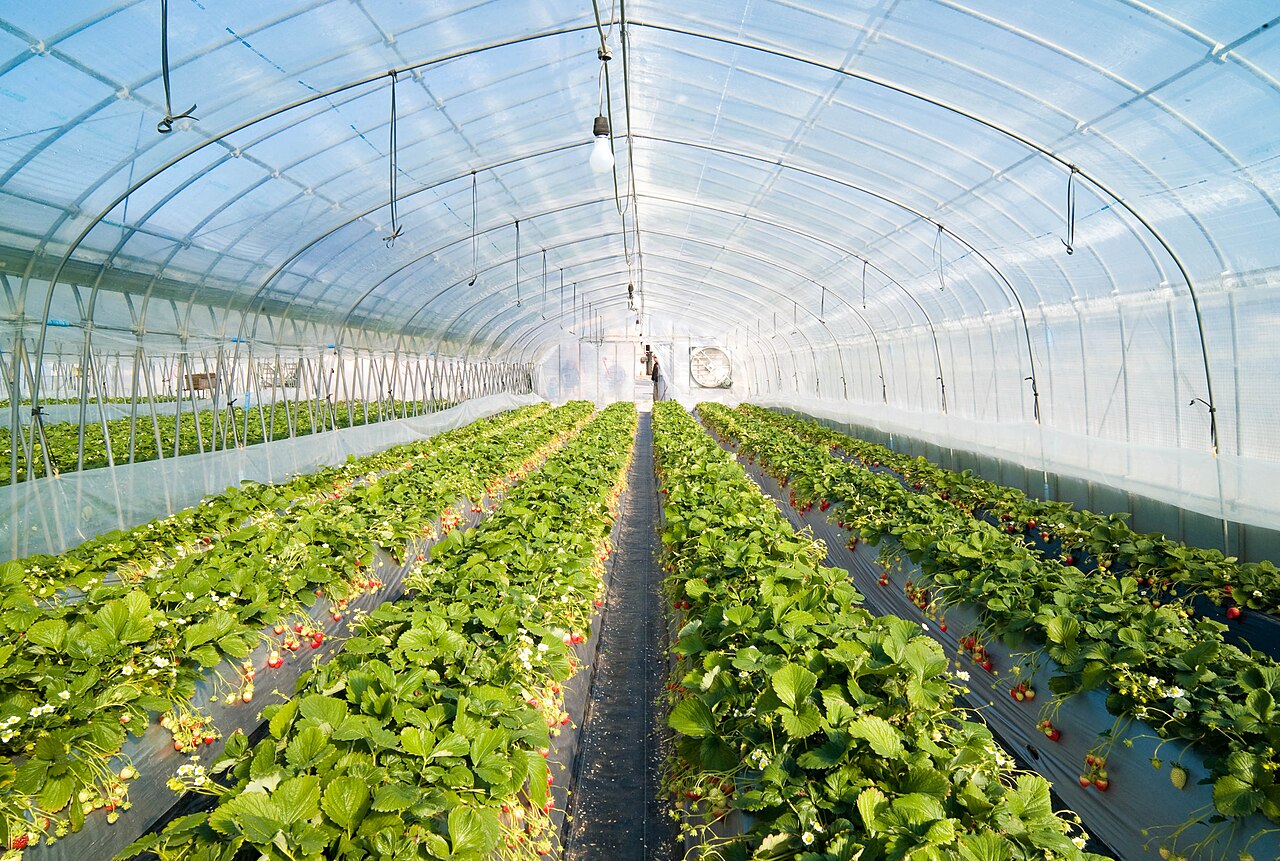
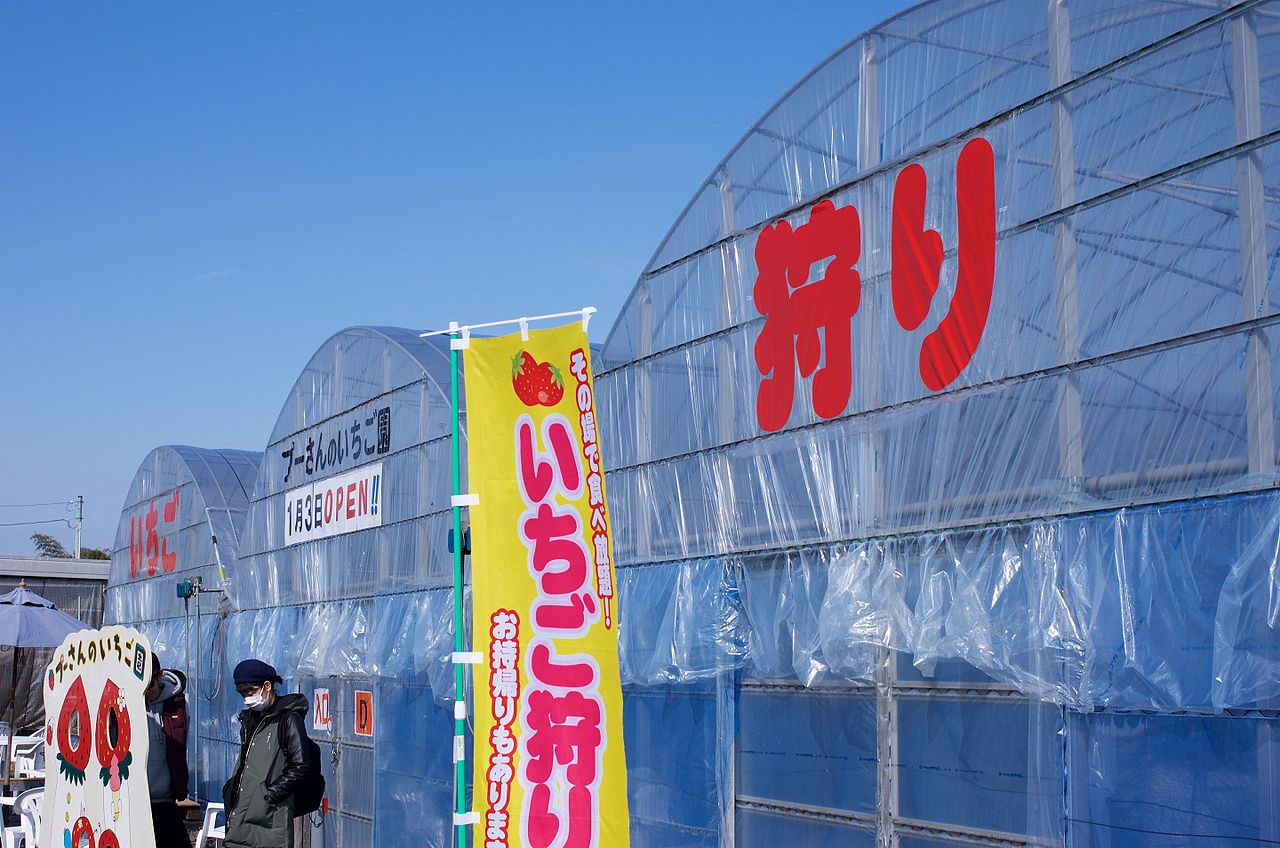
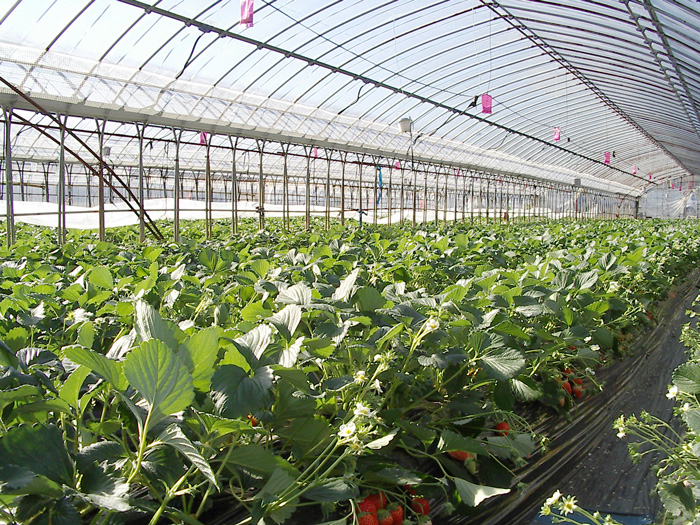
- Strawberry Season (January–May): The year begins with ichigo-gari. Thanks to high-tech hydroponic greenhouses, farms produce a steady supply of strawberries throughout the spring.
- Stone Fruit Season (June–July): As the spring warmth peaks, peaches and plums take center stage.
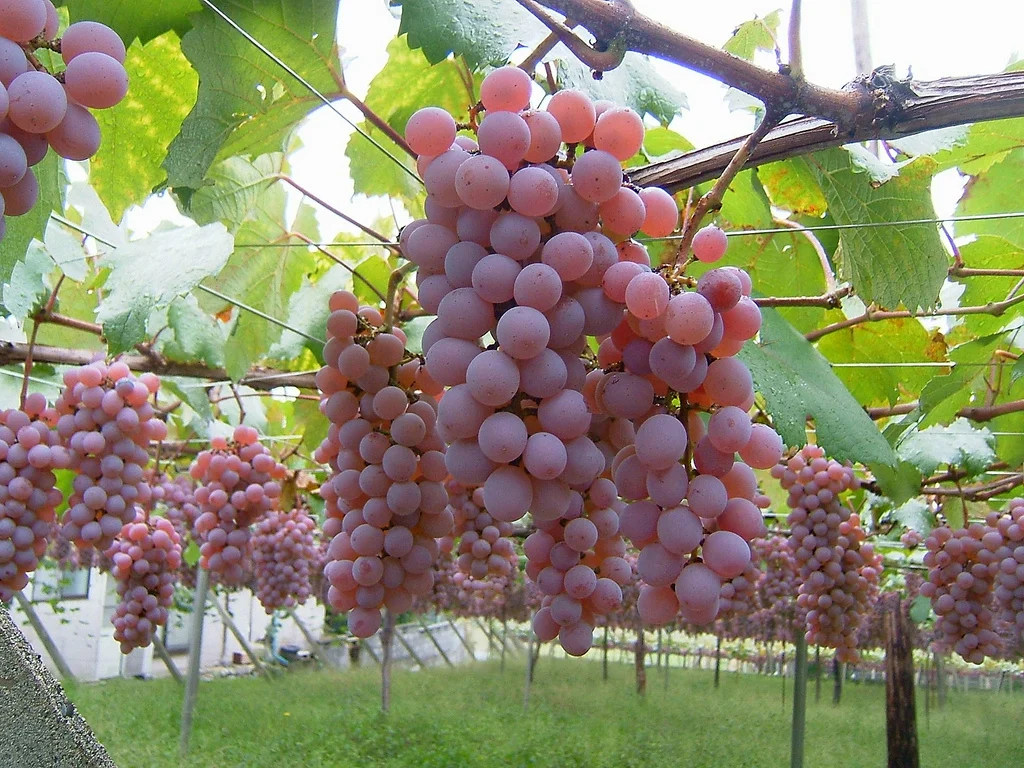
- Grape Season (August–October): The late summer and autumn months are dominated by the harvest of table grapes, with orchards concentrating in the inland Nabari and Iga regions.
Chronology and The Cultural Nuance of ‘Kajitsu-gari’
To participate in kajitsu-gari is to participate in a cultural institution. It is crucial for international visitors to understand that the Japanese model differs fundamentally from the "pick-and-pay-by-weight" system common in the West.
The Mechanics of the Harvest
- Fixed-Price Entry: Visitors pay a flat fee, typically ranging from ¥1,500 to ¥3,500, which grants access to the greenhouse or orchard for a specified duration.
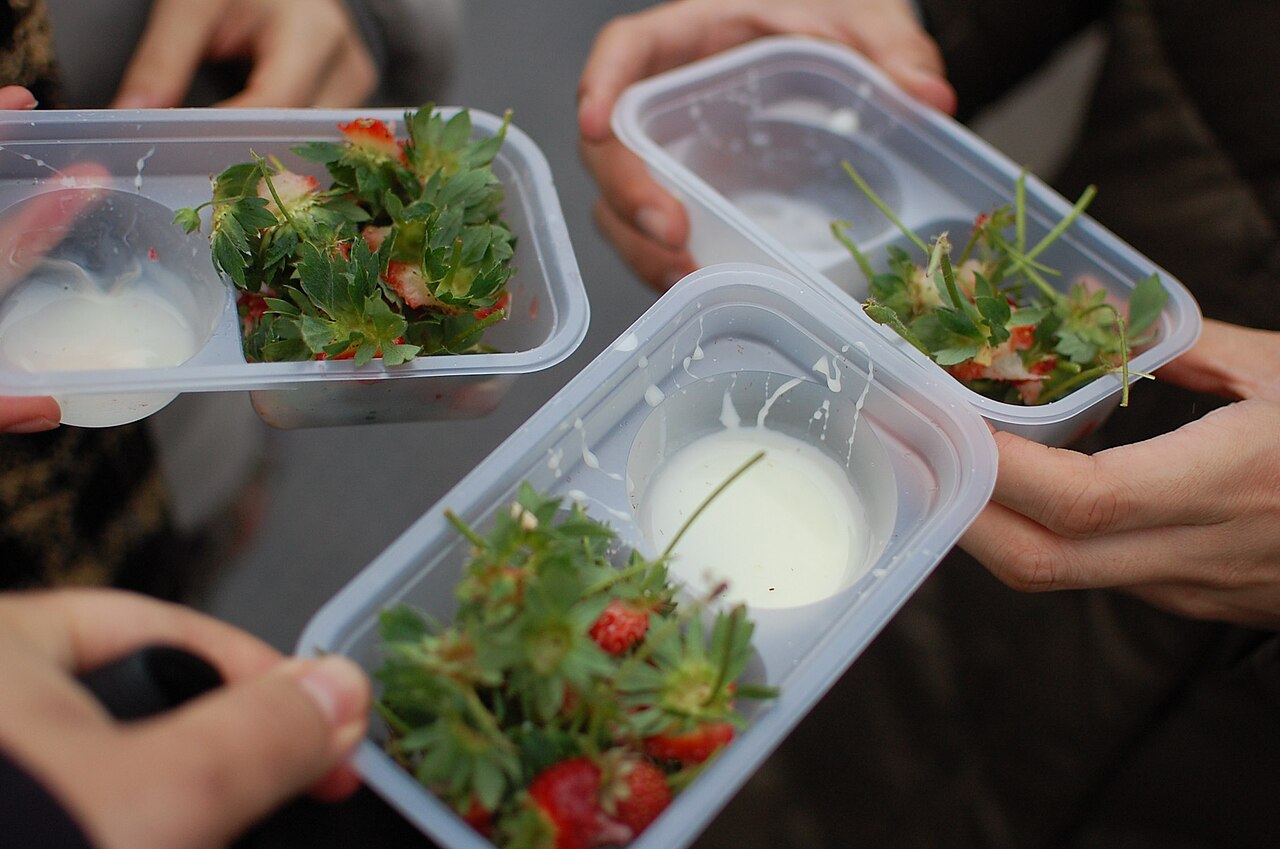
- The All-You-Can-Eat Format: The primary value is the "all-you-can-eat" access. You are invited to consume as much fruit as you like within the allotted time (usually 30–60 minutes).
- Strict Consumption Rules: Taking fruit out of the picking area is generally prohibited. The fruit is intended to be enjoyed at its peak of freshness inside the facility. If you wish to bring produce home, most farms offer a separate "purchase-by-the-bunch" or "take-home" counter.
This format transforms a simple agricultural task into a low-key, family-friendly eating contest. A seasoned picker can easily consume 30 to 50 strawberries or two full bunches of grapes in a single sitting, making the entry fee an incredible value compared to supermarket prices in urban centers like Tokyo.
Supporting Data: The Cultivars of Mie
Mie’s agricultural landscape is not merely a production line; it is a laboratory for local flavor. The regional research stations, such as those overseen by Mie University, have played a vital role in refining cultivars specifically suited to the prefecture’s microclimates.
Strawberries: The Winter Jewel
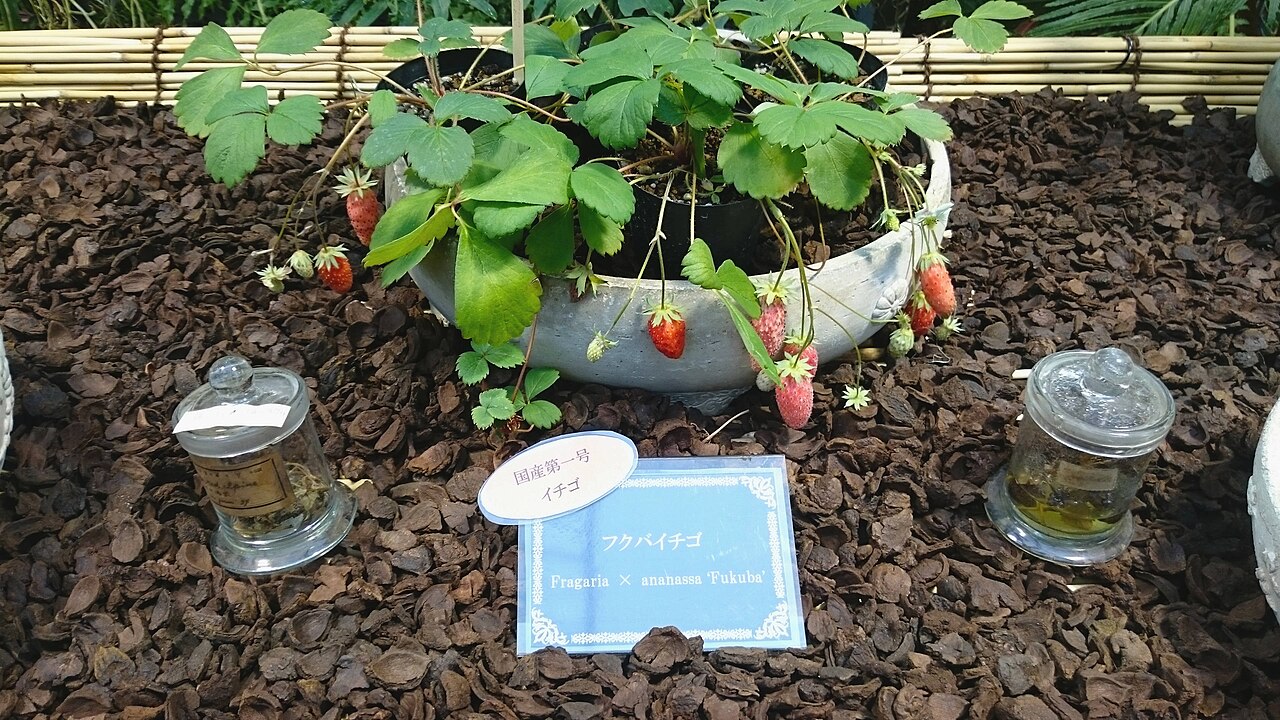
In the strawberry greenhouses, visitors encounter industry-standard raised-bed designs. By growing hydroponically on waist-height benches, farmers eliminate the need for stooping, making the experience accessible to all ages. Common varieties include the robust Amaou (known for its large size and deep red hue) and the classic Tochigiotome. For the adventurous, some high-end farms occasionally feature the Hakuou (white strawberry), a rare, aesthetically striking variety that commands premium prices in department stores.
Grapes: The Trellis Tradition
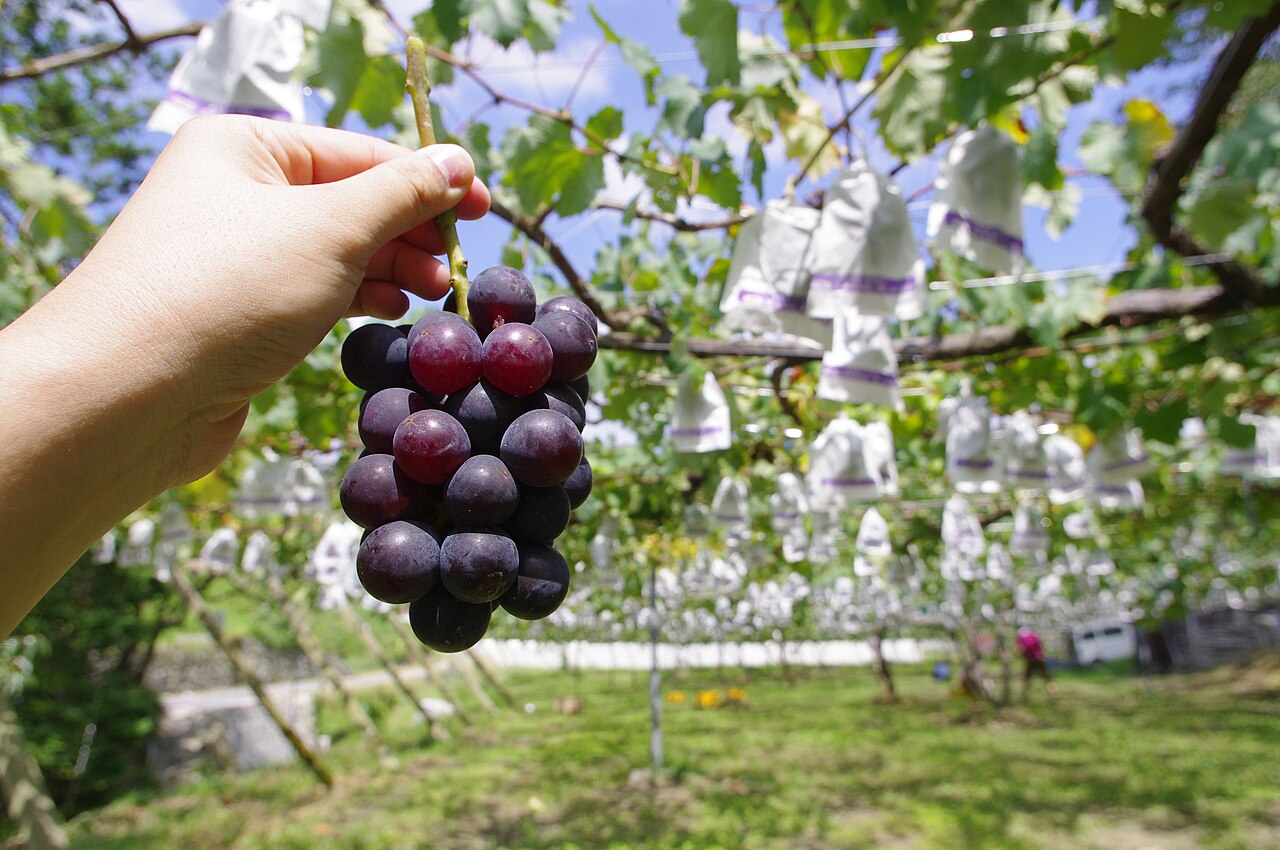
In the inland Nabari and Iga regions, the grape industry follows the traditional Japanese overhead trellis system. Unlike the European style of ground-level vine training, the Japanese trellis allows the fruit to hang in protected, shaded clusters. This keeps the grapes free of pests and creates an environment where walking through the vineyard feels like navigating a living, leafy ceiling. The Kyoho and Shine Muscat are the stars here, though local varieties like the Takao grape offer a more nuanced, sophisticated flavor profile that rewards the curious palate.
Official Perspectives and Regional Implications
Local agricultural authorities in Mie view kajitsu-gari as a vital component of the prefecture’s "local consumption" strategy. By encouraging urban residents from Nagoya and Osaka to visit, these farms support the local economy and preserve the generational knowledge of Mie’s farmers.
From an environmental perspective, the "zero-kilometer" movement is central to these operations. Because the fruit does not need to be transported across the country to reach high-end Tokyo markets, the carbon footprint of the produce is negligible. Moreover, the focus on direct-to-consumer sales allows small family-owned farms to capture the full retail value of their crops, insulating them from the fluctuating wholesale prices of the central markets.
Logistics: Bridging the Gap
The primary hurdle for the international traveler is transportation. Mie’s most authentic farms are tucked into the countryside, where public transit is minimal.
Navigating the Region
- The Rental Car Solution: For those comfortable driving, renting a vehicle from Nagoya, Tsu, or Nabari station is the most efficient method. Most orchards are located within a 20-to-40-minute drive from these transport hubs, with rental costs usually hovering between ¥4,000 and ¥6,000 for a half-day.
- The Pre-booked Tour: For those preferring a hands-off approach, day-tour operators based in Osaka and Nagoya offer seasonal packages. These typically include transportation, entry fees, and an additional cultural stop, such as a shrine visit or a shopping outlet trip, for between ¥8,000 and ¥12,000.
Selecting a Base
- Nagoya: The most logical base for travelers seeking a mix of urban convenience and rural adventure.
- Ise-Shima: Ideal for those combining a spiritual visit to the Ise Grand Shrine with a luxury ryokan stay.
- Nabari: The best choice for the budget-conscious traveler looking to immerse themselves in the heart of the grape-growing season.
Strategic Combinations: Building a Day Trip
To maximize the value of a fruit-picking excursion, it should be paired with other regional highlights:
- The Family Day Out: Combine a morning of strawberry picking with an afternoon at Nagashima Spa Land. The farms in the Nabari area are conveniently positioned to make this a seamless transition.
- The Cultural Pilgrimage: For history enthusiasts, pairing a morning of picking with a visit to the Ise Grand Shrine provides a beautiful contrast between the "natural" and "spiritual" pillars of Japanese culture.
- The Culinary Pursuit: Mie is world-famous for Matsusaka beef. A morning in the orchards followed by a traditional Matsusaka wagyu lunch is arguably the most satisfying gastronomic itinerary in the region.
Is It Worth the Effort?
If you are traveling from Tokyo solely for fruit picking, the travel time may prove prohibitive. However, for those already traversing the Kansai or Chubu regions, Mie’s orchard belt is a hidden gem. The experience is significantly cheaper than the high-profile farms of Yamanashi, and the lack of crowds provides an intimacy that is increasingly rare in Japanese tourism.
Furthermore, the educational value for families cannot be overstated. Watching a child pull a strawberry from a vine or cut a cluster of grapes is a tactile experience that connects the consumer to the food source in a way that modern supermarkets never can. Whether you are a dedicated agricultural tourist or simply a traveler looking to step off the beaten path, Mie’s orchards offer a slice of rural Japan that is as sweet as the harvest itself.
Quick Summary for Travelers:
- Peak Season: January–May (Strawberries), August–October (Grapes).
- Reservations: Essential for weekends and holidays; walk-ins usually welcome on weekdays at larger farms.
- Equipment: Wear comfortable, closed-toe shoes. Greenhouses are climate-controlled but can be warm; dress in layers.
- Language: While English signage is increasing, bring a translation app. Most farmers are welcoming and happy to assist, even across language barriers.











